3 hrs ago
Fake Medicines Raise Serious Risks Beyond Expiry Dates
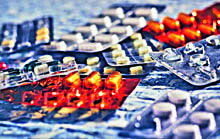
Fake medicines may look like real medicines but can be dangerous.
They might have the wrong ingredient or the wrong amount of medicine.
They could also contain harmful germs if they were made in dirty places.
This can make people sicker instead of helping them get better.
Look for spelling mistakes, blurry printing, damaged seals or unusual colours and smells.
Check the medicine’s name, strength, manufacturer, batch number and expiry date.
Buy medicines from trusted pharmacies and follow a doctor’s prescription.
If a medicine seems unsafe, stop and ask a doctor or pharmacist before taking more.
Keep the package and receipt so the product can be checked.

Counterfeit or poorly manufactured medicines may contain incorrect doses, harmful substances or biological contaminants.
Experts warn that contaminated medicines can cause serious infections, especially in vulnerable patients.
Warning signs include spelling errors, poor printing, damaged seals, altered batch details and unusual tablet or liquid appearance.
Patients should verify the medicine’s name, strength, manufacturer, batch number, dates, MRP and packaging before use.
Suspected medicines should be paused after medical advice, while the packaging, batch details and purchase bill are retained for investigation.
- Who
- Patients and medicine consumers, with guidance from Dr Ekadashi Rajni Sabharwal and Ravikumar Vattikuti.
- What
- Experts are warning about counterfeit, contaminated, improperly manufactured or poorly stored medicines and explaining how consumers can identify and report concerns.
- Where
- The cited cases involve Haryana near Delhi, Nagpur and Bidadi in Karnataka; Ravikumar Vattikuti is identified with a hospital in Hyderabad.
- When
- The article cites reported fake-medicine cases from 2025–26, including incidents in April 2026 and August 2026.
- Why
- Fake or substandard medicines may fail to treat illness, cause adverse reactions or toxicity, promote drug resistance, or contain biological contaminants that can cause serious infections.
Key facts
- Main danger
- Medicines may contain the wrong ingredient, too little or too much active ingredient, harmful substances or biological contaminants.
- Possible outcomes
- Risks include treatment failure, prolonged illness, adverse reactions, toxicity, drug resistance and life-threatening complications.
- Packaging red flags
- Spelling errors, poor printing, unusual fonts or colours, damaged seals, altered dates and mismatches between cartons and blister packs.
- Medicine red flags
- Discolouration, cracks, swelling, visible particles, precipitate, leakage or an unusual smell.
- Details to verify
- Name, strength, dosage form, manufacturer, batch number, manufacturing date, expiry date and MRP.
- Consumer action
- Buy from legitimate sources, follow prescriptions and seek advice from a doctor or pharmacist if the product seems suspicious.
- Reported seizure
- Authorities in Haryana seized more than 260 suspected counterfeit Mounjaro pens near Delhi in April 2026.
Quotes
Dr Ekadashi Rajni Sabharwal
Professor in the Department of Microbiology
“Patients should therefore check that these details are clearly printed, consistent and free from signs of alteration. Any suspicious or tampered information should be treated as a warning sign and verified before the medicine is used.”
 deccanchronicle.com
“The first step is to carefully examine the medicine pack. Patients should check the name, and strength of the medicine, dosage form, manufacturer’s name and address, batch number, manufacturing date, expiry date and MRP.”
deccanchronicle.com
Sources
Related news
Karnataka Suspends Drug Licences After Bidadi Fake Medicine Raid

Karnataka FDA Seizes ₹5 Crore Stock in Fake Drug Raid

Mumbai Police Book Two Men Over Counterfeit Montair-LC Tablets
Karnataka FDA Cancels 16 Licences in Spurious Drugs Case
India Probes Abhayrab Batch After Potency Test Failure
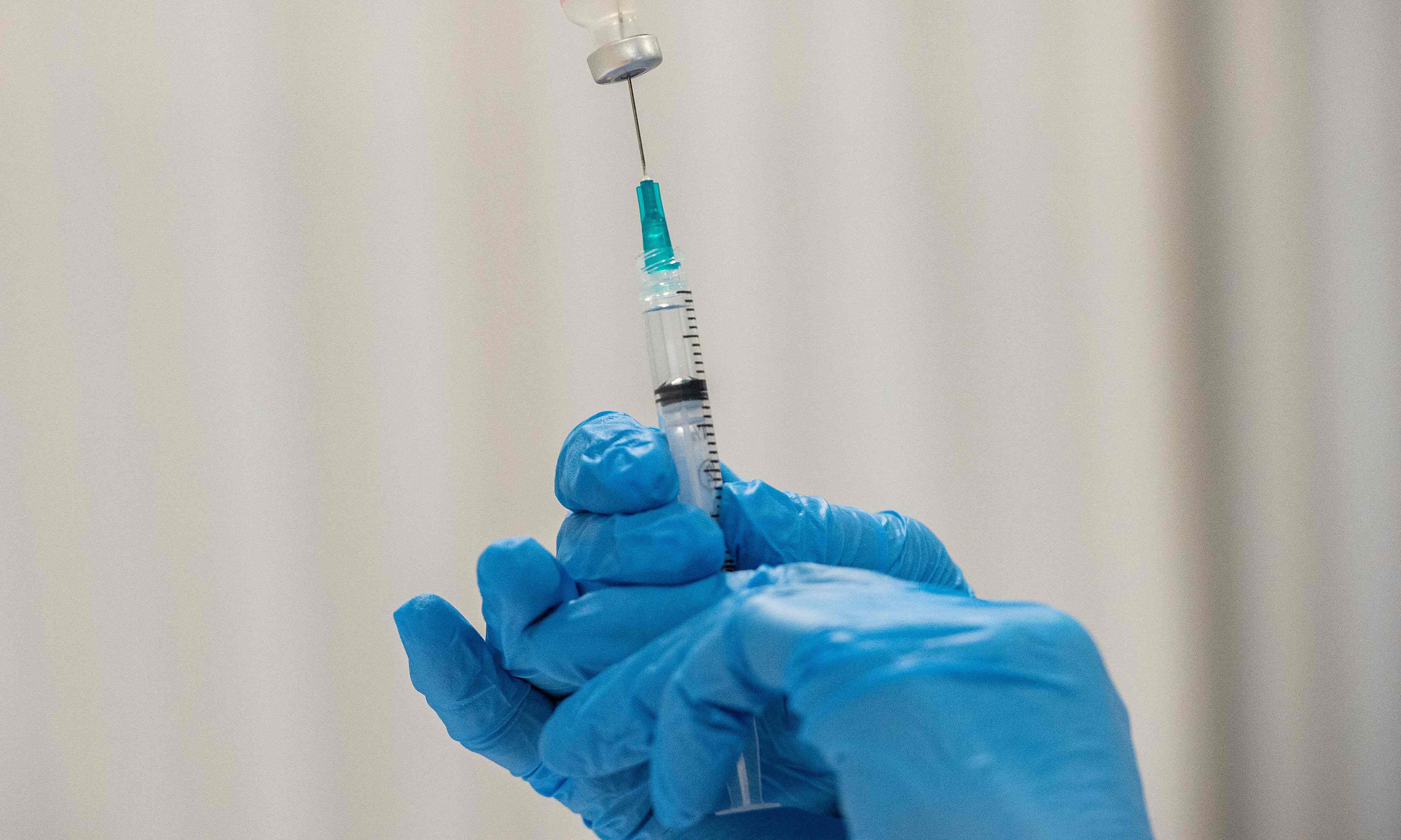
India Flags Abhayrab Batch as Misbranded and Potentially Spurious

Mann Warns Opposition Could End Punjab Welfare Schemes

Burglars Repeatedly Target Outskirts ATMs Across Karimnagar District
Haryana CM Calls for People’s Movement Against Punjab Drug Menace
Haryana to Reconstruct 150 School Buildings for Rs 400 Crore