3 weeks ago
Indian parliamentary panel urges New Delhi to act on Arctic
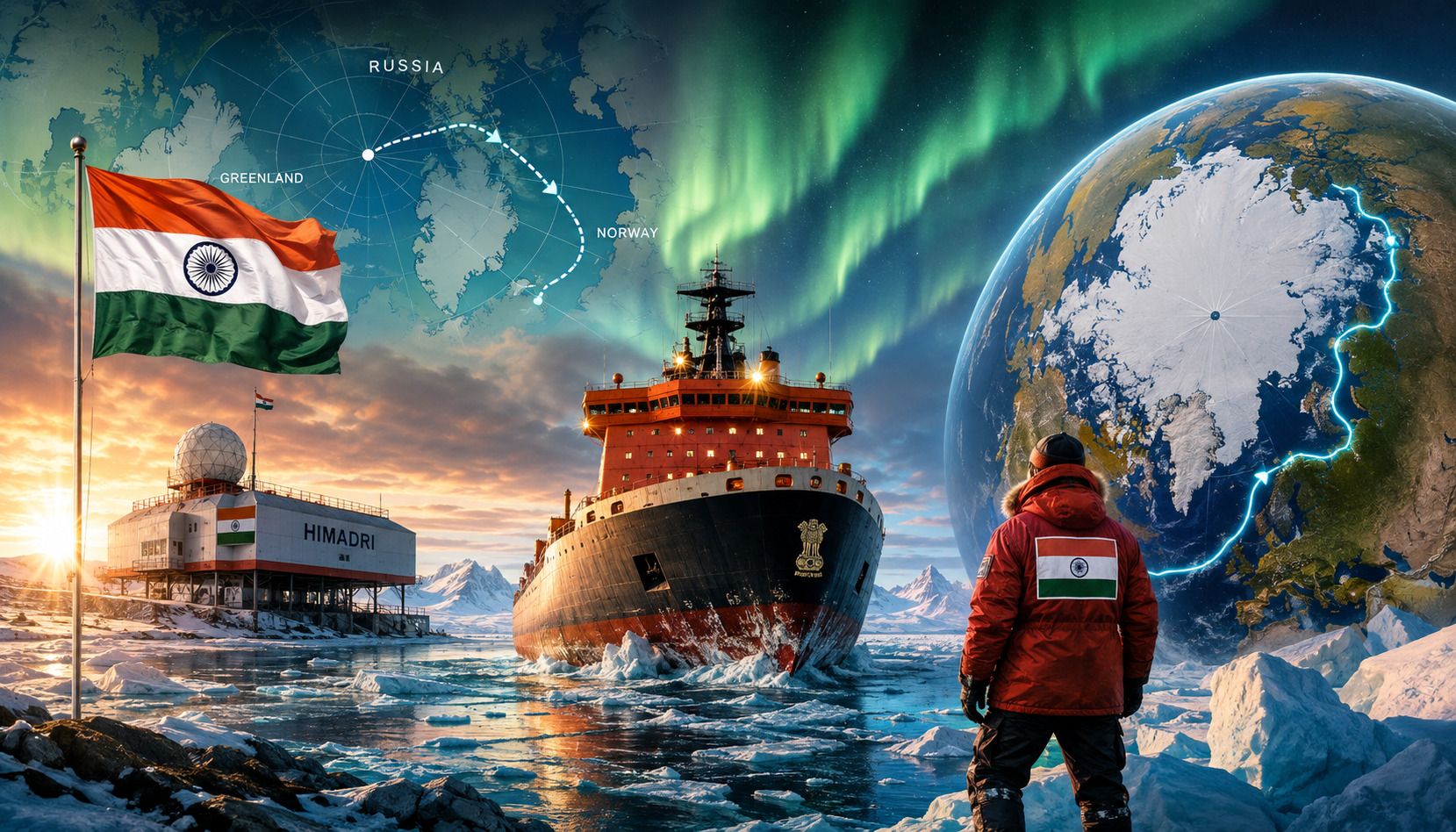
The Arctic is the icy area around the North Pole.
The ice there is melting faster than anywhere else on Earth because of climate change.
When the ice melts, new sea routes open up so ships can travel shorter distances.
A group of Indian leaders, called a parliamentary committee, made an important report about this region.
They said India should have a special ambassador for polar places.
They also want India to become a full member of the Arctic Council, a group of countries interested in the Arctic.
India already has a small research station there called Himadri, where scientists study the ice.
Melting Arctic ice can also change the monsoon rains that help Indian farmers.
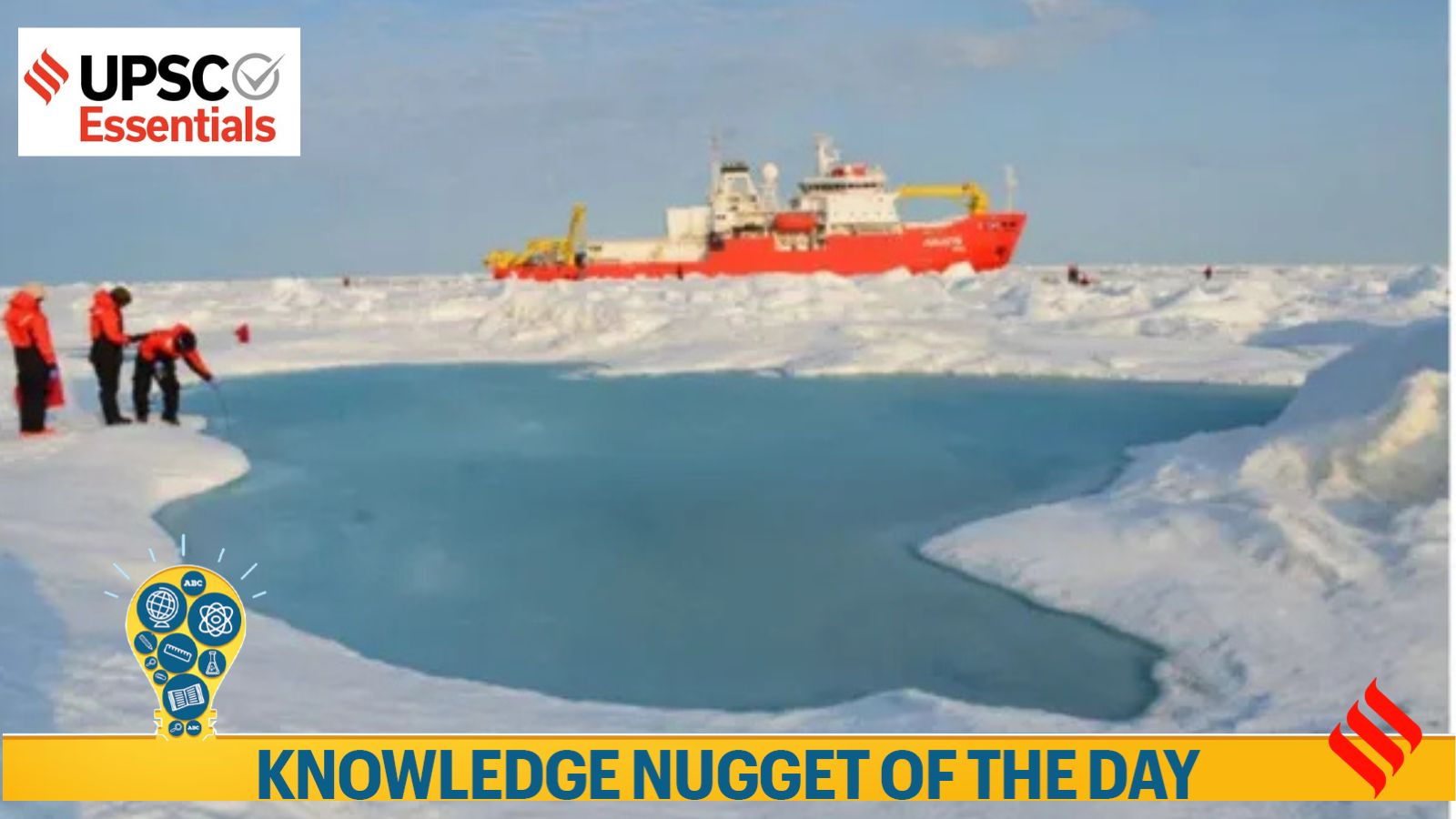
The committee says India should buy its own icebreaker ships to explore and work in the Arctic.
That would help India become a bigger player in the region.

On 30 July 2026, the Standing Committee on External Affairs tabled a report on India's role in the Arctic and Antarctic in the Lok Sabha.
The committee recommended appointing a 'polar ambassador' and seeking full member status of the Arctic Council.
It also urged a quadrilateral agreement among India, Japan, Singapore and South Korea and the purchase of polar research vessels.
The Northern Sea Route is expanding, with a record 103 transit voyages carrying about 3.2 million tonnes of cargo in 2025.
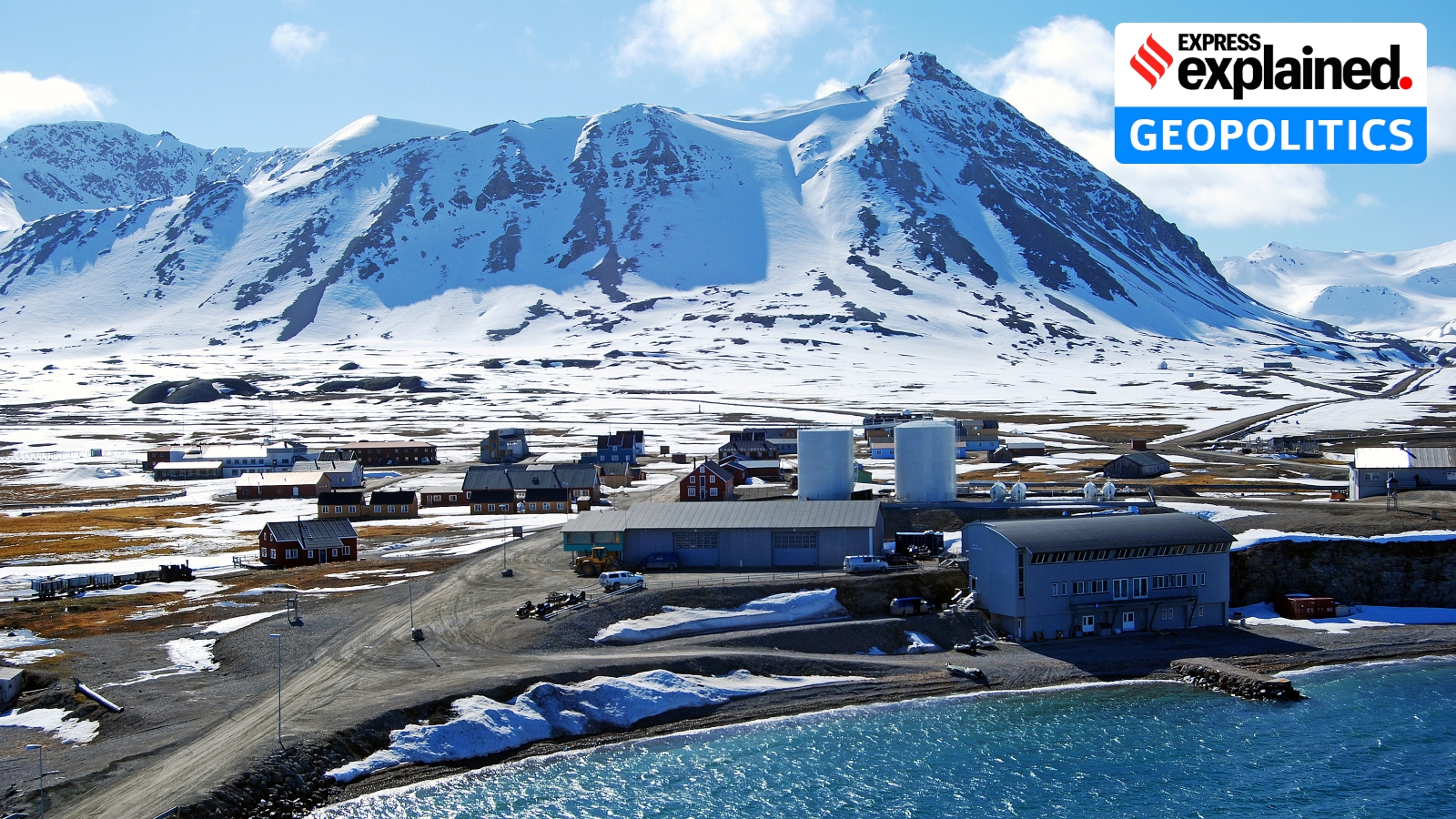
India's Arctic engagement dates to the 1920 Svalbard Treaty, and it operates the Himadri research station in Svalbard.
- Who
- India's Parliamentary Standing Committee on External Affairs, chaired by Congress MP Shashi Tharoor.
- What
- Urged India to appoint a polar ambassador, seek full Arctic Council membership, buy polar research vessels, and deepen Arctic cooperation.
- Where
- India; the report covers India's role in the Arctic and Antarctic regions.
- When
- The report was tabled in the Lok Sabha on 30 July 2026 during the Monsoon Session.
- Why
- Because the Arctic is warming several times faster than the global average, the Northern Sea Route is opening up, and Arctic ice loss is reshaping the Indian monsoon.
Russia-first approach
Democracy-first approach
Arctic partnership with Russia
Russia-first approach
India should deepen Arctic cooperation with Russia to secure access to the Northern Sea Route and maintain strategic autonomy, keeping open a channel that almost no other major democracy still has.
Democracy-first approach
India should coordinate more closely with fellow democracies such as Japan and Norway instead of building its Arctic strategy around Russia, which the other seven Arctic Council states have largely cut off.
Climate zone vs. resource zone
Russia-first approach
Treat the Arctic primarily as a climate zone, using India's BRICS presidency to champion Global South concerns such as monsoon impacts and fairer access to polar resources.
Democracy-first approach
Treat the Arctic as a strategic and commercial theatre, shifting from buyer to partner by taking equity stakes in Arctic oil and gas projects like Vostok and Arctic LNG-2.
Key facts
- Committee
- Standing Committee on External Affairs
- Chairperson
- Shashi Tharoor (Congress MP)
- Report title
- India's Role and Presence in the Arctic and Antarctic Regions
- Tabled
- Lok Sabha, 30 July 2026
- Key recommendations
- Appoint a polar ambassador; seek full Arctic Council membership
- India's polar station
- Himadri, Svalbard (operational since July 2008)
- Arctic warming rate
- 3-4 times faster than the global average (WMO, NOAA)
- NSR transit cargo 2025
- Record 103 voyages, ~3.2 million tonnes
Sources
Related news
India must craft a clear Arctic narrative, parliamentary panel says
India Seeks Full Arctic Council Membership, Polar Ambassador
Russia Says India, China Are Most Productive Arctic Partners

India, Russia Discuss Deeper Northern Sea Route Cooperation, MEA Says
Putin Says India Shows Growing Interest in Northern Sea Route
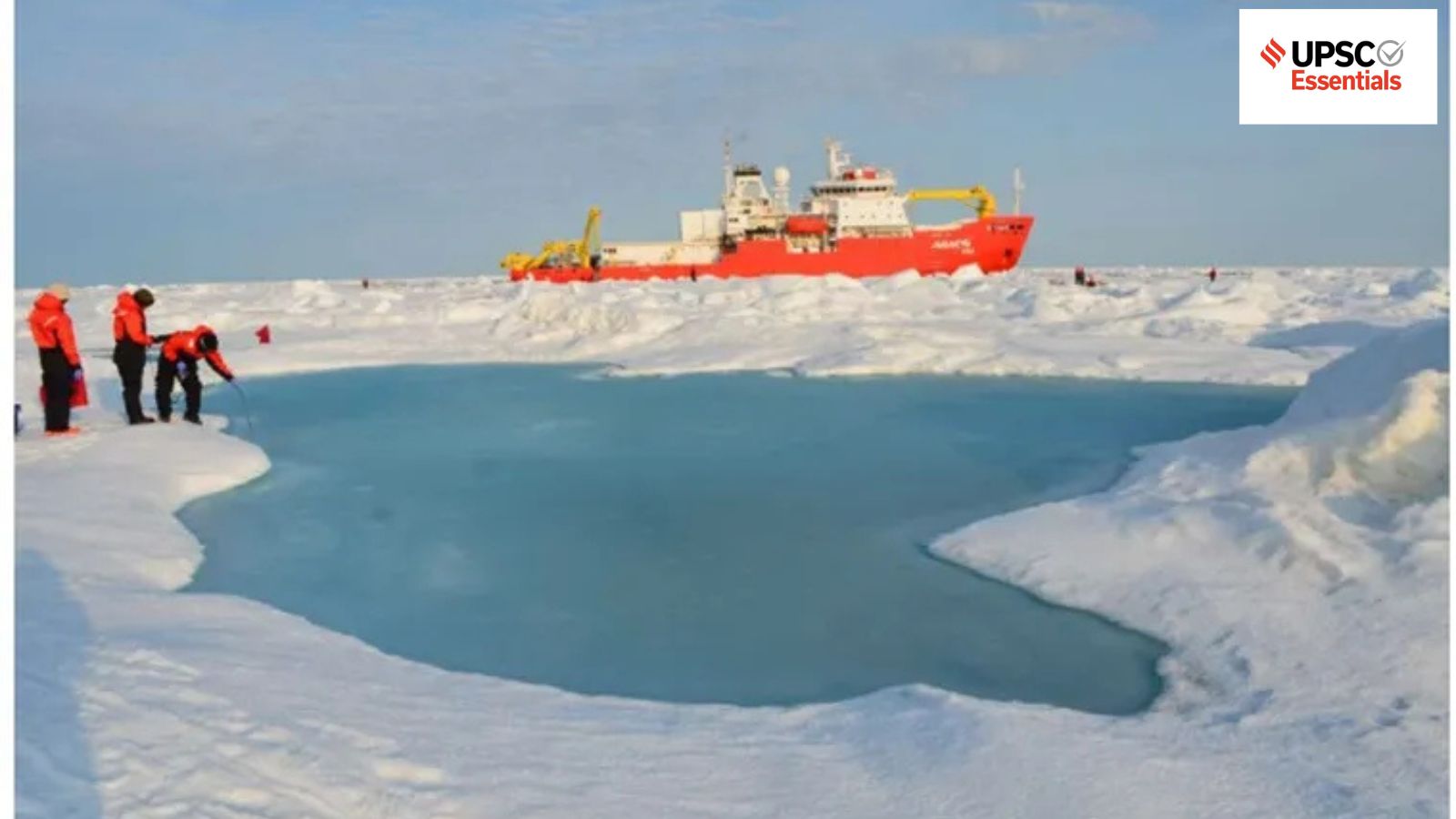
UPSC practice probes India's Arctic policy and GeM procurement reforms
Goyal Defends India’s 7.8% GDP Growth Amid Data Debate

Manipur Census Deferment Welcomed as Step Toward Public Aspirations
UPSC Key Covers SCO, Electoral Rolls, Economy, Defence and Climate
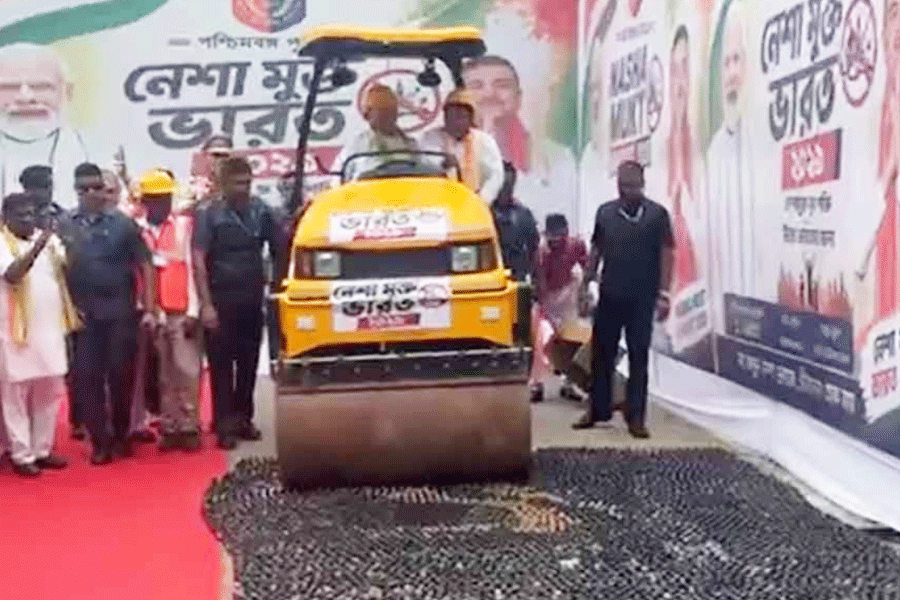
West Bengal CM Crushes Nearly 2 Lakh Seized Syrup Bottles

Modi Highlights India’s Growing Avocado Market and Farmer Gains