1 week ago
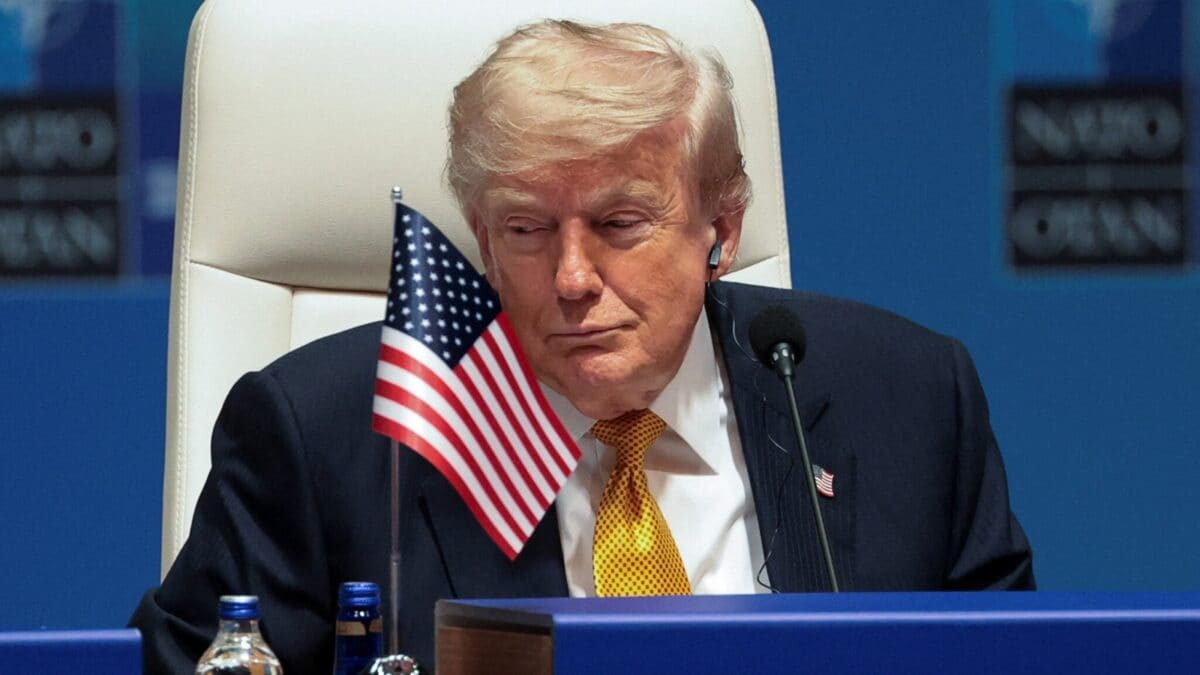
Iran vows resistance as US expands sanctions and seeks talks

The United States added new economic punishments against Iran.
These sanctions are meant to make it harder for Iran to trade and earn money.
Iran said it would resist and might respond if its infrastructure is attacked.
Iranian officials also said the United States may want to restart talks.
Pakistan tried to help the two countries communicate.
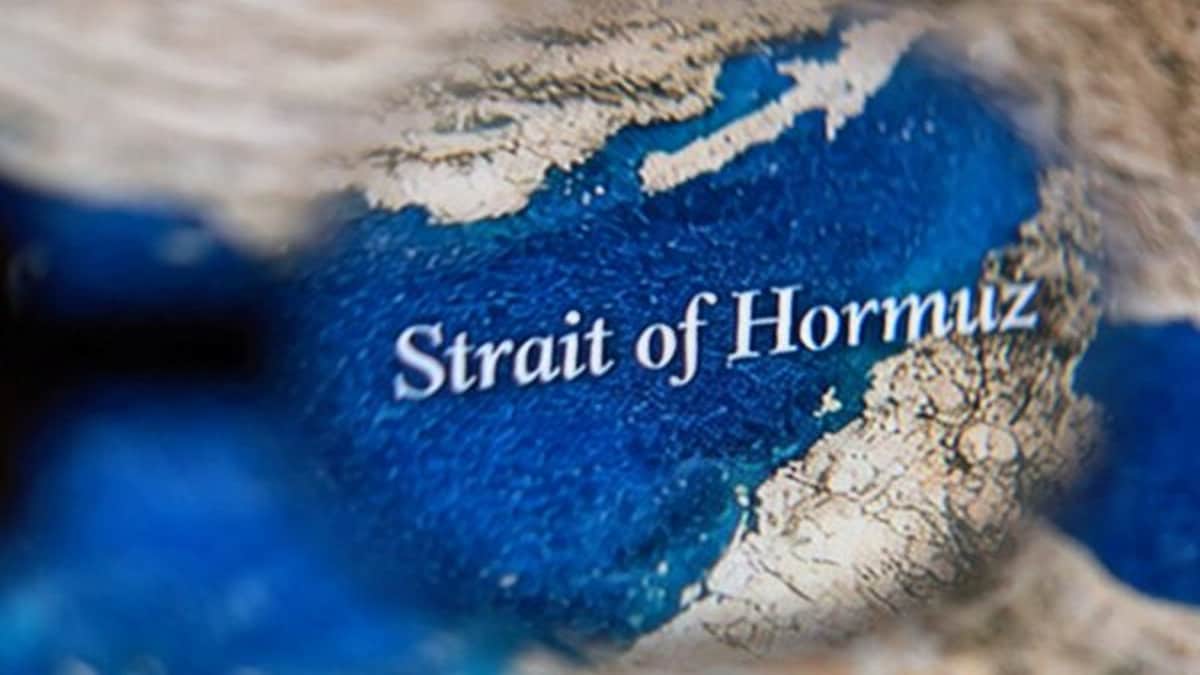
The talks focused on reducing fighting and reopening the Strait of Hormuz.
A tanker was hit near the strait, where much of the region’s oil passes.
The situation remains tense even though major strikes have paused for weeks.

The United States sanctioned 60 individuals, entities and vessels linked to Iran, but did not target Chinese financial institutions.
Iranian officials said Tehran would resist the measures and warned of attacks if its infrastructure or interests were threatened.
Iran said a message from Washington was delivered through Pakistan’s army chief, possibly aimed at reviving negotiations.
Pakistan said its mediation with Iran made significant progress toward preventing escalation and reopening the Strait of Hormuz.
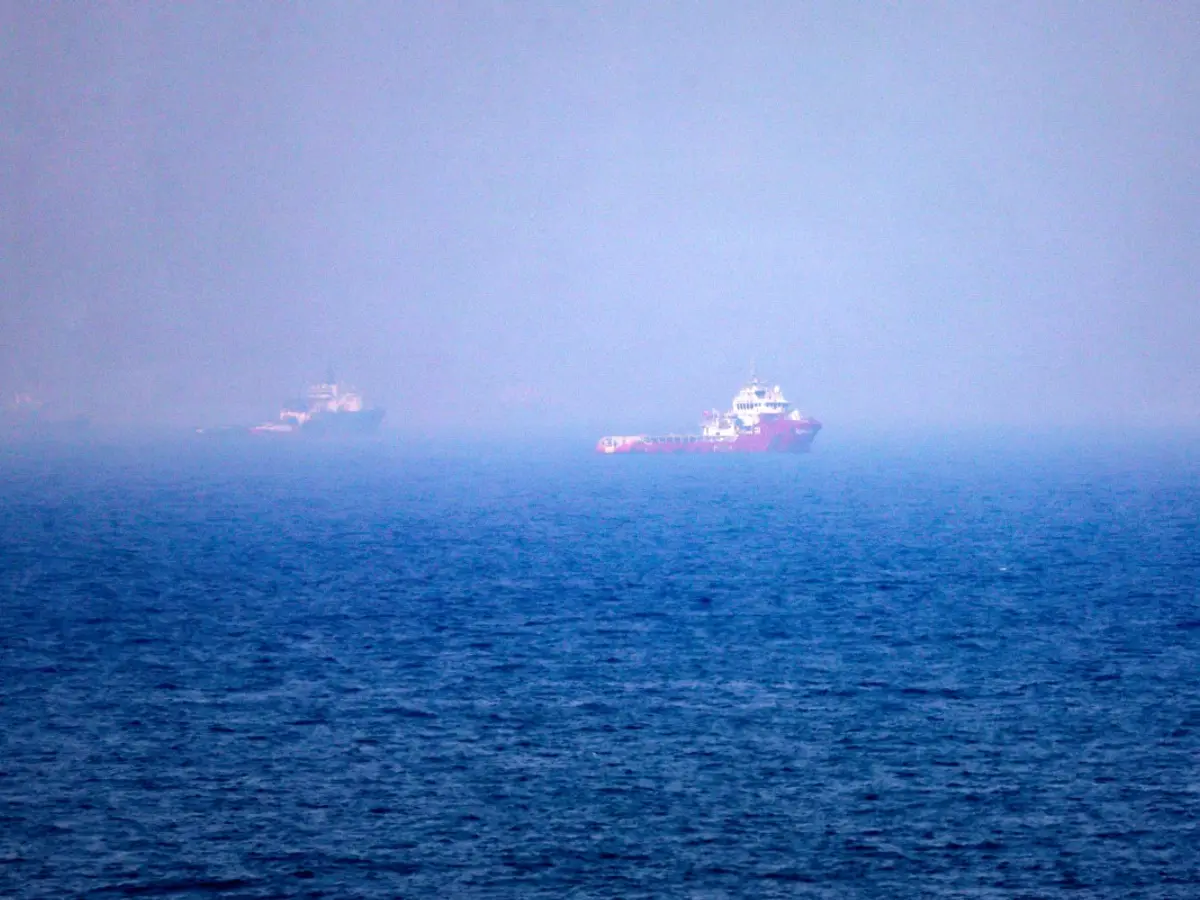
An oil tanker was struck near the Strait of Hormuz as oil traffic remained far below prewar levels.
- Who
- The United States, Iran and Pakistan are the main parties, with China also affected by the sanctions policy.
- What
- The United States expanded sanctions on Iran while diplomatic efforts sought to revive talks and reduce tensions.
- Where
- The developments involved Iran, Washington, Pakistan, China and the Strait of Hormuz near Oman.
- When
- The sanctions were announced Monday, and the tanker incident and related statements were reported Tuesday, August 25.
- Why
- The United States said the sanctions were intended to isolate Iran’s economy; diplomatic efforts focused on preventing escalation and reopening the Strait of Hormuz.
Iran and its partners
United States and allies
Economic pressure
Iran and its partners
Iran said it would resist the expanded sanctions and expressed confidence that China, Russia and other trading partners would reject or resist the measures.
United States and allies
The United States said no one was beyond the reach of its sanctions and sought to further isolate Iran’s economy.
Diplomatic talks
Iran and its partners
Iranian officials said Washington appeared interested in reviving the stopped political process, while Pakistan reported constructive mediation efforts.
United States and allies
The United States imposed new sanctions during the continuing conflict, although Treasury Secretary Scott Bessent did not identify a timetable for further action.
Military escalation
Iran and its partners
Iranian officials warned of attacks against US interests and energy chokepoints if Iran’s infrastructure were threatened.
United States and allies
The United States and Israel have sought to eliminate Iran’s nuclear program, while the conflict has continued to affect energy shipping and regional security.
Key facts
- New US sanctions
- The Treasury Department sanctioned 60 individuals, entities and vessels.
- Chinese institutions
- The sanctions list did not include Chinese financial institutions suspected of facilitating Iran’s oil trade.
- Iranian oil transit
- About 5 million barrels per day moved through the Strait of Hormuz on Monday, compared with more than 20 million before the war.
- Tanker incident
- An oil tanker was struck by an unidentified projectile about 9 nautical miles northeast of Oman’s Ash Shishah.
- Mediation
- Pakistan said talks with Iran made significant progress on preventing escalation and reopening the Strait of Hormuz.
- US-Iran agreement
- An interim deal signed in June aimed to end the conflict but quickly faltered.
- China’s position
- China said its cooperation with Iran follows international law and should not be disrupted.
Quotes

Ali Madanizadeh
Iranian economy minister
“Our defense is no longer so defensive; the enemies should wait for an attack”
 theprint.in
“It seems the main goal was to revive the stopped political process”
theprint.in
Sources
Related news
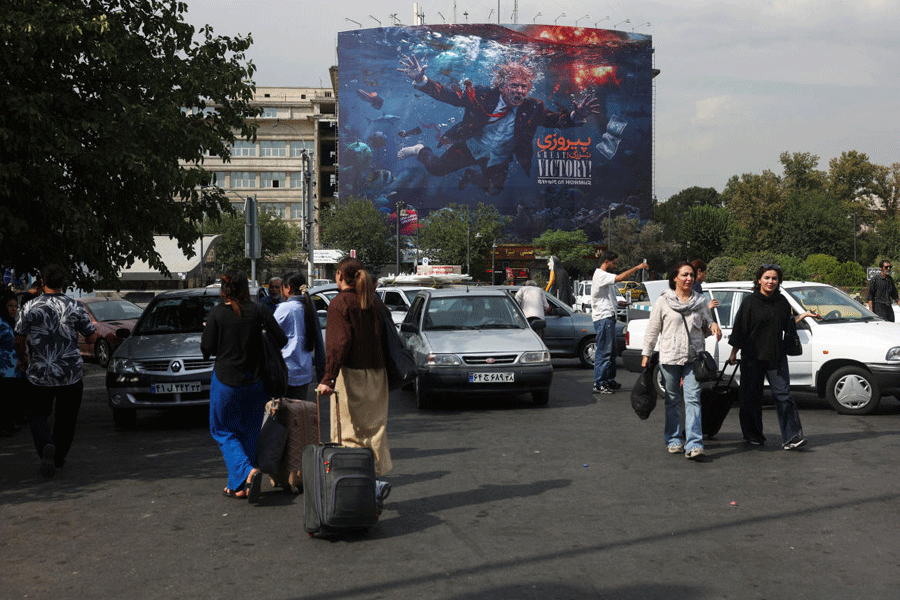
Iran Vows Retaliation After US Widens Sanctions, Threatens Partners
U.S. Plans Broader Iran Sanctions Amid Escalating Economic Conflict
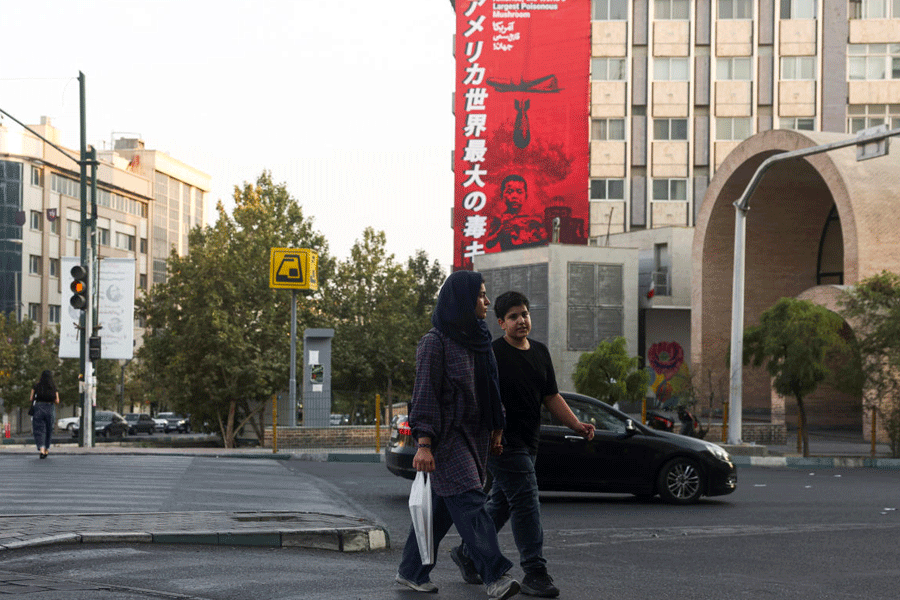
U.S. and Iran Trade Threats Ahead of New Sanctions
US Prepares Tough Iran Sanctions as Pakistan Seeks Mediation

Iran Vows Devastating Response to US Toughest-Ever Sanctions

Iran War Updates: Sanctions, China Defiance, Oil and Diplomats
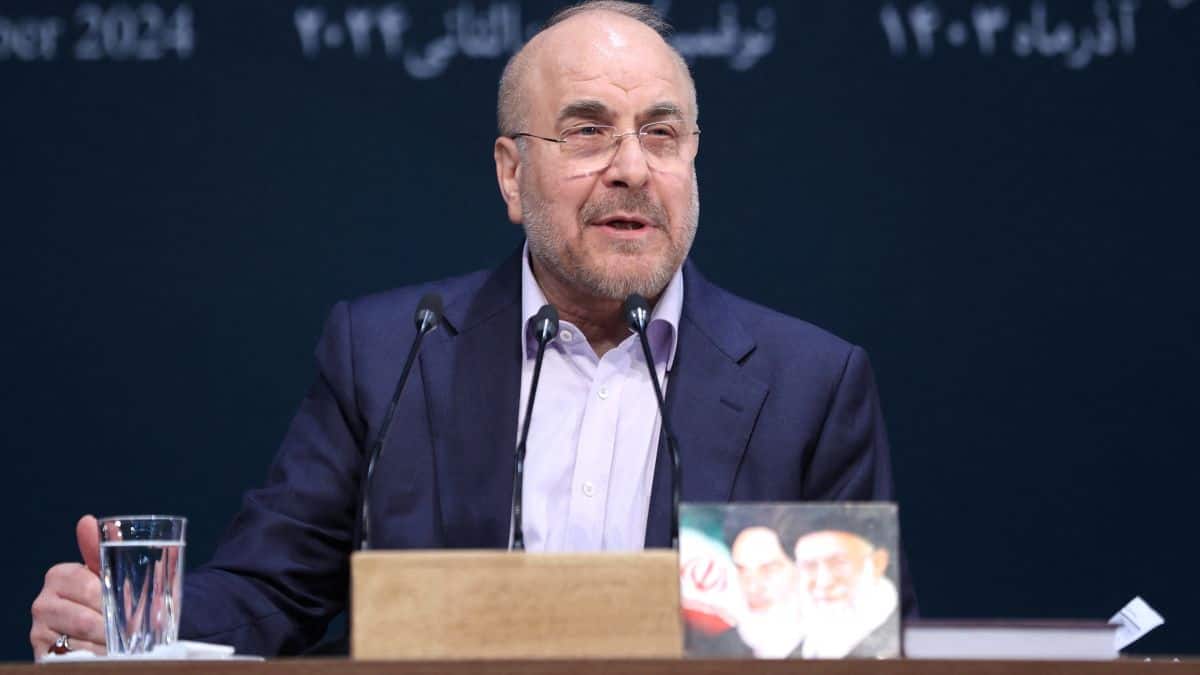
Iran Seizes Fuel-Smuggling Vessel in Gulf, Arrests 11 Crew
Trump Floats Renaming Strait of Hormuz as “Trump Strait”

Chevron Plans $7 Billion Venezuela Expansion Amid U.S. Oil Push
Saudi Tanker Hit in Hormuz, Killing Two Filipino Sailors
U.S.-Iran Exchange Escalates Across Middle East, Markets Slide