1 week ago
U.S. Plans Broader Iran Sanctions Amid Escalating Economic Conflict

The United States plans to announce tougher financial penalties against people and businesses that trade with Iran.
These penalties could make it harder for them to use the U.S. dollar financial system.
The measures may affect oil companies, banks, shippers and other businesses.
China buys much of Iran’s oil and may oppose the new restrictions.
Iran says it could stop oil exports from the Gulf if the economic pressure continues.
Iran also warned ships about traveling through the Strait of Hormuz.
A tanker near Saudi Arabia was hit by a projectile and caught fire, according to maritime monitors.
Pakistan’s army chief visited Iran to discuss regional peace and possibly renewed negotiations.
Oil prices fell slightly as investors awaited the U.S. announcement.

The United States is expected to expand secondary sanctions against entities and countries maintaining economic ties with Iran.
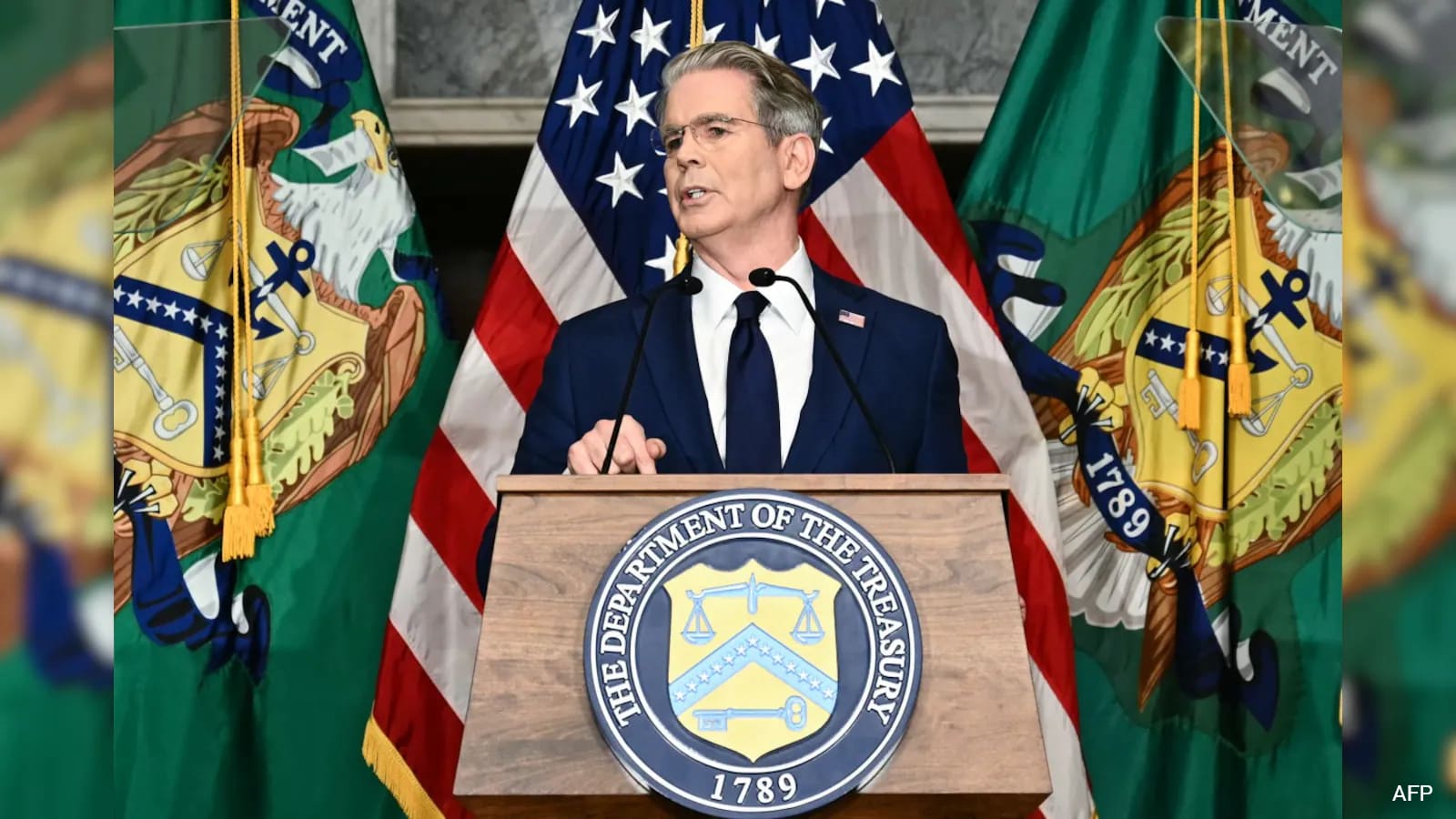
Treasury Secretary Scott Bessent said the measures could target oil shippers, purchasers, currency exchangers, banks and aviation businesses.
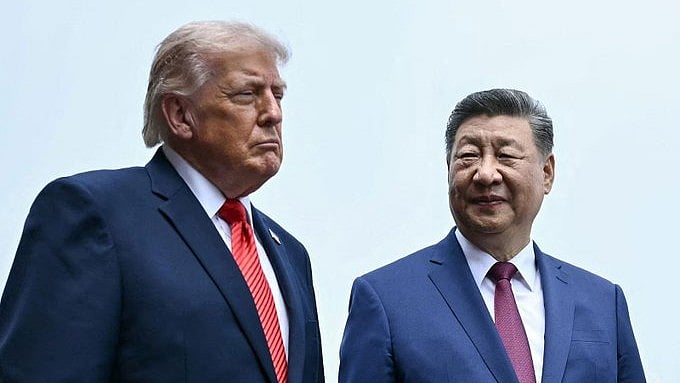
China, Iran’s largest oil buyer for several years, warned that pressure tactics do not help and vowed to protect its interests.
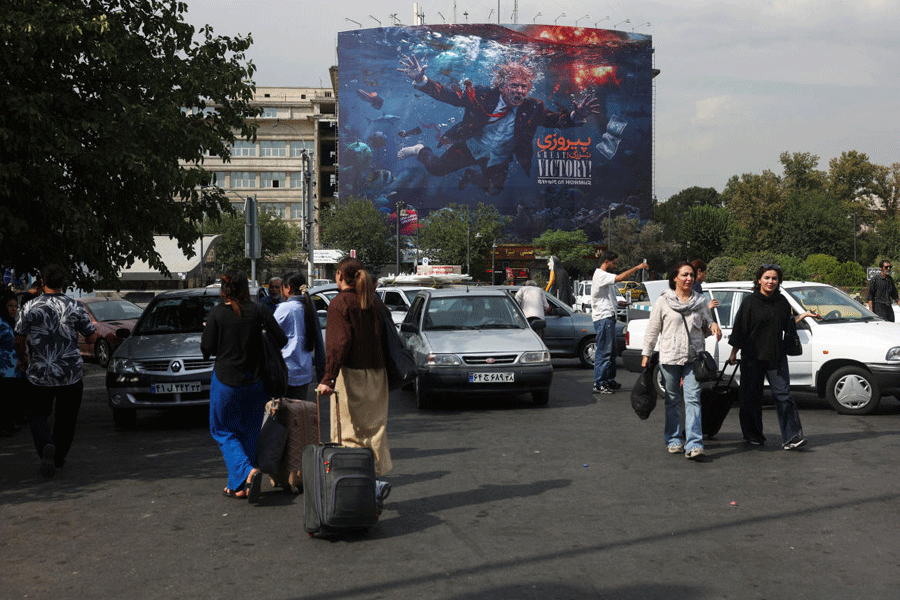
Iran threatened to halt Gulf oil exports and tighten restrictions on shipping through the Strait of Hormuz.
Pakistan’s army chief Asim Munir traveled to Iran for talks described by Pakistan as efforts to promote regional peace and stability.
- Who
- The United States, Iran, China, Pakistan and businesses linked to Iran’s economy are central to the report; Treasury Secretary Scott Bessent is expected to announce the measures.
- What
- The United States is expected to broaden secondary sanctions and warn countries and companies to reduce economic ties with Iran.
- Where
- The measures concern Iran’s international trade and dollar-based financial system; related developments occurred in Pakistan, the Strait of Hormuz and near Yanbu, Saudi Arabia.
- When
- The announcement was expected at 1 p.m. local time, or 1700 GMT, on Monday, August 24; the year is not specified in the article.
- Why
- Washington says it wants to intensify economic pressure on Iran and penalize entities supporting its oil trade, financial system and imports.
U.S. Position
Iranian and Chinese Responses
Purpose of sanctions
U.S. Position
Washington says broader secondary sanctions will pressure Iran by targeting economic and financial connections, including oil, shipping and banking networks.
Iranian and Chinese Responses
Iran rejects the threat and says continued economic pressure could provoke stronger restrictions on shipping and a halt to Gulf oil exports.
China’s economic ties
U.S. Position
The United States wants countries and companies to reduce dealings with Iran, while officials have previously sought cooperation from China.
Iranian and Chinese Responses
China says sanctions and pressure tactics are unhelpful and that it will take necessary steps to protect its interests.
Regional security
U.S. Position
The United States is pursuing economic pressure while seeking to bring Iran back to negotiations; Pakistan’s army chief was reported to be involved in related diplomatic efforts.
Iranian and Chinese Responses
Iran has warned of military retaliation and tighter controls around the Strait of Hormuz, while a Houthi spokesperson claimed responsibility for an attack on a vessel near the Red Sea.
Key facts
- Expected announcement
- U.S. Treasury Secretary Scott Bessent was expected to outline measures at 1 p.m. local time, or 1700 GMT.
- Potential targets
- Oil shippers, purchasers, currency exchangers, banks, aviation businesses and other entities maintaining economic ties with Iran.
- China’s role
- China has been Iran’s biggest oil buyer for several years, according to the report.
- U.S. warning
- Businesses dealing with Iran could be cut off from the dollar-based financial system.
- Iranian response
- Iran threatened to shut down Gulf oil exports if the economic pressure continues.
- Shipping threat
- Iran warned ships not to pass through the Strait of Hormuz without permission and listed 45 vessels it said had violated its rules.
- Regional diplomacy
- Pakistan’s army chief Asim Munir visited Iran for talks linked to regional peace and efforts to return Iran to negotiations.
Quotes

Scott Bessent
U.S. Treasury secretary who outlined the expected sanctions campaign in a Financial Times opinion piece
“an economic D-Day — the single greatest financial offensive ever marshalled against an adversary”
 theprint.in
Sources
Related news
US Expands Iran Sanctions, Threatening Partners With Dollar Cutoff
Iran Vows Retaliation After US Widens Sanctions, Threatens Partners
China Rejects US Sanctions Threats Over Iran Trade
US Threatens Toughest Sanctions Yet as Iran Condemns Economic Warfare
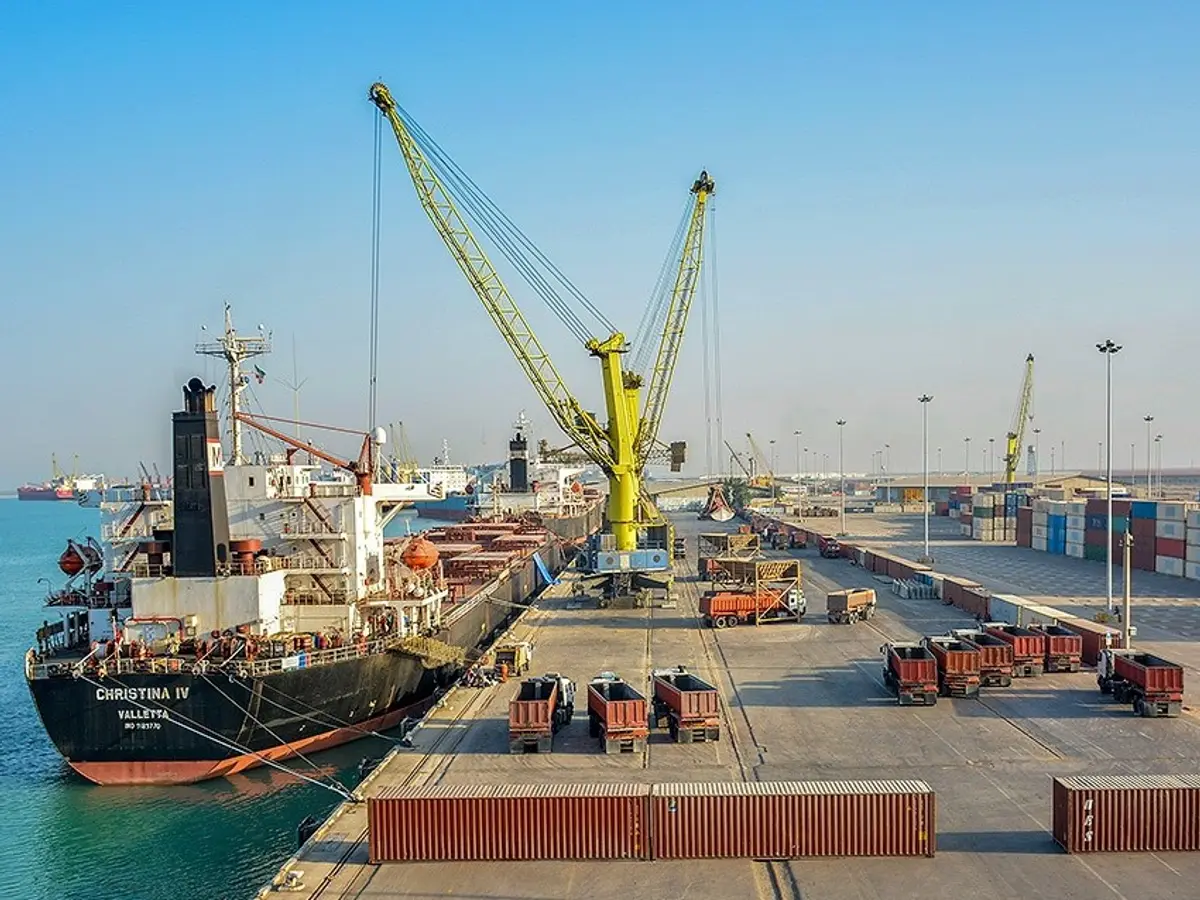
US Launches Operation Economic Outcast, Warning Iran Trade Partners

Bessent Warns Iran Trading Partners Amid Escalating Economic Pressure

Chevron Plans $7 Billion Venezuela Expansion Amid U.S. Oil Push
Saudi Arabia Says Iranian Tanker Attack Killed Two Sailors
U.S.-Iran Exchange Escalates Across Middle East, Markets Slide
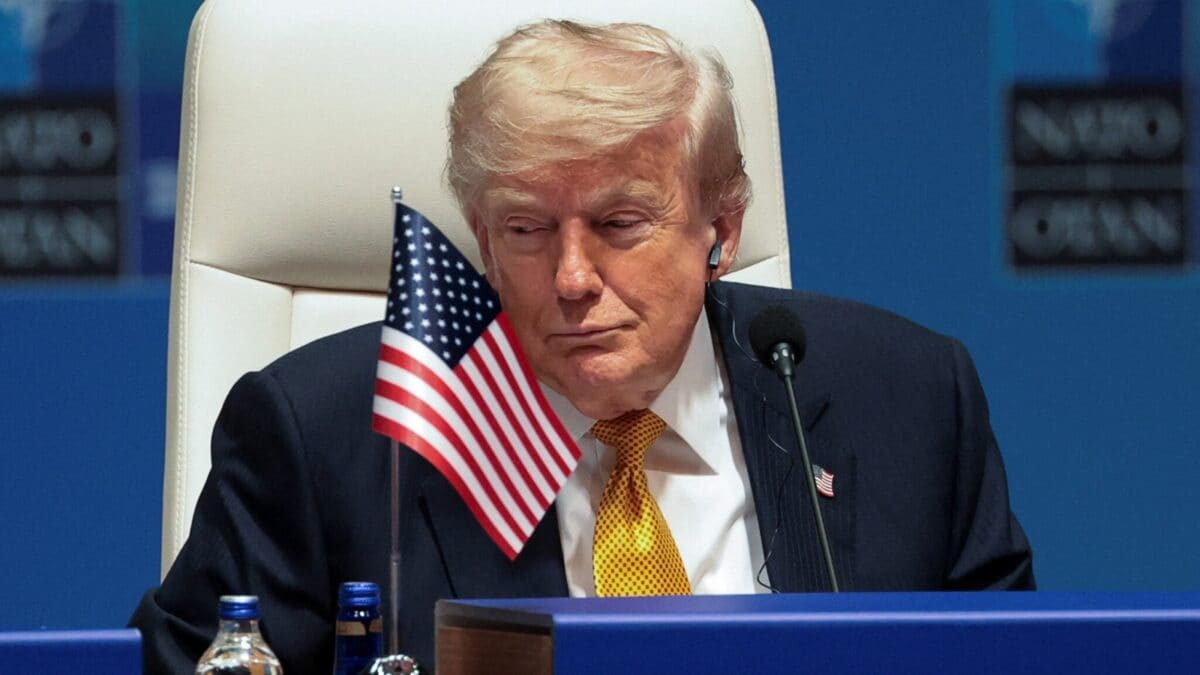
Trump Aides Seek Quiet Iran War Before Midterm Elections
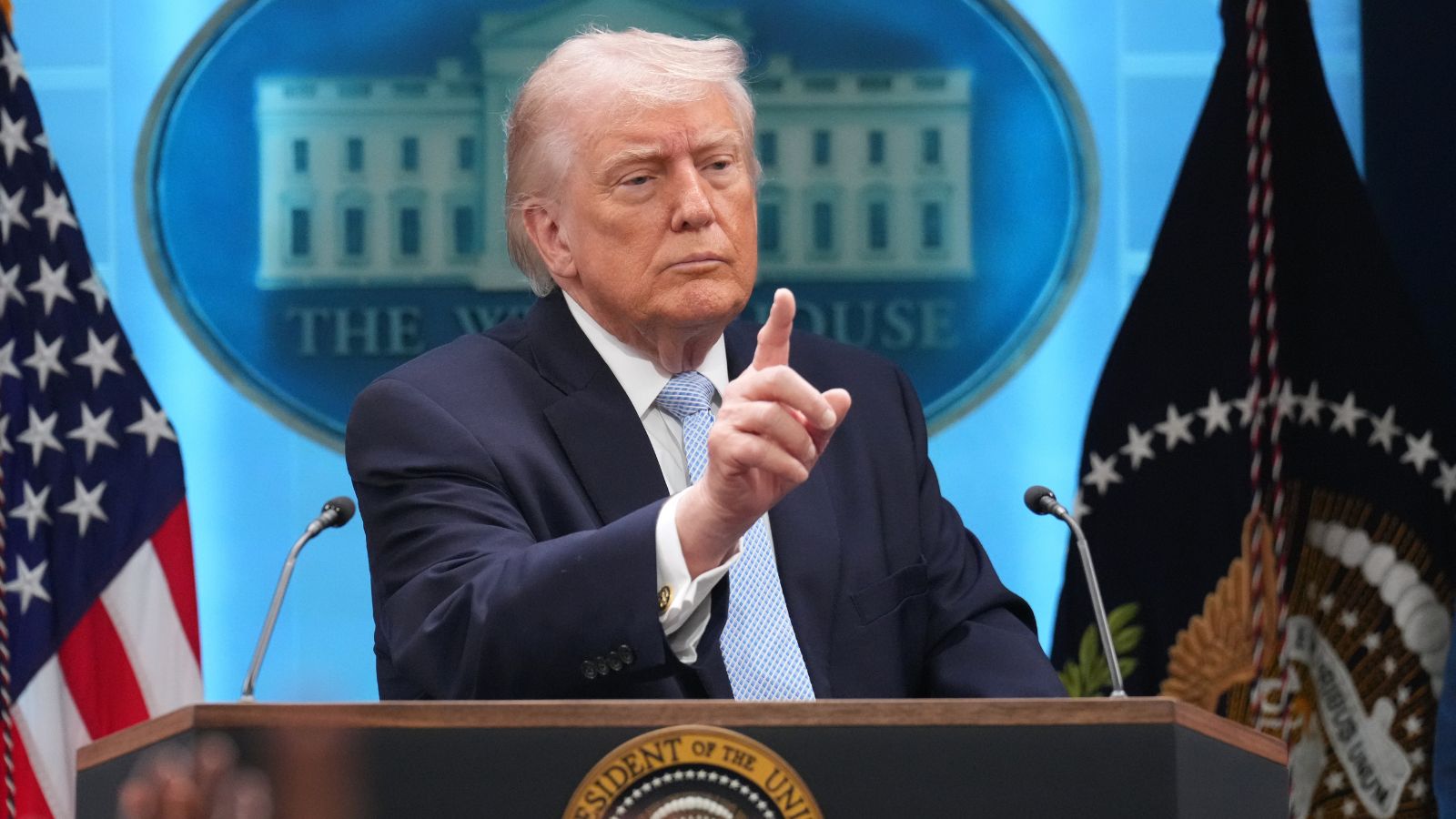
US Warns Middle East Travelers Amid Escalating Iran-Linked Tensions