1 week ago
Iran War Updates: Sanctions, China Defiance, Oil and Diplomats

The United States has imposed new economic sanctions connected to Iran.
Iran’s parliamentary speaker criticized the sanctions and mocked the language used to describe them.
An Iranian official said the pressure could affect more than just Iran.
China also objected to the sanctions because it has important economic ties with Iran.
China said it would protect its interests.
Oil prices in the United States fell after Iran said it had resumed talks with Oman about the Strait of Hormuz.
That waterway is important because large amounts of oil and gas pass through it.
The United States is also sending some diplomats and other staff back to Middle Eastern posts that were previously reduced or evacuated.

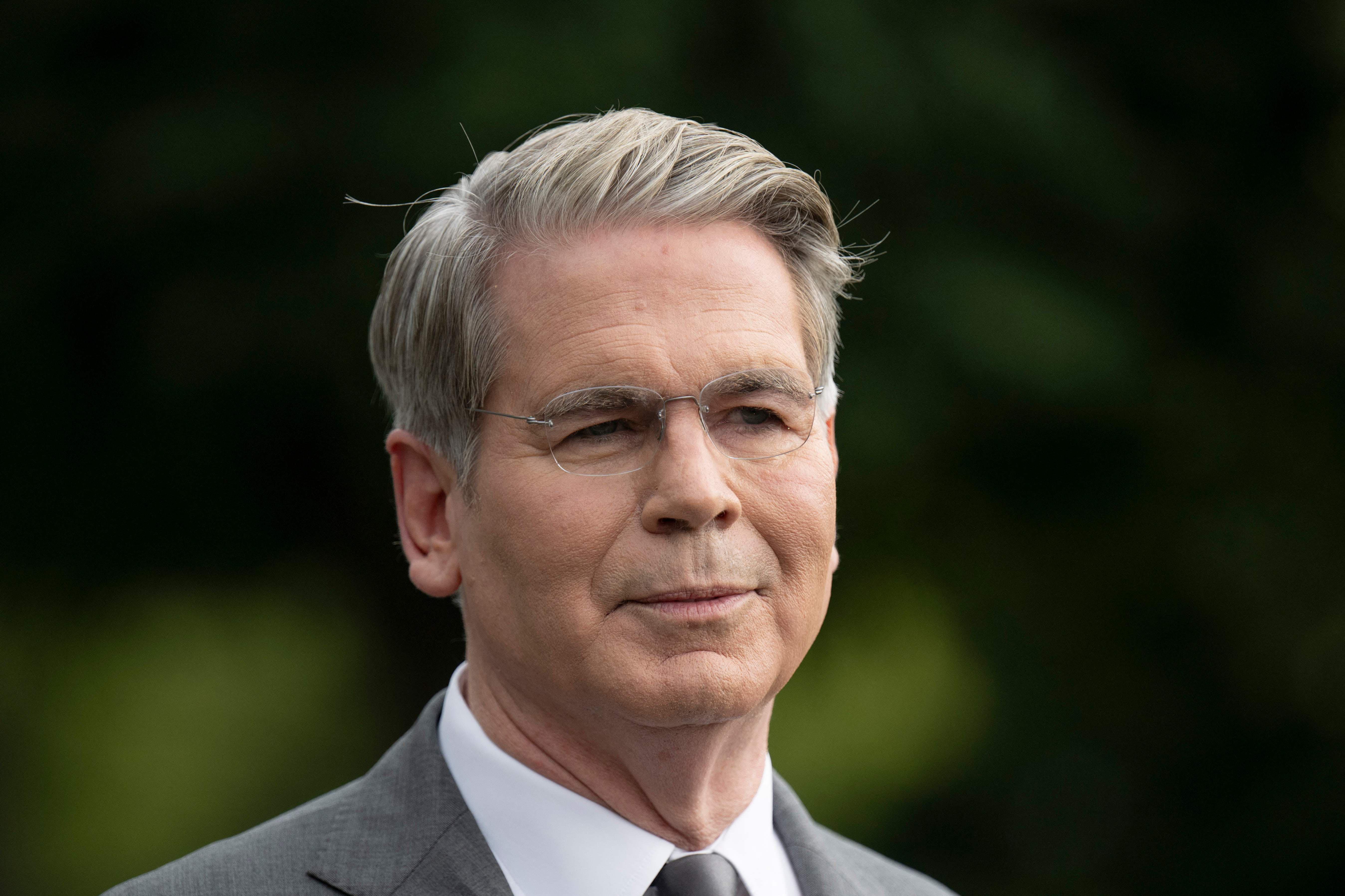
Iranian parliamentary speaker Mohammad Bagher Ghalibaf mocked United States sanctions described by Treasury Secretary Scott Bessent as an “Economic D-Day.”
Iranian Foreign Ministry spokesperson Esmaeil Baghaei accused United States President Donald Trump’s administration of applying economic pressure beyond Tehran.
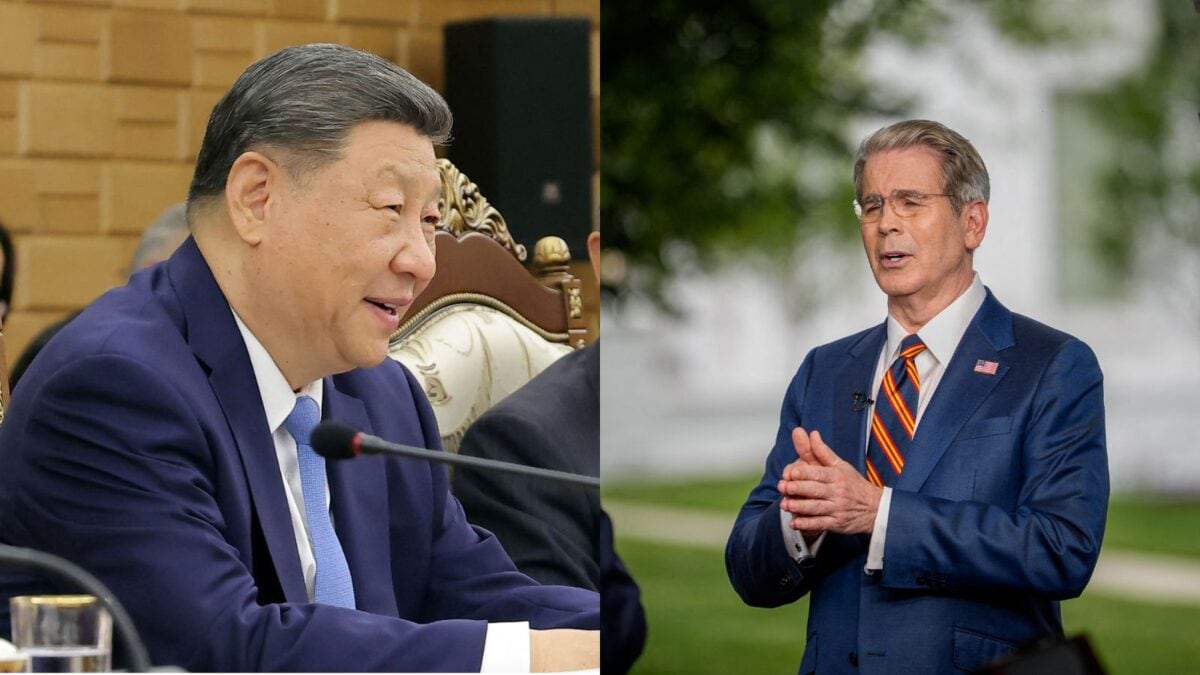
China said its relationship with Iran should not be disrupted and vowed to take necessary measures after United States sanctions targeted Chinese entities.
United States West Texas Intermediate crude fell 1.7% as hopes grew that talks could help reopen the Strait of Hormuz.
The United States began returning personnel to diplomatic missions in Lebanon, Israel, Saudi Arabia and Baghdad after wartime evacuations.
- Who
- The governments and officials of Iran, the United States and China, along with Oman and United States diplomatic personnel.
- What
- Iran criticized United States sanctions, China rejected pressure over its ties with Iran, oil prices fell, and United States personnel began returning to some Middle Eastern missions.
- Where
- The events involve Iran, China, the United States, Oman, the Strait of Hormuz and diplomatic missions in Lebanon, Israel, Saudi Arabia and Baghdad, Iraq.
- When
- The developments were reported on Tuesday and Wednesday, with the broader conflict described as having begun in February.
- Why
- The United States is applying economic pressure to Iran and entities linked to it, while China is defending its interests and Iran and Oman are discussing management of traffic through the Strait of Hormuz.
United States Pressure
Iranian and Chinese Resistance
Sanctions and economic pressure
United States Pressure
The United States is using sanctions against Iran-linked entities and has threatened to target an unspecified major financial institution in connection with dealings with Tehran.
Iranian and Chinese Resistance
Iranian officials say the pressure extends beyond Tehran, while Ghalibaf mocked the sanctions rhetoric and criticized its potential effect on the global financial system.
China’s ties with Iran
United States Pressure
The United States is threatening sanctions against countries and entities supporting Iran, including dozens of Chinese entities.
Iranian and Chinese Resistance
China says its relationship with Iran should not be disrupted or undermined and that it will take necessary measures to protect its interests.
Strait of Hormuz management
United States Pressure
The United States is facing heightened economic pressure connected to the strategic waterway and the conflict’s effect on energy supplies.
Iranian and Chinese Resistance
Iran says it has resumed talks with Oman on managing traffic through the Strait of Hormuz, raising hopes that the waterway could reopen and easing oil-market concerns.
Key facts
- Iranian critic
- Mohammad Bagher Ghalibaf, Iran’s parliamentary speaker and chief negotiator, criticized Scott Bessent’s “Economic D-Day” sanctions.
- Chinese response
- China said its relationship with Iran should not be disrupted or undermined and promised necessary measures to safeguard its interests.
- Oil price
- United States West Texas Intermediate crude fell $1.37, or 1.7%, to $80.99 in early Wednesday trading.
- Previous oil move
- West Texas Intermediate crude fell 3.1% on Tuesday, settling at its lowest level since August 13.
- Strait of Hormuz
- The Strait handled one-fifth of global oil and liquefied natural gas shipments before the war began, according to the report.
- Diplomatic returns
- United States personnel are beginning to return to missions in Lebanon, Israel, Saudi Arabia and Baghdad, Iraq; family members may also return to Riyadh.
Quotes

Mohammad Bagher Ghalibaf
Iranian parliamentary speaker and chief negotiator
“Him: 'Economic D-Day.' Also him, five seconds later: '[lol] why would I want to blow up the global financial system?' Sir, this ain't Normandy, this is improv night, and you forgot your own script.”
 livemint.com
Sources
Related news
US Threatens Toughest Sanctions Yet as Iran Condemns Economic Warfare
Trump Seeks China’s Help for Crushing Economic Pressure on Iran

US Prepares Tough Iran Sanctions as Pakistan Seeks Mediation

Iran Vows Devastating Response to US Toughest-Ever Sanctions

US Plans Toughest Iran Sanctions, Urges China Cooperation
Iran Vows Retaliation After US Widens Sanctions, Threatens Partners
U.S.-Iran Exchange Escalates Across Middle East, Markets Slide
Trump Aides Seek Quiet Iran War Before Midterm Elections
US Warns Middle East Travelers Amid Escalating Iran-Linked Tensions

Indian Stocks Slide as Oil, Conflict and Yields Rise

Silver Rate Today: Prices Fall 0.83% Across Indian Cities