1 hr ago
Modi Launches $13.5 Billion Second Phase of Chip Mission
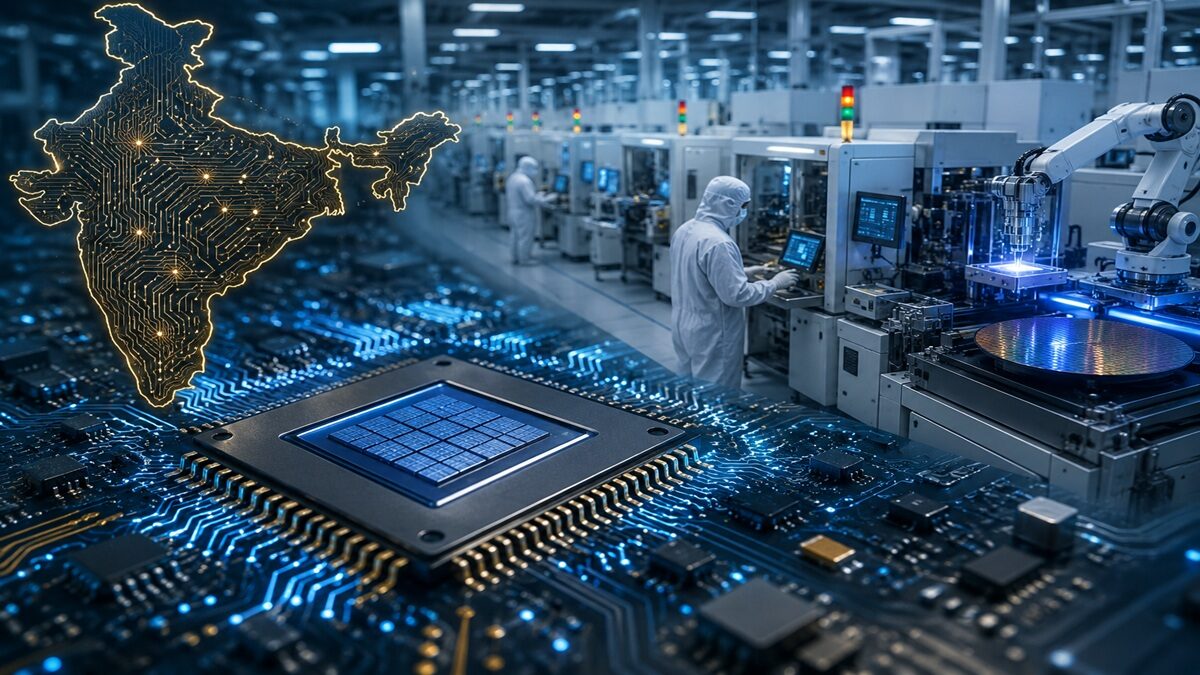
India has started the second part of its plan to build a semiconductor industry.
Semiconductors are tiny parts used in computers, phones and many other machines.
The government plans to spend about $13.5 billion in this new phase, compared with about $8 billion in the first phase.
The new plan will last 12 years and supports chip design, factories, equipment, packaging, research and worker training.
Foreign companies will be allowed to work with Indian startups and design companies.
Three projects from the first phase have already started commercial production, mostly by assembling and testing chips.
Several large companies also announced investments and partnerships in India.
The government says these efforts can create jobs and make India more important to the global chip industry.
India still imports close to 90 percent of the chips it uses.

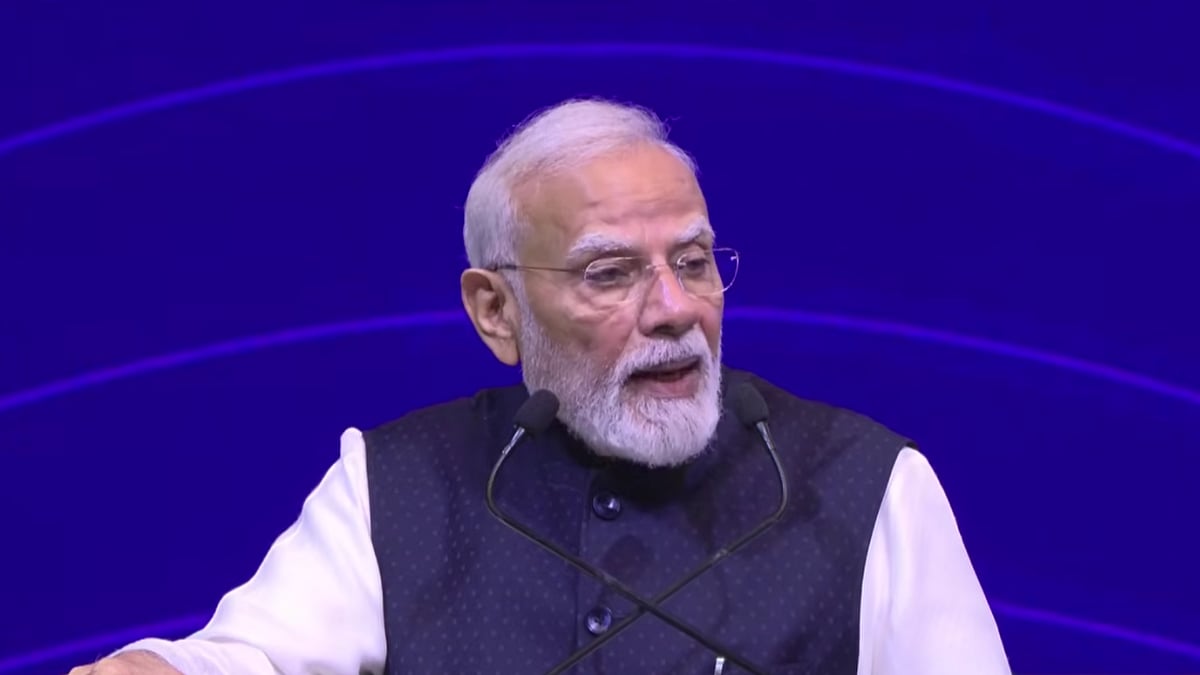
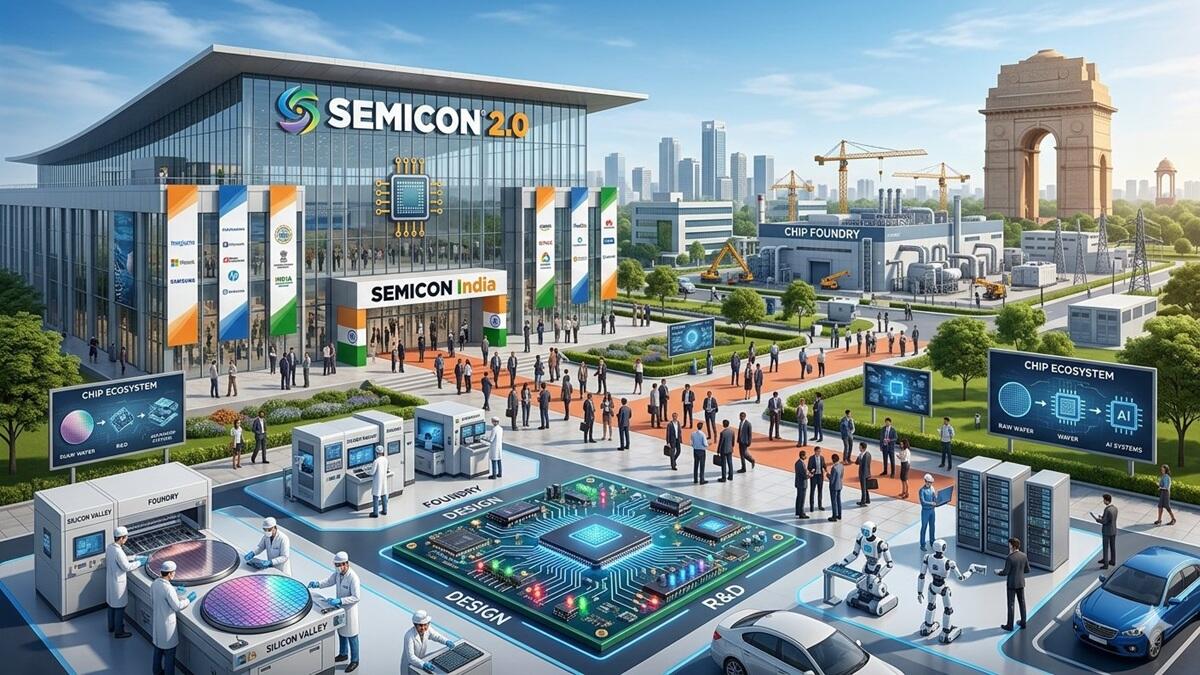
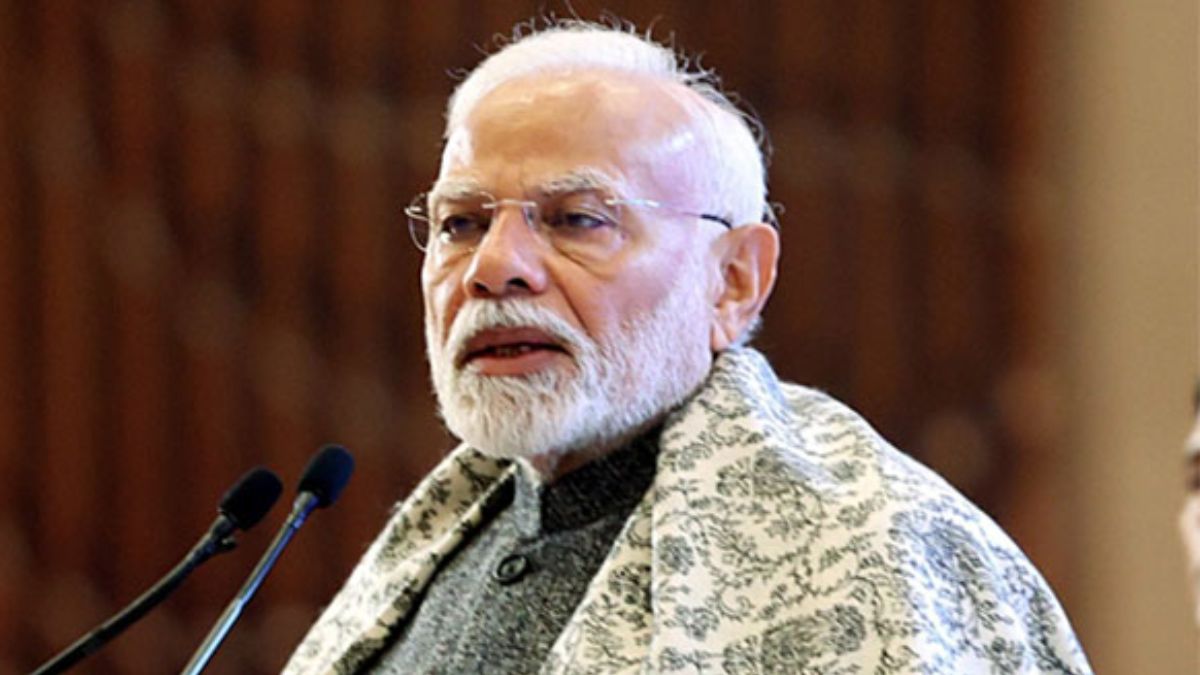
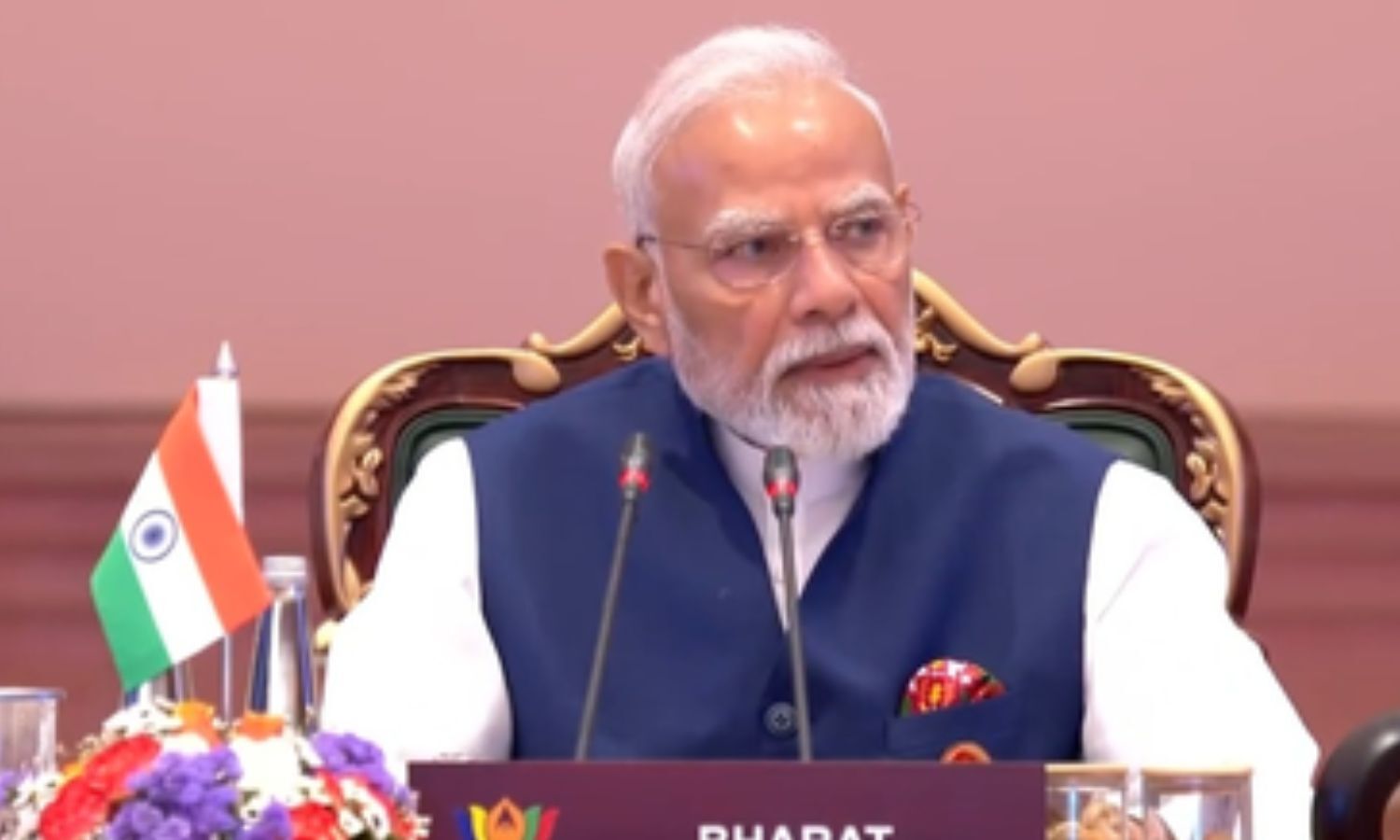
Prime Minister Narendra Modi launched Semicon 2.0 at SEMICON India 2026, increasing the mission’s planned outlay from about $8 billion to $13.5 billion.
The second phase will run for 12 years and allow international companies to partner with Indian startups, design firms and OCI-owned entities.
Three projects approved under the first phase—Micron, Kaynes Semicon and CG Semi—have begun commercial production in assembly, testing and packaging.
Electronics Minister Ashwini Vaishnaw said Semicon 2.0 will focus on six pillars: chip design, machines and materials, fabs, advanced packaging, research, and talent.
Applied Materials, Lam Research and Tata Electronics announced investment or partnership plans, while Micron said it would expand chip assembly and testing in Gujarat.
- Who
- Prime Minister Narendra Modi, the Government of India, the India Semiconductor Mission, industry companies and semiconductor-sector officials.
- What
- India launched the second phase of its semiconductor mission, called Semicon 2.0, with a planned outlay of $13.5 billion.
- Where
- Yashobhoomi in Dwarka, New Delhi.
- When
- The launch took place on September 17, 2026, during the September 17–19 SEMICON India conference.
- Why
- To expand India’s semiconductor capabilities into commercial production, strengthen the domestic chip ecosystem, develop talent and attract global investment.
Expansion and Self-Reliance
Remaining Challenges and Dependence
India’s semiconductor prospects
Expansion and Self-Reliance
Modi and industry representatives said India has rapidly advanced from building capabilities toward commercial production and is gaining global trust as a chip partner.
Remaining Challenges and Dependence
India still imports close to 90 percent of the chips it uses, and the first-phase projects producing commercially are focused on assembly, testing and packaging rather than wafer fabrication.
Scale of the new mission
Expansion and Self-Reliance
The government raised the planned outlay to $13.5 billion, extended the programme to 12 years and opened partnerships to international companies, Indian startups, design firms and OCI-owned entities.
Remaining Challenges and Dependence
The mission’s broader goals—including fabs, advanced packaging, equipment, research and large-scale workforce development—remain targets that require continued investment and execution.
Jobs and talent
Expansion and Self-Reliance
Officials said 70,000 design engineers had been trained in four years, while Tata Electronics reported more than 150,000 direct jobs and described young people as major beneficiaries.
Remaining Challenges and Dependence
The second phase still targets training one lakh factory-floor and clean-room workers, indicating that substantial workforce needs remain as the industry expands.
Key facts
- Second-phase outlay
- Approximately $13.5 billion, or Rs 1,27,500 crore.
- First-phase outlay
- Approximately $8 billion, or Rs 76,000 crore.
- Semicon 2.0 duration
- 12 years, compared with five years for the first phase.
- First-phase production
- Three approved projects—Micron, Kaynes Semicon and CG Semi—have begun commercial production in assembly, testing and packaging.
- Second-phase pillars
- Chip design; machines and materials; fabs; advanced packaging; research; and talent.
- Conference participation
- More than 600 companies from 52 countries took part, according to the second article; the first article reported more than 500 exhibitors and more than 240 international companies.
- India’s chip imports
- India imports close to 90 percent of the chips it uses, worth an estimated $30 billion annually.
Quotes

Ashwini Vaishnaw
Union Minister for Electronics and Information Technology
“India has launched the second phase of its semiconductor mission. While the first phase was valued at approximately $8 billion, we have set a target of $13.5 billion for the second phase.”
 freepressjournal.in
 theprint.in
“This year, we will assemble and test 10s of millions of chips at Sanand. Next year, hundreds of millions of chips.”
theprint.in
Sources
Related news
Modi Pitches India as Trusted Hub for Semiconductor Manufacturing

SEMICON India Charts India’s Semiconductor Ecosystem, Chip by Chip
SEMICON India 2026 Showcases India’s Expanding Semiconductor Ambitions
SEMICON India 2026 Showcases India’s Push for Resilient Chip Ecosystem
Modi Unveils India’s Semiconductor Push Amid Global Supply Risks
Ministers Praise Modi’s 76th Birthday and 25-Year Public Service Journey

How Modi-Era Policies Reshaped India’s Digital Economy

Railways Commissions 150 Gati Shakti Cargo Terminals Nationwide