

1 hr ago
Climate Change Could Threaten 70% of UK Seabirds
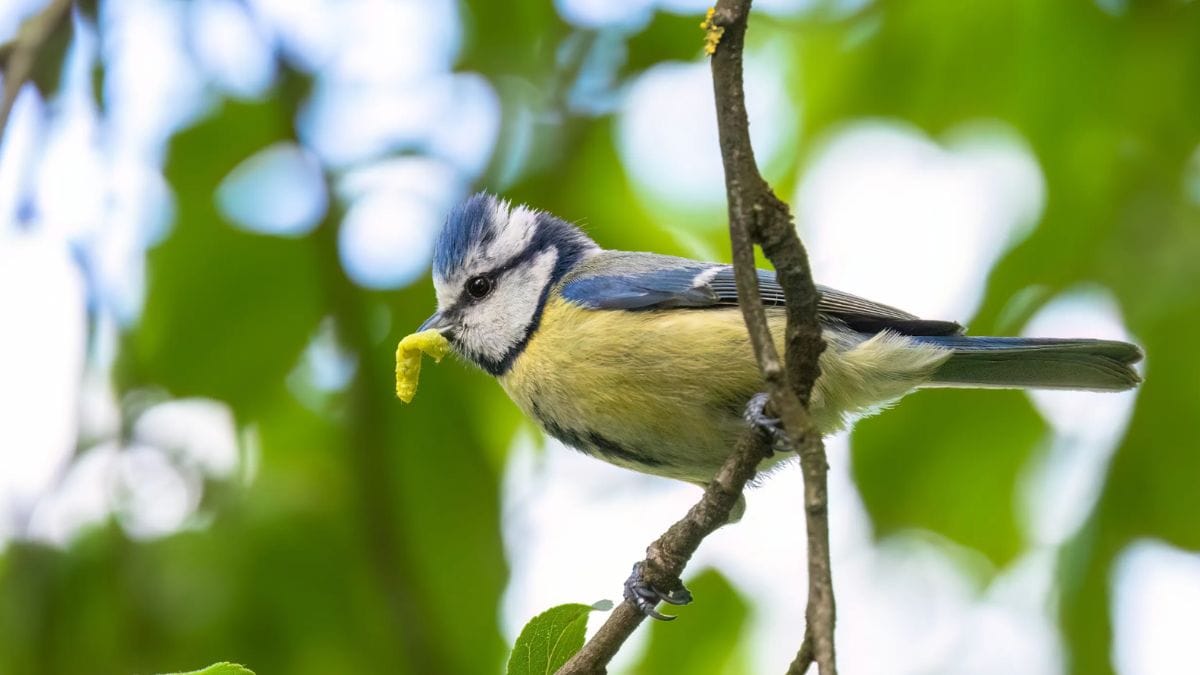
A new report says climate change is changing how birds in the United Kingdom live.
If countries do not reduce the pollution that warms the planet, nearly 70% of seabird populations could disappear by 2050.
Puffins, Fulmars, and Arctic Terns may struggle because warmer seas can reduce the food they eat.
Stronger storms may also make life harder for seabirds.
Other birds may benefit from warmer weather, such as Little Egrets.
Willow Warblers have become rarer in southern England but more common in cooler Scotland.
Changing spring weather can also cause birds and caterpillars to appear at different times.
The report says governments should act quickly and protect nature to help birds and people cope with climate change.

An RSPB report warns that high emissions could eliminate nearly 70% of UK seabird populations by 2050 without intervention.
Puffins, Fulmars, and Arctic Terns face warmer seas, reduced prey, and greater exposure to storms.
The report says global surface temperatures rose 1.1°C between 1850–1900 and 2011–2020.
Climate change is reshaping where birds breed, how they find food, and when they migrate.
Some species are benefiting or shifting range, including Little Egrets and Willow Warblers moving toward cooler Scotland.
- Who
- The Royal Society for the Protection of Birds and researchers studying UK birds and climate change.
- What
- A report warns that high emissions could cause nearly 70% of UK seabird populations to be lost by 2050 without intervention.
- Where
- The United Kingdom, including its seas and regions such as southern England and Scotland.
- When
- The projection concerns 2050; the report also compares temperatures from 1850–1900 with those from 2011–2020.
- Why
- Warming seas, reduced prey, changing habitats, unpredictable weather, earlier springs, and greater storm exposure are affecting birds.
Key facts
- Projected seabird impact
- Nearly 70% of UK seabird populations could be lost by 2050 under high emissions without intervention.
- Temperature increase
- Global surface temperatures rose by 1.1°C between 1850–1900 and 2011–2020.
- Extreme heat
- Heat events that once occurred about once every 50 years now happen nearly five times more often.
- Vulnerable seabirds
- Puffins, Fulmars, and Arctic Terns are affected by warmer seas, reduced prey, and increased storm exposure.
- Potential beneficiary
- Little Egrets have increased across the UK as winters become milder.
- Range shift
- Willow Warblers have become rarer in southern England but more abundant in Scotland.
- Recommended response
- The RSPB called for coordinated and urgent government action that gives nature a central role in climate adaptation.
Quotes
The RSPB report
A report published by the Royal Society for the Protection of Birds
“Upland birds like Dotterels and Golden Plovers face challenges from changing soil moisture and habitat conditions, while seabirds such as Puffins, Fulmars, and Arctic Terns, are affected by warming seas, reduced prey availability, and increased storm exposure.”
 theprint.in
Bethany Chamberlain
Senior RSPB policy officer
“Climate change is already affecting the UK and has the potential to cause unprecedented impacts to birds and nature more widely. However, we know the solutions. When we help look after nature, nature can help to build our resilience to climate change. We need coordinated and urgent action from governments that gives nature a central role to help us adapt”
theprint.in
Sources
Related news

Displaced by El Niño, South American Seabirds Flock to Panama

UK Records Hottest Summer for Second Consecutive Year
Climate Change Drives Record Heat Across Europe’s Seas
Black-Headed Ibis Decline Alarms Naxalbari Conservationists
Rare Sharp-Tailed Sandpiper Sighting Highlights Delhi’s Wetland Importance
Butterfly Species Shift Ranges Worldwide as Climate Pressures Grow
UK, Norway and US Foil Russian Arctic Cable Sabotage Exercise

Shakeel Criticizes Pakistan Batting After Another England Test Collapse

Rashid Latif’s Indian Agent Claim Sparks Pakistan Cricket Controversy

Razaullah’s Passport Delay Ends With Root Dismissal on Debut
