1 hr ago
Rare Sharp-Tailed Sandpiper Sighting Highlights Delhi’s Wetland Importance

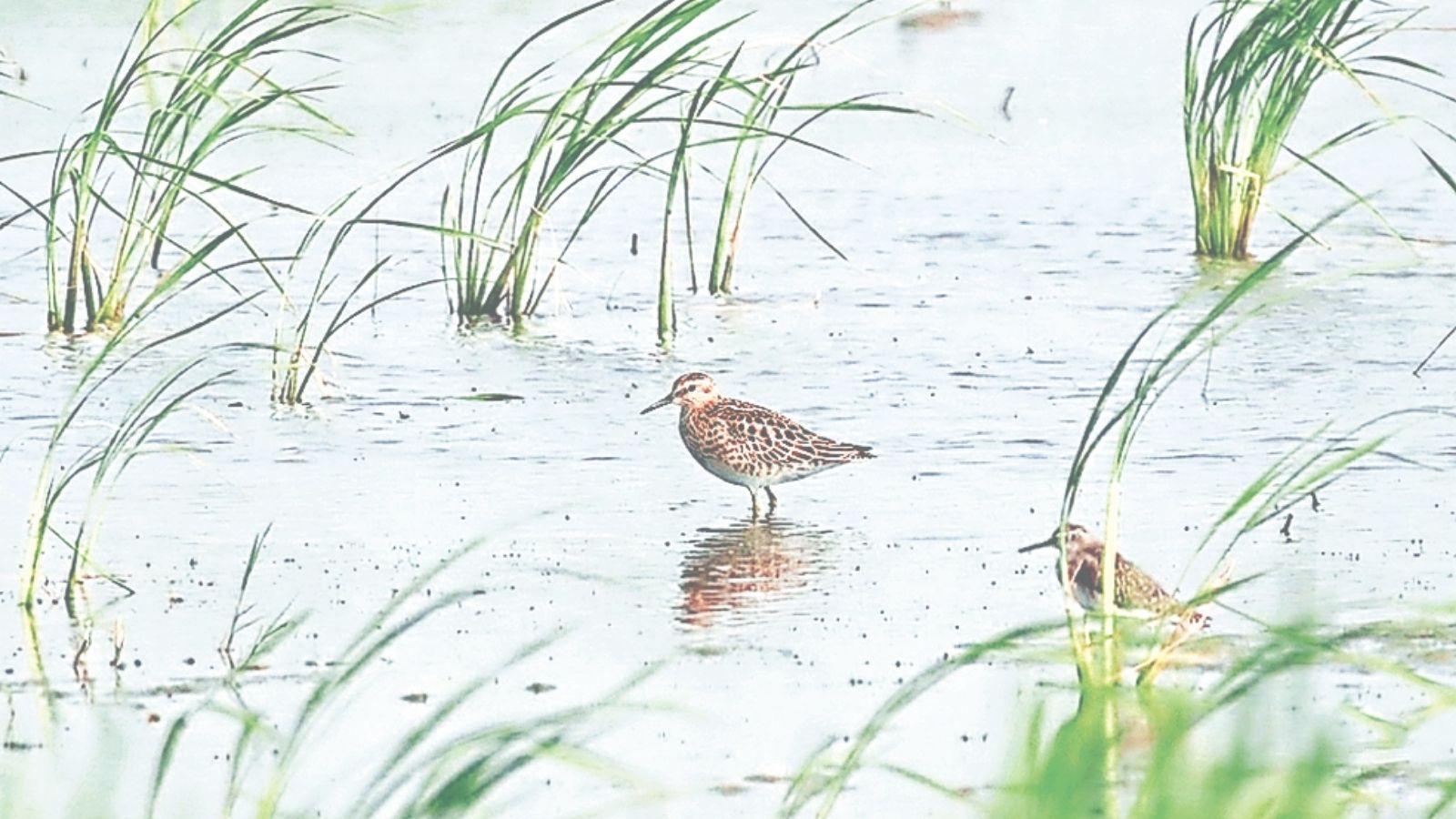
A rare bird called the sharp-tailed sandpiper was seen at Najafgarh Lake in Delhi.
A conservationist named Akshit Dua recorded it while it searched for food with other sandpipers.
This was only the fifth recorded sighting of the bird in India in almost 150 years.
The bird normally breeds in northern Siberia.
It travels south to Australia and New Zealand during the non-breeding season.
Delhi is an important stopping place because it has wetlands, river floodplains, the Aravallis and access to the Central Asian Flyway.
The bird eats insects, worms, molluscs, crustaceans and seeds.
Its population is falling because wetlands and other habitats are being damaged, so sightings can highlight the need to protect these places.

A sharp-tailed sandpiper was documented at Delhi’s Najafgarh Lake on August 30.
The sighting is reportedly only the fifth recorded in India in nearly 150 years.
Earlier records include sightings in Gilgit in 1880, Vandalur in 1915, an unconfirmed 2004 record, and Najafgarh in 2019.
The species breeds in northern Siberia, migrates mainly to Australia and New Zealand, and is classified as Vulnerable.
Delhi’s location near the Central Asian Flyway, wetlands, Aravallis and western Himalayas supports exceptional bird diversity.
- Who
- Akshit Dua, an NCR-based conservationist and birder, documented a sharp-tailed sandpiper.
- What
- A sharp-tailed sandpiper was sighted, reportedly becoming only the fifth recorded sighting of the species in India.
- Where
- Najafgarh Lake, Delhi-NCR.
- When
- August 30; the article also cites earlier records from 1880, 1915, 2004 and 2019.
- Why
- The sighting is significant because the species is exceptionally uncommon in India and is classified as Vulnerable, while Delhi’s wetlands support migratory birds.
Key facts
- Species
- Sharp-tailed sandpiper (Calidris acuminata)
- Current sighting
- Najafgarh Lake, Delhi, on August 30
- India record
- Reportedly the fifth recorded sighting in nearly 150 years
- Breeding range
- Northern Siberia, from the Lena River delta toward the Kolyma region
- Main non-breeding grounds
- Australia and New Zealand
- Conservation status
- Vulnerable on the IUCN Red List
- Population trend
- An Australian government assessment estimated a decline of about 45% over three generations, or roughly 15 years
- Delhi bird diversity
- The Delhi Bird List contains 471 species; the Delhi Bird Atlas places the capital second only to Nairobi among national capitals for bird diversity
Quotes
Delhi Bird Atlas
A collaborative bird survey and atlas documenting bird diversity in Delhi
“The Delhi Bird List now stands at 471 species”
 indianexpress.com
Sources
Related news
Rare Sharp-Tailed Sandpiper Spotted at Najafgarh in Fifth Indian Record
Black-Headed Ibis Decline Alarms Naxalbari Conservationists
Chengalpet to Get Second Bird Sanctuary at Odhiyur Lagoon
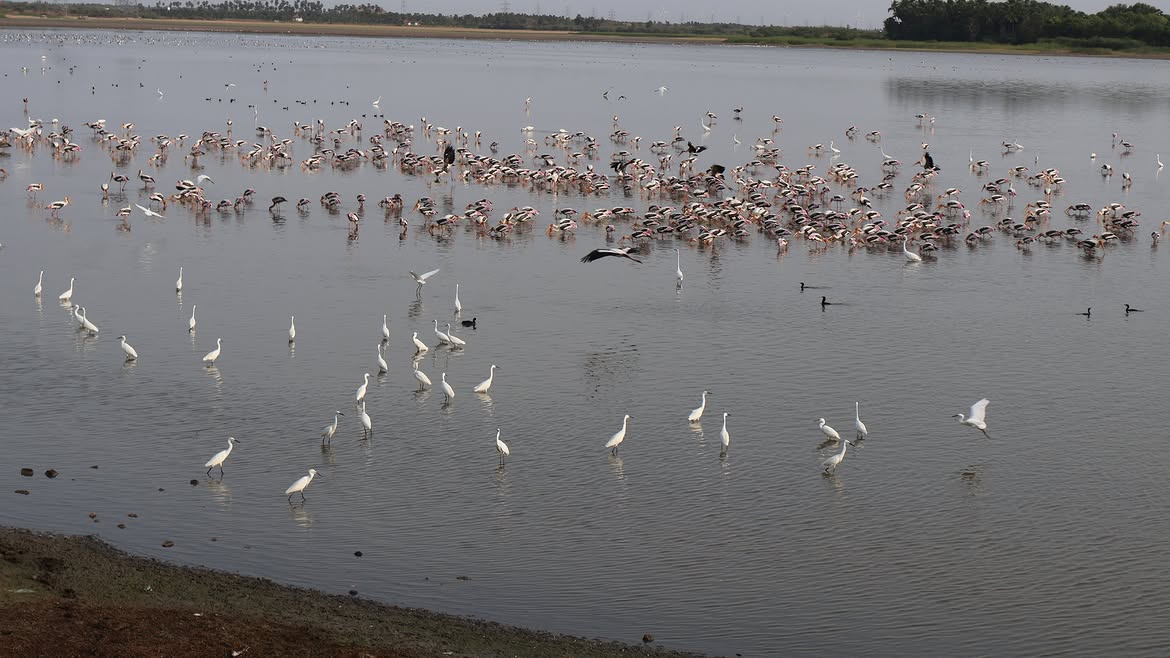
Siberian Birds Arrive Early at Perungulam Wetlands

Birds Fly Into Delhi Offices to Escape Heat, Rescuers Warn
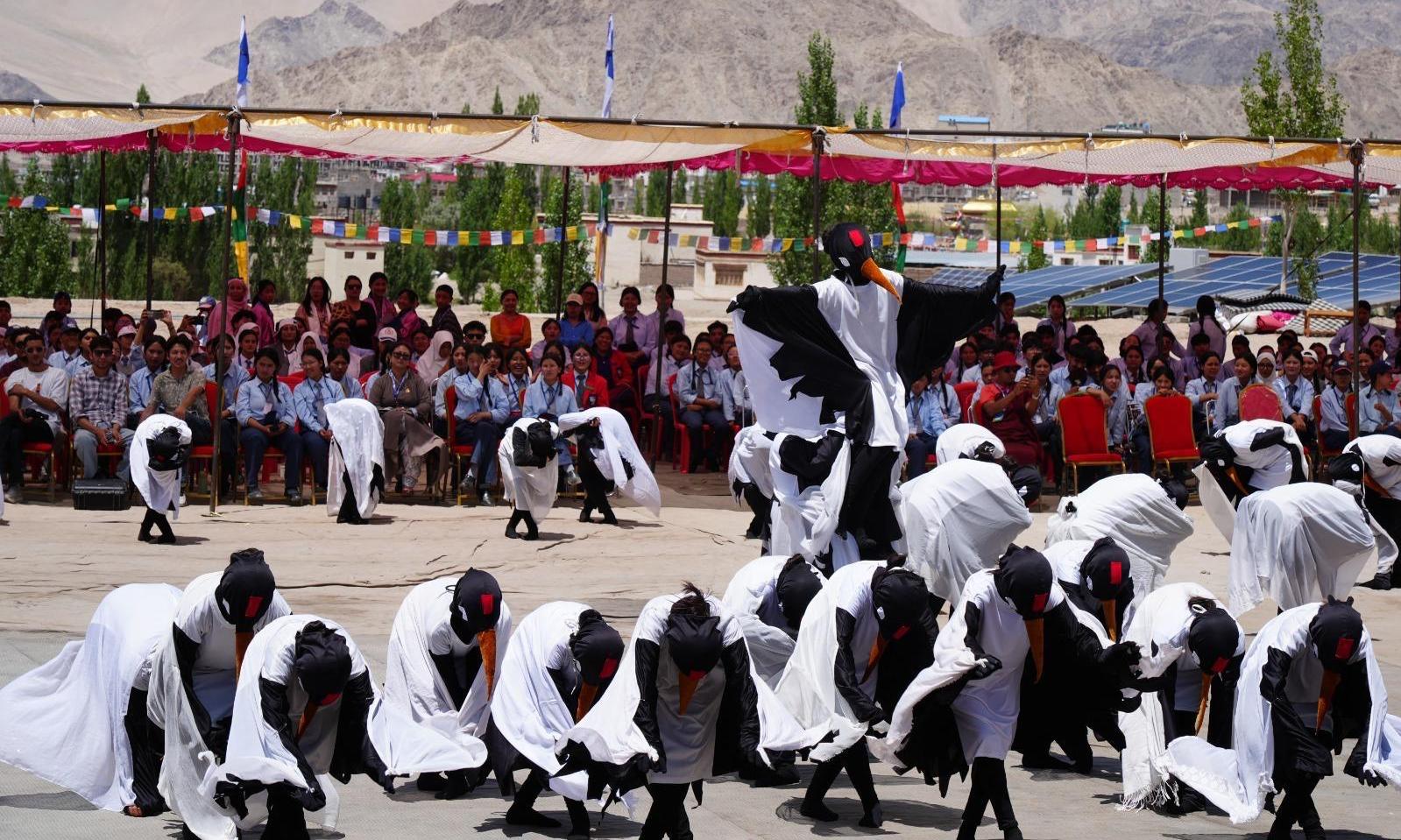
Ladakh Hosts India's First Black-Necked Crane Festival

Bihar Warns Against Unknown Fish Carried By Nepal Floodwaters

UNCCD CoP 17 Highlights Grassland Restoration and Drought Resilience

Ecologists Seek Marine National Parks Along Andhra Pradesh Coast