1 hr ago
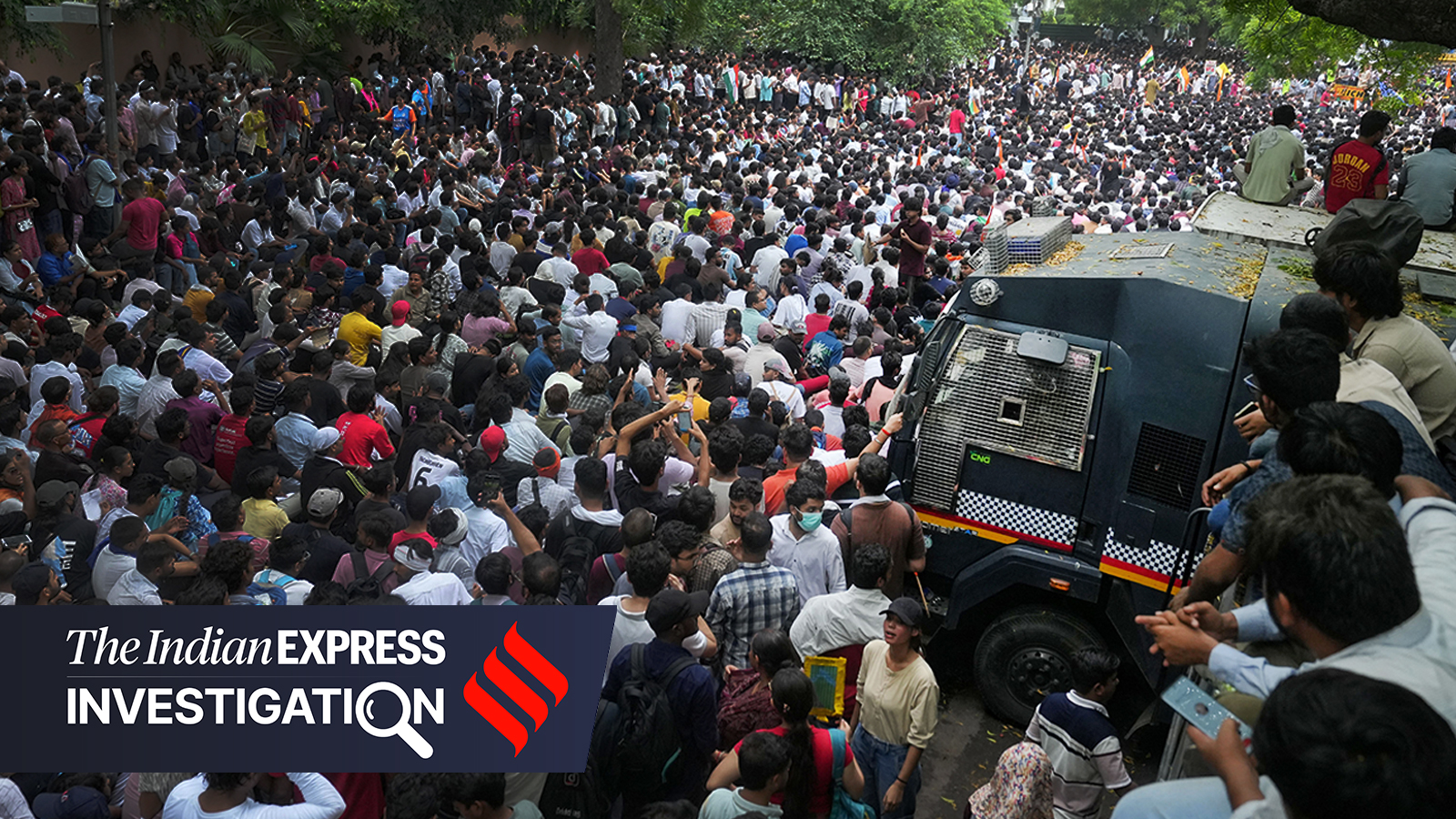
Supreme Court Judge Defends Right to Question in India
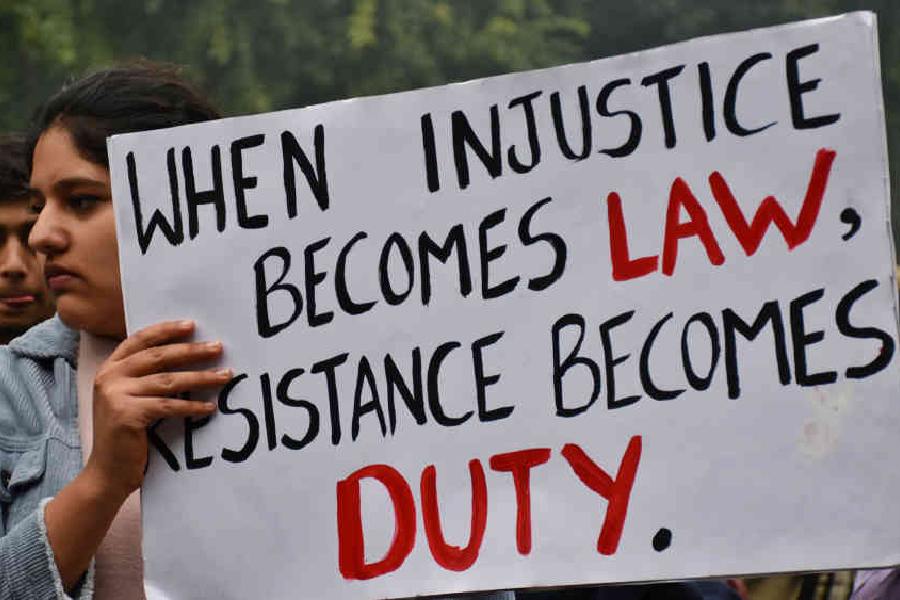
Supreme Court judge Ujjal Bhuyan said people should be allowed to ask difficult questions.
He said asking questions is not the same as rebelling.
In a democracy, questioning helps citizens take part in public life.
He also said people should be free to express different opinions.
The judge warned that democracy becomes weaker when disagreement is punished or silenced.
He asked governments to listen to criticism, even when it is uncomfortable.
He said universities are important places where young people learn to think freely.
The editorial says India’s response to disagreement shows how strong its democracy is.

Supreme Court judge Ujjal Bhuyan said questioning is a democratic right, not defiance.
Bhuyan linked questioning with citizenship, liberty, free expression and constitutional responsibility.
He warned that rejecting, silencing or punishing disagreement undermines constitutional freedoms.
He urged governments to listen to citizens rather than treat dissent as a threat.
Bhuyan said universities help develop free thinking and democratic respect for differences.
- Who
- Supreme Court judge Ujjal Bhuyan addressed citizens, governments and universities in his remarks.
- What
- Bhuyan defended questioning, dissent, free expression and intellectual freedom as essential to democracy.
- Where
- At the convocation ceremony of National Law University, Delhi.
- When
- The remarks were delivered at a convocation ceremony; the article does not provide a date.
- Why
- He argued that democratic citizenship and constitutional responsibility require space for questions, criticism and disagreement.
Dissent as Democratic Citizenship
Dissent Viewed Through a Security Lens
Treatment of disagreement
Dissent as Democratic Citizenship
Bhuyan and the editorial argue that disagreement should be heard and treated as part of responsible citizenship and constitutional democracy.
Dissent Viewed Through a Security Lens
The editorial says dissent is increasingly treated by authorities as a threat, with disagreement rejected, silenced or punished.
Role of universities
Dissent as Democratic Citizenship
Universities should protect intellectual freedom and give students room to ask uncomfortable questions and develop independent views.
Dissent Viewed Through a Security Lens
The editorial says universities have been targeted as bastions of “anti-national” thinking, suggesting that authorities view some campus dissent with suspicion.
Measure of democracy
Dissent as Democratic Citizenship
A mature democracy is judged by how it responds to difficult and unpopular opinions, not only to views supported by a majority.
Dissent Viewed Through a Security Lens
The editorial describes a political environment in which popular or majoritarian positions receive greater legitimacy than divergent opinions.
Key facts
- Speaker
- Supreme Court judge Ujjal Bhuyan
- Occasion
- Convocation ceremony of National Law University, Delhi
- Core argument
- The right to question is not an act of defiance.
- Democratic values
- Citizenship, liberty, free expression and constitutional responsibility
- Government’s role
- Listen to citizens and provide space for dissent, rather than treating it as a threat.
- Universities
- Places where free thinking and a democratic culture respecting difference begin.
- Editorial concern
- The shrinking space for dissent and the targeting of universities as allegedly anti-national spaces.
Sources
Related news
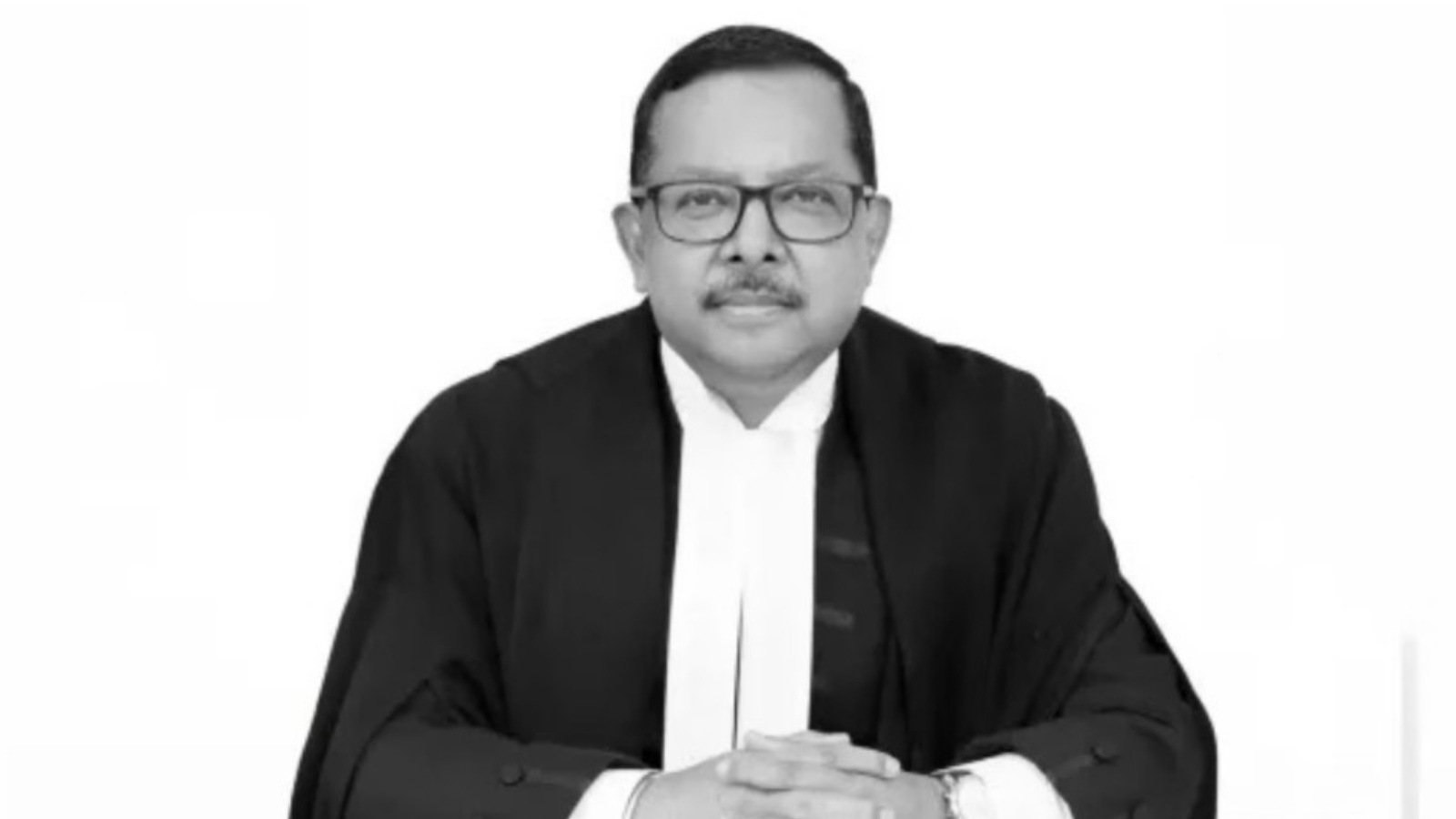
Justice Bhuyan Says Student Questions Cannot Bring Punishment

Justice Bhuyan Says Questions Cannot Bring Student Punishment
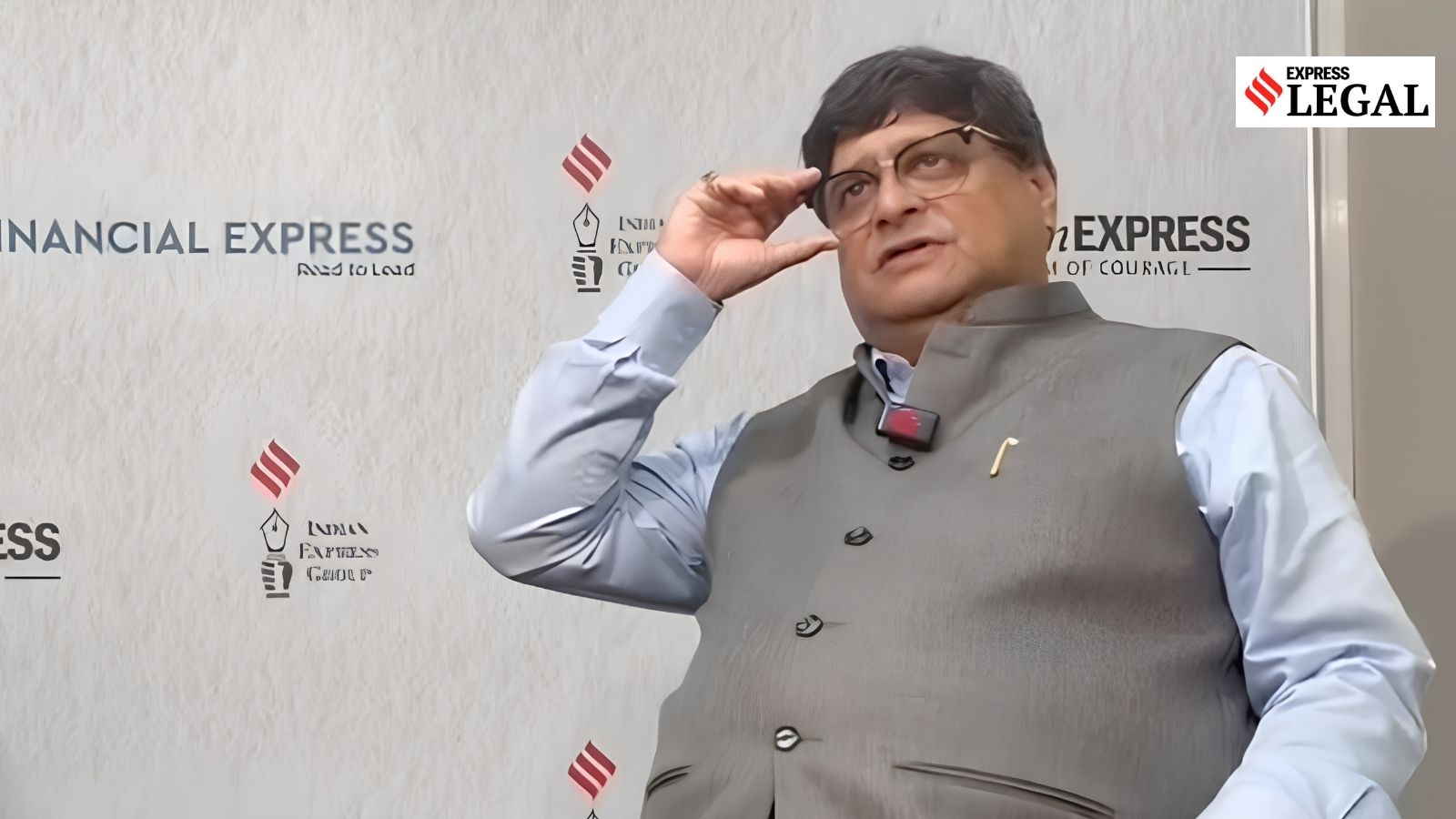
Former Judge Defends Dissent, Choice and Linguistic Pluralism
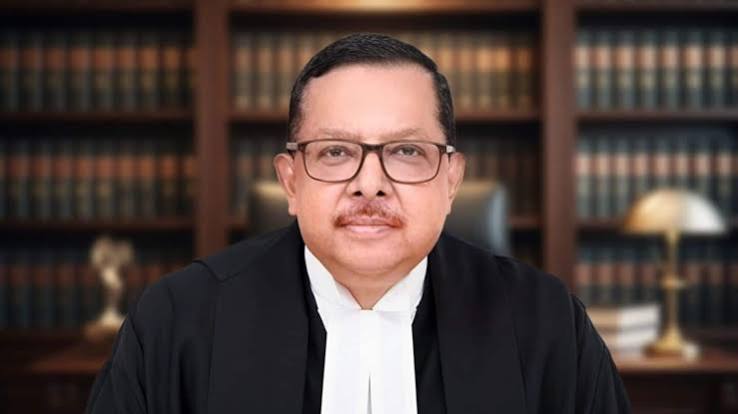
Indian Judges Back Student Dissent to Strengthen Democracy

How Shrinking Freedom of Expression Threatens India’s Democracy
MP Government Seeks Middle Path in Bhopal Sealing Row

Godda Form 7 Dispute Raises National SIR Deletion Concerns

Uttar Pradesh Special TET Excludes Contract Teachers Despite 2028 Deadline
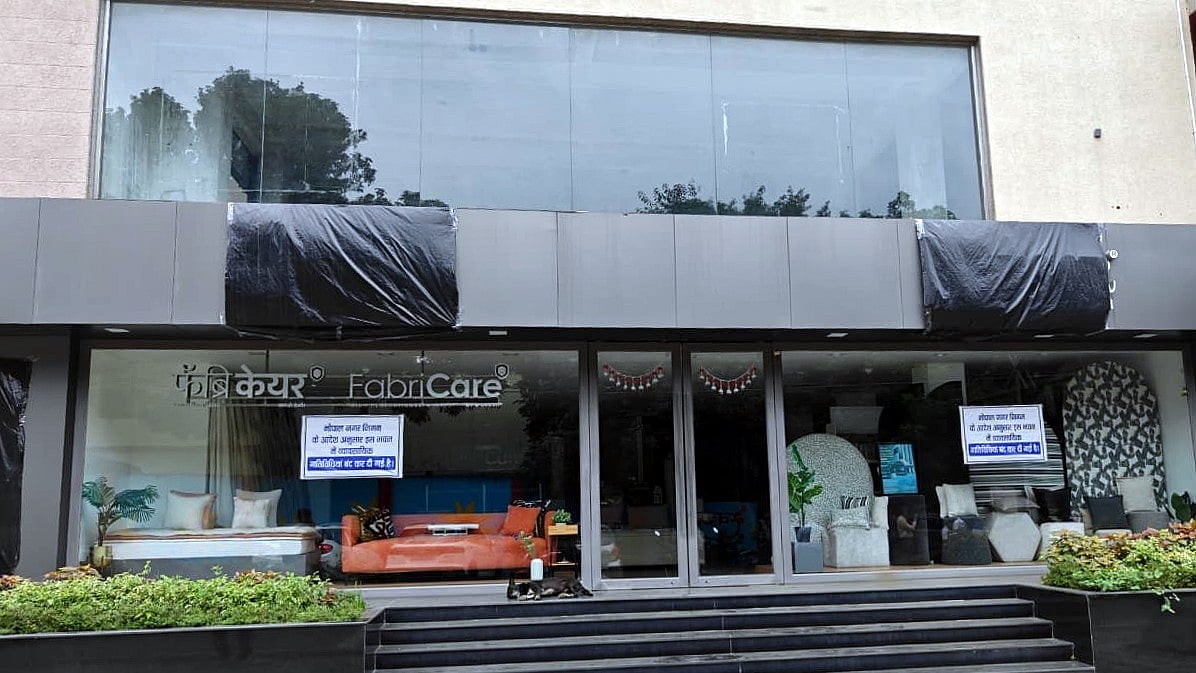
Bhopal Sealing Drive Paused Ahead of Supreme Court Hearing