3 days ago
Justice Bhuyan Says Student Questions Cannot Bring Punishment
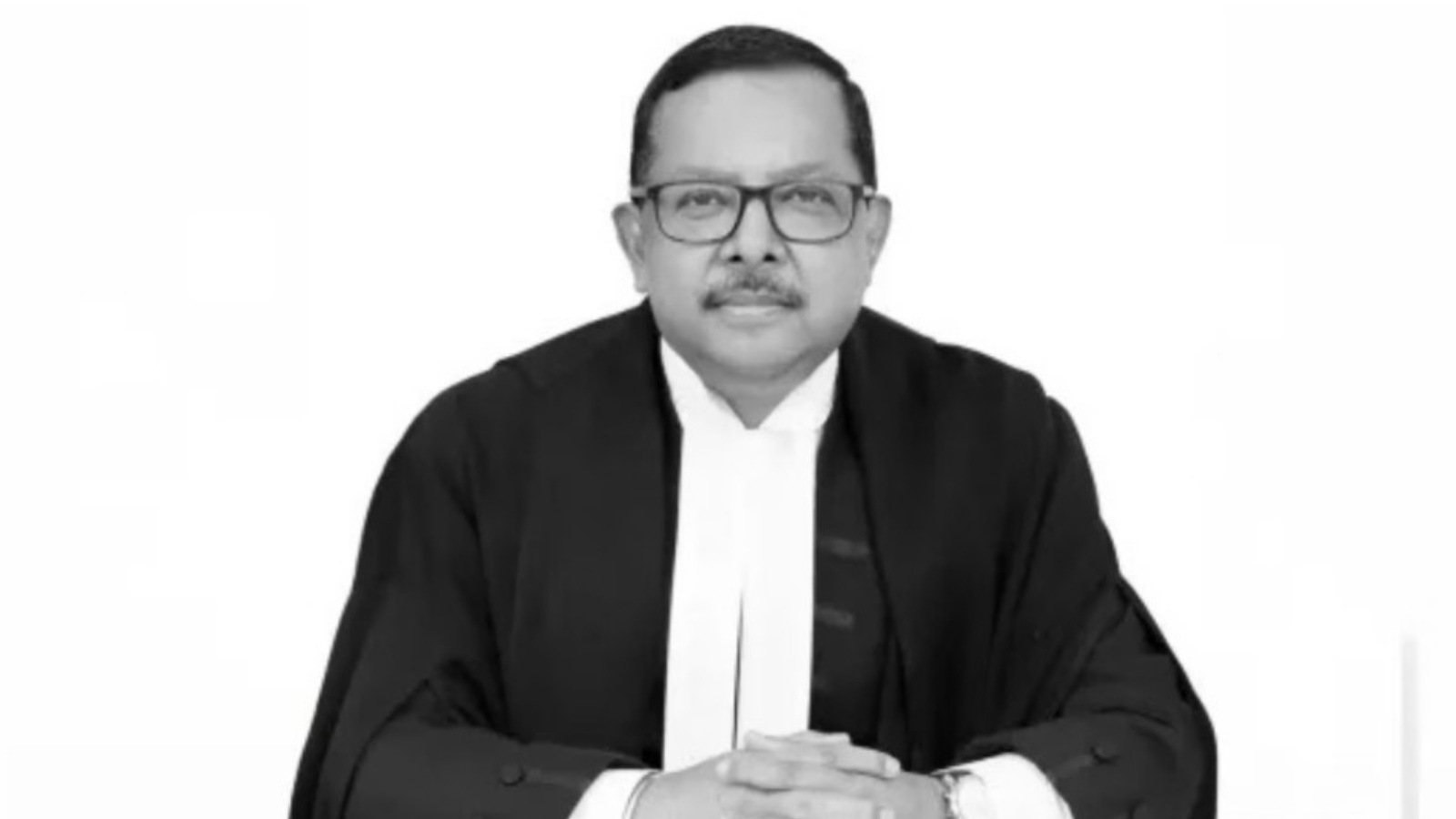
Justice Ujjal Bhuyan spoke at a university graduation ceremony.
He said students should be free to ask difficult questions.
They should also be allowed to express opinions that differ from people in authority.
Punishing or threatening students for doing this is unconstitutional, he said.
Universities should help students think independently and examine established ideas.
Disagreements should be discussed through reason instead of hostility.
He said tolerance and dissent are important parts of democracy.
The Constitution protects the freedom to speak, think, and believe differently.
He also said legal professionals should protect liberty, equality, dignity, and justice.

Justice Ujjal Bhuyan said students must not be threatened with punishment for asking questions or expressing different views.
He called such threats unconstitutional and a misuse of power and office.
Bhuyan said universities should encourage free thought, debate, and examination of established positions.
He described tolerance and space for dissent as essential to constitutional democracy.
His remarks followed a withdrawn Bar Council of India directive linked to objections over a proposed Chief Justice Surya Kant appearance at a law university convocation.
- Who
- Supreme Court judge Justice Ujjal Bhuyan addressed postgraduate students and graduates.
- What
- He said threatening students with punitive action for asking questions or expressing different views is unconstitutional and a misuse of power.
- Where
- The 13th convocation ceremony for postgraduate students of National Law University, Delhi, in New Delhi.
- When
- Sunday, August 30; the articles do not specify the year.
- Why
- He said universities must foster independent thought, reasoned disagreement, dissent, and respect for constitutional values.
Key facts
- Speaker
- Justice Ujjal Bhuyan
- Event
- 13th convocation ceremony for postgraduate students
- Institution
- National Law University, Delhi
- Main position
- Students cannot be threatened with punitive action for asking questions or expressing different views.
- Constitutional principles
- Freedom to speak, think, and believe differently, along with liberty, equality, dignity, and justice.
- Related context
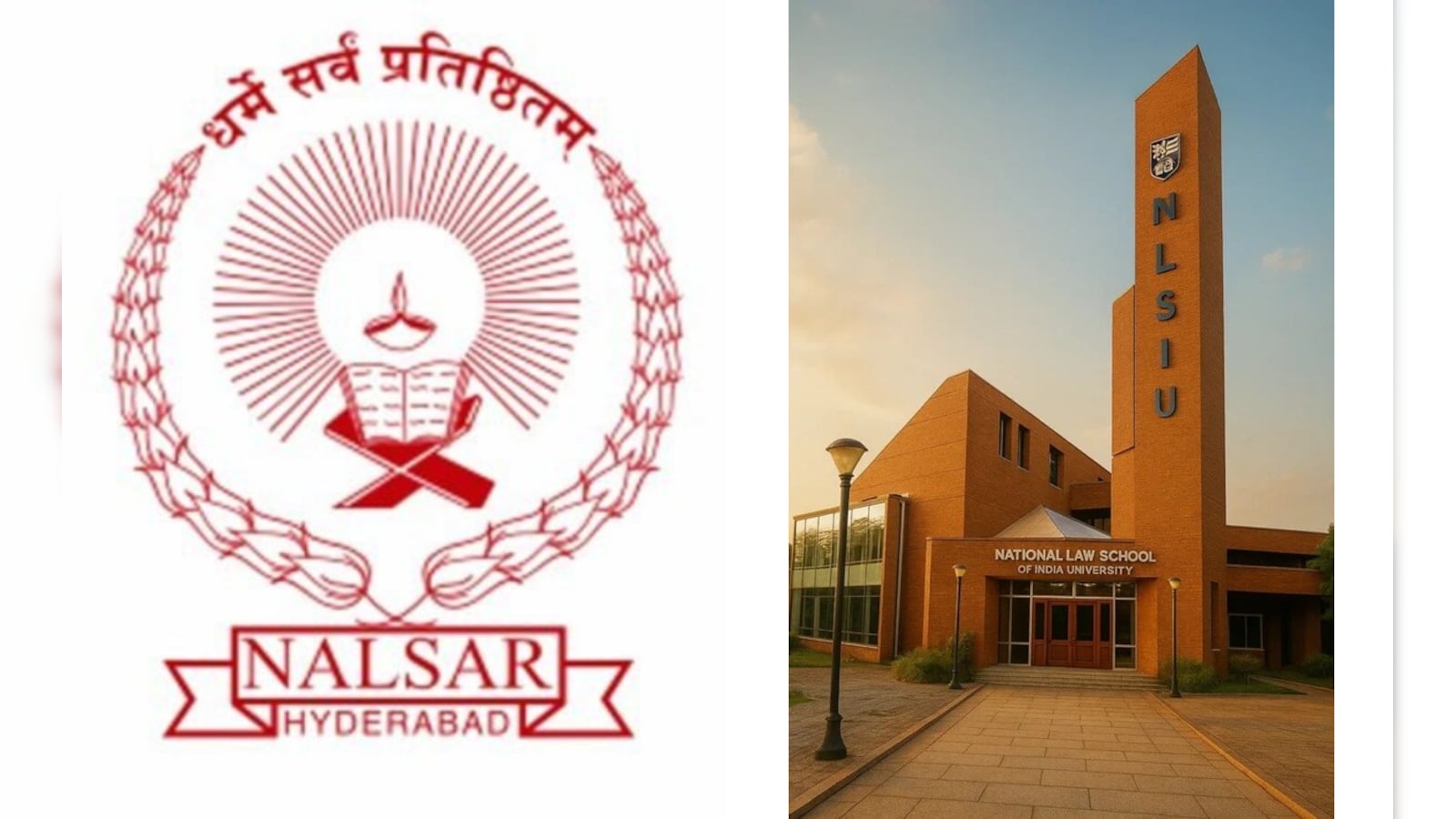
- A now-withdrawn Bar Council of India directive asked state bar councils not to enrol the graduating batch of NALSAR University of Law after a campaign opposing Chief Justice of India Surya Kant’s proposed participation in its convocation.
- Other reported development
- National Law School of India University, Bengaluru, cancelled its convocation after objections to the Chief Justice’s participation.
Quotes
Justice Ujjal Bhuyan
Supreme Court judge speaking at National Law University, Delhi’s convocation
“It's (university) a place where individuals encounter ideas that may be different from their own, where established positions can be examined and questioned, and where disagreements can take place through reason rather than hostility.”
 deccanchronicle.com
 theprint.in
“When students express a different point of view, when students ask questions, they cannot be threatened. They cannot be threatened with punitive action. That is unconstitutional. That is misuse of power and office.”
deccanchronicle.com
theprint.in
 indianexpress.com
Sources


Related news

Justice Bhuyan Says Questions Cannot Bring Student Punishment
Indian Judges Back Student Dissent to Strengthen Democracy

Former Judge Defends Dissent, Choice and Linguistic Pluralism
Student Body Demands Apology After BCI Withdraws NALSAR Enrolment Ban

NALSAR Enrolment Row Tests Limits of Judicial Respect
Supreme Court Limits Manan Mishra’s Pro Tem BCI Role
NALSAR Students Back NLSIU Graduates Amid Convocation Dispute