2 hrs ago
Facial Recognition Flags 25 Jail-Held Accused at Jantar Mantar
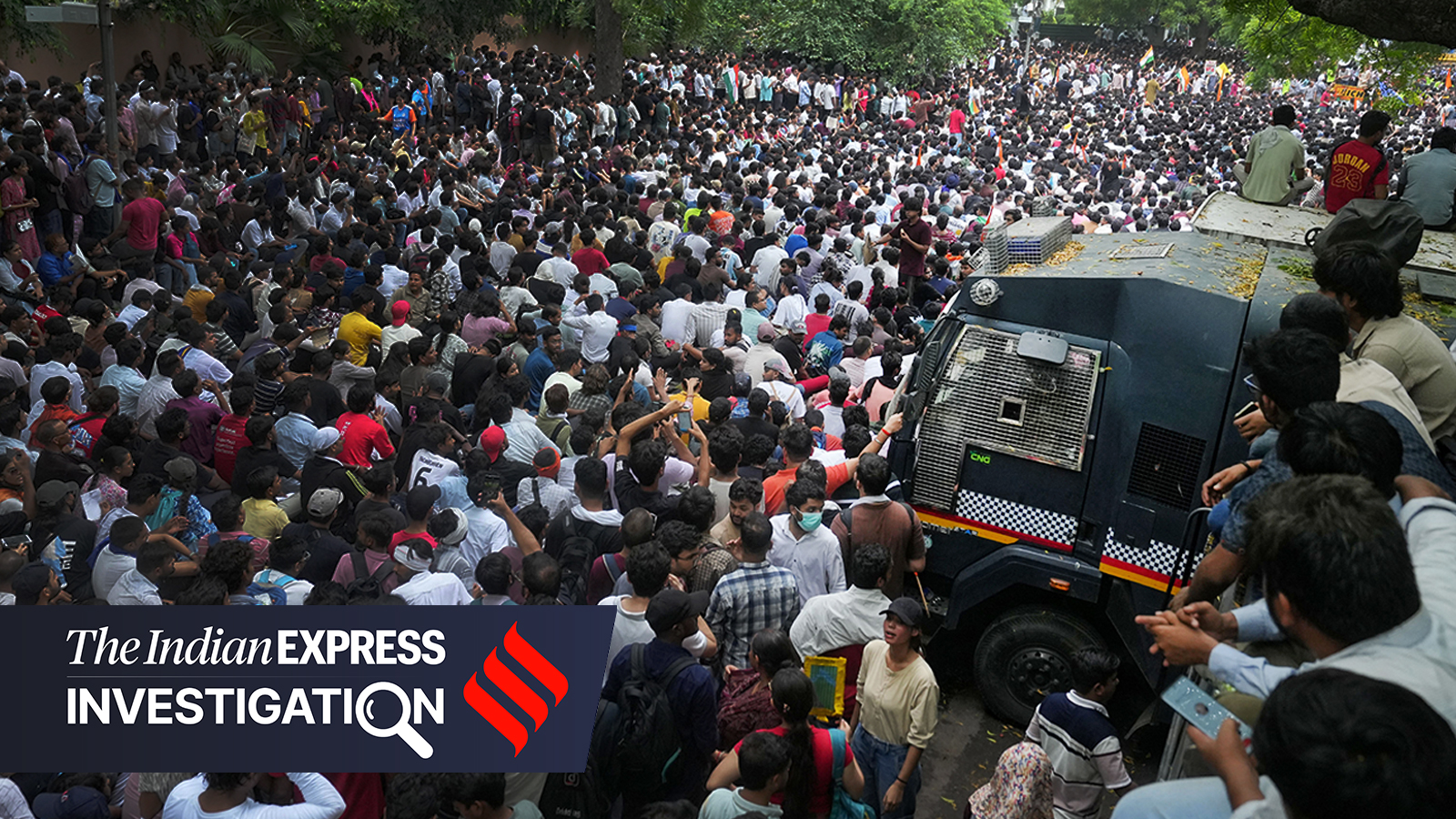
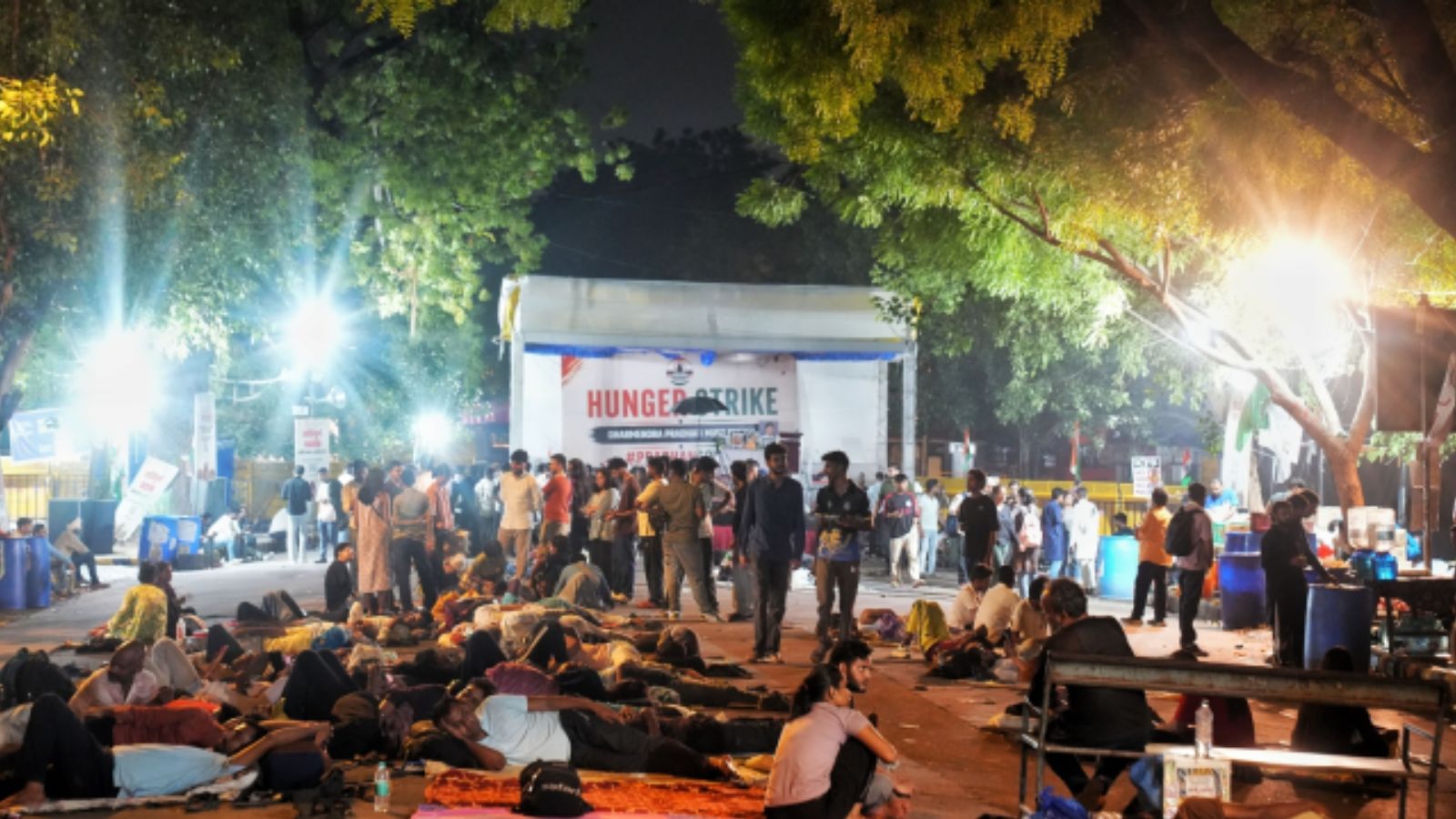
Delhi Police used facial-recognition software during student protests at Jantar Mantar.
The software compared people’s faces with images in police databases.
It flagged 2,873 people as possibly having criminal records.
A newspaper checked 205 people connected to serious cases.
Records showed that at least 25 of them were already in Delhi jails when the software identified them at the protest.
These included people accused in murder, rape, child-abuse and attempted-murder cases.
Police said a computer match does not prove who someone is.
They said officers must verify the person in the field before taking action.
The Supreme Court allowed the government to proceed against the identified people while related legal issues continued.

Delhi Police’s facial recognition system identified 2,873 people with alleged criminal antecedents at Jantar Mantar.
The Indian Express examined 205 people linked to murder, rape, POCSO and attempted-murder cases.
Police, jail and court records showed at least 25 of those 205 were in Delhi jails during the protest.
The 25 included 17 murder accused, four rape or POCSO accused and four facing attempted-murder charges.
Police said facial-recognition matches require field verification and that no action is based solely on the software.
- Who
- Delhi Police, student protesters and 2,873 people identified as having possible criminal antecedents; the Supreme Court is hearing petitions concerning the protests.
- What
- Facial-recognition software flagged people at Jantar Mantar, including at least 25 who records showed were in jail while being identified.
- Where
- Jantar Mantar in New Delhi; the 25 individuals were held in Tihar, Mandoli or Rohini prison complexes.
- When
- The identifications occurred from July 20 to July 26, with the 25 jail-held individuals identified on July 24, 25 and 26.
- Why
- Police used the system to identify people whose faces appeared to match records in official police databases, amid allegations of excessive force and surveillance at the protest.
Concerns About Facial-Recognition Surveillance
Police Case for Facial-Recognition Screening
Reliability and identity
Concerns About Facial-Recognition Surveillance
A facial-recognition match is not proof of identity; accuracy can vary with camera angle, lighting, image quality, masks, algorithms and databases.
Police Case for Facial-Recognition Screening
Police said the system identifies possible matches with official records and that officers conduct field verification before taking action.
Meaning of criminal records
Concerns About Facial-Recognition Surveillance
The police affidavit does not clarify whether the 2,873 people were accused, convicted or merely named in criminal cases.
Police Case for Facial-Recognition Screening
Police said the relevant records concern accused people facing serious offenses rather than minor violations.
Use at the protest
Concerns About Facial-Recognition Surveillance
Petitions before the Supreme Court alleged excessive force and surveillance during the student protests.
Police Case for Facial-Recognition Screening
The police said the software was used to identify people with possible criminal antecedents and that no action would be taken solely on its result.
Key facts
- People identified
- 2,873 individuals were described by police as prima facie having criminal antecedents.
- Records used
- 2,402 matches came through the Delhi Police biometric database, Crime Kundli; 471 came through criminal records.
- Serious-case sample
- The Indian Express examined 205 people linked to murder, rape, POCSO or attempted-murder cases.
- Jail-held individuals
- At least 25 of the 205 were shown by police, jail and court records to be in jail during identification.
- Breakdown of 25
- The group included 17 murder accused, four rape or POCSO accused and four facing attempted-murder charges.
- Identification dates
- Three were identified on July 24, 21 on July 25 and one on July 26.
- Police position
- Police said facial-recognition results are only a first step and require field verification before action.
Quotes

Delhi Police
The police department responding to questions about facial-recognition identifications during the protests
“No actions are taken solely based upon the result of the facial recognition system which is only the first step to identify a person in the crowd who has a criminal record.”
 indianexpress.com
“During the protests, 2873 individuals identified as prima facie having criminal antecedents were spotted. However, further verification in this regard is pending.”
indianexpress.com
Sources
Related news
Delhi Police denies mass surveillance at Jantar Mantar protests

SC agrees to hear plea challenging Jantar Mantar facial recognition

Delhi Police Deploy Facial Recognition, Biometrics for Red Fort Security
Gokhale Questions ECI Data Sharing for Delhi Police Facial Recognition

Delhi Police defends CJP protest force, denies nail-fitted lathis
Supreme Court to hear plea challenging Delhi Police facial recognition
MP Government Seeks Middle Path in Bhopal Sealing Row

Godda Form 7 Dispute Raises National SIR Deletion Concerns

Uttar Pradesh Special TET Excludes Contract Teachers Despite 2028 Deadline
Bhopal Sealing Drive Paused Ahead of Supreme Court Hearing