

1 day ago
Indian Judges Back Student Dissent to Strengthen Democracy
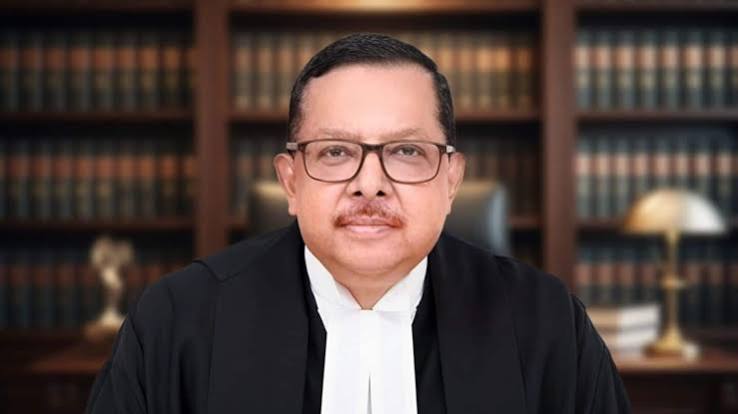
Some Indian law students protested against invitations given to senior legal officials.
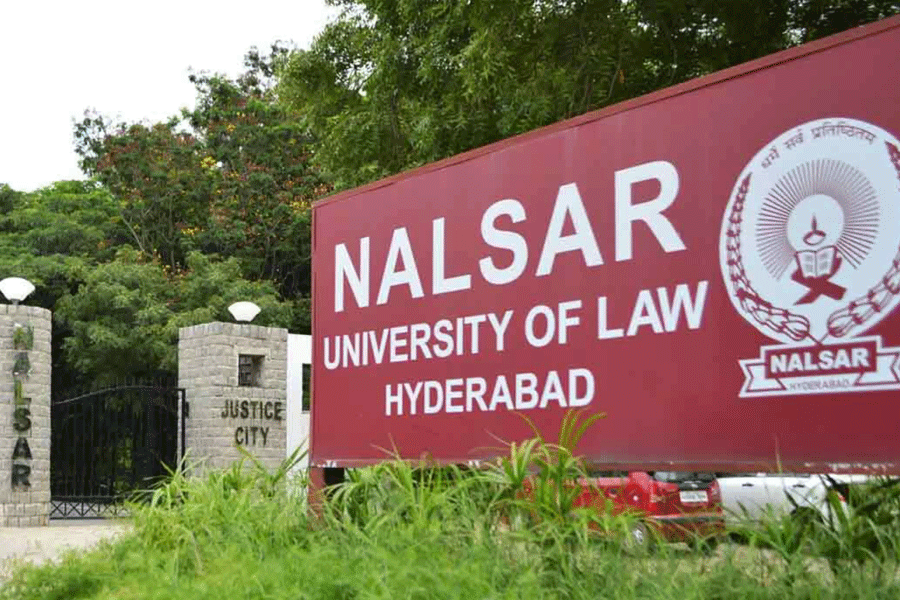
The Bar Council of India responded by banning the enrolment of students from NALSAR University of Law.
Chief Justice Surya Kant criticized that decision.
Other Supreme Court judges also said students should be allowed to ask difficult questions.
They said universities should encourage free thinking and disagreement.
The editorial says this support is good for democracy.
However, it also points out that many people are still jailed for challenging government policies or laws.
It calls on the courts to protect people who peacefully disagree.
The main idea is that having a different opinion should not be treated as a crime.

Chief Justice of India Surya Kant criticized the Bar Council of India’s ban on NALSAR students’ enrolment after their protest over a convocation invitation.
Students at several institutions have since objected to invitations extended to the Chief Justice and the Bar Council chairman.
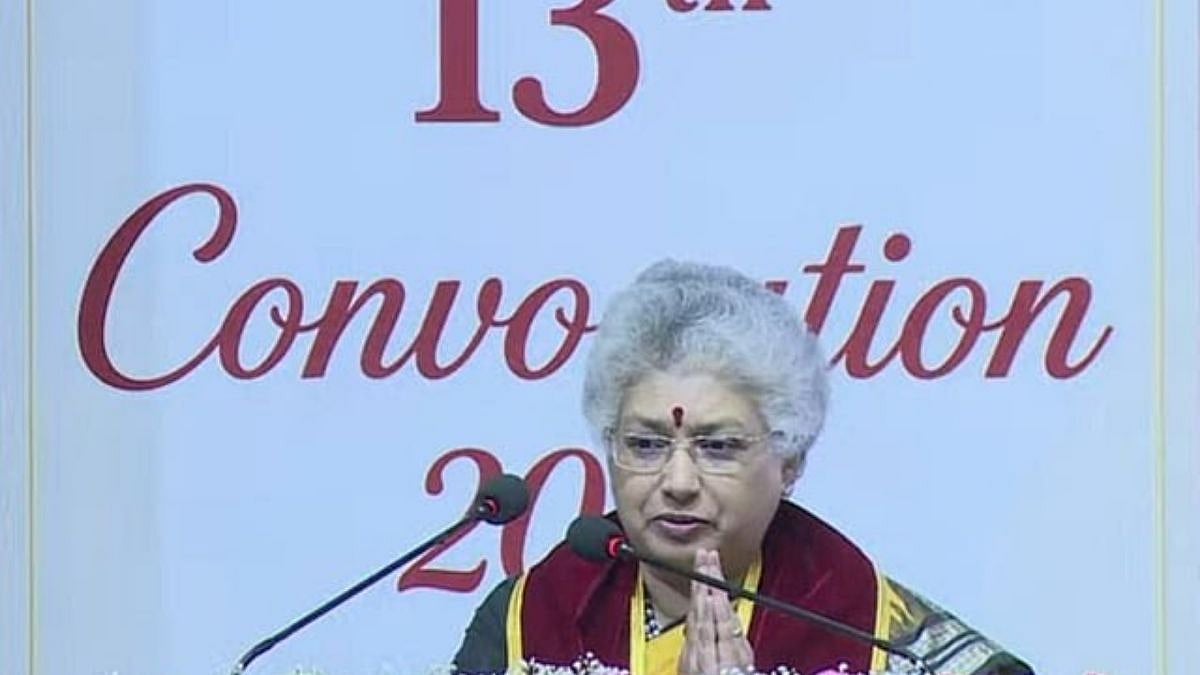
Justice B.V. Nagarathna urged Bar Councils to reflect on their role in professional ethics, morality and competence.
Justice Ujjal Bhuyan said students must not face punishment for expressing different views or asking questions.
The editorial argues that judicial statements must become concrete action protecting dissenters from unconstitutional punitive measures.
- Who
- Chief Justice of India Surya Kant, Supreme Court Justices B.V. Nagarathna and Ujjal Bhuyan, the Bar Council of India, and protesting students, including students at NALSAR University of Law.
- What
- Supreme Court judges expressed support for students’ right to dissent and criticized punitive responses to questioning or disagreement.
- Where
- India, including NALSAR University of Law in Hyderabad and other educational institutions.
- When
- The article describes recent developments following the Bar Council of India’s action against NALSAR students.
- Why
- The judges’ comments are presented as a way to encourage free inquiry, protect dissent and strengthen democracy.
Protection of Student Dissent
Punitive Institutional Response
Students questioning authority
Protection of Student Dissent
Students should be free to express disagreement, ask difficult questions and examine established positions without fear of punishment.
Punitive Institutional Response
The Bar Council of India responded to the NALSAR students’ protest by banning their enrolment, according to the article.
Role of universities
Protection of Student Dissent
Universities should promote free thinking, debate and the questioning of established views.
Punitive Institutional Response
The article describes instances in which university officials act in support of the establishment and suppress dissent.
Judicial responsibility
Protection of Student Dissent
Judges’ statements supporting dissent should lead to judicial action protecting people from punitive measures for disagreement.
Punitive Institutional Response
The editorial argues that courts have rarely come to the aid of dissenters, while people—including students—remain jailed under stringent laws for questioning policies or laws.
Key facts
- Chief Justice
- Surya Kant publicly admonished the Bar Council of India over its decision involving NALSAR students.
- Institution affected
- NALSAR University of Law, Hyderabad.
- Bar Council action
- The Bar Council of India banned the enrolment of NALSAR students after their protest over a convocation invitation.
- B.V. Nagarathna’s view
- Bar Councils should introspect on their role in professional ethics, morality and competence.
- Ujjal Bhuyan’s view
- Threatening students with punitive action for different opinions or questions is unconstitutional and a misuse of power.
- Editorial concern
- The article says judicial support for dissent must be reflected in actual judicial action.
Quotes
Justice B.V. Nagarathna
Justice of the Supreme Court of India
“When a Bar Council does not earn the respect of its members, it is not a good sign for the legal profession.”
 deccanchronicle.com
Sources
Related news
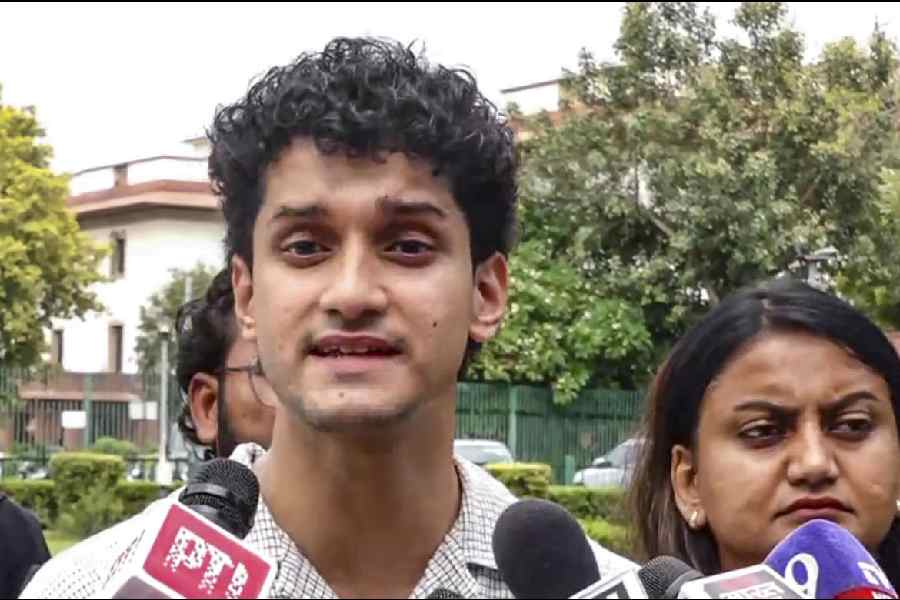
Bar Council's NALSAR ban over student dissent sparks political backlash

NALSAR Enrolment Row Tests Limits of Judicial Respect
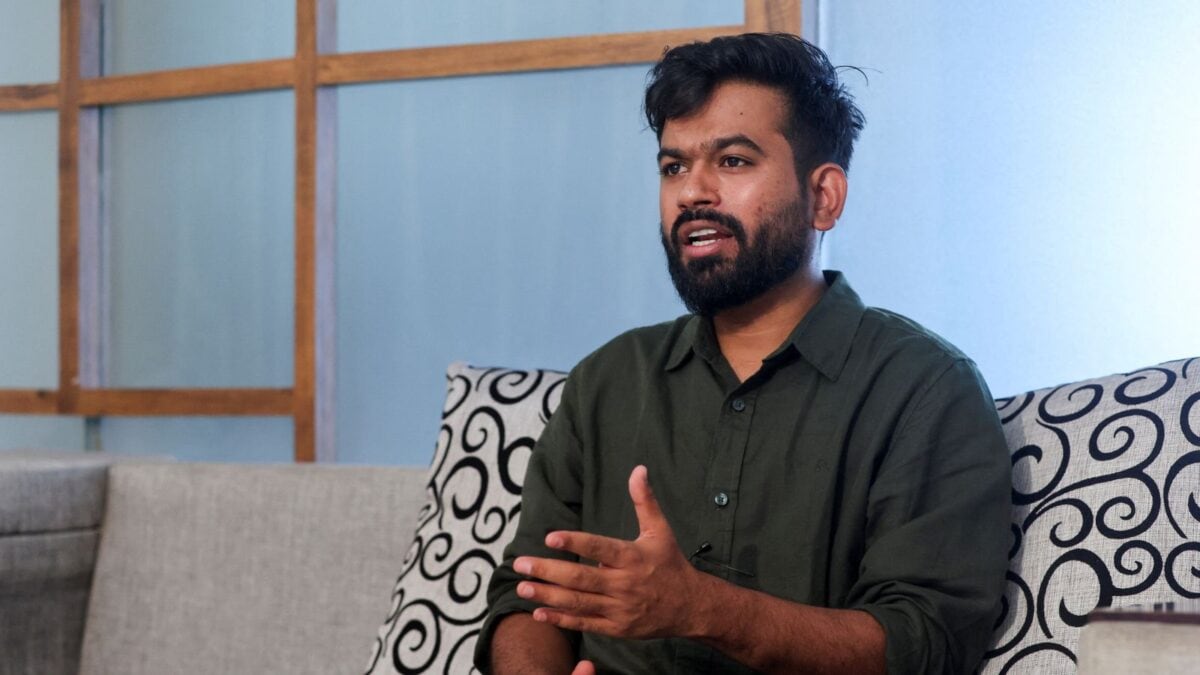
Bar Council Halts NALSAR Enrolments Amid Cockroach Row Escalation
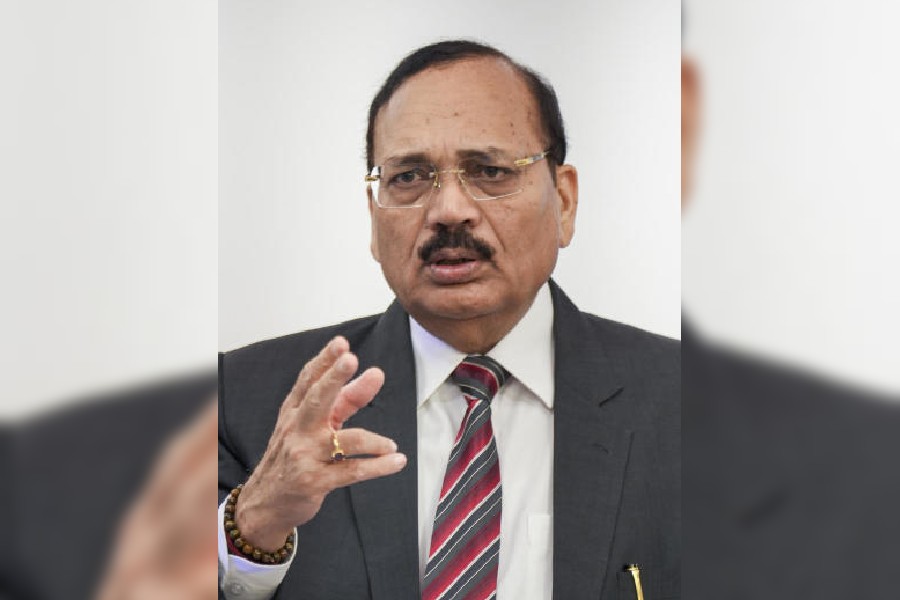
CJI Slams Bar Council's NALSAR Enrolment Suspension As 'Uncalled For'
Student Body Demands Apology After BCI Withdraws NALSAR Enrolment Ban
Bar Council Halts, Then Lifts NALSAR Graduate Enrolment Ban
Supreme Court Seeks Replies Over MP Medical Scholarship Dispute

Supreme Court Collegium Recommends New Rajasthan High Court Chief Justice

Supreme Court Judge Urges Bar to Address Legal Delays
Justice Nagarathna Urges Bar Councils to Rebuild Professional Trust
