1 week ago
China Criticizes Tibet Resistance Film Before Indian Theatrical Release

A film called 4 Rivers 6 Ranges is about Tibetan resistance and important events from 1959.
It is scheduled to play in Indian cinemas on September 11.
China’s state-run CGTN criticized the film before its release.
CGTN says the movie gives a false version of Tibet’s history.
It also says Tibet has long been part of China and rejects claims supporting Tibetan independence.
Director Shenpenn Khymsar disagrees with that view.
He says the film is based on facts and remembers people’s sacrifices and survival.
He says his goal is awareness and dialogue, not division.
The film was made over 12 years and has connections to Darjeeling and Kalimpong.

China Global Television Network criticized 4 Rivers 6 Ranges ahead of its September 11 release in India.
The film explores Chushi Gangdruk, a Tibetan resistance movement, and the Dalai Lama’s 1959 flight to India.
CGTN said the film presents a fictitious version of Tibet’s history and promotes separatism.
Director Shenpenn Khymsar said the film is intended as remembrance, truth-telling, and a way to encourage awareness and dialogue.
The film has strong Darjeeling-Kalimpong links and premiered at the International Film Festival Rotterdam in 2025.
- Who
- Director Shenpenn Khymsar, China Global Television Network, and the film’s cast and producers are central to the dispute.
- What
- A Chinese state-media outlet criticized the historical drama 4 Rivers 6 Ranges before its Indian theatrical release.
- Where
- The film is scheduled to release across India and concerns Tibet, with production links to Darjeeling and Kalimpong.
- When
- CGTN published its criticism on August 20; the film is scheduled for Indian release on September 11 and premiered internationally in 2025.
- Why
- CGTN disputes the film’s portrayal of Tibet’s history, while Khymsar says it documents resistance, sacrifice, survival, and the human cost of the period.
Filmmaker’s Account
Chinese State-Media Account
Historical portrayal
Filmmaker’s Account
Shenpenn Khymsar says the film deals with facts and is an act of remembrance, responsibility, and truth-telling.
Chinese State-Media Account
CGTN calls the film a fictitious rewrite of Xizang’s history and says it distorts historical reality.
Tibet’s political status
Filmmaker’s Account
The film presents the Tibetan resistance movement and explores the story of the Dalai Lama and his supporters.
Chinese State-Media Account
CGTN says Tibet has been an inseparable part of China for centuries and rejects claims that Tibet was or should be independent.
Purpose of the film
Filmmaker’s Account
Khymsar says his aim is awareness and dialogue rather than division, particularly for younger generations.
Chinese State-Media Account
CGTN says the film is being used as a platform for separatism and describes its narrative as unfounded.
Key facts
- Film
- 4 Rivers 6 Ranges
- Director
- Darjeeling-born Tibetan filmmaker Shenpenn Khymsar
- Indian release
- Scheduled for September 11 across India
- Subject
- Chushi Gangdruk, the Tibetan resistance movement, and the Dalai Lama’s flight to India in 1959
- Chinese criticism
- China Global Television Network published an opinion piece on August 20 calling the film a fictitious rewrite of Xizang’s history
- Hindi version
- The Hindi-dubbed version features actor Nawazuddin Siddiqui’s voice
- International premiere
- International Film Festival Rotterdam, 2025
Quotes
China Global Television Network (CGTN)
Chinese state-run television network that published criticism of the film.
“Shenpenn Khymsar once claimed on his Facebook account that ‘Xizang was and will never be a part of China,’ a statement that is utterly groundless and distorts historical reality.”
 telegraphindia.com
“The film Four Rivers, Six Ranges, directed by ‘Tibetan exile’ Shenpenn Khymsar and produced in English, is reportedly set to be released in India this September.”
telegraphindia.com
Shenpenn Khymsar
Darjeeling-born Tibetan filmmaker and director of 4 Rivers 6 Ranges.
“My aim is not division, but awareness and dialogue, so that younger generations understand our interconnected histories and the human cost carried within them.”
telegraphindia.com
Sources
Related news

Richard Gera Praises Shenpenn Khymsar’s Independent Tibetan Film
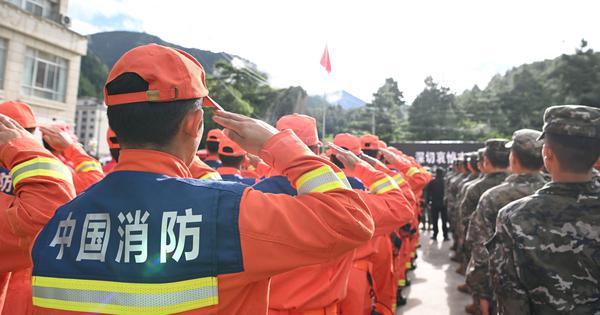
Nepal-Tibet Floods Fuel Fight Over China’s Media Narrative
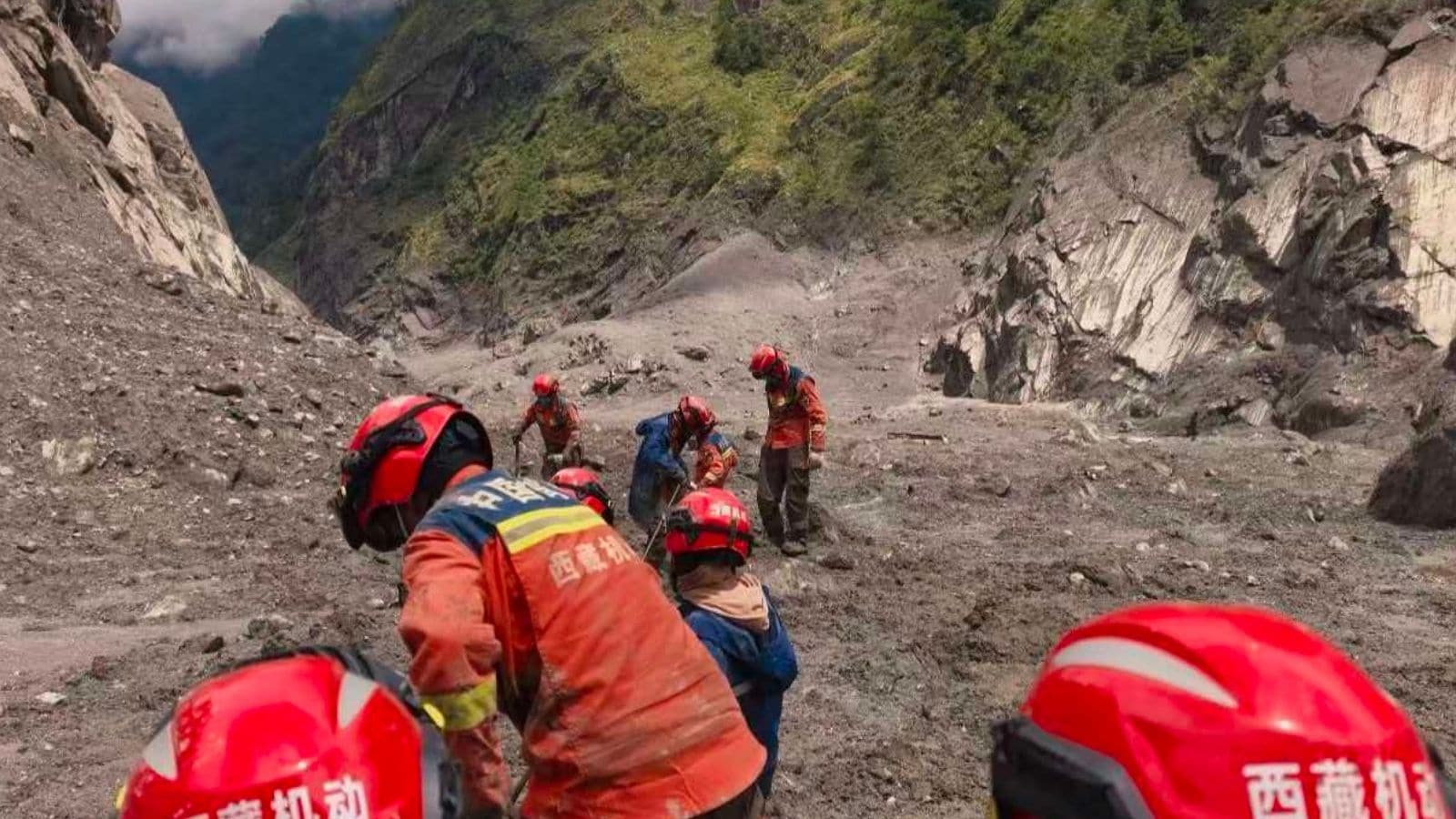
China’s Information Controls Obscure Tibet Flood Damage Assessment
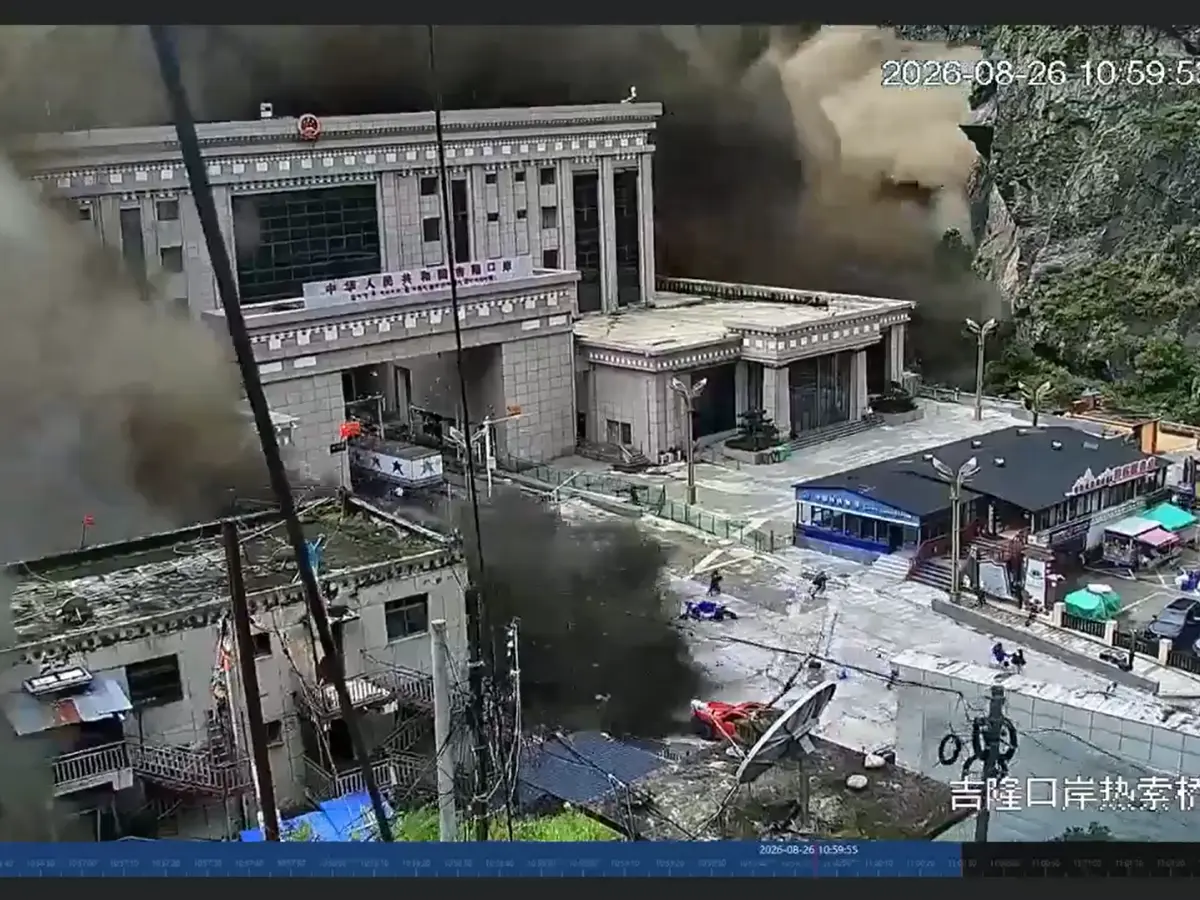
Floods in Tibet Raise Questions About China’s Information Controls
Arunachal CM Dismisses PLA Face-Off Reports as Rumours in Taksing
Tibet Nepal Floods Draw Rescue Efforts and Information Concerns

Nepal Flood Death Toll Tops 1,200 as Searches Continue
Satellite Radar May Strengthen Nepal's Flood Warning Systems
Nepal Plans New Landslide Warning System Along China Border

Nepal Thanks India as Glacial Disaster Rescue Efforts Continue
Nepal Warns of Heavy Rain After Deadly Floods