3 days ago
Nepal Flood Toll Rises as Rescue Teams Face More Flooding
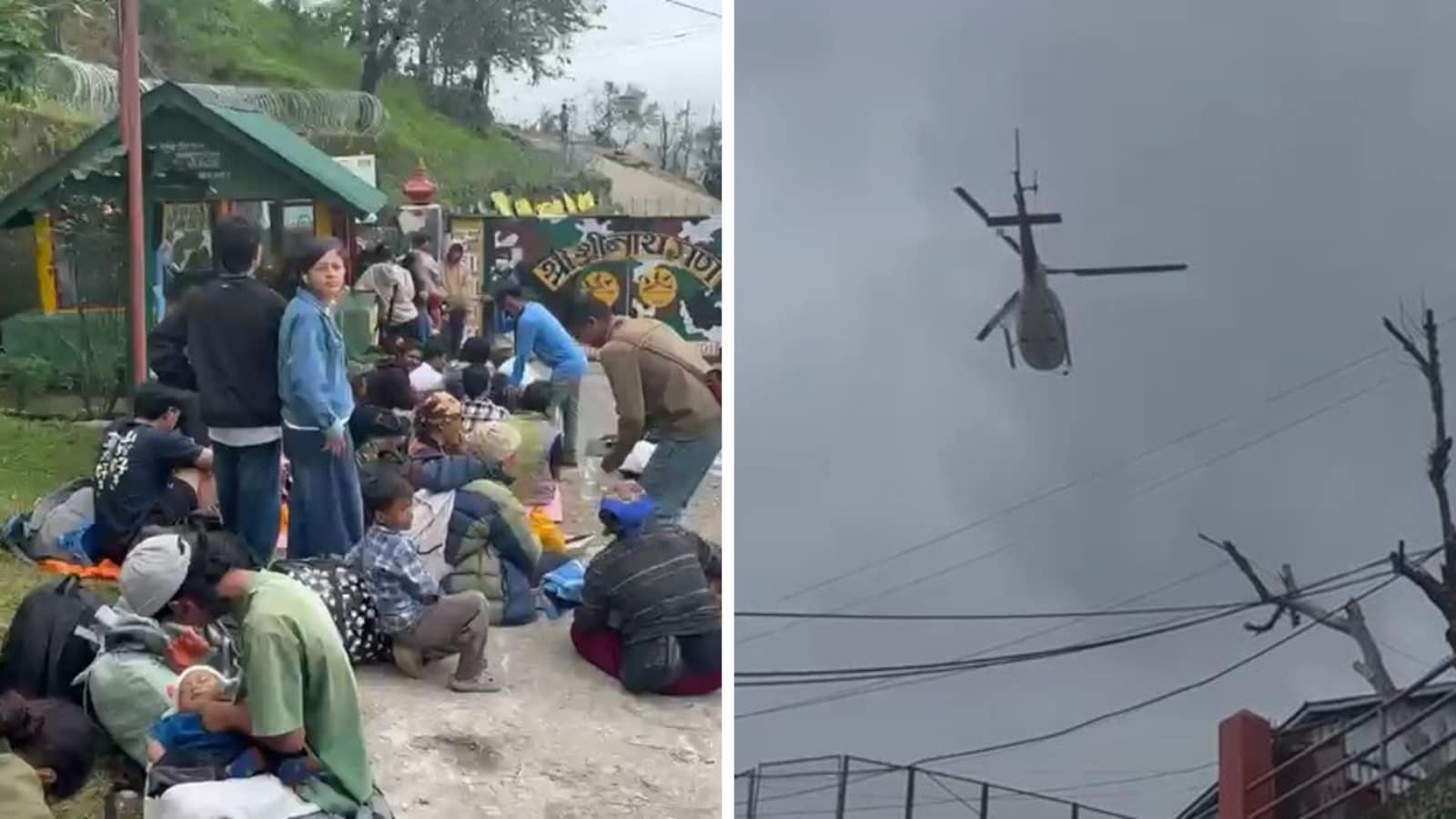
A large collapse of ice and rocks caused a huge flood near Nepal’s border with China.
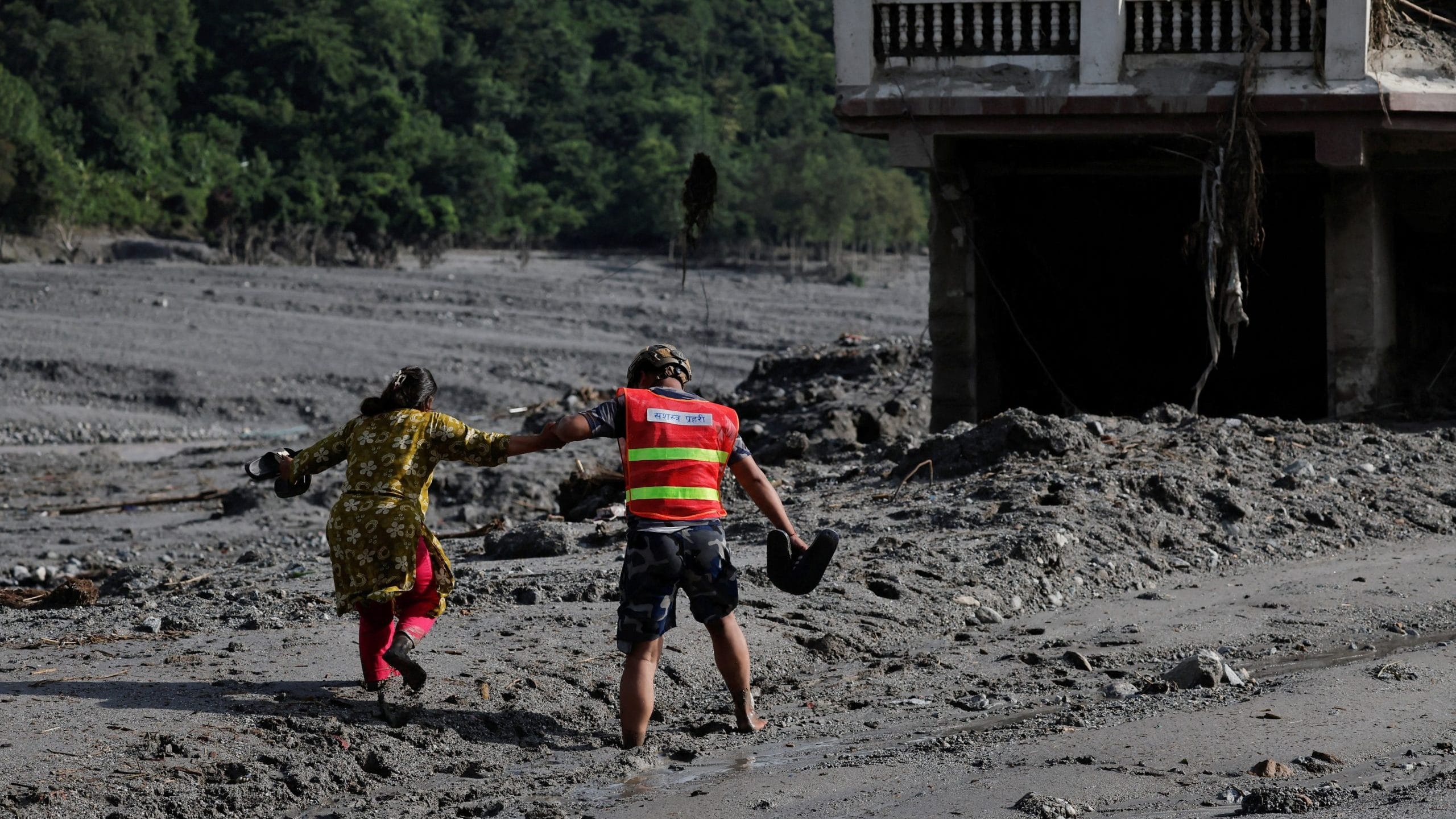
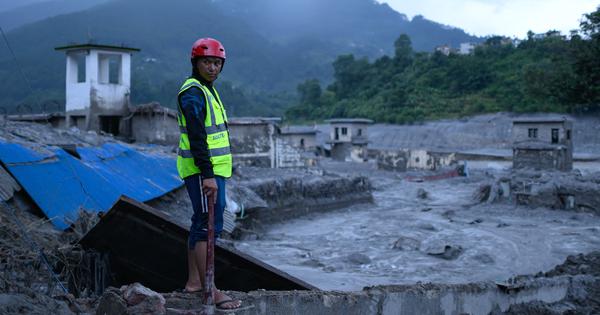
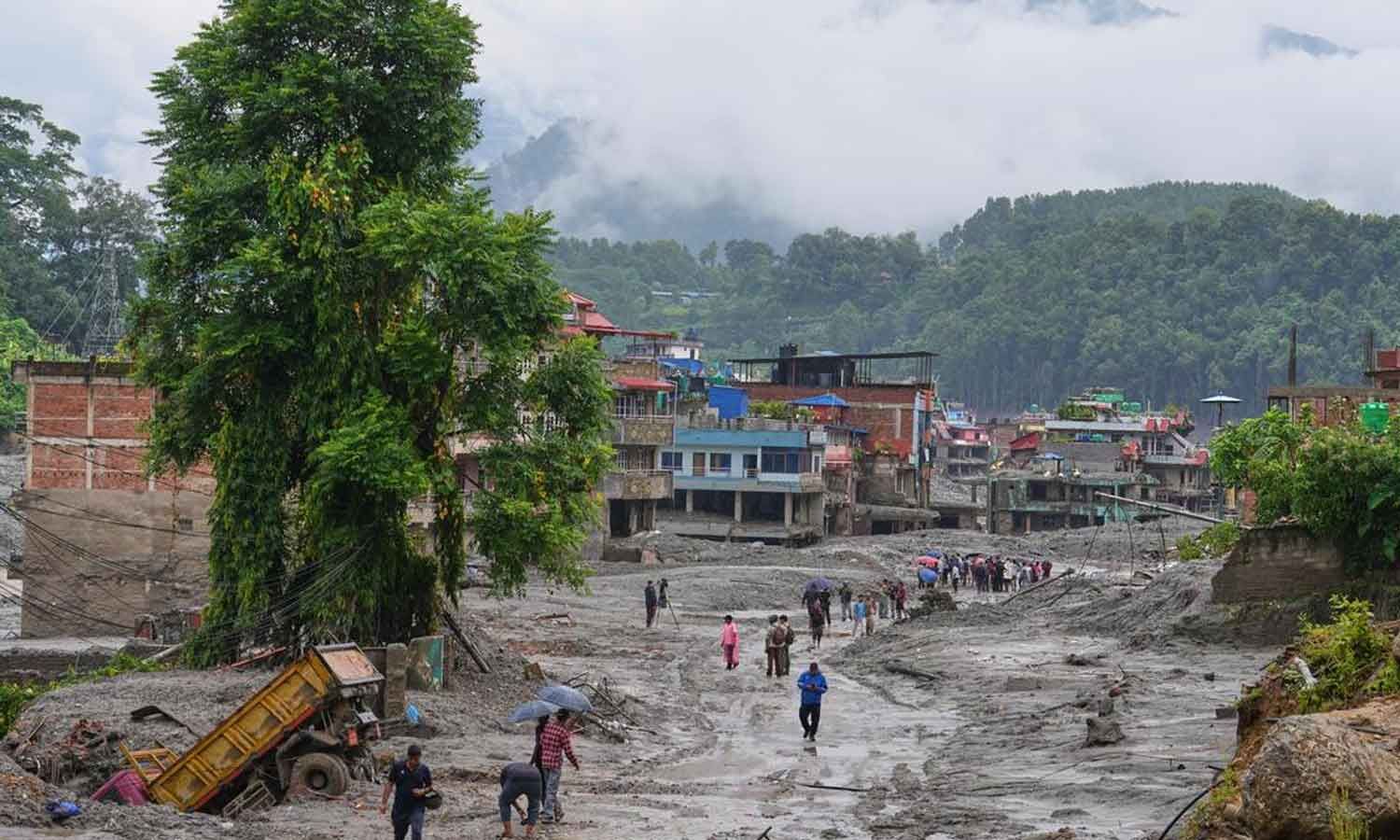
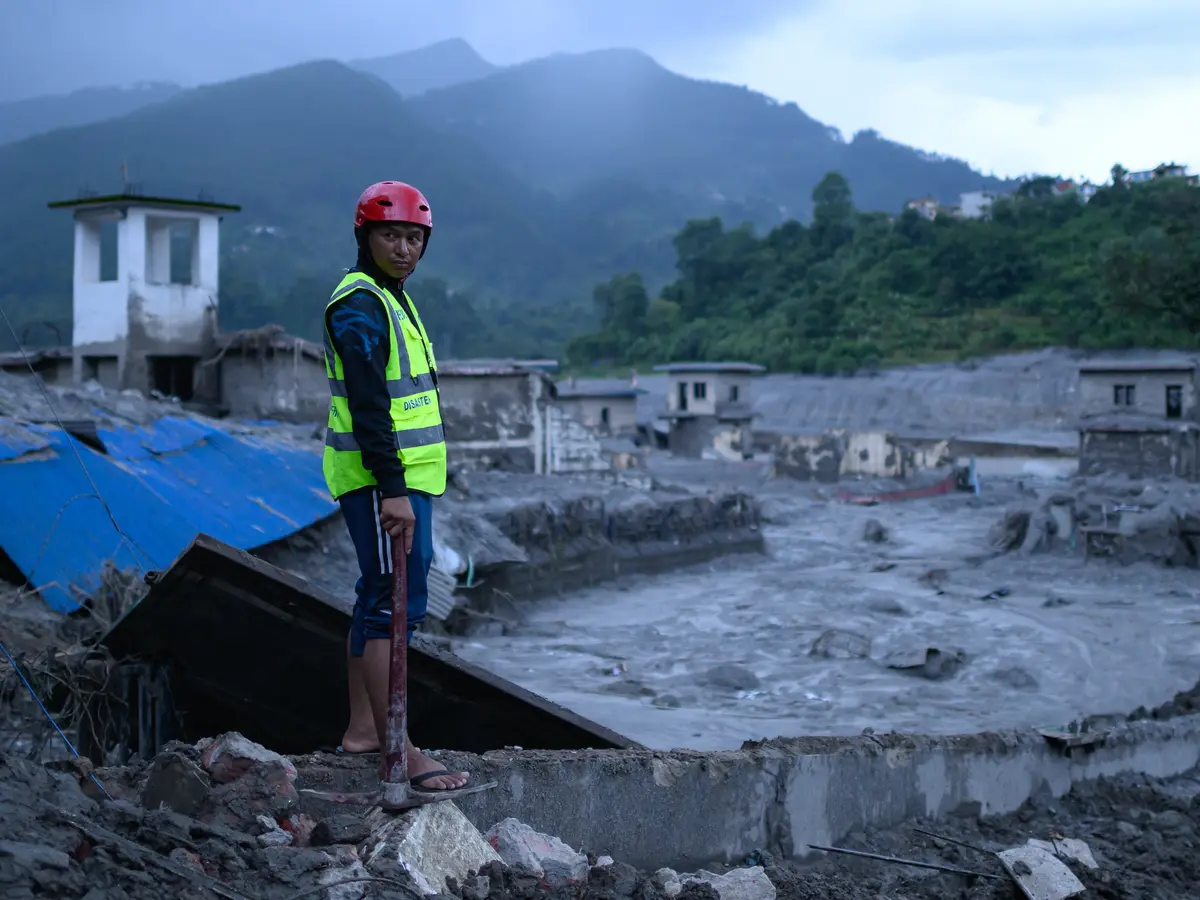
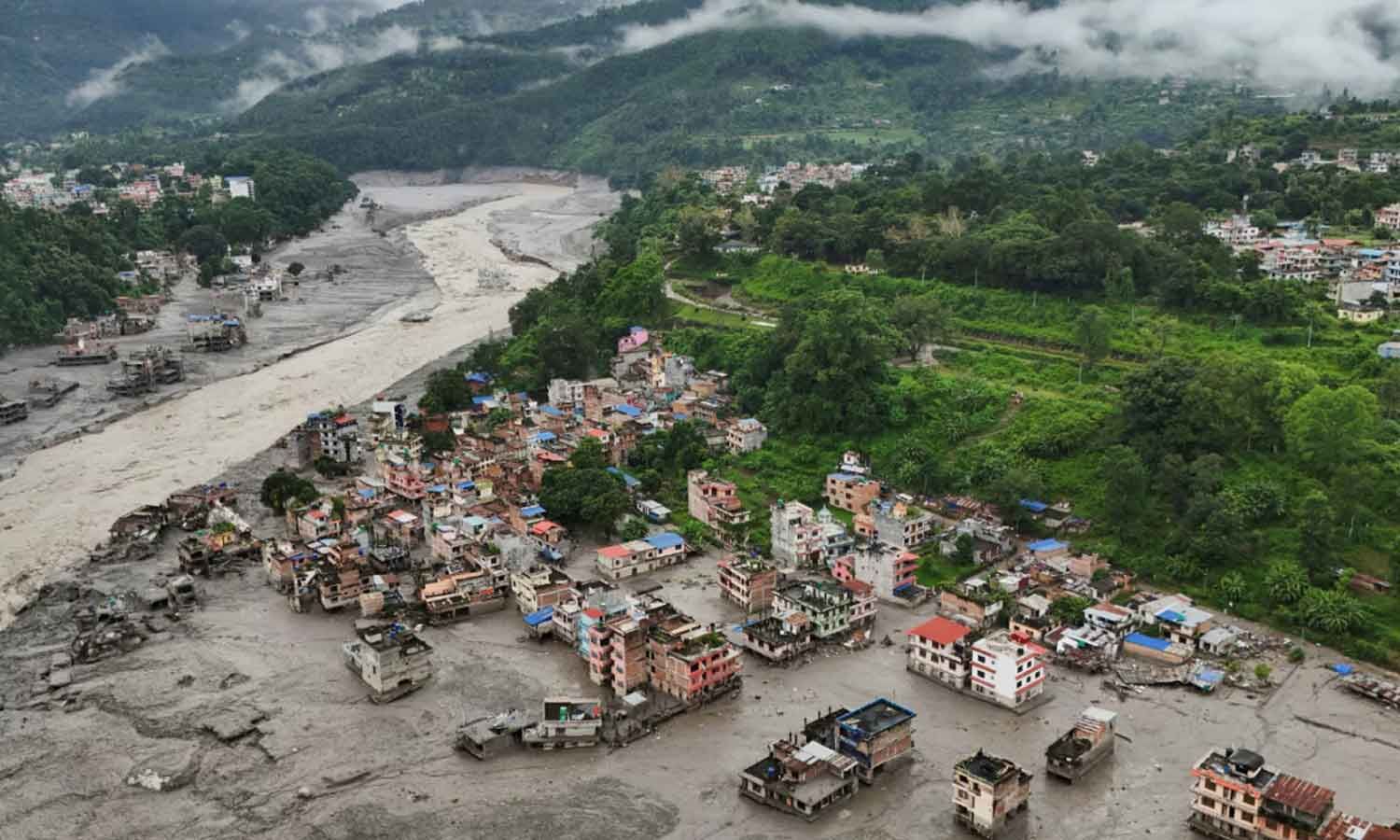
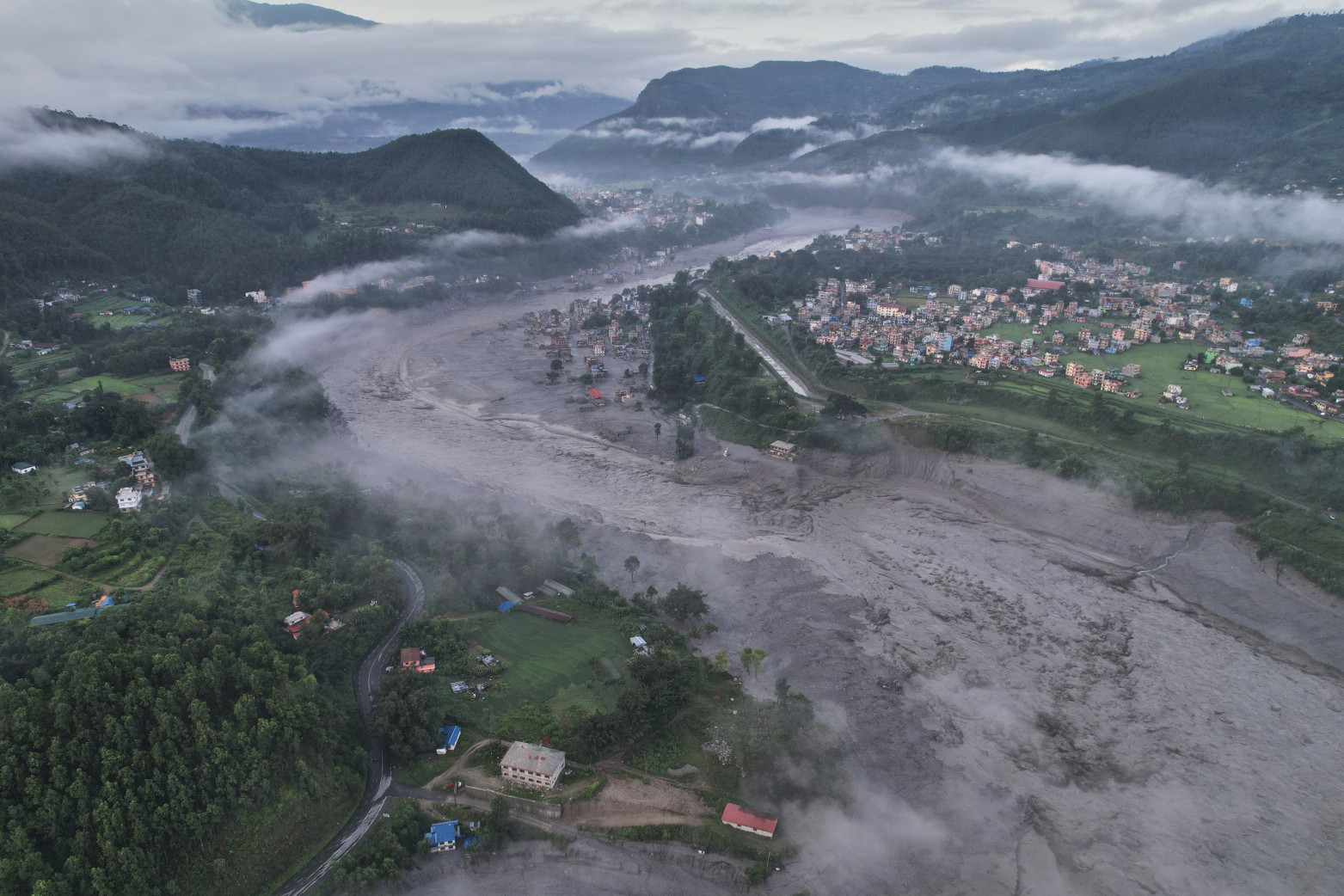
Water, mud and boulders rushed through valleys and destroyed homes, bridges, roads and power facilities.
Hundreds of people have died, and more than 3,000 are still missing.
Some workers may be trapped inside tunnels at hydropower projects.
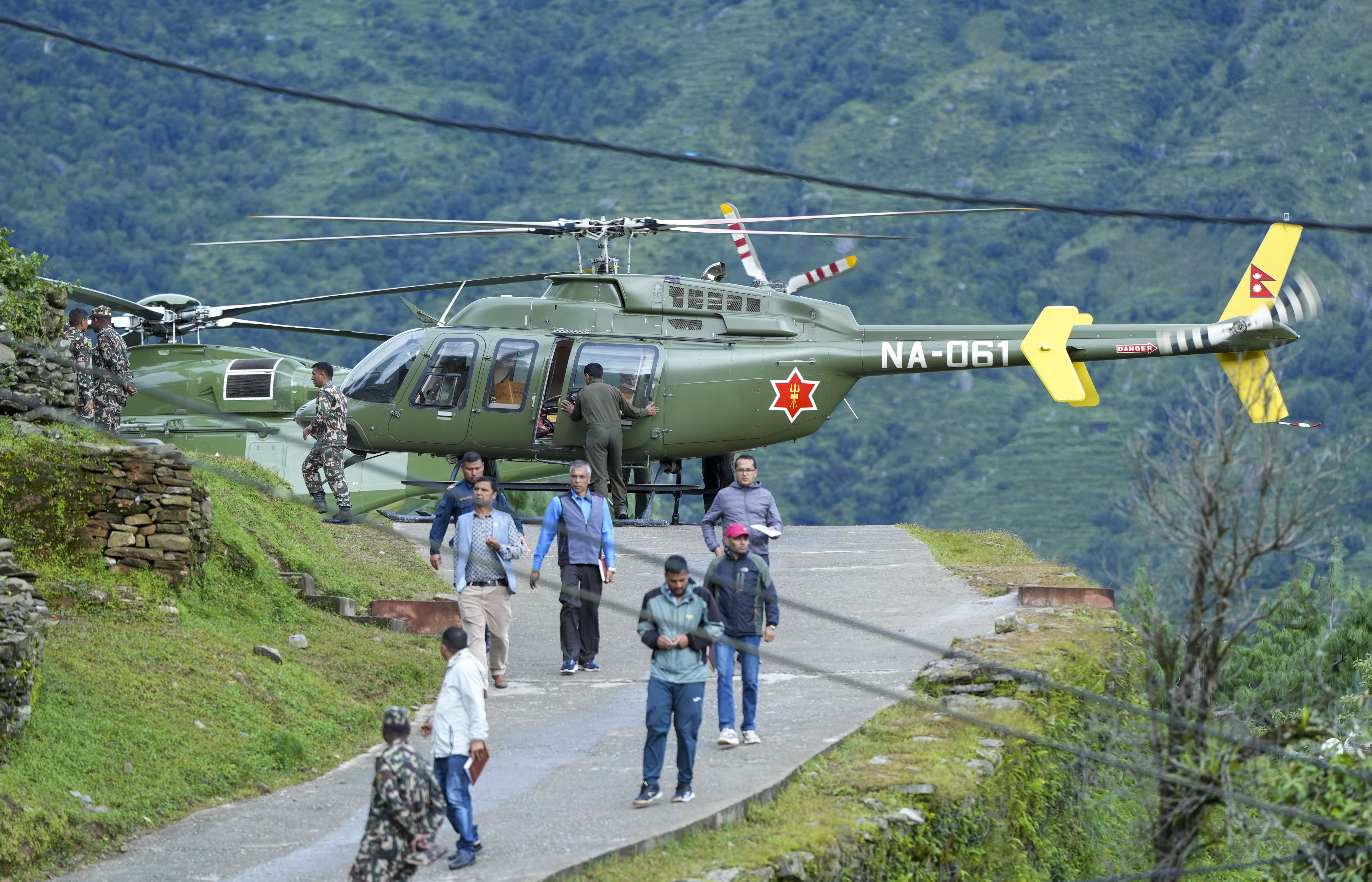
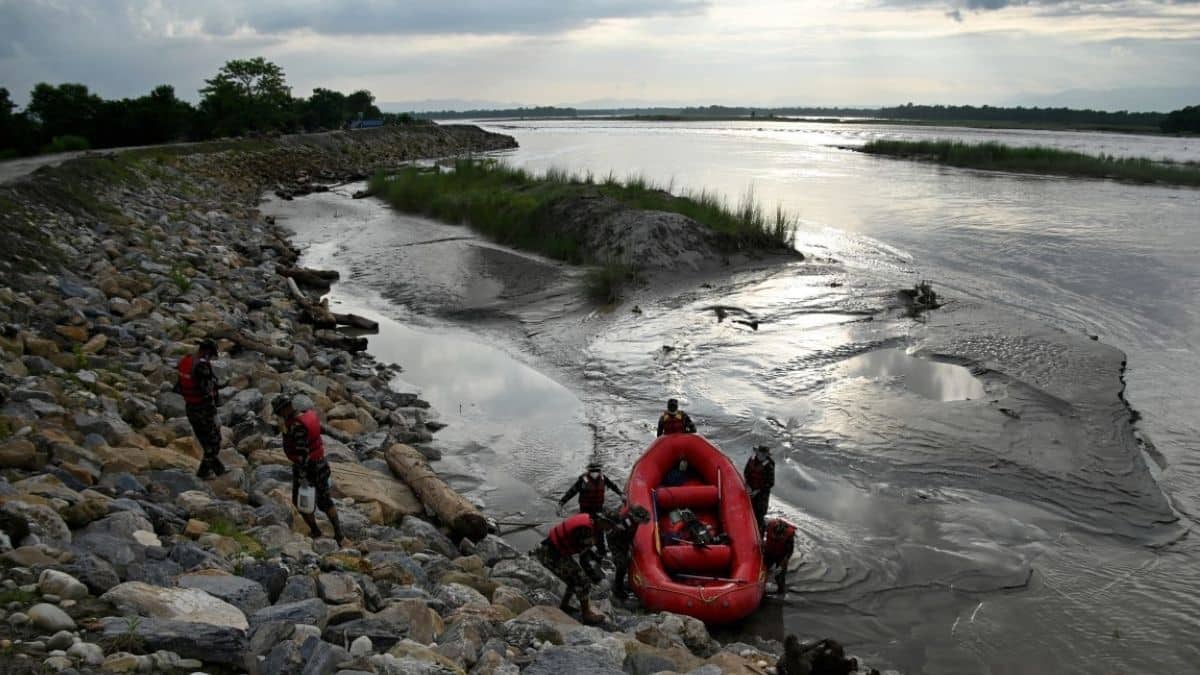
Nepal has sent more than 18,500 soldiers and police officers to help with rescue work.
India and China have sent teams with medical and tunnel-rescue skills.
Rain, damaged roads, steep land and unstable lakes are making the search difficult.
Officials warned that rivers could rise again and cause more flooding.
Nepal is asking other countries for equipment, money and help identifying the dead.

Reports place the combined Nepal-Tibet death toll between 675 and 734, with more than 3,000 people still missing or unaccounted for.
A glacial collapse near the China-Nepal border sent water, ice, mud, rocks and debris through river valleys on Wednesday.
Nepal warned residents and rescue personnel about rising Bhote Koshi River levels and possible renewed flooding.
More than 100 hydropower workers may be trapped in tunnels, prompting rescue efforts by Nepal, India and China.
Nepal requested specialized international assistance and estimated reconstruction costs at $4 billion to $5 billion.
- Who
- Residents, rescue workers, hydropower workers and foreign nationals in Nepal and Tibet; Nepal is receiving support from India, China and other governments and organizations.
- What
- A glacial collapse triggered catastrophic flash floods and mudslides, killing hundreds, leaving more than 3,000 people missing and damaging settlements and infrastructure.
- Where
- The worst-affected areas include Rasuwa, Nuwakot, Dhading and Chitwan in Nepal, along the Bhote Koshi and Trishuli river valleys, as well as Gyirong County in Tibet.
- When
- The flooding began on Wednesday; rescue operations continued through Saturday and Sunday, with one report describing the effort as entering its fifth day.
- Why
- Reports attributed the disaster to a glacial collapse or ice-rock avalanche that sent water and debris downstream, although one report said the precise cause remained unclear.
Reported Causes and Response
Alternative Emphases and Concerns
Cause of the flooding
Reported Causes and Response
The United States Geological Survey and other cited experts attributed the disaster to a glacial collapse or ice-rock avalanche near the high-altitude border.
Alternative Emphases and Concerns
Nepal’s foreign minister emphasized the growing threat of climate change, while another report said the collapse’s precise cause remained unclear.
International assistance
Reported Causes and Response
Nepal requested targeted foreign support, including tunnel-rescue expertise, forensic capabilities, DNA testing, freezers, heavy-lift drones and reconstruction funding.
Alternative Emphases and Concerns
One report noted that Nepal had earlier declined offers from some countries to send search-and-rescue teams before later seeking specialized assistance based on its needs.
Rescue priorities and risks
Reported Causes and Response
Authorities prioritized rescuing Nepalis and foreign nationals, locating missing people and reaching workers trapped in hydropower tunnels.
Alternative Emphases and Concerns
Rescue teams faced difficult terrain, heavy rain, damaged roads, rising rivers and unstable debris-filled lakes that could trigger further flooding.
Key facts
- Reported death toll
- Different reports gave combined Nepal-Tibet totals of 675, 690, 691 or 734; China separately reported 16 deaths in Tibet.
- Missing people
- More than 3,000 people were reported missing or unaccounted for, with Nepal figures ranging from 2,426 to 2,498 and Tibet figures ranging from 546 to 554.
- Nepalese response
- Nepal mobilized more than 18,500 military and police personnel for rescue operations.
- Tunnel rescue
- More than 100 workers were believed to be trapped in multiple hydropower tunnels, including projects at Trishuli 3A and Upper Trishuli-1.
- International teams
- China sent nine tunnel experts, while India sent an 11-member medical and tunnel-rescue team and a separate 19-member forensic contingent.
- Indian relief
- India said it had airlifted 68.5 tonnes of relief material and technical equipment to Nepal.
- Reconstruction estimate
- Nepal’s preliminary reconstruction estimate was $4 billion to $5 billion.
Quotes
David Fisher
Head of the Nepal delegation for the International Federation of Red Cross and Red Crescent Societies
“What’s unusual and frustrating is to be several days in and not be able to provide assistance to the bulk of people who’ve been affected”
 theprint.in
“It was a horror to walk around. It looks like a bomb blew up, a bomb made of mud, there’s nothing left. People have lost everything.”
theprint.in
 thehindubusinessline.com

National Disaster Risk Reduction and Management Authority
Nepal’s national disaster management authority
“Therefore, all personnel engaged in search, rescue, and relief operations, those in riverside areas, and everyone else in affected areas including Rasuwa, Nuwakot, Dhading, and Chitwan are requested to exercise caution.”
 scroll.in
“Further targeted assistance, as per the requirements of Nepal, is being mobilised. This includes Bailey bridges and associated technical teams for restoring connectivity and helping in relief efforts.”
scroll.in
Shisir Khanal
Nepal’s foreign minister
“The scale of devastation is quite significant and we anticipate international assistance for rehabilitation and reconstruction. Our capabilities are low so we have been asking for foreign government support”
theprint.in
thehindubusinessline.com
Sources
Nepal warns of more floods disrupting rescue efforts

Death toll rises to 734, over 3,000 missing in Nepal, Tibet as authorities warn of fresh flooding

Nepal warns of more floods as rescue efforts risk disruption
Nepal floods: Toll climbs to 691, nearly 3,000 missing as rescue efforts enter fifth day
Nepal Flood Death Toll Reaches 675, Nearly 3,000 Still Missing; India Expands Rescue Aid
Related news
Nepal-Tibet Flood Death Toll Reaches 691

Glacial Collapse Floods Nepal and Tibet, Leaving Thousands Missing
Nepal Flood Toll Reaches 903 as Thousands Remain Missing
Nepal-Tibet Glacial Floods Kill 939 as Rescues Enter Day Six
Nepal-China Glacier Collapse Leaves Hundreds Dead, Thousands Missing
Nepal Flood Death Toll Reaches 675 as Thousands Remain Missing

Nepal Thanks India as Glacial Disaster Rescue Efforts Continue
Nepal Warns of Heavy Rain After Deadly Floods
Nepal Flood Exposes Delayed Alerts and Cross-Border Warning Gaps

Bhotekoshi Flood Crisis: Nepal PM Shah Calls for Courage

Nepal PM Thanks India, China Amid Climate Compensation Demand