

1 day ago
Nepal Floods Expose Climate Inequality and Himalayan Vulnerability
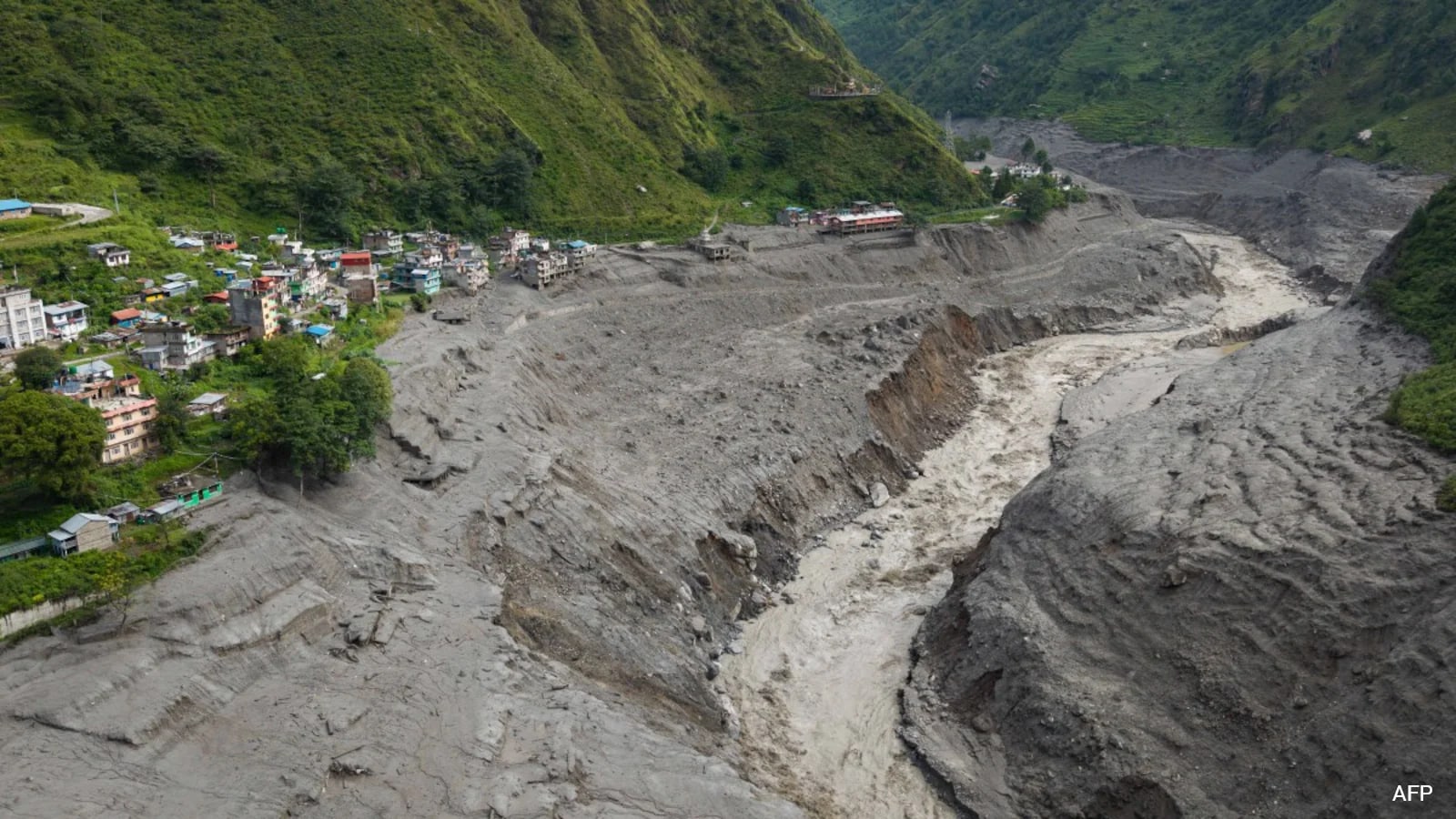
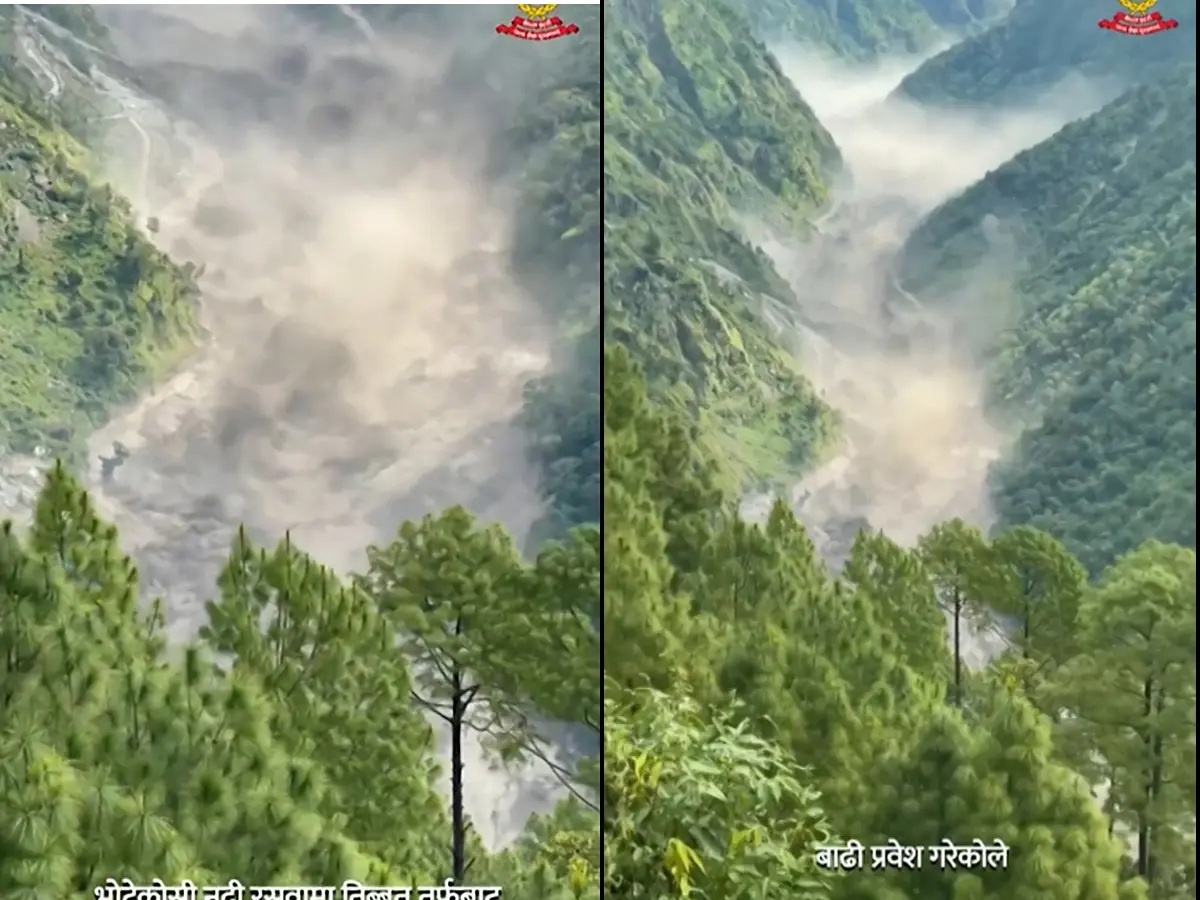
A large piece of ice and rock collapsed in the Himalayas of Nepal.
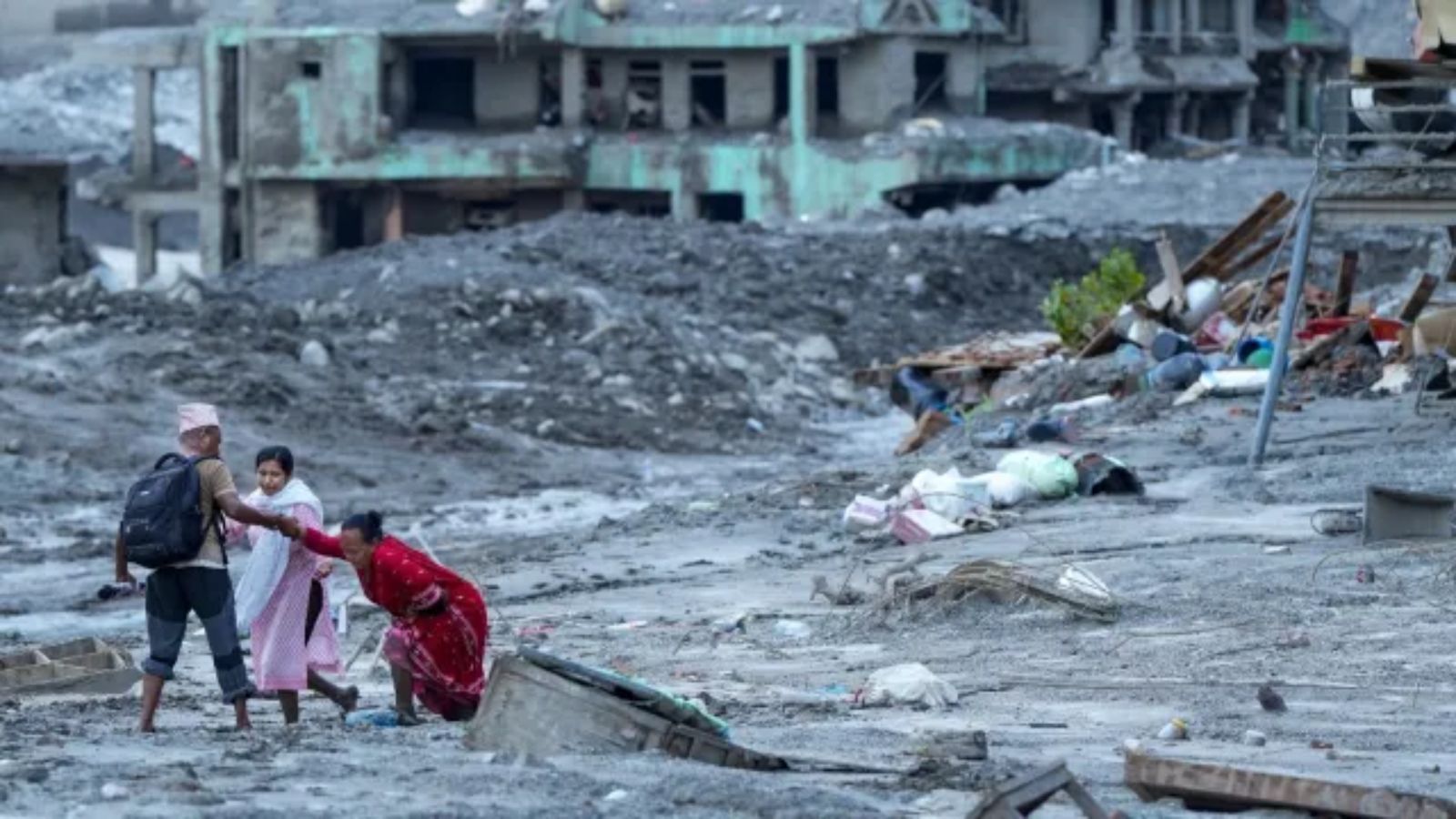
This sent a fast-moving flood of water, mud and boulders down several river valleys.
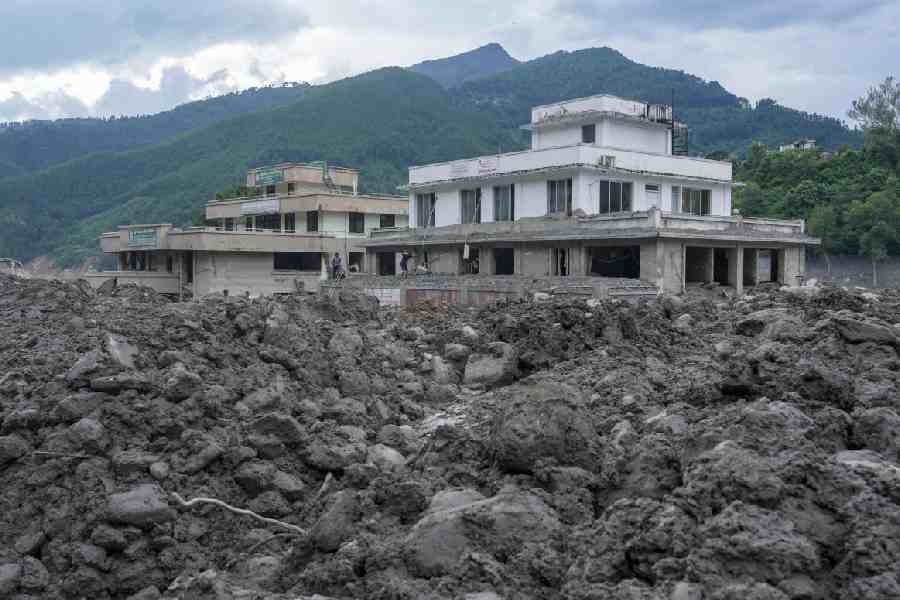
The flood destroyed homes, roads, bridges and important infrastructure.
Nepal makes less than 0.1% of the greenhouse gases that warm the planet.
However, its mountains and fragile environment make it especially vulnerable to climate change.
Experts say richer countries that produced more emissions should help Nepal pay for stronger buildings and warning systems.
They also say Nepal must plan settlements and infrastructure more carefully.
Nepal, India and China are being urged to cooperate because the Himalayan rivers and hazards cross borders.

A glacial collapse on August 26, 2026, sent water, mud and boulders through Nepal’s Himalayan valleys.
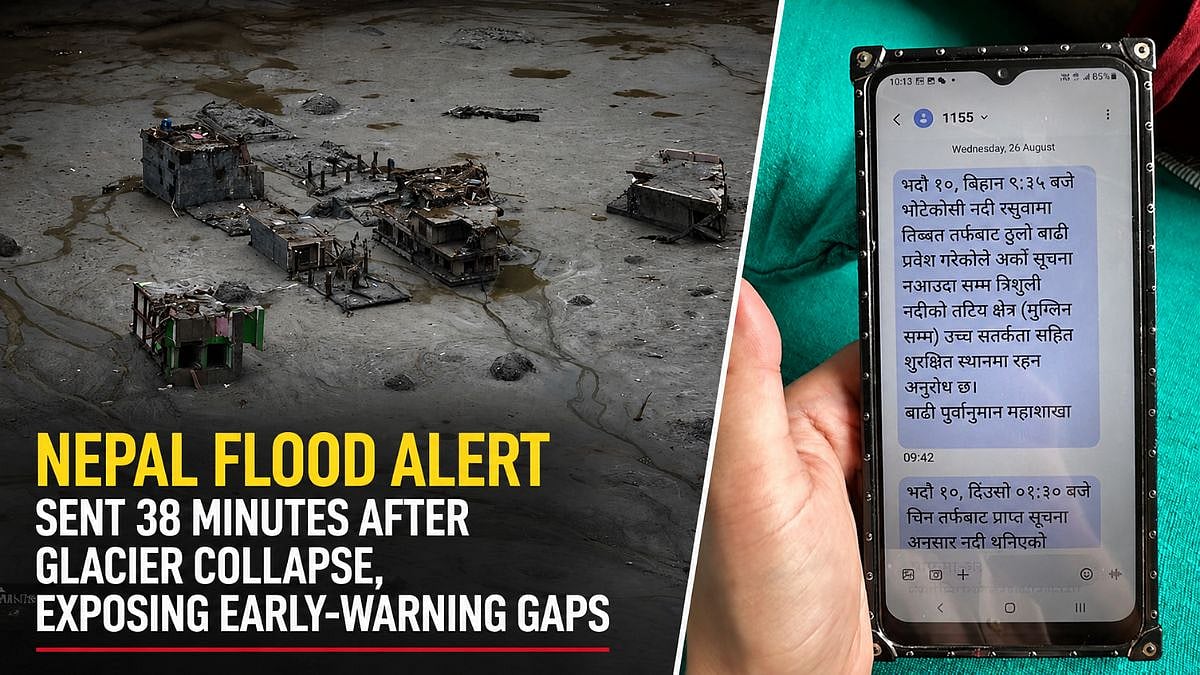
The surge damaged monitoring stations, settlements, roads, bridges, border infrastructure and hydropower facilities.
Nepal produces less than 0.1% of global greenhouse-gas emissions but faces severe climate-related hazards.
Experts called for climate finance, technology transfers and stronger support from historically high-emitting countries.
They also urged Nepal to improve land-use planning, infrastructure standards, early warnings and cross-border basin cooperation.
- Who
- Communities and infrastructure in Nepal were affected; experts Shashi Chaudhary and Ramesh Raj Pant discussed the disaster and its wider implications.
- What
- A glacial collapse triggered a destructive surge of water, mud and boulders through connected river systems.
- Where
- It struck high-altitude valleys near the Nepal-China border, including areas in Rasuwa, Nuwakot and Dhading districts.
- When
- The disaster occurred in the early hours of August 26, 2026.
- Why
- Experts linked the cascading hazards to warming temperatures, fragile Himalayan terrain, inadequate resilience and weaknesses in risk-sensitive planning.
Global Climate Accountability
Domestic and Regional Resilience
Responsibility for the disaster’s wider causes
Global Climate Accountability
Shashi Chaudhary and Ramesh Raj Pant argue that Nepal contributes very little to global emissions but suffers disproportionate consequences, so historically high-emitting countries should provide greater financial and technical support.
Domestic and Regional Resilience
The experts also emphasize that Nepal must strengthen its own risk mapping, land-use planning, infrastructure standards and disaster preparedness rather than relying only on external assistance.
Emergency relief versus long-term recovery
Global Climate Accountability
Humanitarian aid is necessary immediately, but Nepal needs long-term concessional financing to rebuild homes, livelihoods, roads, bridges and other infrastructure in climate-resilient ways.
Domestic and Regional Resilience
Recovery should be tied to stronger domestic governance so rebuilding does not reproduce unsafe settlements or infrastructure in high-risk areas.
National action versus cross-border cooperation
Global Climate Accountability
Nepal’s vulnerability cannot be addressed by one developing country alone because the climate crisis and Himalayan hazards have international causes and consequences.
Domestic and Regional Resilience
Nepal, India and China should coordinate basin management, glacial lake monitoring and transboundary early-warning systems across the shared Himalayan ecosystem.
Key facts
- Country’s emissions
- Nepal contributes less than 0.1% of global greenhouse-gas emissions.
- Trigger
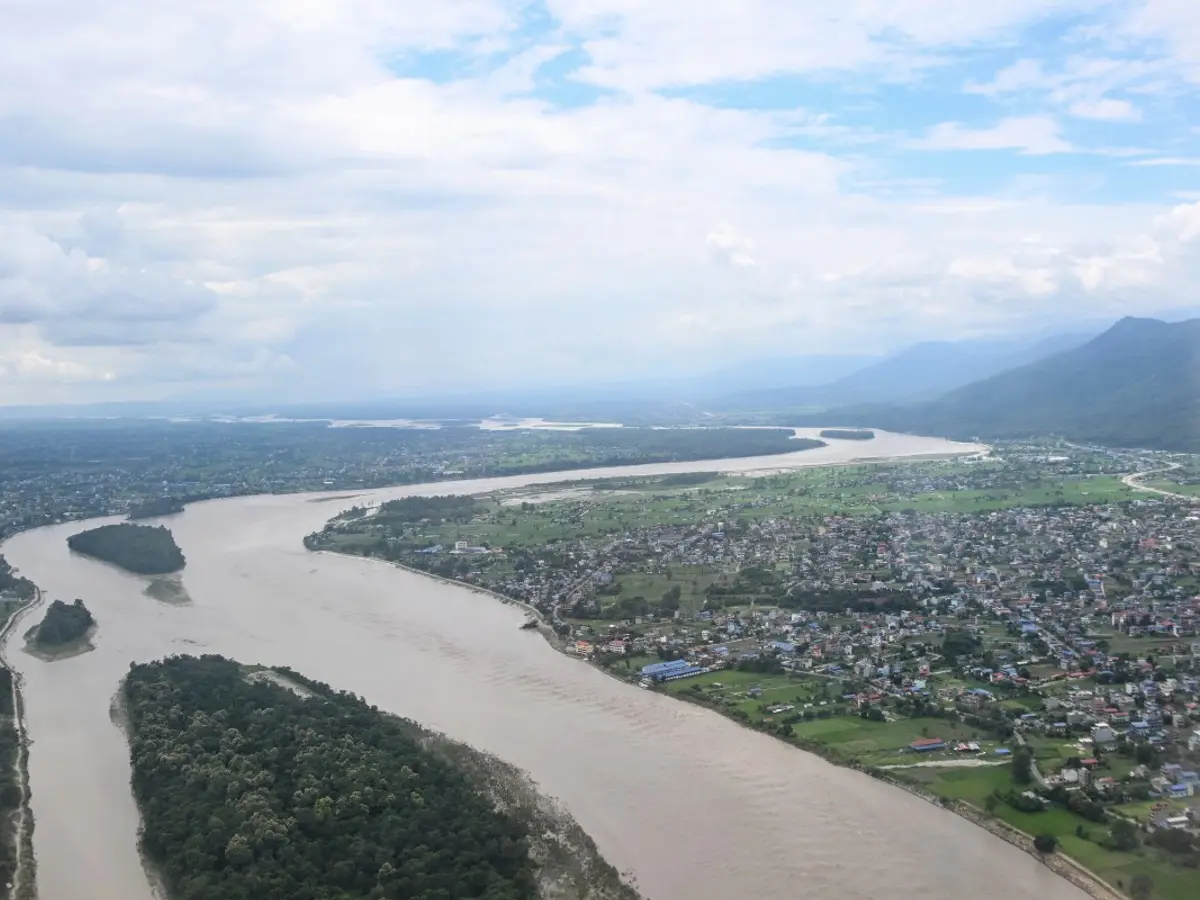
- A massive glacial collapse sent a surge through the Lhende Khola, Bhote Koshi and Trishuli river systems.
- Affected districts
- Rasuwa, Nuwakot and Dhading.
- Infrastructure damage
- Settlements, border infrastructure, roads, bridges, flood-monitoring stations and hydropower facilities were damaged or swept away.
- Nepal’s adaptation measures
- The country has pursued a National Adaptation Plan, community disaster preparedness networks and anticipatory action protocols.
- National policies
- Nepal adopted the Disaster Risk Reduction and Management Act in 2017 and the Climate Change Policy in 2019, and established the National Disaster Risk Reduction and Management Authority.
- Requested international support
- Experts called for long-term concessional climate financing, technology transfer and assistance with resilient infrastructure and early-warning systems.
Quotes
Dr Ramesh Raj Pant
Assistant Professor at Tribhuvan University’s Central Department of Environmental Science
“Nepal, India and China must work together to build robust early warning systems, strengthen basin management and monitor GLOFs to safeguard lives and property in the future…”
 NDTV
NDTV
“The tragedy lies in the disproportionate impact: nations like Nepal, which have contributed least to the climate crisis, are paying the highest price.”
NDTV
Sources
Related news
Nepal Faces Climate Disaster Costs It Barely Helped Create

Nepal Seeks Climate Compensation After Deadly Floods
Nepal Floods Kill 1,010 as 4,000 Remain Missing
Nepal Seeks Climate Reparations While Facing Its Own Responsibility
Nepal PM Urges Climate Action After Himalayan Flood Disaster
Melting Glaciers Push Nepal Toward Its Adaptation Threshold

Nepal Thanks India as Glacial Disaster Rescue Efforts Continue
Nepal Warns of Heavy Rain After Deadly Floods
Nepal Flood Exposes Delayed Alerts and Cross-Border Warning Gaps

India to Rebuild Nepal School After Principal Saves 1,600
Maharashtra Mountaineers Join Search for Missing Nepal Trekkers
