19 hrs ago
Nepal Seeks Climate Reparations While Facing Its Own Responsibility
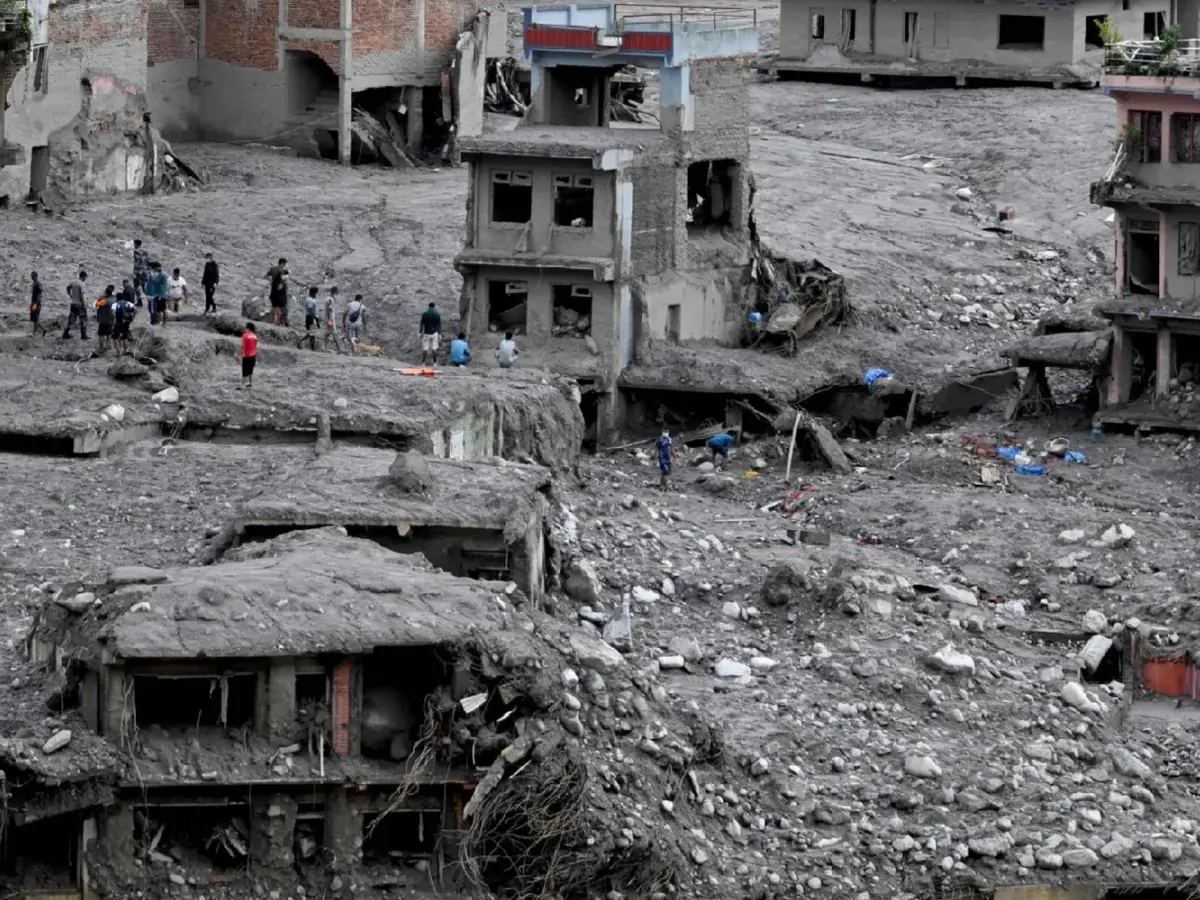
Nepal has suffered from serious flash floods, and its government wants other countries to pay compensation.
It says large countries helped cause the climate problems affecting the Himalayas.
The article agrees that climate change is human-made and that Himalayan countries face serious risks.
But it also says Nepal must protect its own mountains and rivers.
Mount Everest has too many climbers and too much waste.
Nepal also chooses which hydropower projects and foreign investors can operate there.
The article says Nepal should enforce stronger environmental rules instead of only blaming other countries.
It concludes that solving climate change requires responsibility from every country.

Nepal’s government has asked India, China and the United States to accept blame and pay compensation for recent flash floods.
The article says Nepal’s Himalayan climate crisis is real and human-caused, but argues that Kathmandu also has environmental responsibilities.
Mount Everest faces overcrowding and waste pressures despite permit limits and higher climbing fees.
Nepal controls decisions on tourism, hydropower projects, foreign investment and environmental assessments within its territory.
The article urges Nepal to limit tourism, enforce waste rules and apply scientific environmental standards while supporting broader climate finance.
- Who
- Nepal’s Balendra Shah government, along with India, China and the United States, are central to the dispute.
- What
- Nepal has sought accountability and compensation from India, China and the United States for recent flash floods rather than ordinary aid.
- Where
- The dispute concerns Nepal and the Himalayan region, including Mount Everest.
- When
- The request was made while families were still dealing with the recent flash-flood tragedy; no specific date is given.
- Why
- Nepal says Himalayan countries are disproportionately exposed to human-caused climate change, while the article argues Nepal must also address its own environmental policies.
Nepal’s Climate-Reparations Case
Nepal’s Domestic Responsibility
Responsibility for the floods
Nepal’s Climate-Reparations Case
Nepal argues that India, China and the United States should accept blame for the recent flash floods and provide compensation.
Nepal’s Domestic Responsibility
The article argues that Nepal should not immediately blame other countries because its own environmental and development decisions also affect its vulnerability.
Climate finance versus aid
Nepal’s Climate-Reparations Case
Nepal says affected Himalayan countries need accountability and climate reparations rather than simple assistance.
Nepal’s Domestic Responsibility
The article says every country should support genuine climate finance and reduce global warming, but climate responsibility is not a one-way obligation.
Environmental governance
Nepal’s Climate-Reparations Case
Nepal’s demand is presented as grounded in the real, human-made climate crisis facing the Himalayas.
Nepal’s Domestic Responsibility
Nepal should become a model of Himalayan environmental governance by restricting tourism, enforcing waste rules and applying scientific standards to hydropower and infrastructure projects.
Key facts
- Government involved
- The Balendra Shah government of Nepal
- Countries addressed
- India, China and the United States
- Requested response
- Accountability and compensation rather than aid
- Environmental pressure
- Mount Everest experiences recurring overcrowding and waste problems
- Tourism concern
- Thousands of people visit Mount Everest despite permit limits
- Development concern
- Nepal is pursuing hydropower development and foreign investment
- Proposed reforms
- Limit tourism, enforce waste rules and conduct environmental assessments
Sources
Related news

Nepal Seeks Climate Compensation After Deadly Floods
Nepal Faces Climate Disaster Costs It Barely Helped Create
Nepal Floods Kill 1,010 as 4,000 Remain Missing
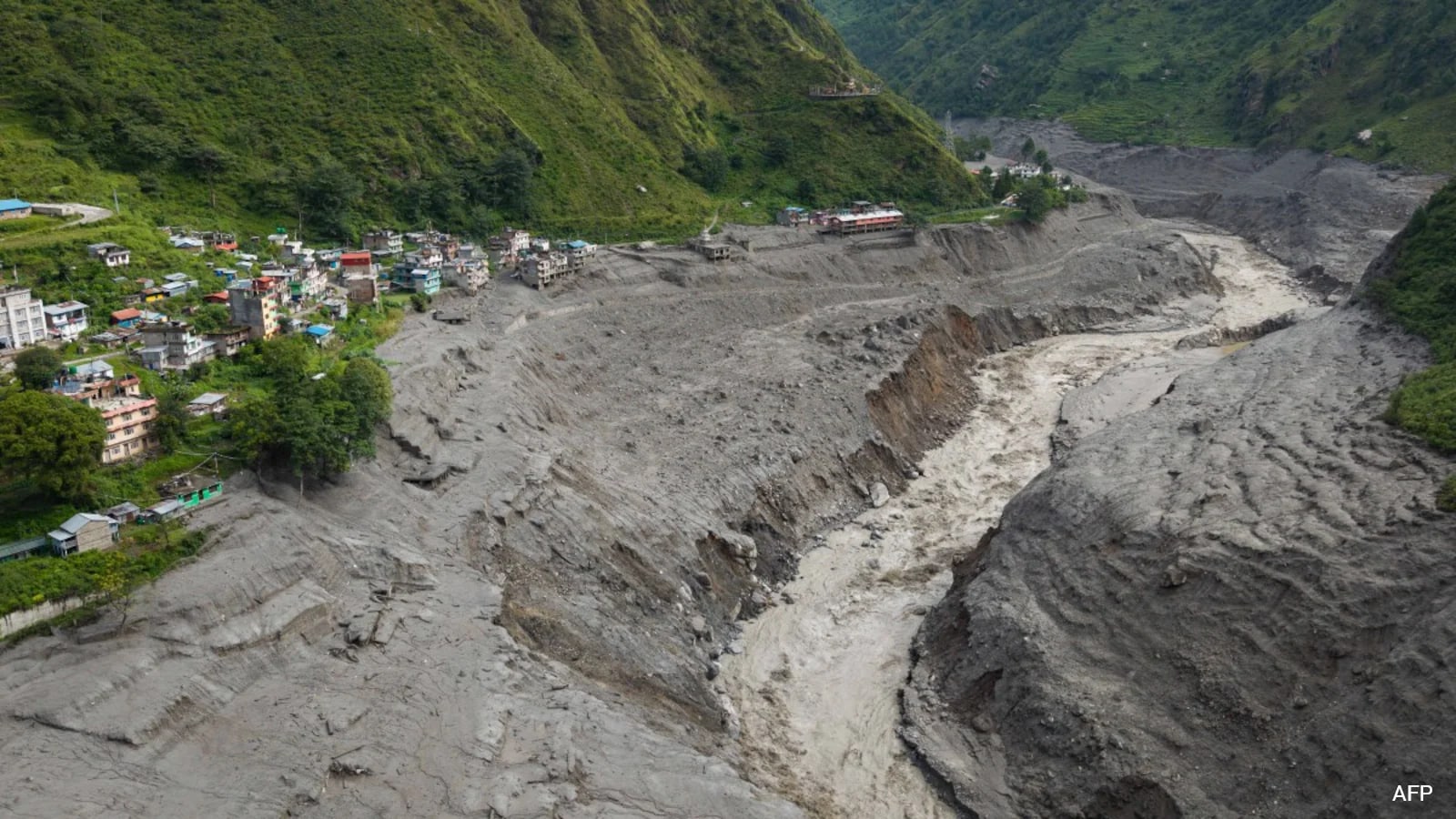
Nepal Floods Expose Climate Inequality and Himalayan Vulnerability
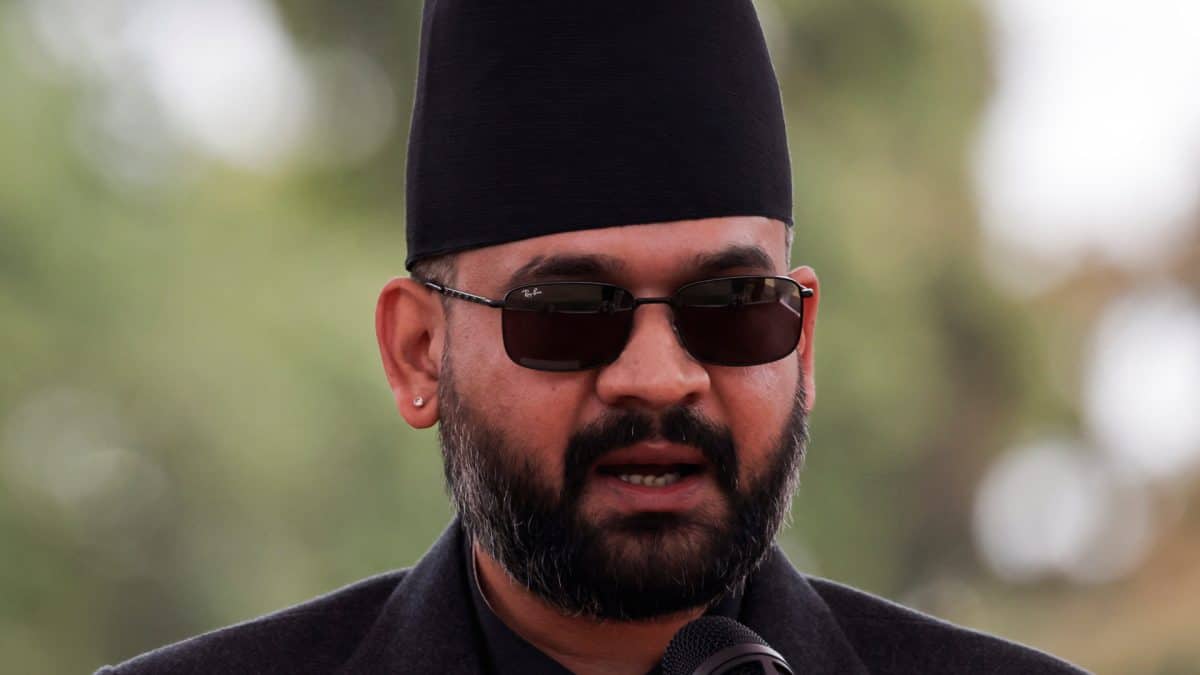
Nepal PM Thanks India, China Amid Climate Compensation Demand

Nepal Calls Climate Justice A Top National Priority

Everest Mountaineer Dhakpa Tenzin Dies on China Border Duty
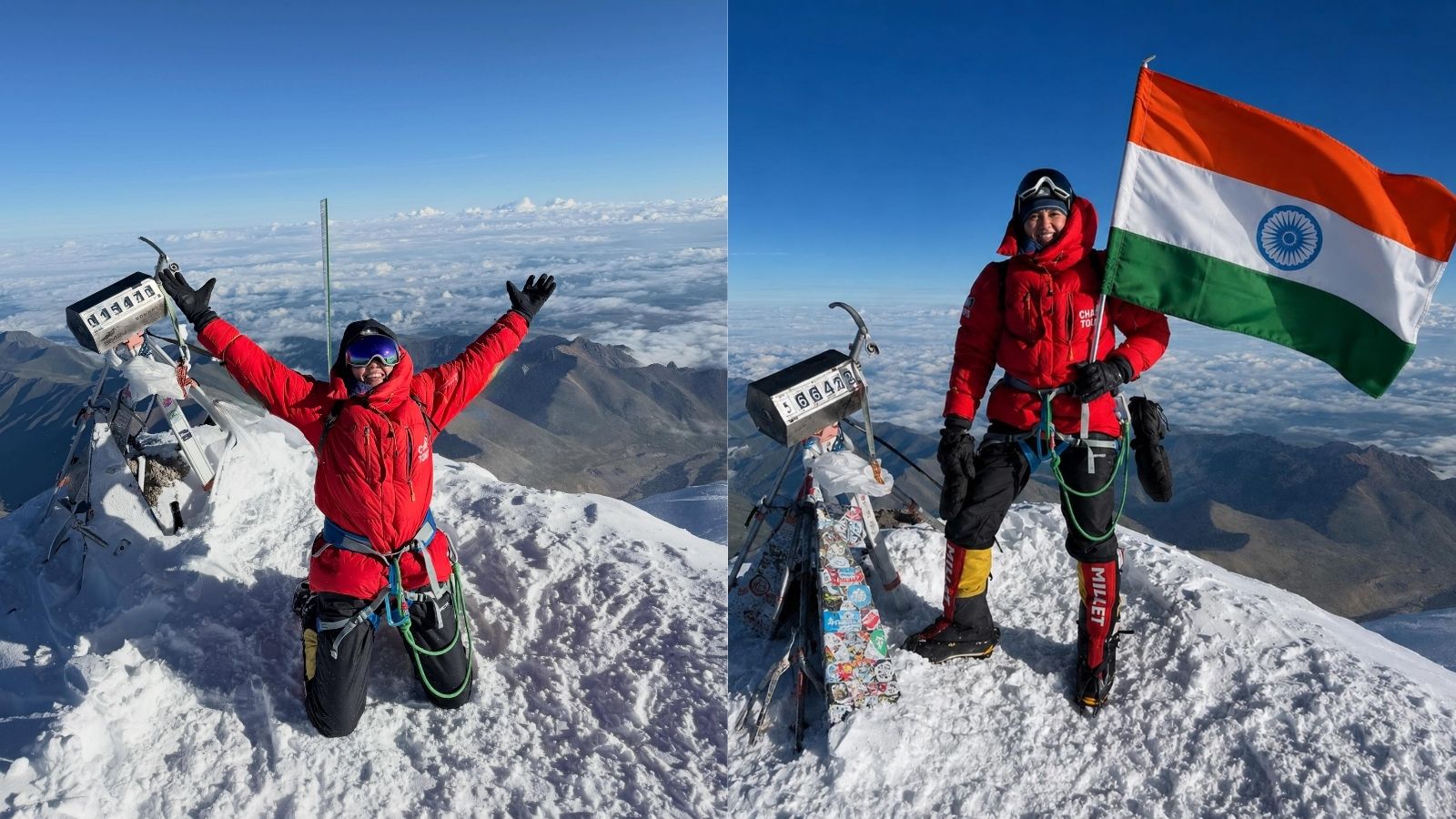
Indian Mother Shivani Mehrotra Scales Mount Elbrus, Eyes Everest

Lahu Ugade Wins India’s Naked and Afraid Survival Challenge