1 week ago
Omani Waters Emerge as Gulf Oil Route Amid Hormuz Risks

Ships carrying oil are increasingly using waters near Oman because travel through the Strait of Hormuz has become uncertain.
Some ships are also turning off their tracking systems while sailing.
However, insurance companies still say the Omani route is dangerous.
This means ships can move oil, but they cost more to insure and operate.
India is especially affected because it is receiving less oil from Russia than it did in July.
India is therefore looking more toward Saudi Arabia, the United Arab Emirates, and other Gulf suppliers.
Saudi Arabia and the UAE are also using pipelines and Fujairah to avoid relying completely on Hormuz.
Even with these alternatives, Gulf oil shipments remain below their earlier level, raising concerns about future supplies and prices.

More than 80% of outbound Gulf oil flows are using Omani waters or sailing with tracking systems switched off, according to Kpler.
Insurers still classify the Omani corridor as risky, with war-risk cover for one Hormuz voyage quoted at $5 million to $14 million.
Indian crude imports from Russia fell to about 1.9 million barrels per day in the first half of August, down from 2.8 million in July.
Hormuz crossings fluctuated from three to 12 between August 16 and 18, while Bab-el-Mandeb crossings ranged from 30 to 46.
Saudi Arabia and the United Arab Emirates are rerouting about 4 million barrels per day through pipelines and Fujairah, but Gulf exports remain below pre-war levels.
- Who
- Gulf oil producers, tanker operators, insurers, India, Russia, Saudi Arabia, and the United Arab Emirates are involved.
- What
- Oil traffic is increasingly moving through Omani waters or using alternative routes as Strait of Hormuz shipping remains disrupted and risky.
- Where
- The key routes are Omani waters, the Strait of Hormuz, Bab-el-Mandeb, Saudi Arabia’s East-West pipeline to Yanbu, and the UAE export route through Fujairah.
- When
- The report cites developments through August 19, with vessel crossings measured from August 16 to 18 and crude flows measured in the first half of August.
- Why
- Continued attacks and intermittent stoppages have disrupted Hormuz shipping, while reduced Russian crude availability has increased India’s need for Gulf supplies.
Operationally Usable Route
Unsafe and Costly Corridor
Whether Omani waters provide a workable Hormuz alternative
Operationally Usable Route
Tankers continue to pass through Omani waters, and Kpler says more than 80% of outbound flows are either using that route or sailing dark, indicating that Gulf oil is still moving.
Unsafe and Costly Corridor
Insurers do not regard the corridor as a dependable safe lane and now treat it as part of the target set amid continued attacks.
Whether current alternatives are sufficient
Operationally Usable Route
Saudi Arabia’s East-West pipeline, UAE exports through Fujairah, and Omani traffic offer refiners additional sourcing and routing flexibility.
Unsafe and Costly Corridor
Total Gulf shipments remain well below pre-war levels, while higher insurance, freight, and crude costs mean the alternatives have not restored stable supply conditions.
Key facts
- Outbound flows
- More than 80% are using Omani waters or sailing with tracking systems switched off, according to Kpler.
- Hormuz war-risk cover
- Quoted at $5 million to $14 million for a single voyage.
- Indian Russian crude imports
- About 1.9 million barrels per day in the first half of August, compared with 2.8 million in July.
- Indian crude basket
- Averaged $88.62 per barrel in August so far, up from $82.04 in July.
- Alternative Gulf routes
- Saudi Arabia and the UAE are rerouting an estimated 4 million barrels per day through pipelines and Fujairah.
- Current Gulf exports
- Persian Gulf liquids reaching global markets are about 9 million to 10 million barrels per day, including 7.5 million barrels per day of crude.
- Brent price
- Reached $91.81 per barrel on August 19, according to the report.
Quotes
Kpler
Industry analytics firm specializing in maritime data
“More than 80% of outbound flows are either transiting through Omani waters or sailing dark, Kpler said, adding the latter are also likely using the Omani route.”
 financialexpress.com
“Insurers now treat the Omani corridor, designed as the safe lane, as part of the target set.”
financialexpress.com
Sources
Related news

India Diversifies Oil Supplies as Hormuz Becomes Less Powerful
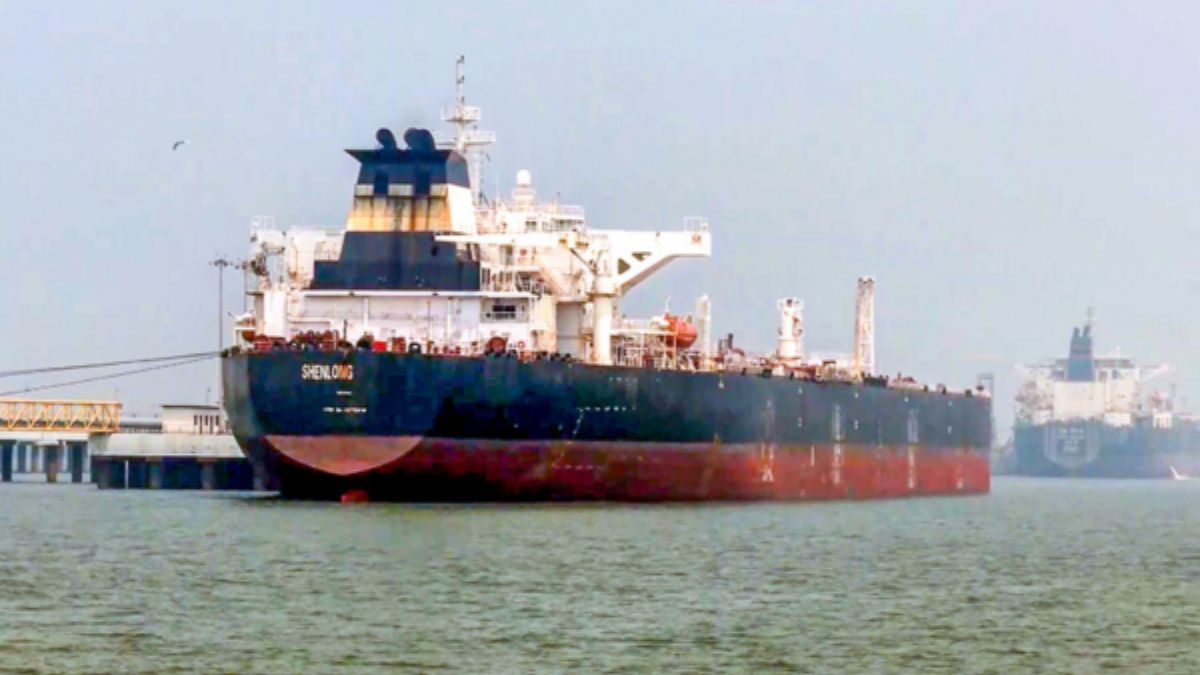
Hormuz Disruption Drives India’s Crude Freight Costs Sharply Higher
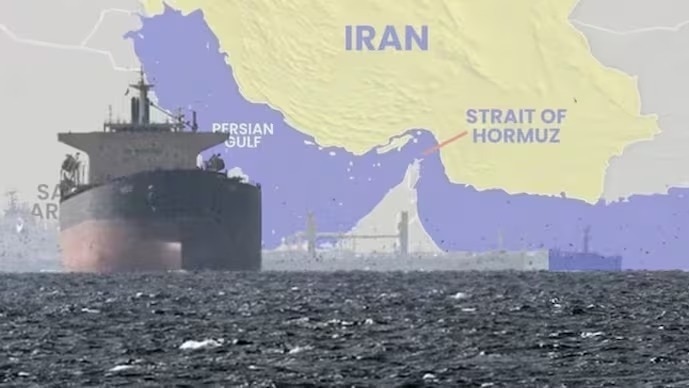
BPCL Risks Strait of Hormuz to Bring Iraqi Crude
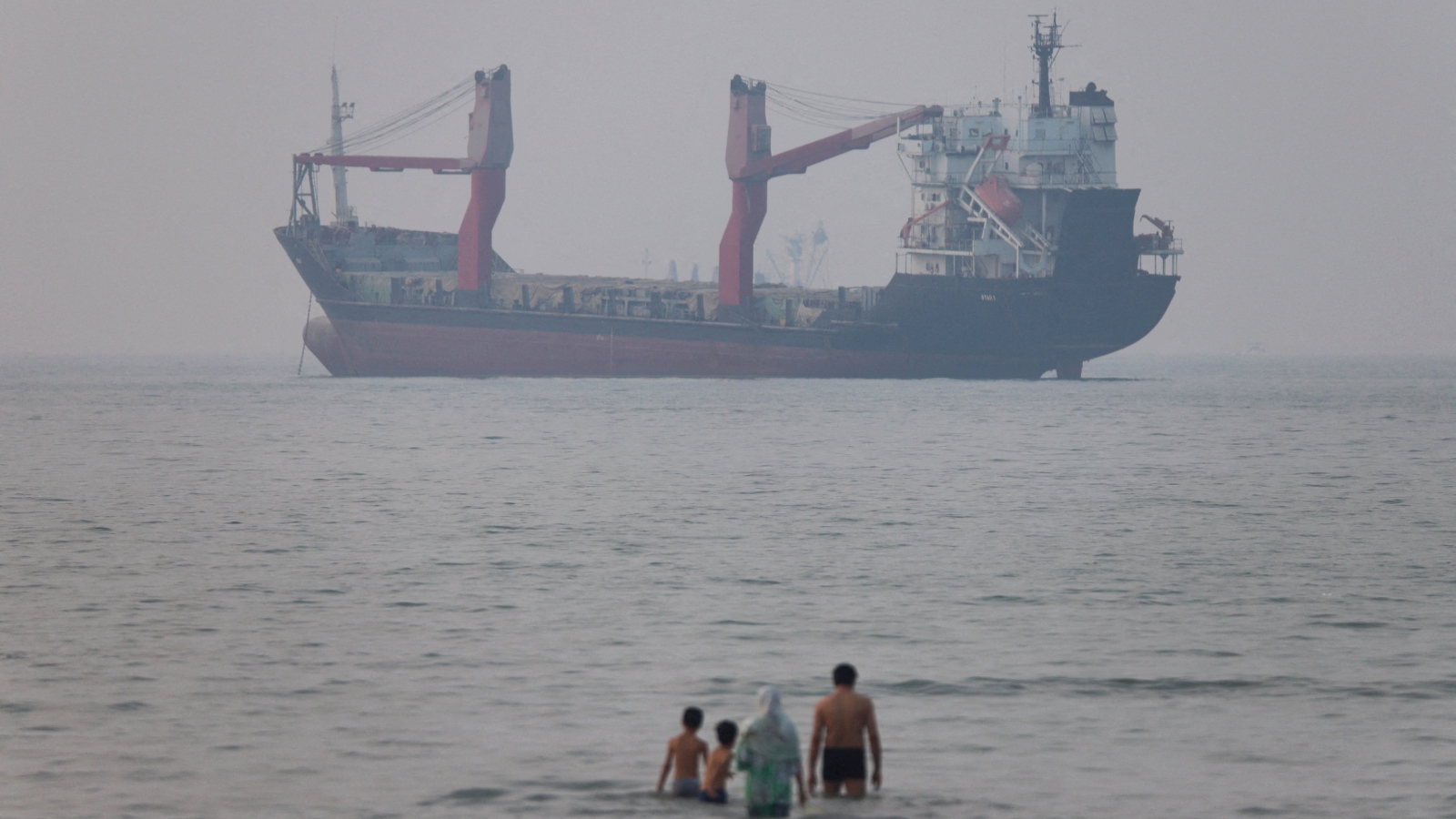
Shipping Data Challenges US Claims of Control Over Hormuz
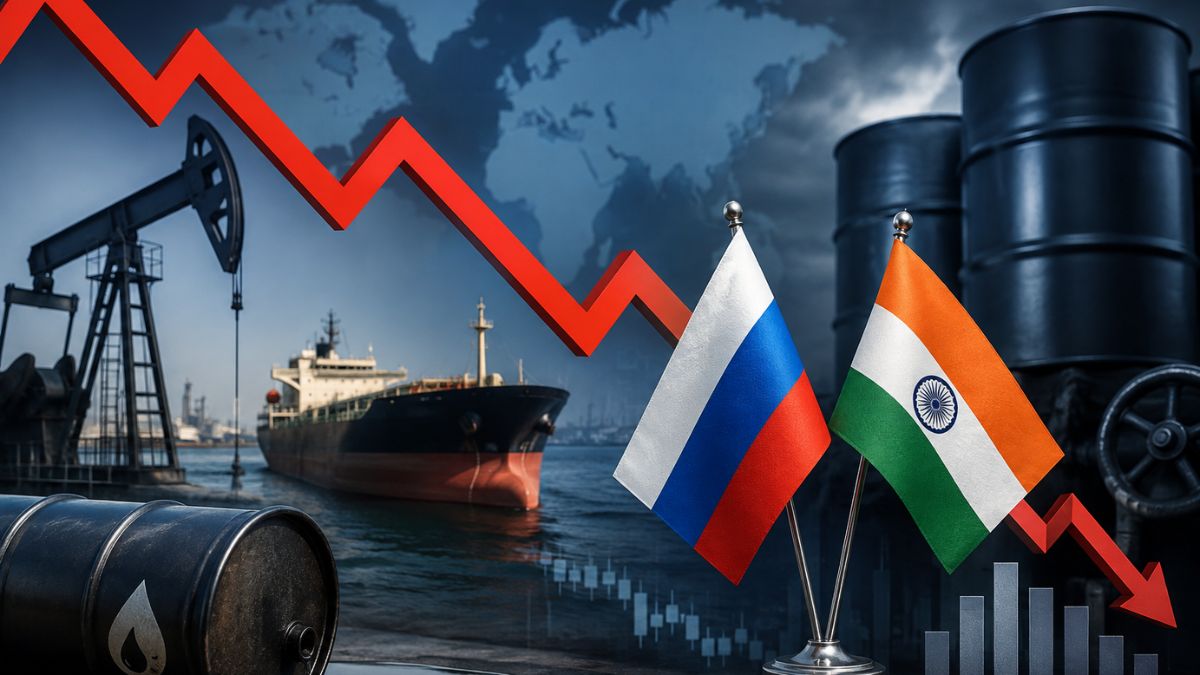
India’s Russian Oil Imports Drop Amid Competition and Supply Pressure

Indian Seafarers Face Risks Sailing Through Strait of Hormuz

Chevron Plans $7 Billion Venezuela Expansion Amid U.S. Oil Push

Saudi Arabia Says Iranian Tanker Attack Killed Two Sailors
U.S.-Iran Exchange Escalates Across Middle East, Markets Slide

Trump Aides Seek Quiet Iran War Before Midterm Elections

US Warns Middle East Travelers Amid Escalating Iran-Linked Tensions