2 weeks ago
Shipping Data Challenges US Claims of Control Over Hormuz
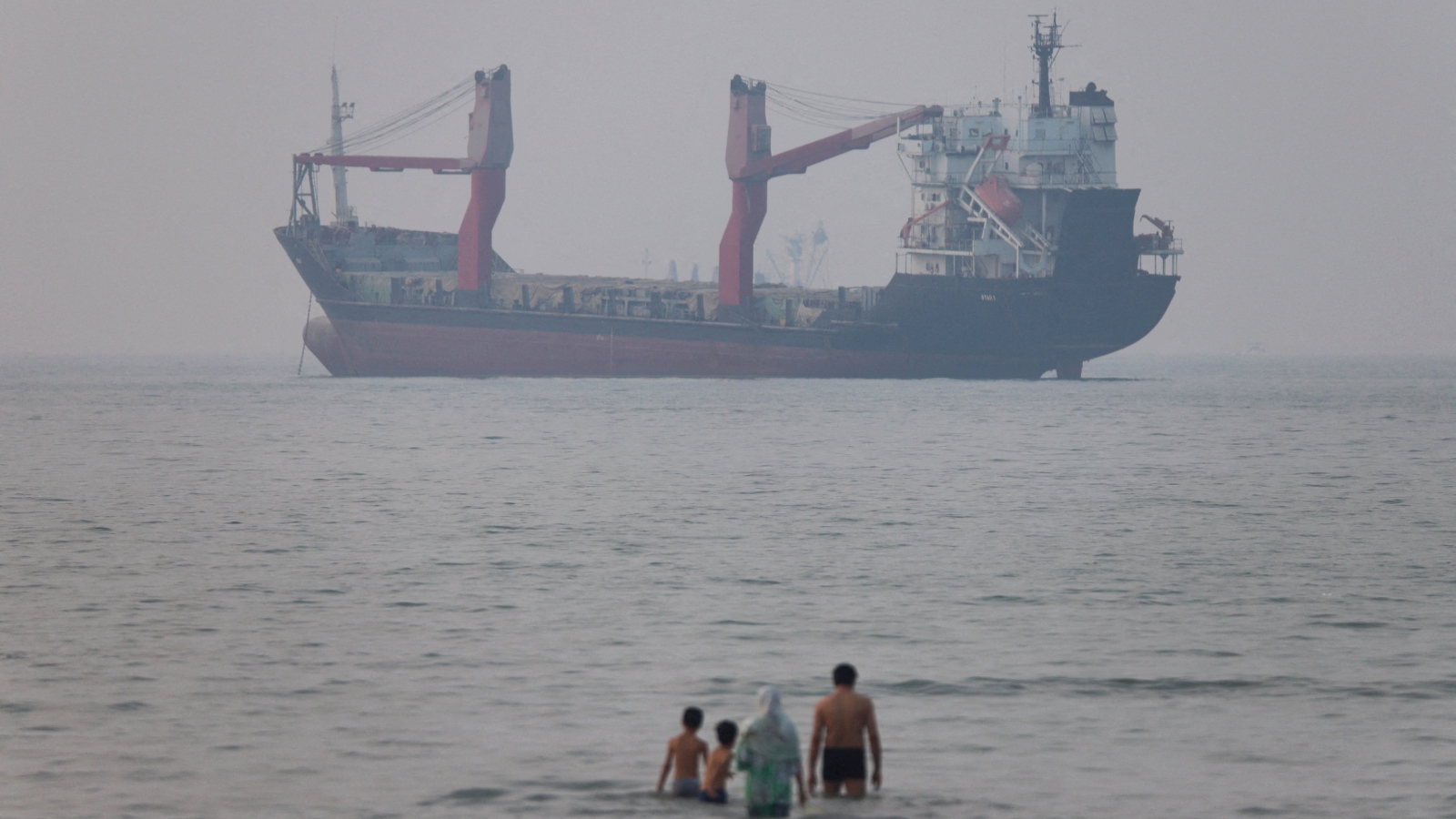
The Strait of Hormuz is a narrow sea route used by many ships carrying oil and gas.
The United States says its navy is helping keep the route open.
Iran says it still controls the waterway and has opposed ships using the Omani side.
Tracking data shows that some ships are now choosing the Omani route or hiding their tracking signals.
However, far fewer ships are crossing than before the war.
This means Iran may have lost some ability to control its preferred route, but the United States has not restored normal shipping.
Oman is talking with Iran about how ships can travel safely.
The uncertainty is making oil more expensive and could increase costs for countries such as India.

Kpler recorded six commodity-vessel crossings through the Strait of Hormuz on Tuesday, below its 10-day average of 11.
More than 80% of liquid-cargo transits in the previous two weeks used the Omani side or were likely “dark” transits.
The United States says its naval forces are protecting shipping, while Iran insists the strait remains under its control or closed.
Overall traffic remains far below the roughly 130 vessels per day reported before the war, when the waterway carried about 20% of global crude oil and LNG shipments.
The disruption has pushed up energy-market concerns, with Brent crude reaching $91.79 per barrel on Wednesday.
- Who
- The United States, Iran and Oman are central to the dispute; commercial shipowners, Gulf oil exporters and maritime tracking firms are also involved.
- What
- The countries are contesting control and safe navigation in the Strait of Hormuz while commercial shipping remains sharply reduced.
- Where
- The Strait of Hormuz and the nearby Omani side and Gulf of Oman.
- When
- The latest figures cited cover Tuesday crossings and the previous two weeks; oil prices rose on Wednesday, and a temporary US-Iran ceasefire expired on Monday.
- Why
- The strait is a major route for global oil and liquefied natural gas shipments, and insecurity is deterring vessels and raising energy-market concerns.
United States and protected shipping
Iran and control of the waterway
Who controls the strait?
United States and protected shipping
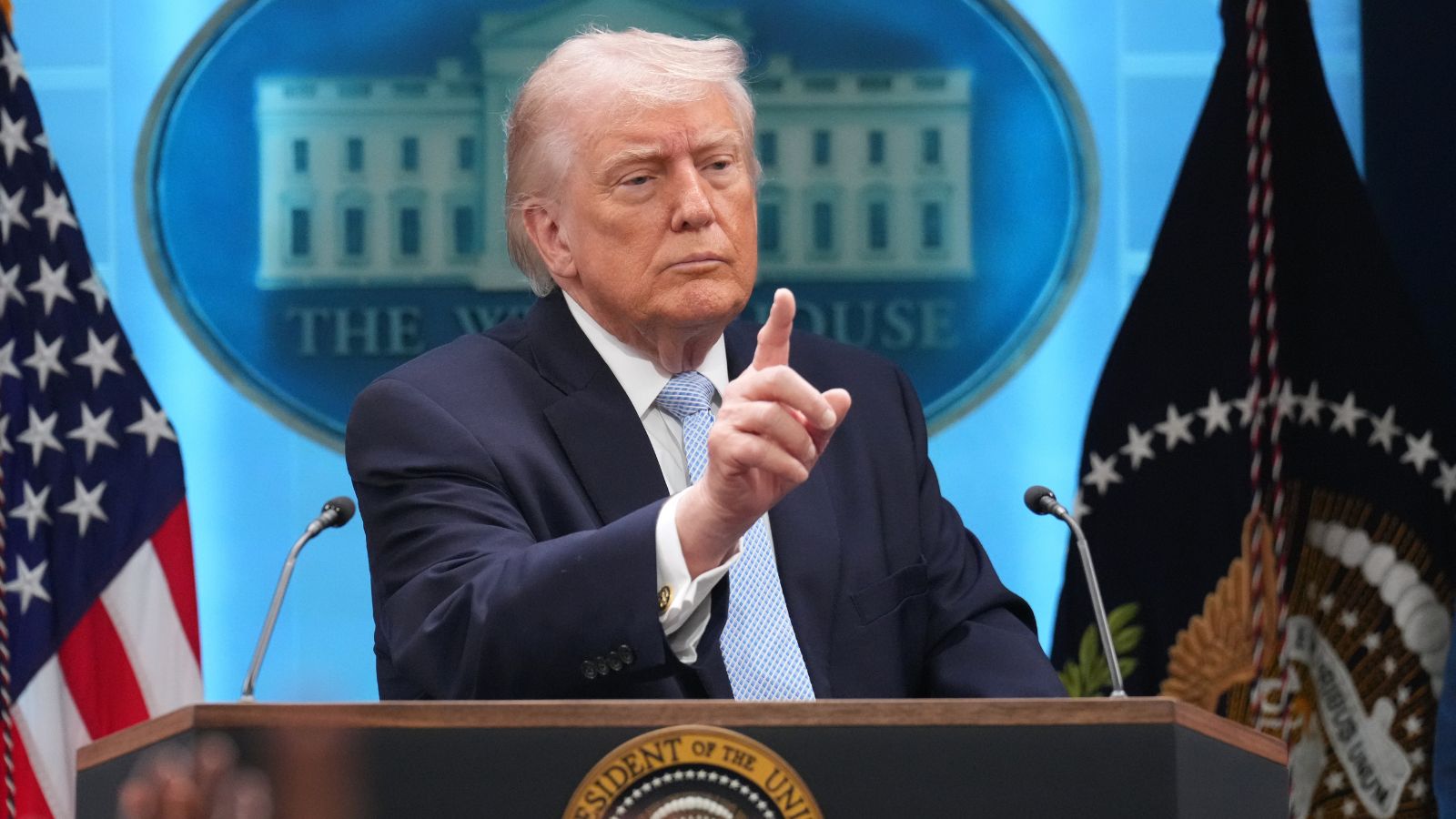
The United States says its naval forces are protecting vessels and that the strait is open; President Donald Trump has called it under “total control.”
Iran and control of the waterway
Iran says the strait remains under its control and has opposed shipping through the Omani route.
Meaning of the shipping data
United States and protected shipping
The increased use of the Omani route, including by vessels receiving US naval protection, suggests Iran has only partial ability to enforce its preferred route.
Iran and control of the waterway
The continued threat to vessels and the very low overall traffic show that Iran still retains leverage, even if ships are avoiding its preferred route.
What should happen next?
United States and protected shipping
The US position emphasizes naval protection and continued freedom of navigation through the waterway.
Iran and control of the waterway
Iran has sought influence over navigation, while Oman is negotiating with Iran over a safety and management framework.
Key facts
- Tuesday crossings
- Kpler recorded six commodity-vessel crossings.
- 10-day average
- The daily average was 11 commodity-vessel crossings.
- Pre-war traffic
- The strait handled roughly 130 vessels per day before the war, according to the cited graphic.
- Global energy share
- About 20% of global crude oil and liquefied natural gas shipments previously passed through the strait.
- Alternative route
- More than 80% of liquid-cargo transits in the previous two weeks used the Omani side or were likely dark transits using that route.
- Oil price
- Brent crude reached $91.79 per barrel on Wednesday, its highest level since July 30, according to the report.
- Negotiations
- Oman and Iran have been discussing the safety and management of navigation through Hormuz.
Quotes
Homayoun Falakshahi
Head of crude oil analysis at Kpler
“If their goal is to be ‘in charge,’ then I’d say they were never completely in control to start with.”
 indianexpress.com
“It increasingly looks like Iran has at least partially lost control of the strait.”
indianexpress.com
Sources
Related news
Ships Shift to Omani Route as Iran’s Hormuz Grip Slips

US says Hormuz oil flows higher than tracked
Trump Claims US Controls Hormuz as Ship Traffic Plunges

US, Iran Clash Over Control of Strait of Hormuz
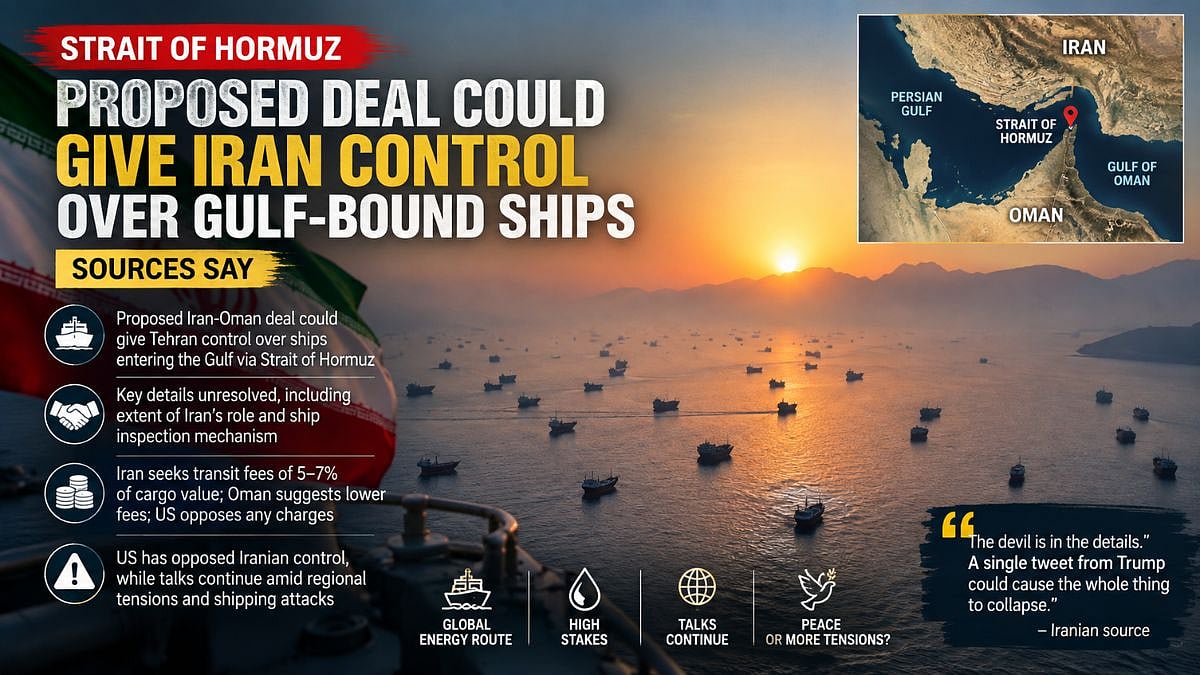
Iran Nears Control of Hormuz Shipping Under Proposed Oman Deal

New Data Questions Iran’s Control of the Strait of Hormuz

Trump Floats Renaming Strait of Hormuz as ‘Trump Strait’

Chevron Plans $7 Billion Venezuela Expansion Amid U.S. Oil Push

Saudi Arabia Says Iranian Tanker Attack Killed Two Sailors
U.S.-Iran Exchange Escalates Across Middle East, Markets Slide
Trump Aides Seek Quiet Iran War Before Midterm Elections