

4 days ago
Government Says Revised CBG Prices Won’t Burden Consumers

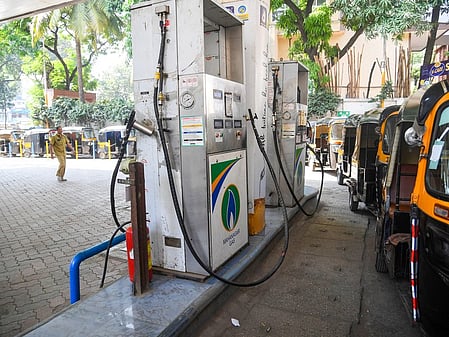
The government buys compressed biogas, or CBG, from producers.
It has increased the price paid to these producers under the GOBARdhan Scheme.
Some reports warned that this could make CNG and household PNG more expensive.
The ministry says the producer price is not the same as the price consumers pay.
The government will provide ₹10 for every kilogram of CBG to reduce the amount recovered from consumers.
This lowers the effective increase from about 43% to about 28%.
CBG costs will also be shared across a much larger pool of domestic gas.
The ministry therefore expects the effect on individual consumers to remain negligible.

The Ministry of Petroleum and Natural Gas rejected claims that revised CBG prices will significantly raise CNG and household PNG costs.
The existing CBG procurement price is about ₹1,478 per MMBtu, based on 85% of the retail CNG price.
The revised GOBARdhan procurement price is ₹2,110 per MMBtu, representing an increase of about 43%.
Government support of ₹10 per kilogram lowers the effective recoverable CBG cost to about ₹1,895 per MMBtu.
The ministry said costs will be spread across a domestic gas base 2.5 to three times larger, keeping the consumer impact negligible.
- Who
- The Ministry of Petroleum and Natural Gas, CBG producers, city gas distributors, and CNG and household PNG consumers.
- What
- The government revised CBG procurement prices under the GOBARdhan framework and rejected claims that the change will sharply increase consumer gas costs.
- Where
- New Delhi; the framework applies to the domestic gas and city-gas distribution system.
- When
- The ministry issued its statement on Saturday; one article was published on August 29, 2026.
- Why
- The ministry says government affordability support and distribution of CBG costs across a larger domestic gas pool will limit the impact on consumers.
Government Position
Consumer-Cost Concerns
Effect on household and transport gas prices
Government Position
The ministry says the procurement price paid to CBG producers is not the price directly paid by CNG or household PNG consumers, so the 43% increase should not translate into an equivalent consumer price rise.
Consumer-Cost Concerns
The concerns rejected by the ministry focused on the possibility that the higher CBG procurement price could create a significant additional burden for CNG and household PNG consumers.
Size of the price increase
Government Position
After government support of ₹10 per kilogram, the ministry calculates that the effective cost increase is about 28%, rather than the headline 43% procurement-price increase.
Consumer-Cost Concerns
The higher ₹2,110-per-MMBtu procurement price represents an increase of about 43% over the existing price of approximately ₹1,478 per MMBtu before support is considered.
How costs are distributed
Government Position
The ministry says pooling CBG with other domestic natural gas and spreading the net cost across a base 2.5 to three times larger will dilute the effect on individual consumers.
Consumer-Cost Concerns
Under the earlier framework, CBG costs were spread over the more limited APM gas allocated to CNG transport and domestic PNG, which prompted concerns about a stronger consumer impact.
Key facts
- Existing CBG procurement price
- About ₹1,478 per MMBtu, linked to 85% of the retail selling price of CNG.
- Revised procurement price
- ₹2,110 per MMBtu under the revised GOBARdhan framework.
- Headline increase
- About 43%.
- Government support
- ₹10 per kilogram of CBG, equivalent to about ₹215 per MMBtu for gas containing 95% methane.
- Effective recoverable cost
- About ₹1,895 per MMBtu after government support.
- Effective increase
- About 28% compared with the prevailing effective price, according to the ministry.
- Gas pool expansion
- The revised framework spreads costs across a domestic gas base approximately 2.5 to three times larger than the earlier base.
Quotes

Ministry of Petroleum and Natural Gas
The Indian government ministry responsible for petroleum and natural gas policy
“CBG producers receive a stable and viable price that enables plants to operate sustainably, while Government-funded affordability support and a substantially wider gas pool protect consumers from any material price impact.”
 thehindubusinessline.com
Sources
Related news

Cabinet Clears Rs 23,731 Crore GOBARdhan Scheme to Boost Biogas

India’s Rs 23,731 Crore GOBARdhan Scheme Fuels CBG Investment Debate

Cabinet approves Rs 23,731-crore GOBARdhan scheme to boost CBG production
India approves Rs 23,731 crore GOBARdhan biogas scheme
Cabinet approves Rs 23,731 crore GOBARdhan scheme for biogas fuel
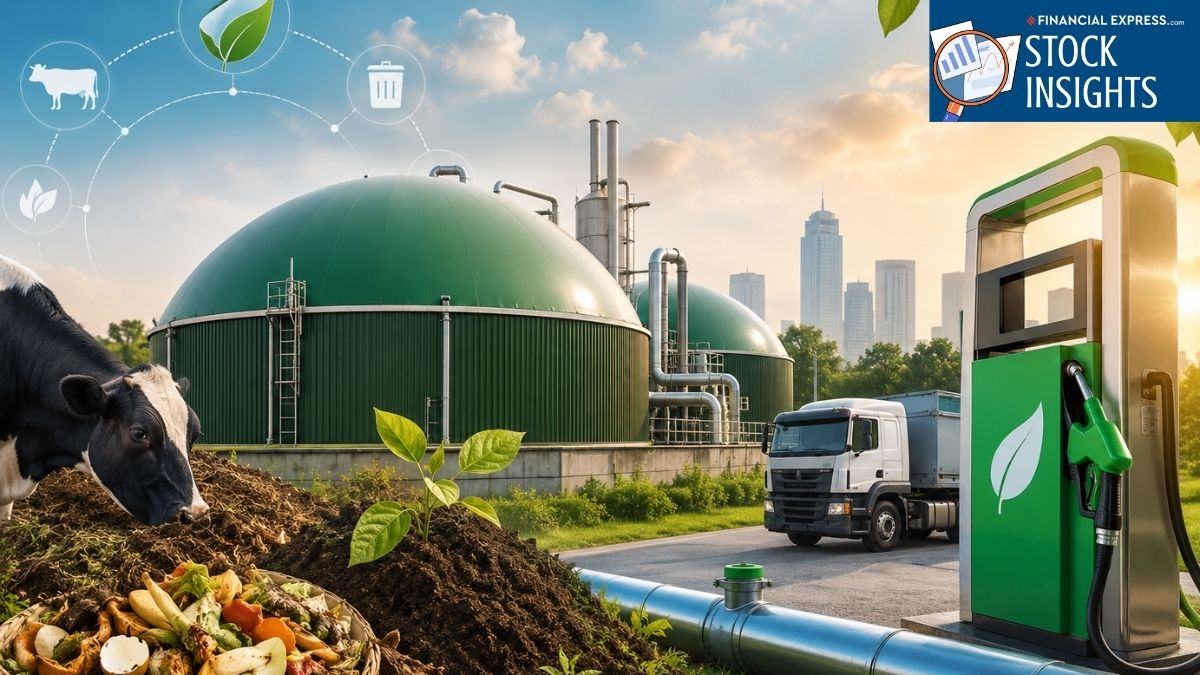
India's ₹23,731-crore bet on turning waste into fuel: 3 stocks

India’s Fourth BRICS Chair Faces a Much Larger Summit

MAHAGENCO Named State Generation Company of the Year 2026

Telangana Urges Unified National Framework for Water Security

Delhi Traffic Police Announces Rajghat Restrictions For September 3

Kharge Credits Congress Food Policies, Questions Modi Government’s Record