2 weeks ago
Intestinal Worms Can Stay Hidden Despite Few or No Symptoms
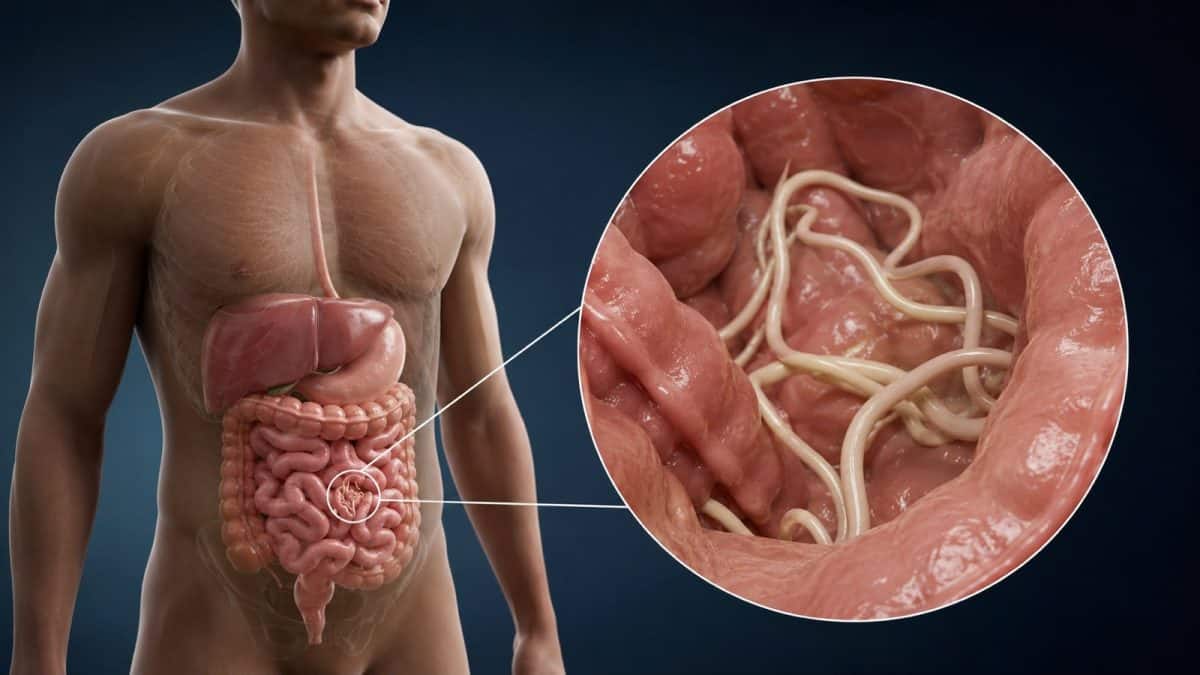
Some people can have worms living in their intestines without feeling sick.
These worms usually do not live in the stomach, despite how people often describe the problem.
A small number of worms may cause no clear symptoms.
Larger or longer-lasting infections can cause stomach discomfort, diarrhoea, appetite changes or poor nutrition.
Hookworms can take blood from the intestine and may lead to anaemia and tiredness.
Blood tests can sometimes show clues, such as increased eosinophils.
A single stool test may miss an infection because worms do not always release eggs.
Doctors may therefore test several stool samples collected on different days.
People should seek medical advice instead of taking deworming medicine based only on assumptions.

Intestinal worms usually live in the intestines rather than the stomach.
Low parasite levels may cause no symptoms, allowing people to remain unaware of infection.
Possible warning signs include abdominal discomfort, diarrhoea, appetite changes, anaemia and fatigue.
Unexplained anaemia, eosinophilia and exposure to contaminated food, water or soil may warrant evaluation.
Doctors may recommend at least three stool samples on separate days because parasites are not shed consistently.
- Who
- Dr Mahendra Singh Rajput, Assistant Professor of Gastroenterology and Hepatology at Amrita Hospital, Faridabad, discusses intestinal worm infections.
- What
- The article explains how intestinal worm infections can remain unnoticed, their possible warning signs and the challenges of diagnosis.
- Where
- The infections occur in the intestines; the article discusses their global prevalence and burden in India.
- When
- Why
- Low parasite levels may cause no symptoms, while intermittent parasite shedding can make testing difficult.
Key facts
- Global infections
- The World Health Organization estimates that around 1.5 billion people have soil-transmitted helminth infections.
- Reported Indian prevalence
- Large community studies such as the DeWorm3 trial in southern India have reported prevalence above 20 percent.
- Common infection
- Hookworm is identified as one of the most common infections reported in the cited Indian studies.
- Possible symptoms
- Abdominal discomfort, diarrhoea, appetite changes and nutritional deficiencies may occur.
- Blood-related effects
- Hookworms can contribute to iron-deficiency anaemia, fatigue and reduced physical capacity.
- Warning signs
- Unexplained anaemia, persistent gastrointestinal symptoms, eosinophilia and exposure to contaminated food, water or soil may raise suspicion.
- Testing guidance
- The US Centers for Disease Control and Prevention advises collecting three or more stool samples on separate days to improve detection.
Quotes
Dr Mahendra Singh Rajput
Assistant Professor of Gastroenterology and Hepatology at Amrita Hospital, Faridabad
“"Most people say ‘worms in the stomach’, but medically, common parasitic worms typically reside in the intestines, not the stomach,"”
 firstpost.com
“"Unexplained anaemia" and "Eosinophilia" are highlighted as subtle signs to consider for worm infections.”
firstpost.com
Sources
Related news

Comedian Gaurav Kapoor Has Stomach Worms, Wife Reveals on Instagram

How intestinal worms disrupt children’s gut microbiome and growth

AIIMS Experts Urge Early Detection as GI Diseases Rise
India Faces Rising Fatty Liver and Colorectal Cancer Burden

Woman Finds Long Rope-Like Worm Inside Brinjal, Viral Video

Stomach Growling Without Hunger Is Usually Normal, Gastroenterologist Explains

National Nutrition Week Promotes A Truly Balanced Plate

H1N1 Recovery: Seven Mistakes To Avoid After Fever

H1N1 Cases Rise as Flu Vaccine Demand Surges Nationwide

Seven Ways Gym-Goers Can Prevent H1N1 During Flu Season

Amitabh Bachchan Gives Up Rice, But Should Older Adults?