1 week ago
How intestinal worms disrupt children’s gut microbiome and growth

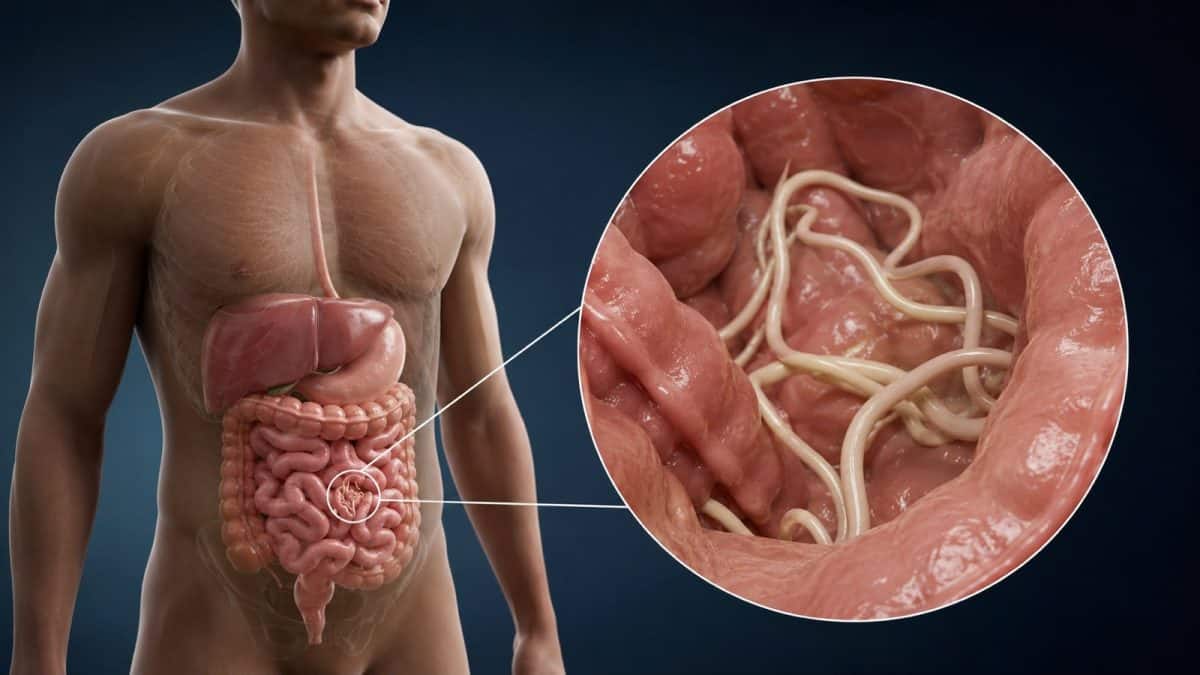
The gut contains many tiny living organisms that help children digest food and stay healthy.
Worms can change this community of helpful organisms.
They may also irritate or damage the gut, making it harder for the body to absorb important nutrients.
This can contribute to tiredness, anaemia, poor weight gain, or slower growth.
Worm infections can also change how the immune system works.
Scientists are studying whether long-lasting gut changes affect children’s focus, learning, and mood.
Some infected children have stomach pain or itching, but others have no clear symptoms.
Washing hands, drinking safe water, washing produce, wearing shoes, and following local deworming guidance can help protect children.

Worm infections can alter beneficial gut bacteria, causing an imbalance known as gut dysbiosis.
Damage to the intestinal lining may reduce absorption of iron, protein, vitamin A, and other nutrients.
In children, persistent or heavy infections can contribute to undernutrition, anaemia, slow growth, fatigue, and low energy.
Worm infections can affect immune responses and, through nutrition and inflammation, may influence learning and well-being.
Hygiene, safe water, footwear, balanced diets, and scheduled deworming can help reduce infection risks and worm burdens.
- Who
- Children, especially those living in areas where intestinal worms are common, can be affected.
- What
- Intestinal worm infections can disrupt the gut microbiome, alter immune responses, damage the intestinal lining, and reduce nutrient absorption.
- Where
- In the intestines and wider gastrointestinal tract; infections can be acquired through contaminated food, water, soil, or unclean hands.
- When
- During childhood, when the gut microbiome is still developing; effects may persist when infections are chronic or worm burdens are heavy.
- Why
- Worms can change intestinal nutrients and inflammation, disturb beneficial bacteria, and interfere with digestion, immunity, and nutrient absorption.
Key facts
- Common worms
- Roundworms, whipworms, and hookworms are identified as common intestinal worms.
- Possible nutritional effects
- Infections may reduce absorption of iron, protein, vitamin A, and other vitamins and minerals.
- Potential complications
- Heavy worm loads can occasionally cause intestinal obstruction, vomiting, jaundice, appendicitis, or involvement of the bile and pancreatic ducts.
- Warning signs
- Possible signs include recurrent abdominal pain, bloating, poor appetite, unexplained weight loss, anal itching, fatigue, and slower-than-expected growth.
- India’s programme
- National Deworming Day covers children aged 1–19 through schools and Anganwadi centres, with a follow-up mop-up day for absentees.
- Programme medicine
- The article states that the programme generally uses albendazole: 200 mg for ages 1–2 and 400 mg for ages 2–19, under supervision.
- Prevention
- Handwashing, safe water, thoroughly washed produce, outdoor footwear, avoiding open defecation, and periodic deworming can reduce risk or worm burden.