1 week ago
Climate Change Makes Extreme Weather A Global Norm

Scientists studied weather records and computer models from Northeast India.
They looked closely at heavy rain during the monsoon season.
The region may receive less rain overall as the climate gets warmer.
However, individual rainstorms can become much stronger.
The study examined a world that is 1.4°C warmer than before industrialization.
It found a 67% chance of rainfall like that which caused the floods.
Events of this kind may happen about once every 1.5 years.
That means the floods were not necessarily impossible to predict or prepare for.

Researchers analyzed climate models, existing studies and historical weather data from Northeast India.
In a world 1.4°C warmer than pre-industrial times, average monsoon rainfall is expected to decrease.
Despite lower average rainfall, isolated extreme rain events are becoming more intense.
The rainfall that caused the floods had a 67% likelihood under the study’s climate conditions.
Similar rainfall events may occur about every 1.5 years, suggesting they could have been anticipated.
- Who
- A research team using climate models, existing studies and historical weather records.
- What
- The team assessed how climate change affects extreme monsoon rainfall and flood risk.
- Where
- Northeast India, including upper Assam.
- When
- The analysis covered monsoon rainfall from June through September, including June, July and August trends.
- Why
- To determine whether the extreme rainfall that caused flooding was linked to a warmer climate and could have been anticipated.
Key facts
- Climate scenario
- The analysis considered a world 1.4°C warmer than the pre-industrial era.
- Average rainfall trend
- Mean monsoon rainfall in Northeast India is expected to decrease.
- Extreme rainfall trend
- The intensity of isolated rain events is expected to increase.
- Rainfall likelihood
- The rainfall amount that led to the floods had a 67% chance under the study’s conditions.
- Expected frequency
- Similar rainfall events may occur every 1.5 years in the region.
- Data analyzed
- The team used climate models, existing studies and historical weather data, including records from the India Meteorological Department.
- Rainfall periods
- The study examined three-day maximum rainfall in June-August and 30-day maximum rainfall patterns during June-September.
Sources
Related news
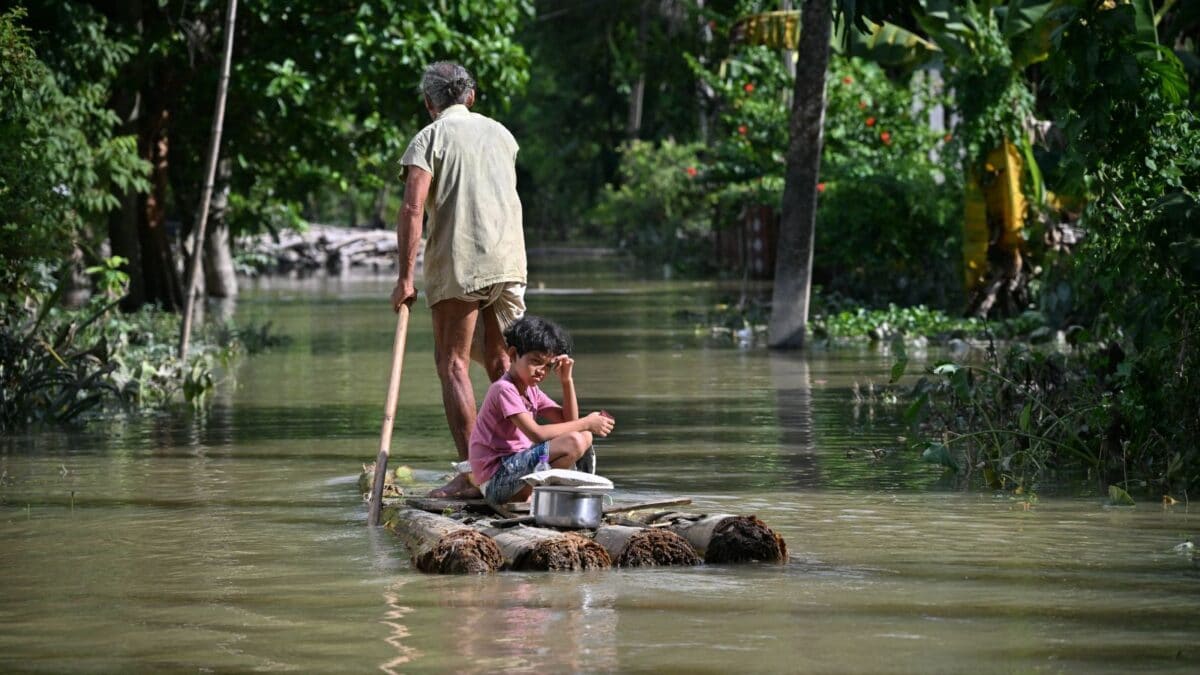
Amid Floods and Deficits, India's 'Normal' Monsoon Feels Abnormal
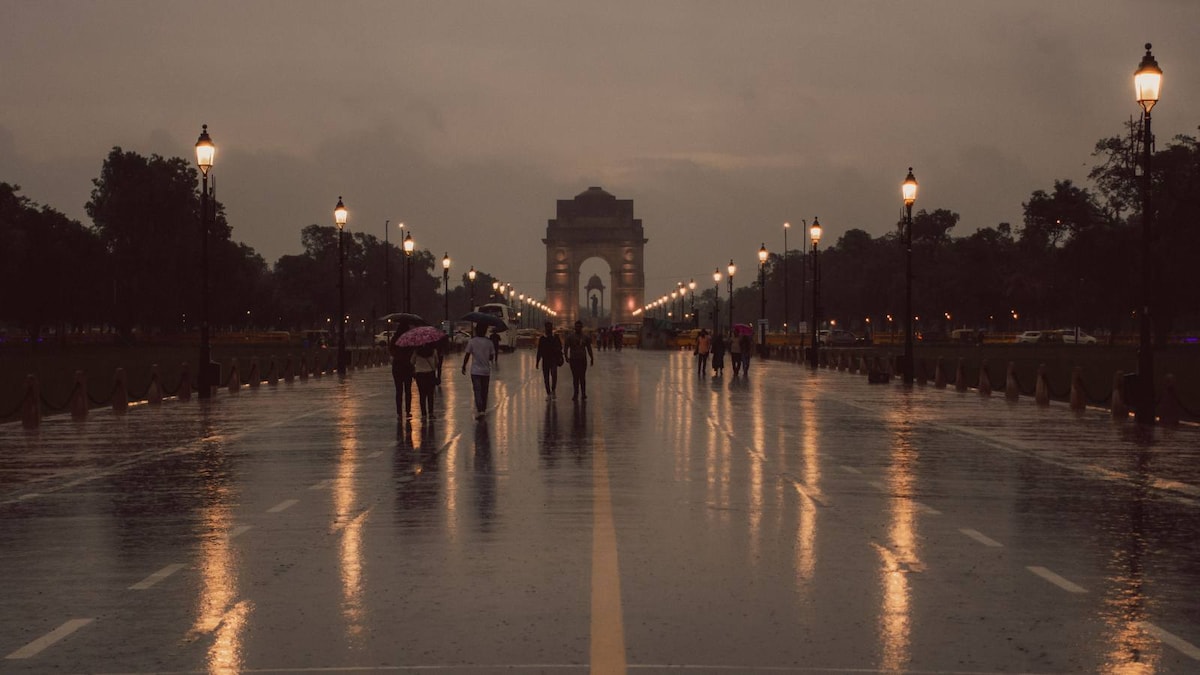
Heavy Rain Forecast Across Northern India, Delhi, and South
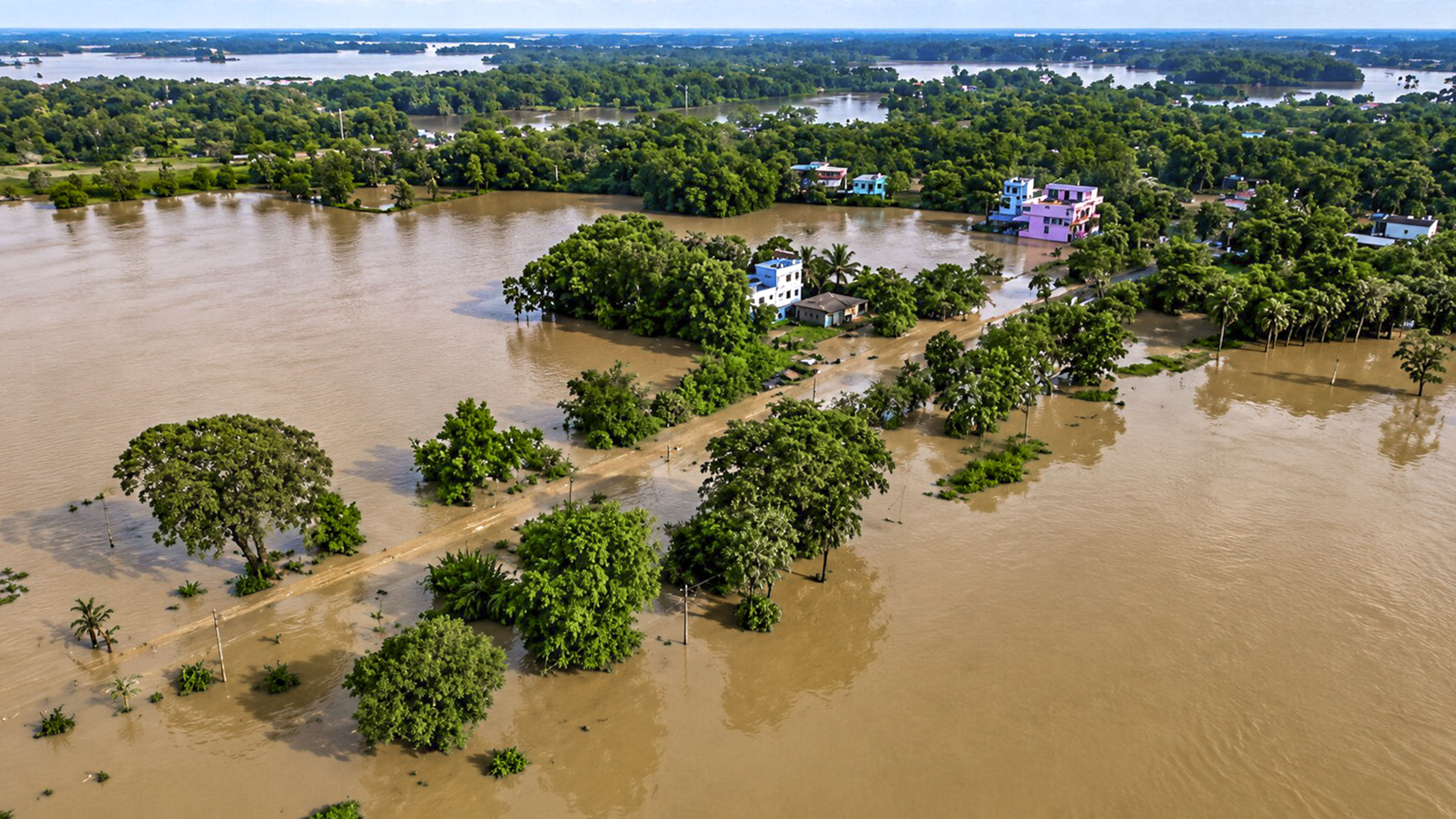
Odisha Rainfall Rises as Extreme Heat Intensifies: CEEW
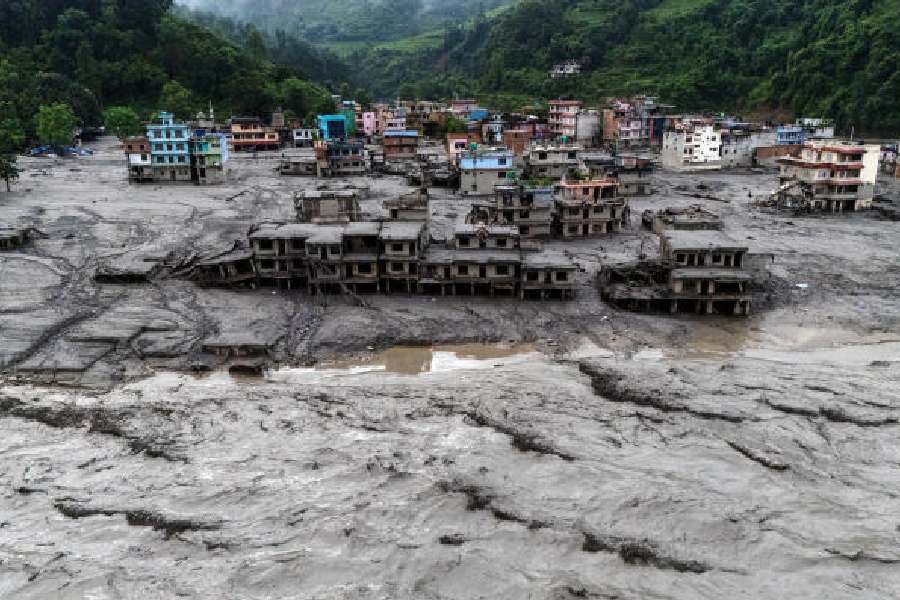
Nepal and Upper Assam Disasters Expose Climate Risks
Dry September Forecast Does Not Rule Out Chennai Flooding
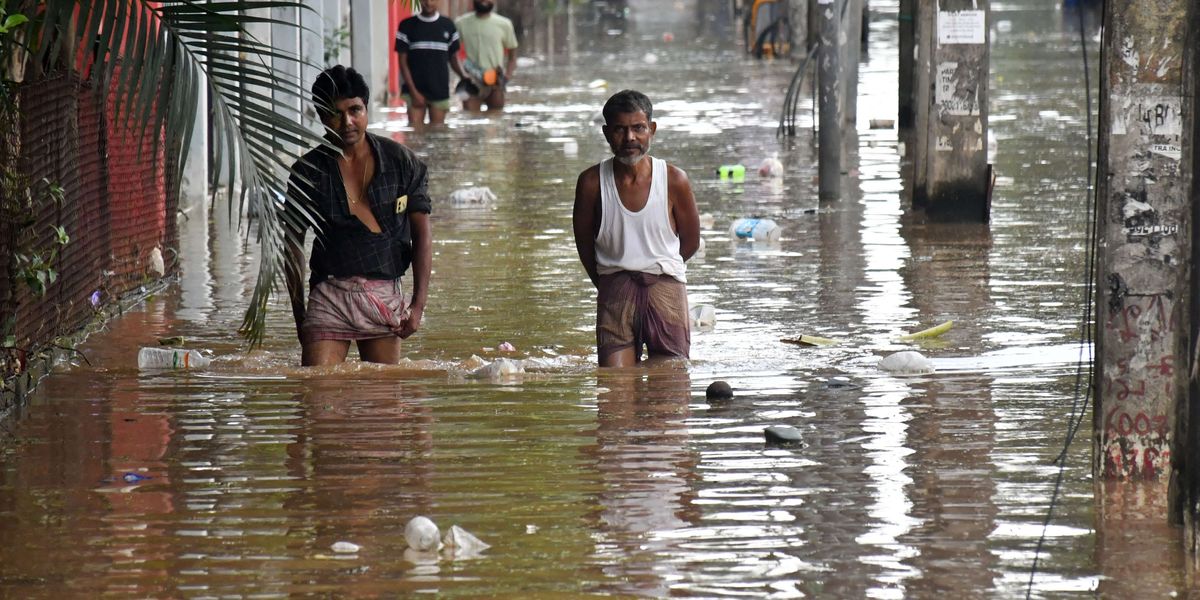
Monsoon floods and landslides kill more than 100 in India

Lachit Barphukan Academy Emerges as National Police Training Hub

West Bengal Plans Mega Durga Puja Show at Eden Gardens

Assam Teacher Allegedly Kills Wife, Two Children; Daughter Critical

Assam Proposes Scholarships for 100 IIT Guwahati Students
NESt Fest to spotlight Northeast culture and youth talent