

1 week ago
Odisha Rainfall Rises as Extreme Heat Intensifies: CEEW
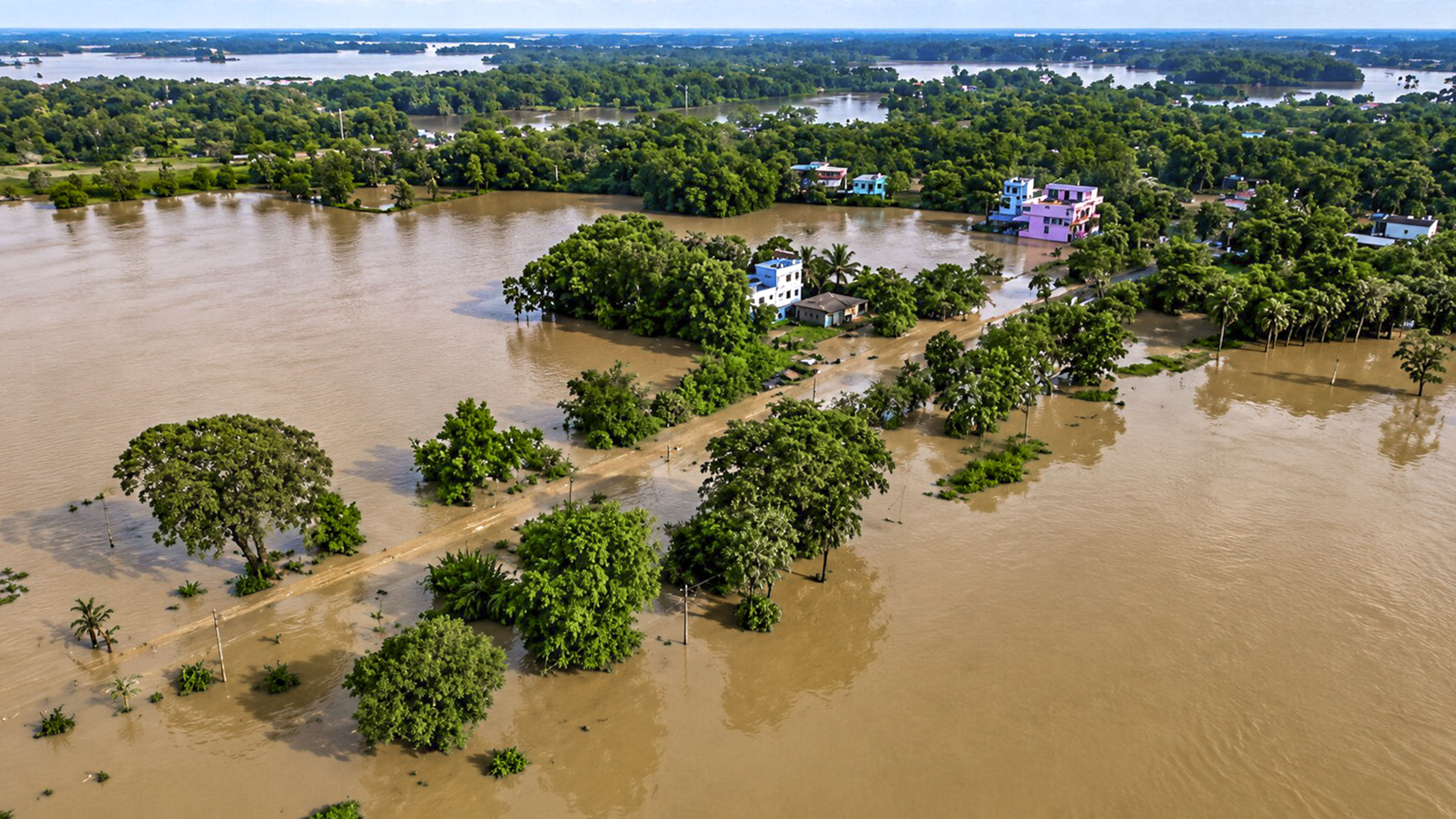
Odisha is getting more rain during the monsoon season than it used to.
However, the rain may become less predictable and uneven across districts.
The state is also expected to have many more very hot days.
More nights may stay warmer than 25°C, making it harder for people and nature to cool down.
Researchers used an AI-powered system called CRAVIS to study these changes.
They said the information can help officials prepare better heat action plans.
It can also guide decisions about cities, buildings, water, farms and public health.
The researchers said planning at the district and local levels will be important.

Odisha’s average monsoon rainfall rose 11% from 1,052 mm in 1981–2010 to 1,159 mm in 2011–2024.
CRAVIS projects average monsoon rainfall could reach 1,211 mm by 2031–2050 and 1,309 mm by 2051–2070.
By 2031–2050, up to 60% of districts could experience more than 108 days annually with temperatures above 35°C.
Nights with minimum temperatures above 25°C could increase from 71 days in 2011–2024 to 138 days by 2031–2050.
CEEW said district-level climate intelligence can support heat plans, urban planning, infrastructure investment and resilience efforts.
- Who
- The Council on Energy, Environment and Water and its researchers, including Dr Vishwas Chitale, presented the findings.
- What
- Researchers reported rising monsoon rainfall, more extreme heat, warmer nights and greater rainfall variability in Odisha.
- Where
- At a knowledge-sharing roundtable in Bhubaneswar, Odisha.
- When
- The findings were presented on Wednesday; the article does not specify the date. The analysis compares 1981–2010 and 2011–2024 data and provides projections for 2031–2050 and 2051–2070.
- Why
- The findings are intended to help policymakers and other stakeholders strengthen climate-resilient planning and prepare for risks to water, agriculture, livestock, health and rural livelihoods.
Key facts
- Organisation
- Council on Energy, Environment and Water (CEEW)
- Climate platform
- Climate Resilience Analytics and Visualisation Intelligence System (CRAVIS)
- Monsoon rainfall change
- Average rainfall increased from 1,052 mm in 1981–2010 to 1,159 mm in 2011–2024
- Projected rainfall
- 1,211 mm in 2031–2050 and 1,309 mm in 2051–2070
- Extreme heat projection
- By 2031–2050, 40% of districts could record 108–121 days above 35°C annually, while 20% could record 121–137 days
- Warmer nights
- Nights above 25°C increased from 67 days in the baseline period to 71 days in 2011–2024, and could reach 138 days by 2031–2050
- Potential impacts
- Water resources, agriculture, livestock, public health and rural livelihoods
Sources
Related news
IMD Forecasts Rain Across India as Delhi Turns Hotter

Heavy Rain Batters Odisha as IMD Red-Warns Five Districts
IMD Warns of Heavy Rain Across Eastern India

Climate Change Makes Extreme Weather A Global Norm

Heavy Rain Likely in Odisha Till August 16, IMD Warns

Heavy Rain To Continue Across Odisha And Central India

Bhatti discusses Telangana's clean energy transition at Berkeley

Citizens Protest Eco Sensitive Zone Plan at Mumbai Marathon
