

2 days ago
Nepal Flood Toll Reaches 903 as Thousands Remain Missing
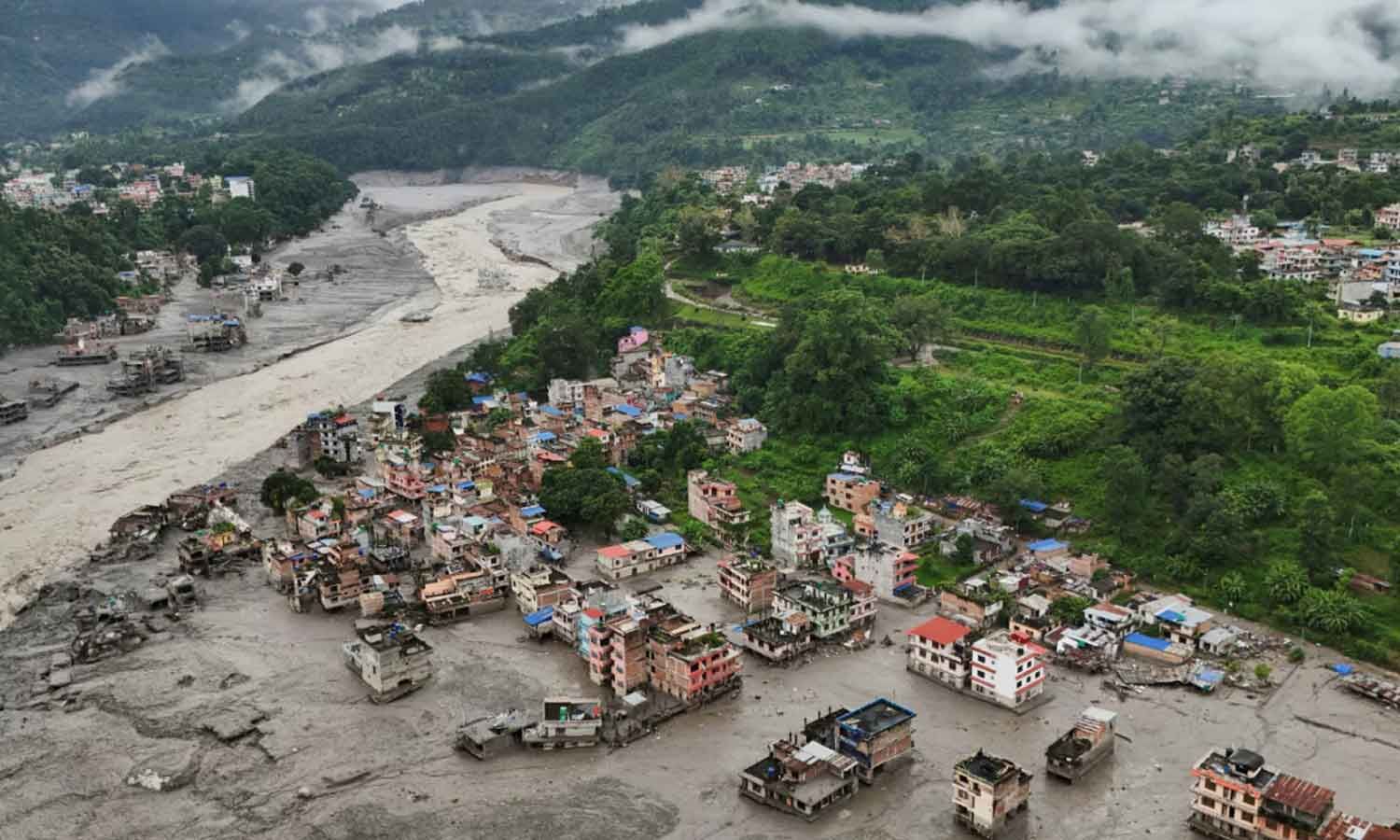
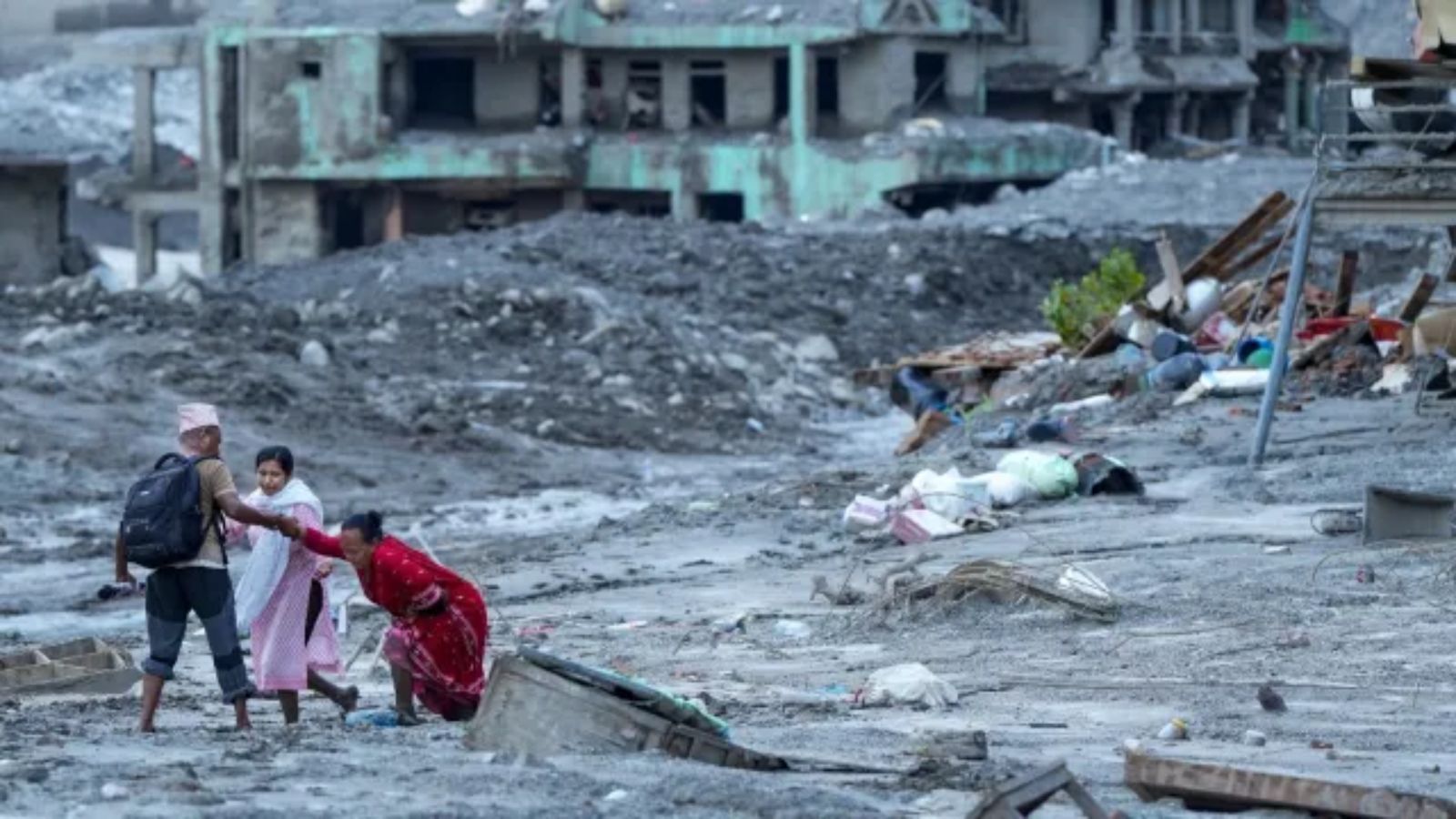
A very large flood and mudslide hit Nepal on August 26, 2026.
At least 903 people have died, and 4,247 people are still missing.
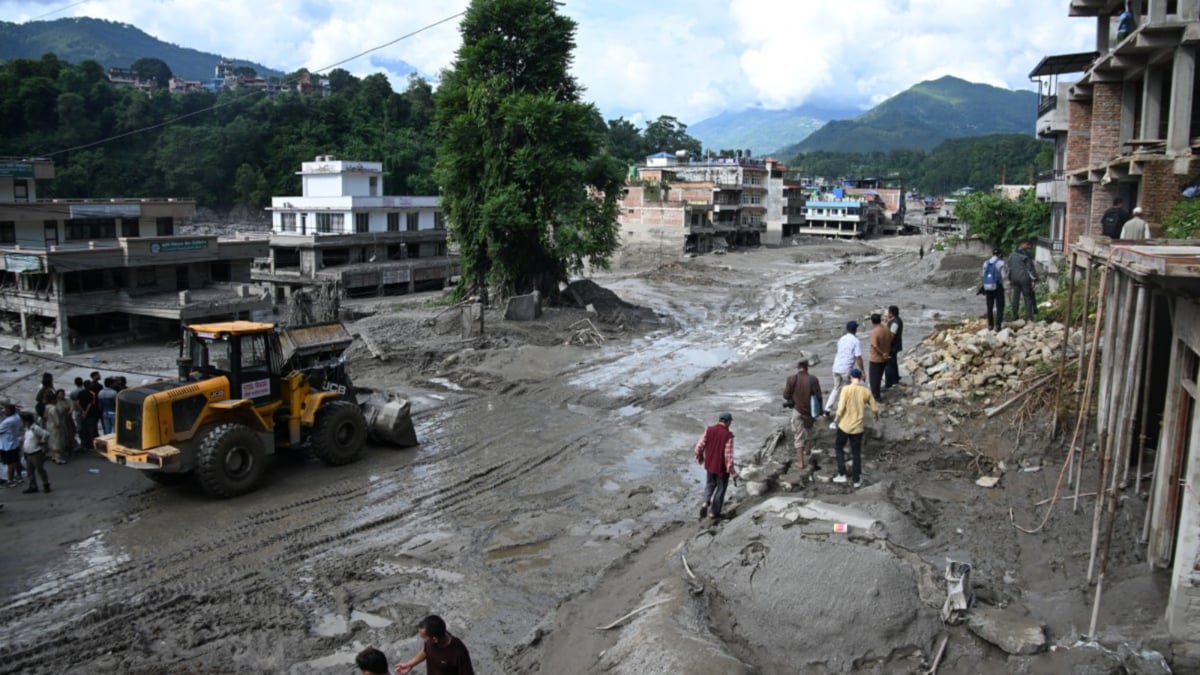
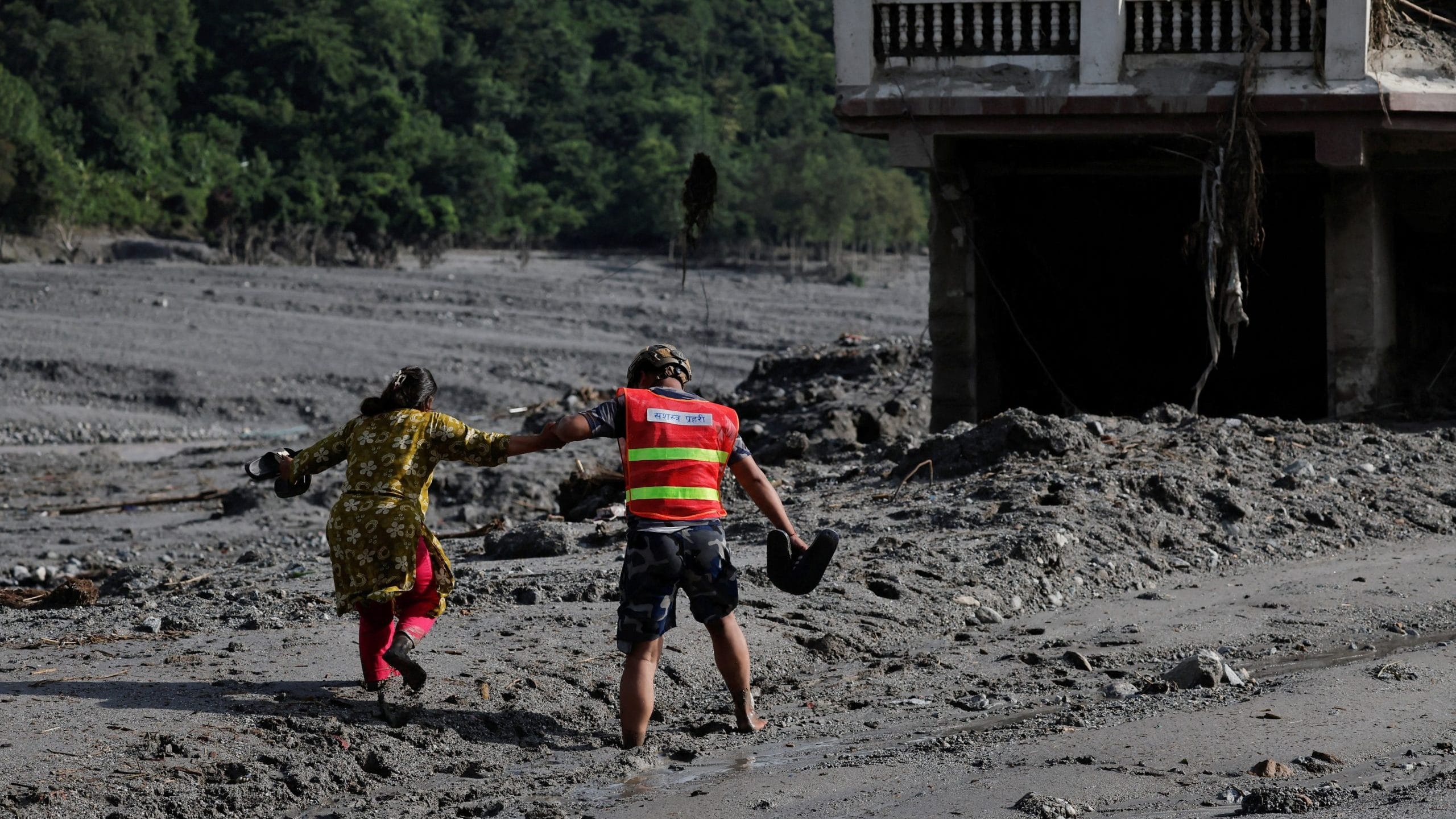
Many homes, roads, bridges and power projects were damaged.
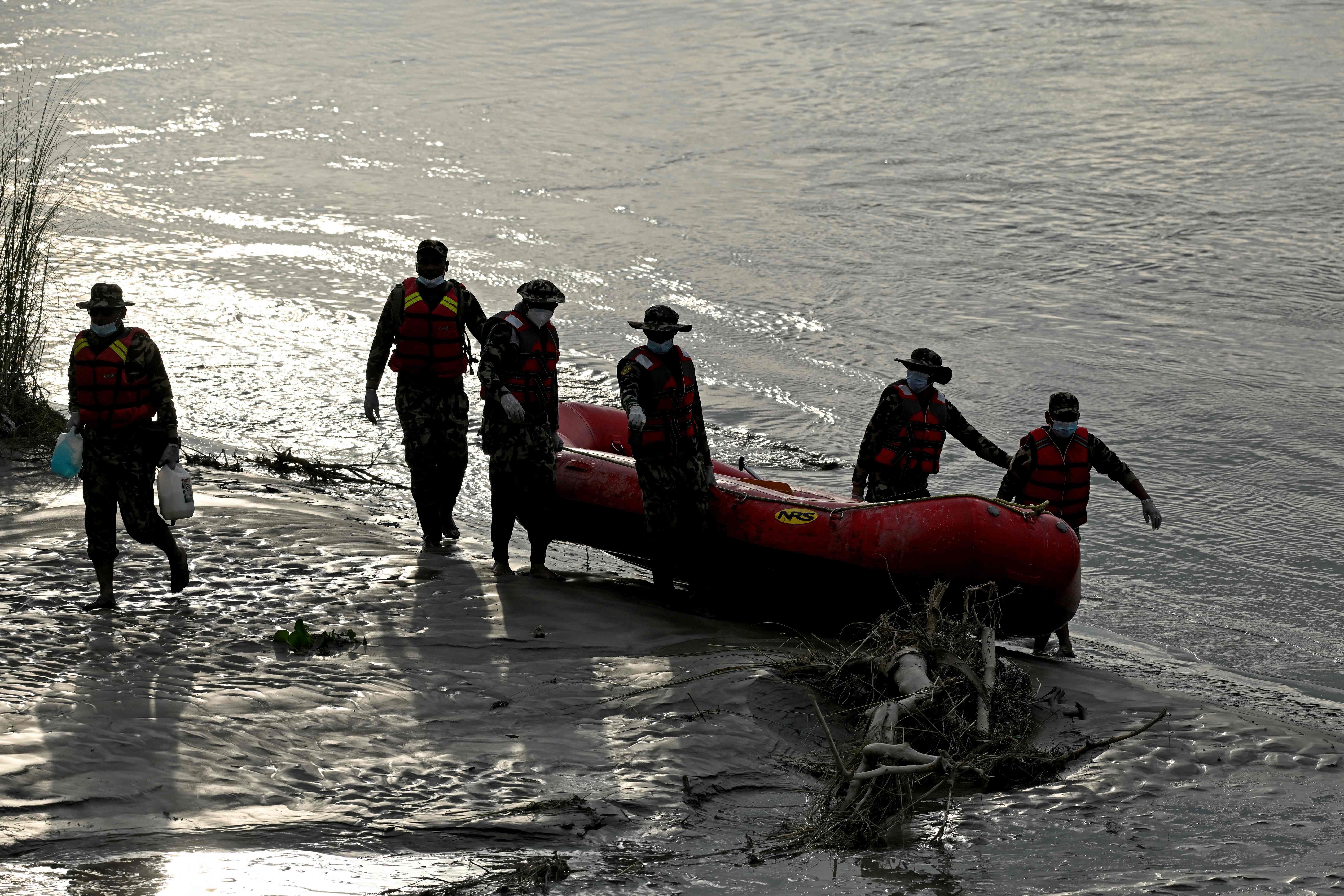
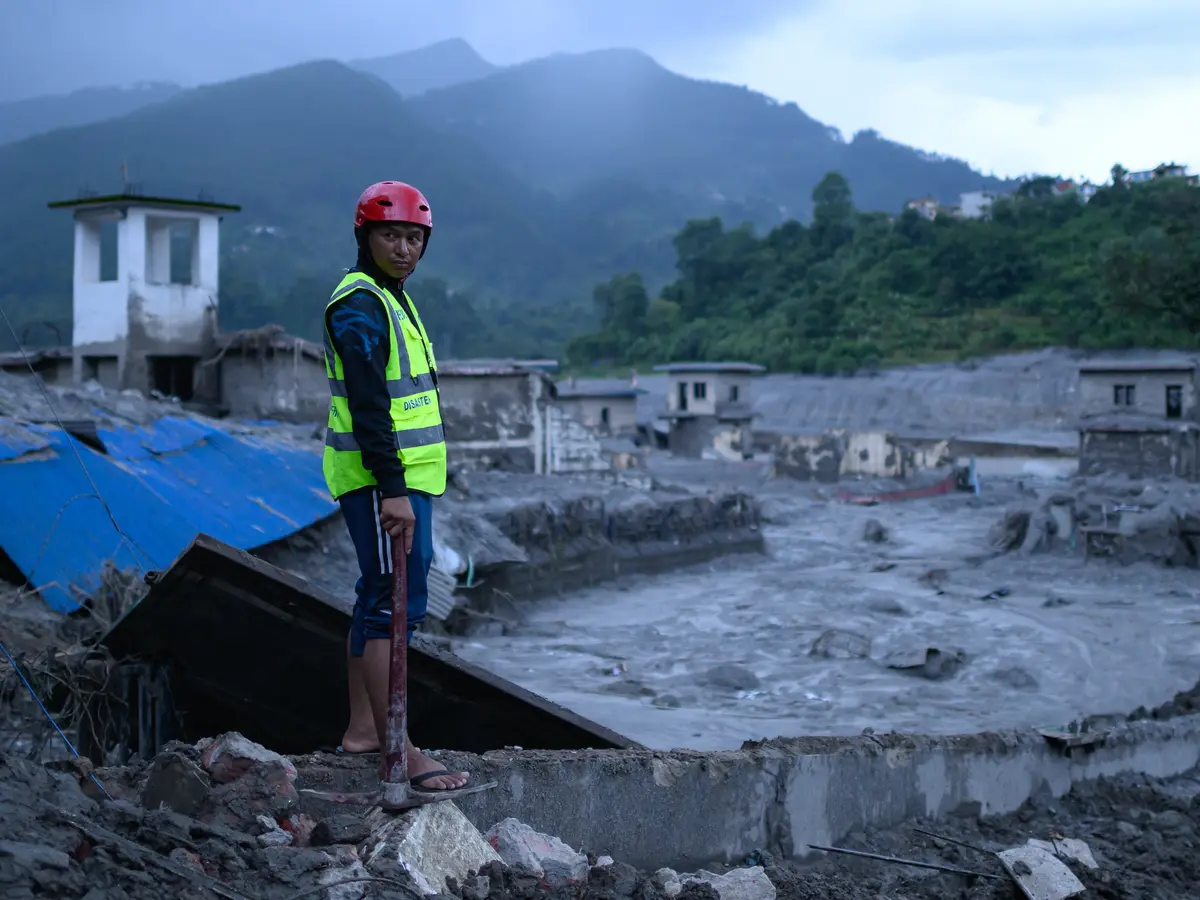
Rescue workers are searching for people, including workers trapped inside muddy hydropower tunnels.
About 20,819 security personnel are helping with the rescue.
Scientists said an avalanche of ice, rocks and debris caused the flood, rather than a glacial lake suddenly bursting.
Bad weather sometimes stopped the rescue work, but clearer weather allowed teams to continue.
Nearby parts of Tibet and India also reported deaths and missing people, and China sent workers and money to help.

Nepal’s death toll has reached 903, with 4,247 people still missing.
About 20,819 security personnel are supporting rescue and recovery operations on the disaster’s sixth day.
Hundreds of hydropower workers are feared trapped inside roughly six tunnels blocked by mud and rocks.
A preliminary study linked the floods to an ice-rock avalanche, not a glacial lake outburst flood.
The disaster affected areas in Nepal, Tibet and India, while China provided rescue teams and financial aid.
- Who
- Residents, hydropower workers, rescue teams, security personnel, civilian volunteers and international responders; authorities also reported casualties in India and Tibet.
- What
- Flash floods, mudslides and rockslides killed 903 people, left 4,247 missing and damaged communities and infrastructure.
- Where
- Northern and central Nepal, especially the Bhotekoshi-Trishuli corridor and areas near the Nepal-Tibet border; adjoining areas of Tibet and India were also affected.
- When
- The disaster began on August 26, 2026; rescue operations were continuing on their sixth day on August 31.
- Why
- A preliminary Nepalese study attributed the flooding to a massive ice-rock avalanche that entered the Lhende River; it found no evidence of a glacial lake outburst flood.
Ice-Rock Avalanche Finding
Climate-Linked Glacier Instability
Cause of the flooding
Ice-Rock Avalanche Finding
A preliminary study commissioned by the Nepal Environment Society found that an ice-rock avalanche from the Langtang-Lirung area entered the Lhende River and generated the debris-laden flood. The study ruled out a glacial lake outburst flood and found no evidence of exceptionally heavy rainfall that day.
Climate-Linked Glacier Instability
China’s state broadcaster attributed the disaster to glacier instability associated with the long-term effects of global warming and described it as a growing type of cryosphere disaster. Experts said further field investigations are needed to establish the precise geological mechanism and the role of melting ice.
Cross-border preparedness
Ice-Rock Avalanche Finding
The disaster has prompted concerns about improving cross-border information sharing on glacier risks and water levels to strengthen future preparedness.
Climate-Linked Glacier Instability
China expanded rescue and relief operations on its side of the border, deploying more than 2,100 rescue workers, using life-detection equipment and providing financial assistance to Nepal.
Key facts
- Nepal death toll
- 903 people
- People missing in Nepal
- 4,247, including 99 security personnel and 591 foreigners
- People injured
- 267
- Rescue personnel
- About 20,819 to nearly 21,000 security personnel, alongside civilians and volunteers
- Hydropower impact
- 933 hydropower-project workers were reported missing; 13 hydropower projects and one solar project were affected
- Affected capacity
- Around 431 megawatts of generation capacity was taken out of the system
- Reported losses and aid
- A preliminary Nepalese assessment estimated losses at about 3 trillion rupees; China provided USD 2.2 million to Nepal
Quotes
Raja Ram Basnet
Nepal Army spokesperson
“A large amount of debris has been deposited and that is posing us a big challenge to open the tunnels. Our main focus is on opening the tunnels.”
 telegraphindia.com
“Despite the adverse weather, difficult terrain and continuing risks, we are moving forward with determination to save the lives of our citizens.”
telegraphindia.com
Zhang Maoming
Chinese ambassador to Nepal
“Nepal is not alone in this disaster; China is always with Nepal”
telegraphindia.com
Sources


Related news

Nepal Flash Flood Death Toll Reaches 903, Thousands Remain Missing
Nepal Flash Flood Death Toll Rises as Search Continues
Nepal-Tibet Flood Death Toll Reaches 691
Nepal Flash Flood Death Toll Nears 800 as Thousands Missing

Nepal Flood Death Toll Reaches 1,127 as Survivor Hopes Fade
Nepal Flood Toll Rises as Rescue Teams Face More Flooding

Nepal Thanks India as Glacial Disaster Rescue Efforts Continue
Nepal Warns of Heavy Rain After Deadly Floods
Nepal Flood Exposes Delayed Alerts and Cross-Border Warning Gaps
India to Rebuild Nepal School After Principal Saves 1,600
Maharashtra Mountaineers Join Search for Missing Nepal Trekkers