

10 hrs ago
Nepal Reports 1.6 Million Affected by Bhotekoshi Floods

A very large flood has affected many parts of Nepal.
The government says almost 1.6 million people have been impacted.
More than 1,000 people have died, and nearly 4,000 are still missing.
Rasuwa and Nuwakot are among the hardest-hit districts.
Rescue workers have saved more than 11,800 people.
Helicopters have helped reach people in places where roads and rivers were damaged.
Soldiers, police and international teams are helping with the rescue effort.
Hospitals and army medical teams are also treating injured and sick people.

A preliminary Nepal government report says nearly 1.6 million people across 62 districts have been affected.
The floods have killed 1,050 people, while 3,916 remain missing, according to authorities.
Rasuwa and Nuwakot are the worst-affected districts, with Dhading, Gorkha and Chitwan moderately affected.
Rescue teams have brought 11,814 people to safety after 573 air operations, with 21,011 security personnel deployed.
Hospitals have treated 292 injured people, while Nepali Army medical teams have assisted another 2,740 people.
- Who
- People in 62 Nepalese districts, Nepali security forces, medical workers and international rescue teams from India, China and South Korea.
- What
- The Bhotekoshi floods have killed 1,050 people, affected nearly 1.6 million and left 3,916 people missing, according to a preliminary government report.
- Where
- Across 62 districts of Nepal, with Rasuwa and Nuwakot identified as the worst-affected districts.
- When
- The report was released on Tuesday; the articles do not specify the date.
- Why
- The floods damaged roads, rivers and remote settlements, making rescue and access difficult.
Key facts
- People affected
- Nearly 1.6 million
- Deaths
- 1,050 people
- People missing
- 3,916 across 62 districts
- People rescued
- 11,814, including 253 foreign nationals
- Rescue operations
- 573 helicopter and other aircraft flights
- Security personnel deployed
- 21,011
- Medical care
- 292 injured people treated at health facilities; army teams treated another 2,740 people
Sources
Related news

Nepal Flood Death Toll Rises to 469 as Search Widens
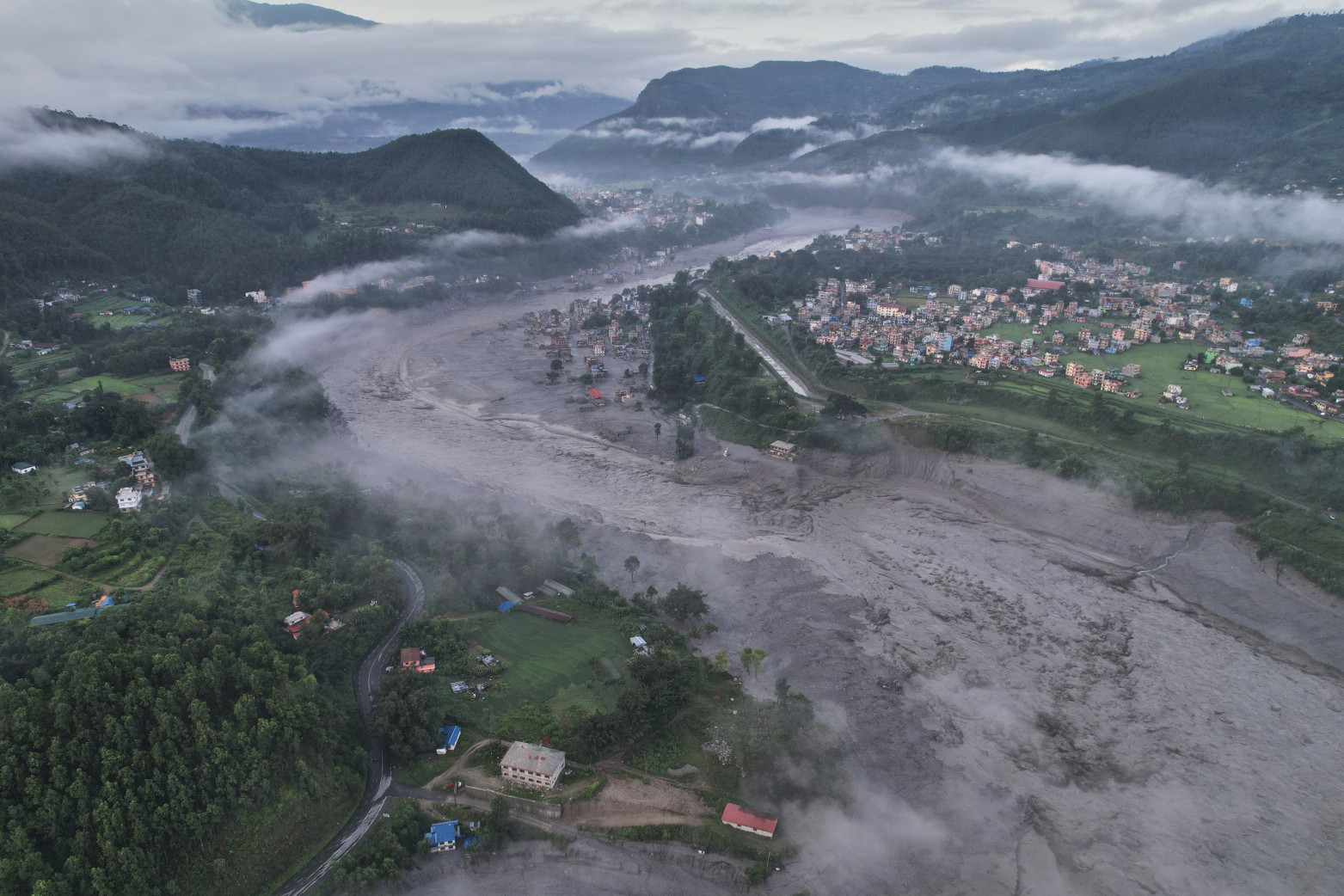
Nepal Flood Death Toll Reaches 675 as Thousands Remain Missing

Nepal Flood Death Toll Reaches 903 as Search Continues

Nepal Floods Kill 175 as Hundreds Remain Missing
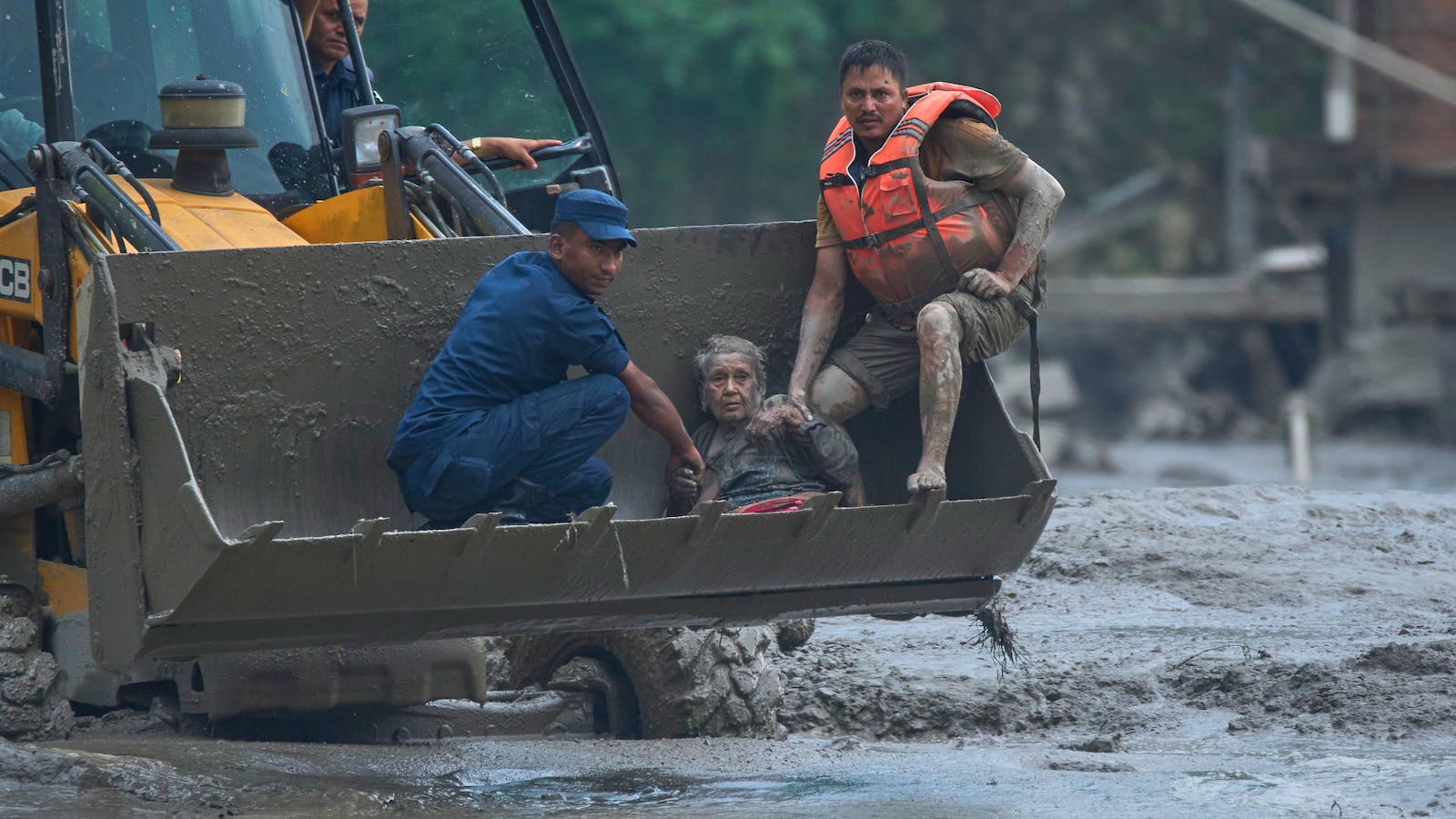
Nepal Flash Flood Death Toll Reports Diverge as Rescue Continues
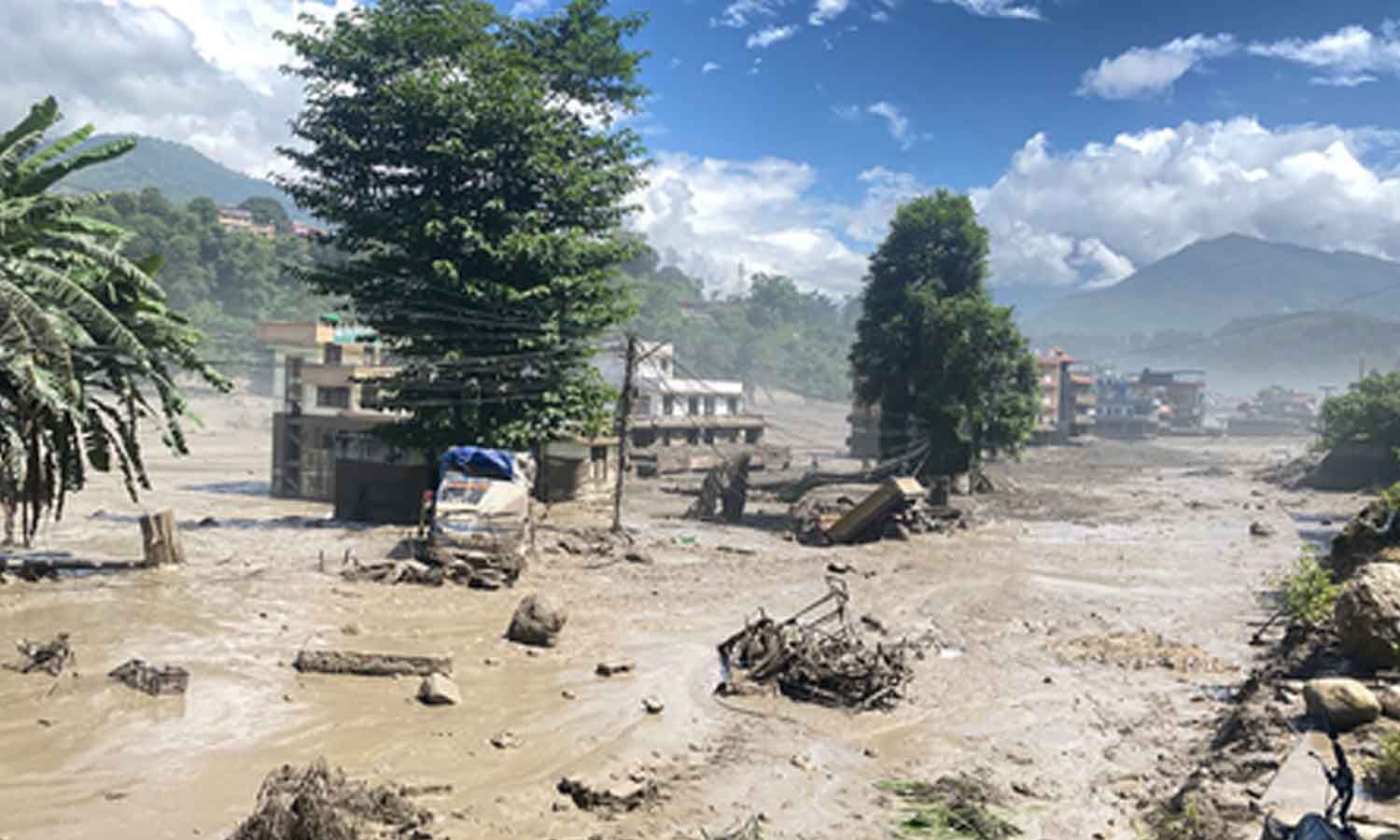
Nepal Flood Death Toll Reaches 95, Many Missing
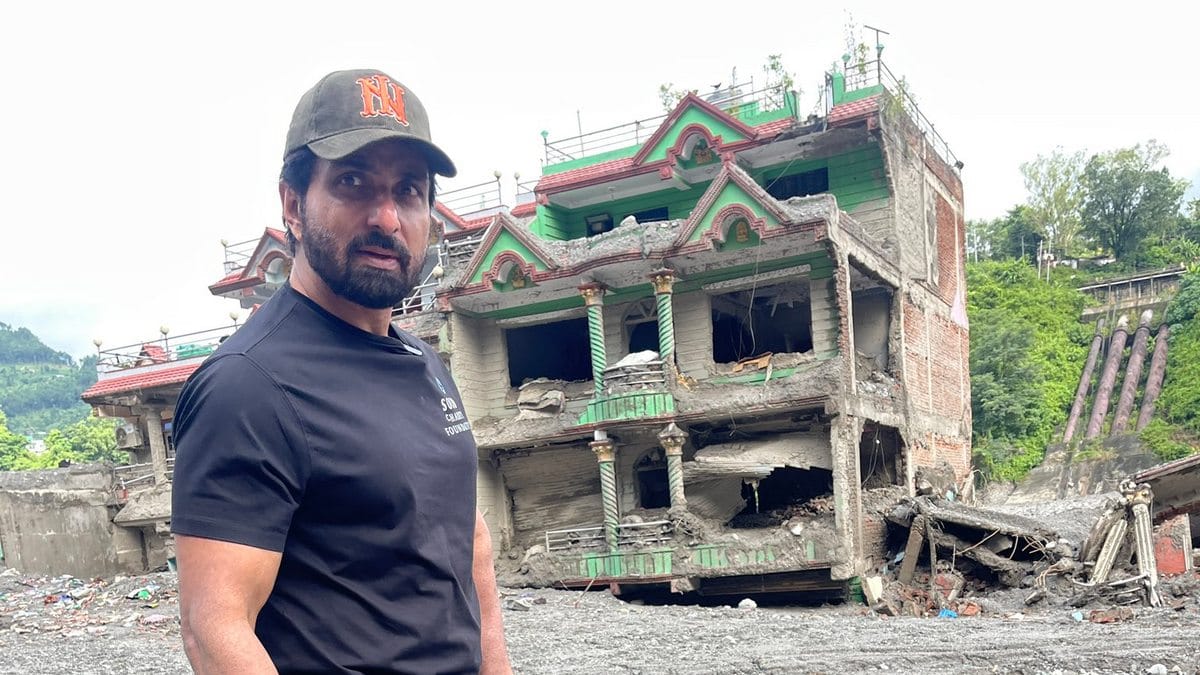
Sonu Sood Takes Flood Relief To Devastated Nepal Villages
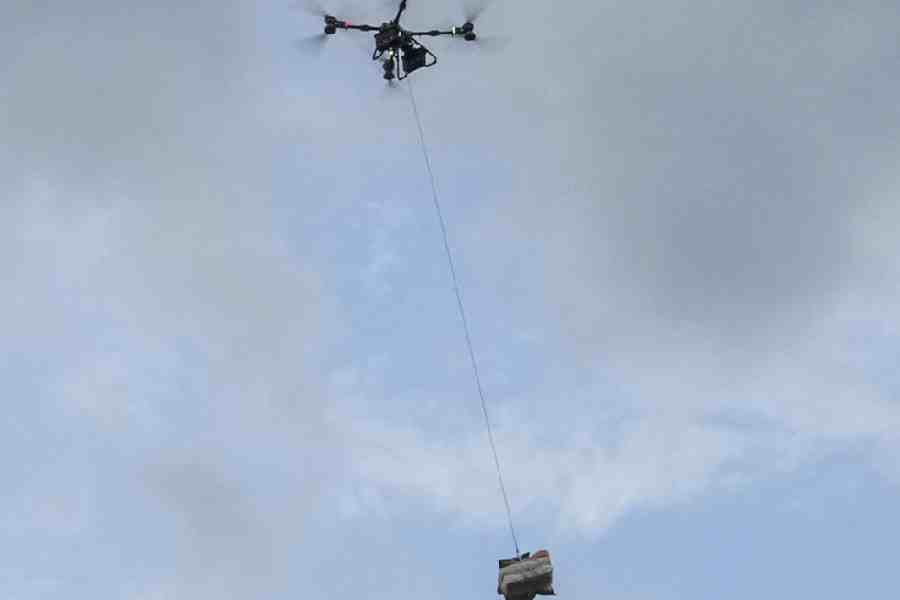
Nepal’s Drones Carry Bodies, Aid During Devastating Floods
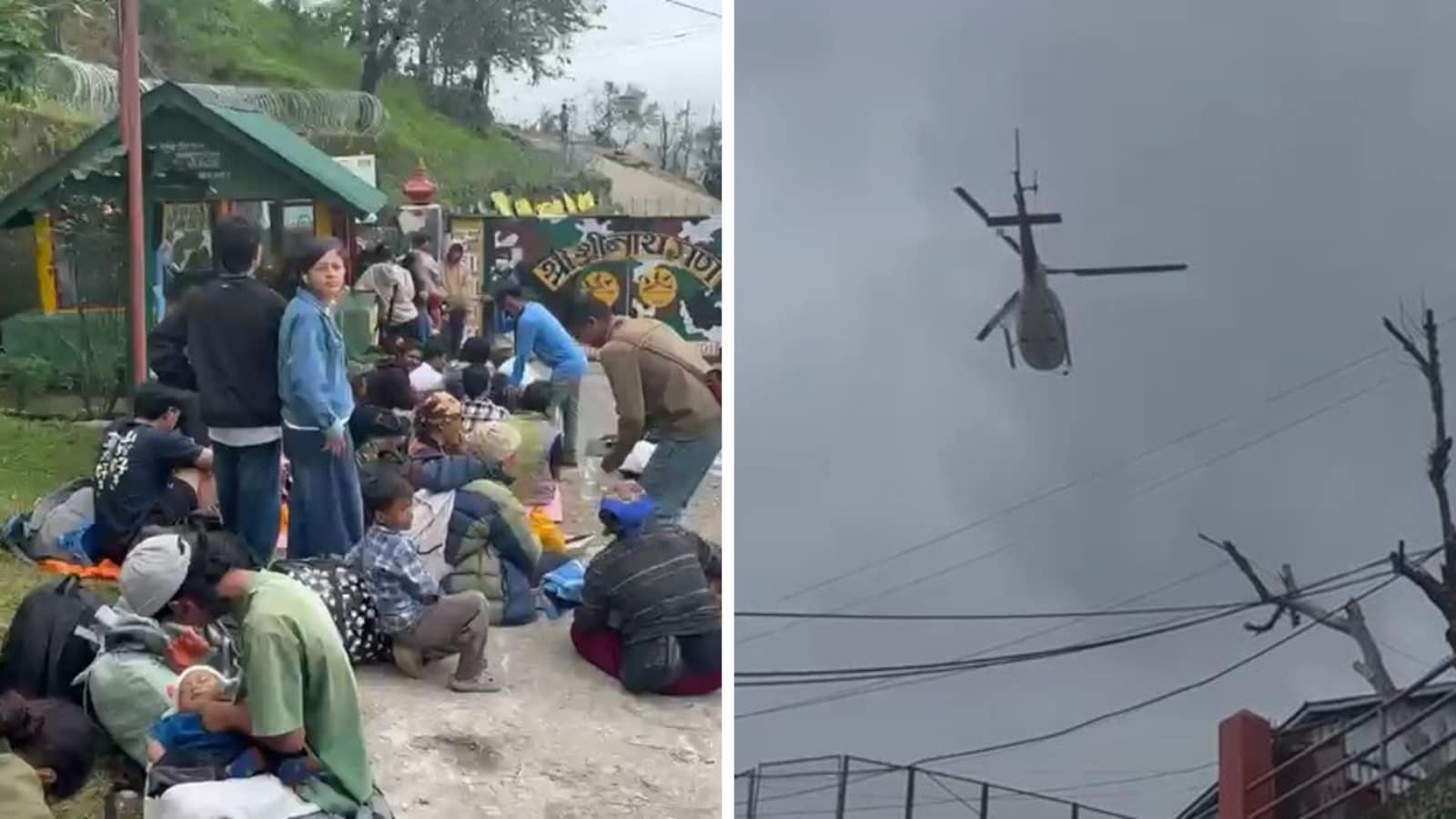
Nepal Army Choppers Rescue Flood Victims

Teacher Warning Saves 400 Students as Nepal Flood Devastates School
