

5 hrs ago
Nepal’s Drones Carry Bodies, Aid During Devastating Floods
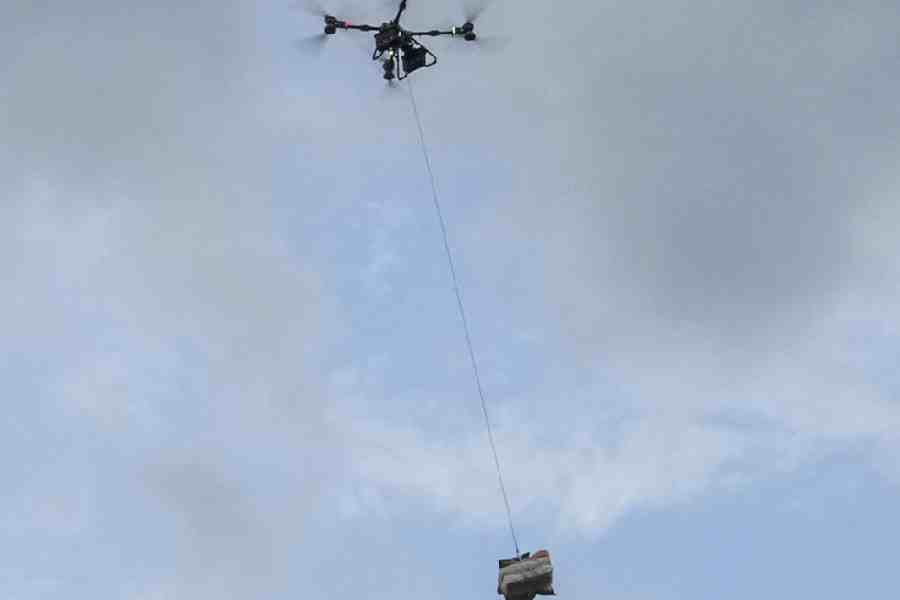
Severe floods damaged roads and bridges in parts of Nepal.
This made it too dangerous for rescuers to reach some places.
Drones flew supplies such as food and medicine to people who were cut off.
One drone asked villagers whether they needed water, food, or medicine.
Another drone looked inside a flooded hydropower tunnel for trapped workers.
The drone did not find signs of life there.
Drones also carried seven bodies to a safer location so families could bring them home.
They are useful in disasters, but bad weather and limited carrying capacity can make them difficult to use.

Drones airlifted seven bodies from inaccessible Devighat-3 to Devighat-5 in Nuwakot.
Unmanned aircraft are delivering food and medicine to flood-isolated communities.
An AI-enabled drone assessed villagers’ needs using loudspeaker questions and hand signals.
A drone searched the flooded Upper Trishuli-1 tunnel but found no signs of life.
Nepali operators say drones are cheaper than helicopters, though weather, range, and payload limit their use.
- Who
- Nepal Police, Nepal Army, Nepali drone companies, and drone operators are using the aircraft in disaster response.
- What
- Drones have carried bodies, delivered emergency supplies, assessed villagers’ needs, and searched a flooded hydropower tunnel.
- Where
- The operations took place in flood-hit areas including Devighat-3 and Devighat-5 in Nuwakot, and the Upper Trishuli-1 hydropower project.
- When
- The body-recovery operation occurred this week, during the recent floods.
- Why
- Floods washed away roads and bridges and made some areas too dangerous or inaccessible for human rescuers.
Drone Expansion
Drone Constraints
Disaster access
Drone Expansion
Operators say drones can safely reach communities and sites that are inaccessible or too dangerous for people, while costing less than helicopters.
Drone Constraints
Drones cannot replace human rescue teams in every situation because their range, payload capacity, and effectiveness can be limited by weather.
Future use
Drone Expansion
Airlift Technology says wider use of drones could strengthen Nepal’s response to floods, landslides, earthquakes, and mountain hazards.
Drone Constraints
Airlift Technology says an appropriate policy is needed before the technology can be used more widely.
Key facts
- Bodies transported
- Seven bodies were airlifted from Devighat-3 to Devighat-5.
- Emergency supplies
- At least 1.5 tonnes of supplies, including food, were delivered over three days.
- Tunnel search
- A drone entered the Upper Trishuli-1 hydropower project tunnel and found no signs of life.
- Missing workers
- Around 900 workers were reported missing at hydropower projects along the Trishuli and Bhote Koshi rivers.
- Drone team
- The body-recovery team included Nepal Police, Nepal Army, and GarudX personnel.
- Development
- Nepal’s drone capabilities expanded after the 2015 earthquake and are now being developed by Nepali companies and enthusiasts.
- Limitations
- Payload capacity, operating range, and weather conditions can restrict drone use.
Quotes
Adarsha Bhusal
Drone operator involved in the tunnel search
“For a country repeatedly exposed to earthquakes, floods, landslides and mountain hazards, the rise of locally developed drone technology could mark a significant shift in how Nepal responds to disasters — putting eyes, cargo and rescue capability into places where human access is simply too dangerous”
 telegraphindia.com
“We reached platform 1 of the project and saw the tunnel filled with water and rocks. It's risky and challenging to get inside.”
telegraphindia.com
 rediff.com
Sources

Related news
Nepal Floods Overwhelm Response Capacity as Rescue Efforts Intensify
Nepal Rescue Slowed by Shortages as Flood Toll Tops 900
Nepal Deploys Private Helicopters as Flood Death Toll Reaches 270

Flash Flood Buries Trishuli as Nepal Rescue Efforts Continue

India Sends Fifth Relief Aircraft to Flood-Hit Nepal
Nepal Flood Death Toll Reaches 682 as Rescue Efforts Continue
Sonu Sood Takes Flood Relief To Devastated Nepal Villages
Nepal Army Choppers Rescue Flood Victims

Nepal Reports 1.6 Million Affected by Bhotekoshi Floods

Teacher Warning Saves 400 Students as Nepal Flood Devastates School
