

1 week ago
Mumbai’s Mapped Landslide Risks Persist Without Evacuation System
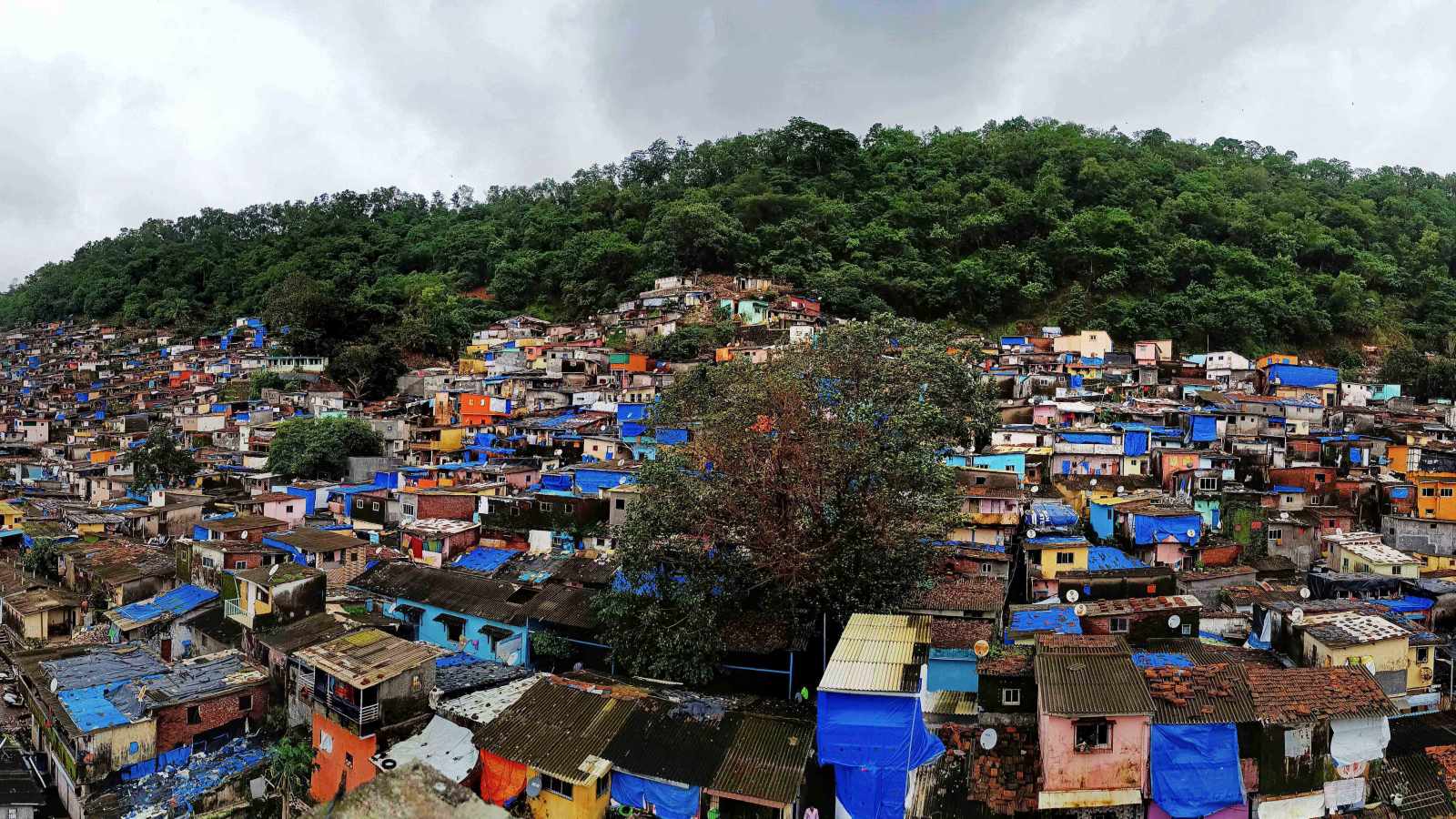
Some people in Mumbai live on hills or land that can become unsafe during heavy rain.
The city knows many of these risky places and has warned residents to leave.
However, warnings have usually not been followed by evacuation or safer homes.
Two recent collapses killed 14 people, including several children.
City officials disagree about which government office must remove the residents.
Moving people is also difficult because many have lived there for years and need replacement housing.
Experts say heavy rain triggers the disasters, but unsafe construction and blocked water paths make the danger worse.
Officials say they will begin a larger removal drive after the monsoon.

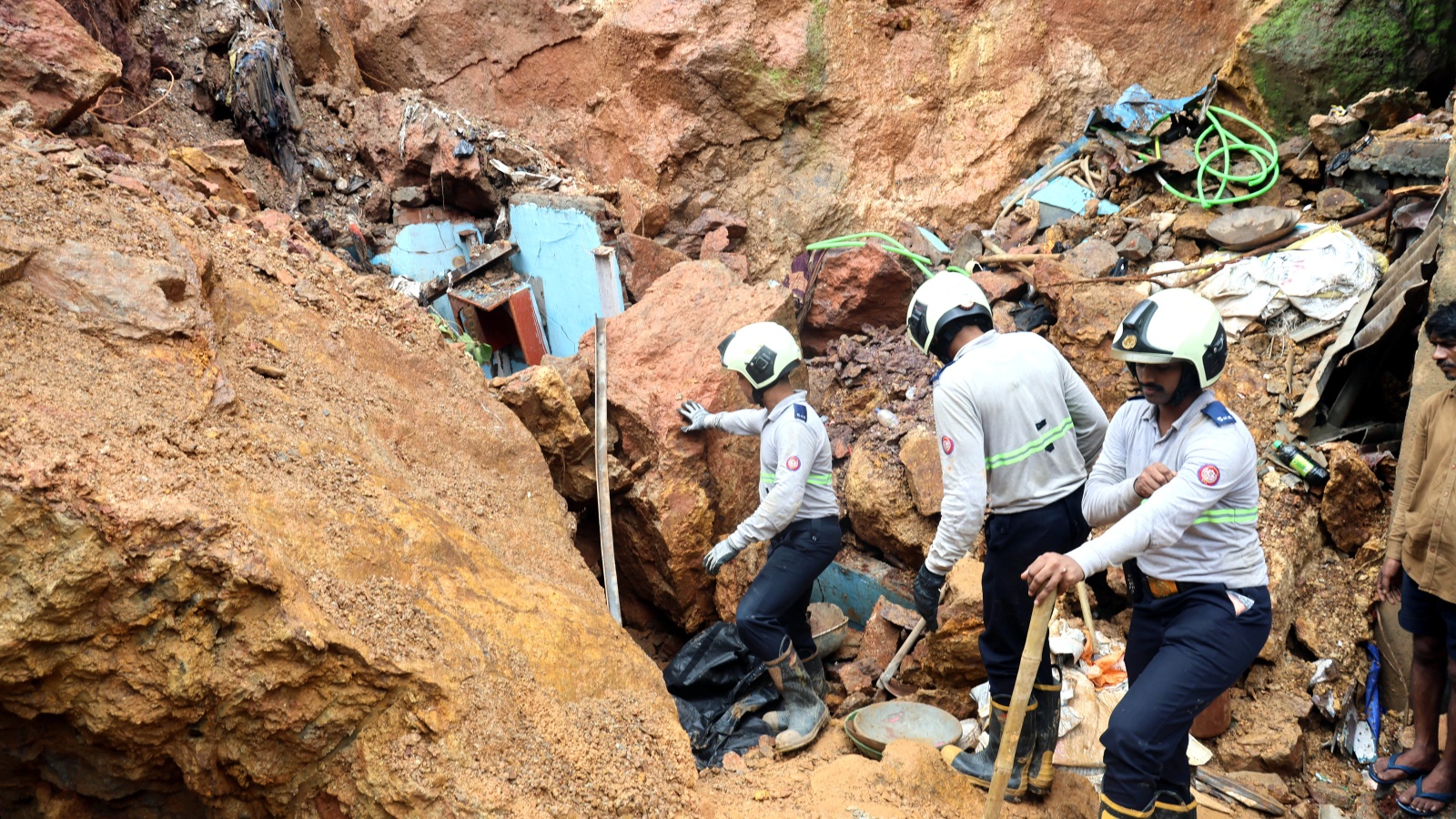
Eight people, including two toddlers, died when Kurla’s Hill Number 3 collapsed onto four shanties on August 12.
A month earlier, six people, including five minors, died when a Mankhurd structure collapsed onto adjoining shanties.
The Geological Survey of India identified 45 highly vulnerable inhabited landslide sites in 2018; the BMC later listed 287 risk locations.
The BMC and Mumbai Collector’s office agree on the dangers but dispute responsibility, authority and resources for removing residents.
Officials plan a post-monsoon drive, with residential-structure removals expected to begin after September 30.
- Who
- Residents of landslide-prone informal settlements, the Brihanmumbai Municipal Corporation, and the Mumbai Collector’s office are central to the issue.
- What
- Mumbai has identified dangerous hillside settlements but has struggled to evacuate residents or make the sites safer, amid deadly collapses.
- Where
- Mumbai, especially Kurla, Mankhurd, Vikhroli, Chembur, Ghatkopar, Bhandup and Govandi.
- When
- The latest reported landslide occurred on August 12; a separate Mankhurd collapse occurred one month earlier. Residential removals are expected after September 30.
- Why
- Heavy and increasingly intense rainfall triggers failures, while unplanned construction, altered slopes, weak ground and inadequate relocation and mitigation systems increase the risks.
Enforcement and Eviction
Relocation and Risk Mitigation
Who should act?
Enforcement and Eviction
The BMC says the hills are under the Mumbai Collector’s jurisdiction and that it cannot enforce removals without the Collector’s authorisation.
Relocation and Risk Mitigation
The Collector’s office says the BMC is Mumbai’s primary planning body and authorised District Disaster Management Authority, while the Collector’s office lacks resources for a large eviction drive.
How should residents be removed?
Enforcement and Eviction
BMC Commissioner Ashwini Bhide says notices should be followed, where necessary, by forced eviction of illegal structures after the monsoon.
Relocation and Risk Mitigation
Former bureaucrats say court protections for many residents and the absence of alternative housing make direct eviction difficult; relocation would require substantial resources and available land.
What is the long-term solution?
Enforcement and Eviction
Officials propose removing structures from the most vulnerable locations and enforcing restrictions on illegal construction.
Relocation and Risk Mitigation
Experts and former officials argue that removal alone is insufficient and call for alternative housing, regular slope assessments, retaining walls and geo-nets.
Key facts
- Latest deaths
- Eight people, including two toddlers, were killed in the August 12 Kurla landslide.
- Earlier deaths
- Six people, including five minors, died in a Mankhurd building collapse one month earlier.
- 2018 risk assessment
- The Geological Survey of India identified 45 highly vulnerable inhabited landslide-prone locations in Mumbai.
- Current risk map
- The BMC’s Mumbai Climate Action Plan identifies 287 landslide-prone locations, including 209 within informal settlements.
- Historical toll
- BMC data cited in the article records more than 340 landslide-related deaths in these areas between 1992 and 2026.
- Rainfall trend
- Average rainfall during very-heavy rainfall events reportedly rose from 132 mm to 182 mm over six years.
- Planned action
- The Collector’s office is expected to begin removing residential structures after September 30, while the BMC will provide manpower.
Quotes
Deepankar Choudhury
IIT Bombay geotechnical engineer and disaster-resilience adviser
“Once a hill was quarried, the abandoned quarry was squatted upon by underprivileged migrants coming to the city. These shanties lacked basic facilities and were unsafe, as the half-quarried hills would collapse during heavy rain.”
 indianexpress.com
“After the monsoon gets over, we will issue notices to illegal encroachers and ask them to vacate the premises first. If required, forceful eviction will be carried out.”
indianexpress.com
Sources
Related news
2018 Report Predicted Mumbai Landslide That Killed Eight

BMC Begins Evacuating Families From Landslide-Prone Ashok Nagar in Mumbai

Ghatkopar Landslide Kills Seven; Survivors Question Eviction Notices
Landslide in Mumbai kills two; another report says seven

Seven killed in Mumbai Ghatkopar landslide after heavy rains

Kurla Landslide Death Toll Rises; Mayor Announces ₹4 Lakh Compensation
BMC Complaint, Leader Denies Alleged Kurla Terrace Encroachment

Mumbai BMC Hospitals Face Scrutiny Over Patient Care

Mumbai Mayor Offers Vehicle to Help Newborn Reach Home

Crane Collapse In Kandivali Damages Motorcycle, Raises Mumbai Safety Concerns
