3 weeks ago
Iran's proposed Hormuz shipping toll could yield $100 billion yearly
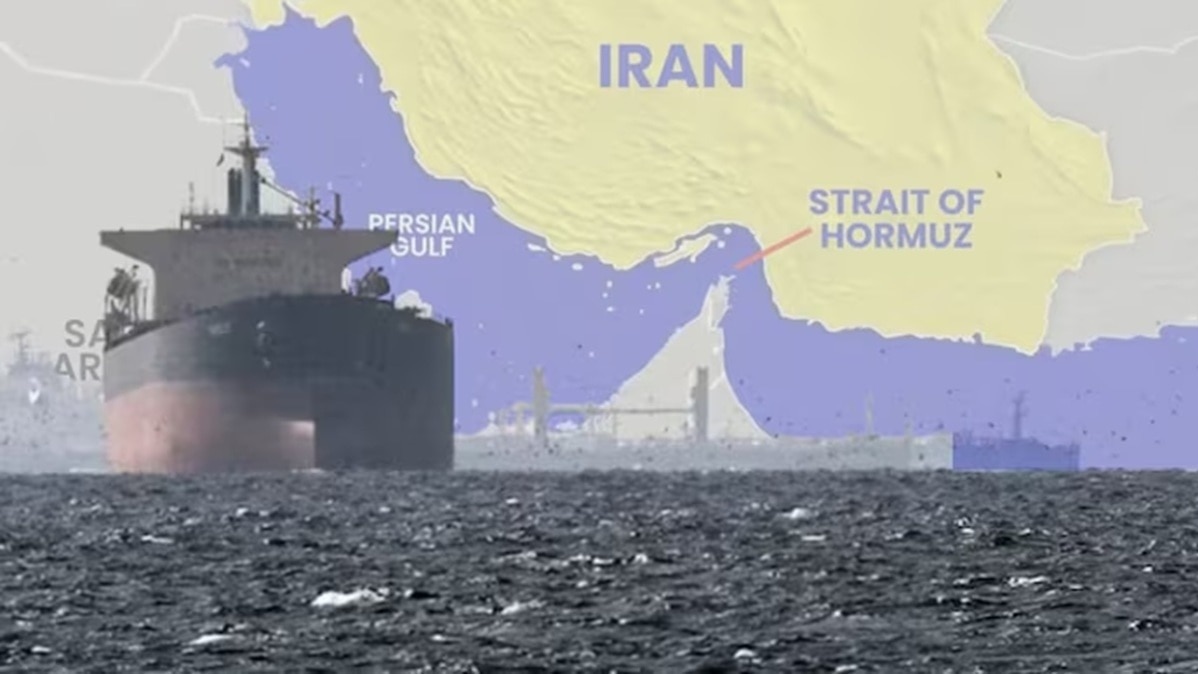
There is a narrow strip of water between Iran and other countries called the Strait of Hormuz.
Many big ships carrying oil sail through it.
Iran has an idea: it wants every ship that passes through to pay a toll, like a road toll but for the sea.
The toll would be about 5 to 7 percent of what the cargo is worth.
That could make Iran a lot of money — maybe over 100 billion dollars a year.
That is more than a third of everything Iran earns in a whole year.
But the plan is not finished yet, and no deal has been signed.
Oman, a nearby country, thinks the toll should be lower, at 3 percent.
Recently, fewer ships have been using the Strait, and some ships turned off their tracking signals, which worries the people who move cargo by sea.

Iranian Deputy Foreign Minister Kazem Gharibabadi announced a proposal to charge ships a transit toll of 5-7% of cargo value for navigating through Iranian territorial waters in the Strait of Hormuz.
A 7% toll on all commercial traffic at pre-conflict shipping volumes could generate roughly $385 million per day and more than $100 billion annually for Iran.
Oman has reportedly proposed a lower toll of 3%, and no final agreement has been reached.
Gharibabadi said Tehran had received indications that the United States was prepared to return to understandings outlined in the Memorandum of Understanding signed in June.
Kpler data shows Strait of Hormuz crossings fell to eight vessels on August 4, while Bab el-Mandeb crossings rose to 34, with 'dark' transits and a confirmed attack on the vessel Minoan Pioneer flagged as risks.
- Who
- Iranian Deputy Foreign Minister Kazem Gharibabadi announced the proposal; Iran, Oman, the United States and maritime intelligence firm Kpler are involved.
- What
- Iran is proposing a transit toll of 5-7% of cargo value for ships passing through its territorial waters in the Strait of Hormuz, a plan that could generate over $100 billion a year.
- Where
- The Strait of Hormuz and Iranian territorial waters in the Middle East Gulf, with related traffic shifts at the Bab el-Mandeb strait.
- When
- Announced recently; shipping traffic data is cited from August 4; the related Memorandum of Understanding was signed in June.
- Why
- To generate large revenue — more than one-third of Iran's GDP — without increasing oil production.
Iran's higher toll proposal
Oman's lower toll counter-proposal
Transit fee level
Iran's higher toll proposal
Iran is pushing for a toll of 5-7% of cargo value, which could raise over $100 billion a year and rival the net income of the world's largest corporations.
Oman's lower toll counter-proposal
Oman has reportedly proposed a lower toll of 3% of cargo value, and no agreement has been finalised.
Key facts
- Proposed toll (Iran)
- 5-7% of cargo value
- Proposed toll (Oman)
- 3% of cargo value
- Potential annual revenue
- Over $100 billion (7% toll, pre-conflict volumes)
- Potential daily revenue
- About $385 million
- VLCC toll example
- ~$11 million per 2-million-barrel crude load
- Share of world oil supply
- Roughly one-fifth passes through the Strait of Hormuz
- Share of Iran's GDP
- More than one-third
- Hormuz crossings (Aug 4)
- 8 vessels; Bab el-Mandeb: 34 (Kpler)
Sources
Related news
Iran-Oman Hormuz transit fee plan faces industry resistance over sanctions
Iran Approves Service Fees for Authorised Ships Crossing Hormuz

Iran, Oman Reach Hormuz Revenue Accord Amid US Opposition
Oil prices climb to $83 as Hormuz deal stalls
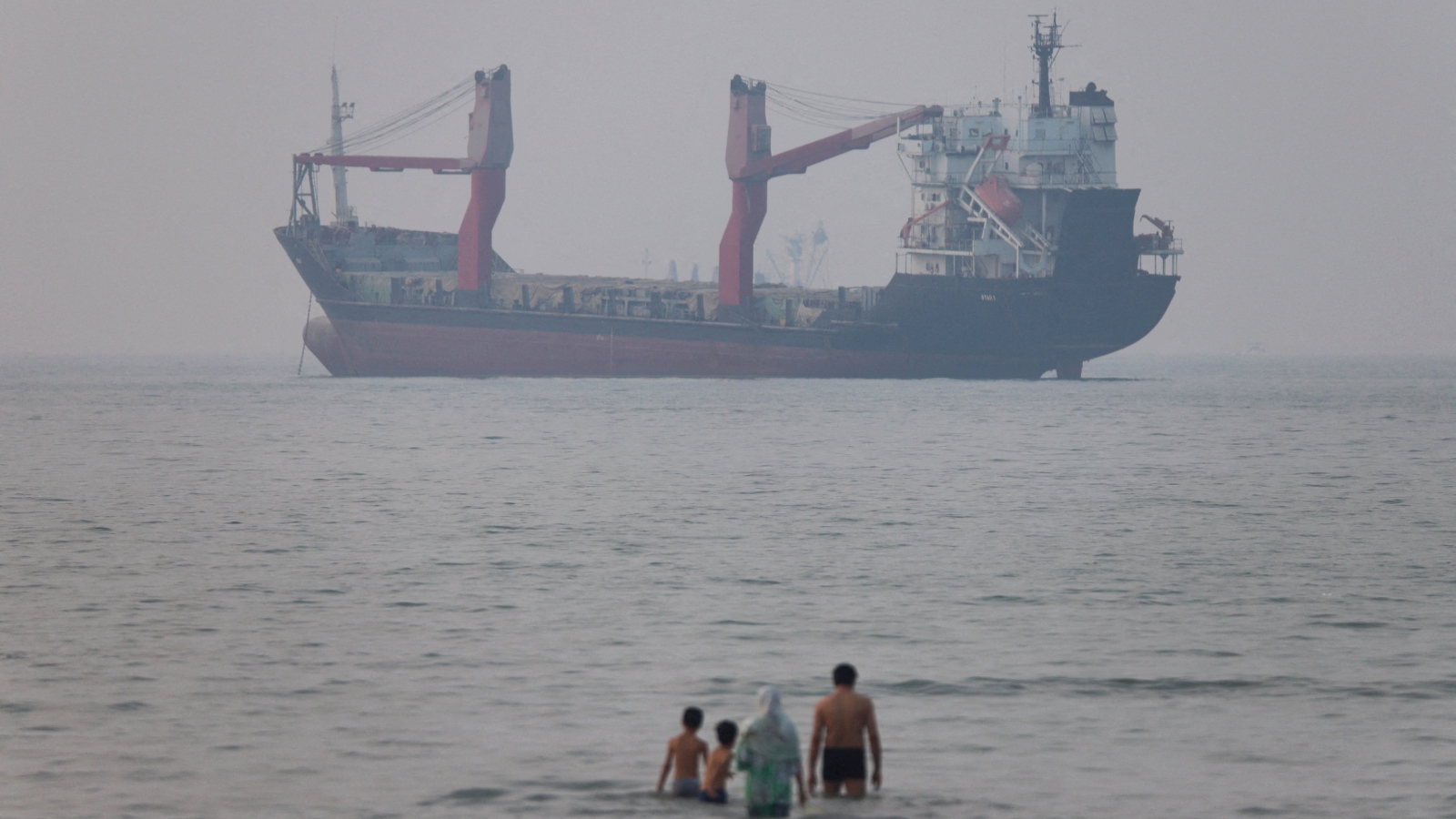
Shipping Data Challenges US Claims of Control Over Hormuz
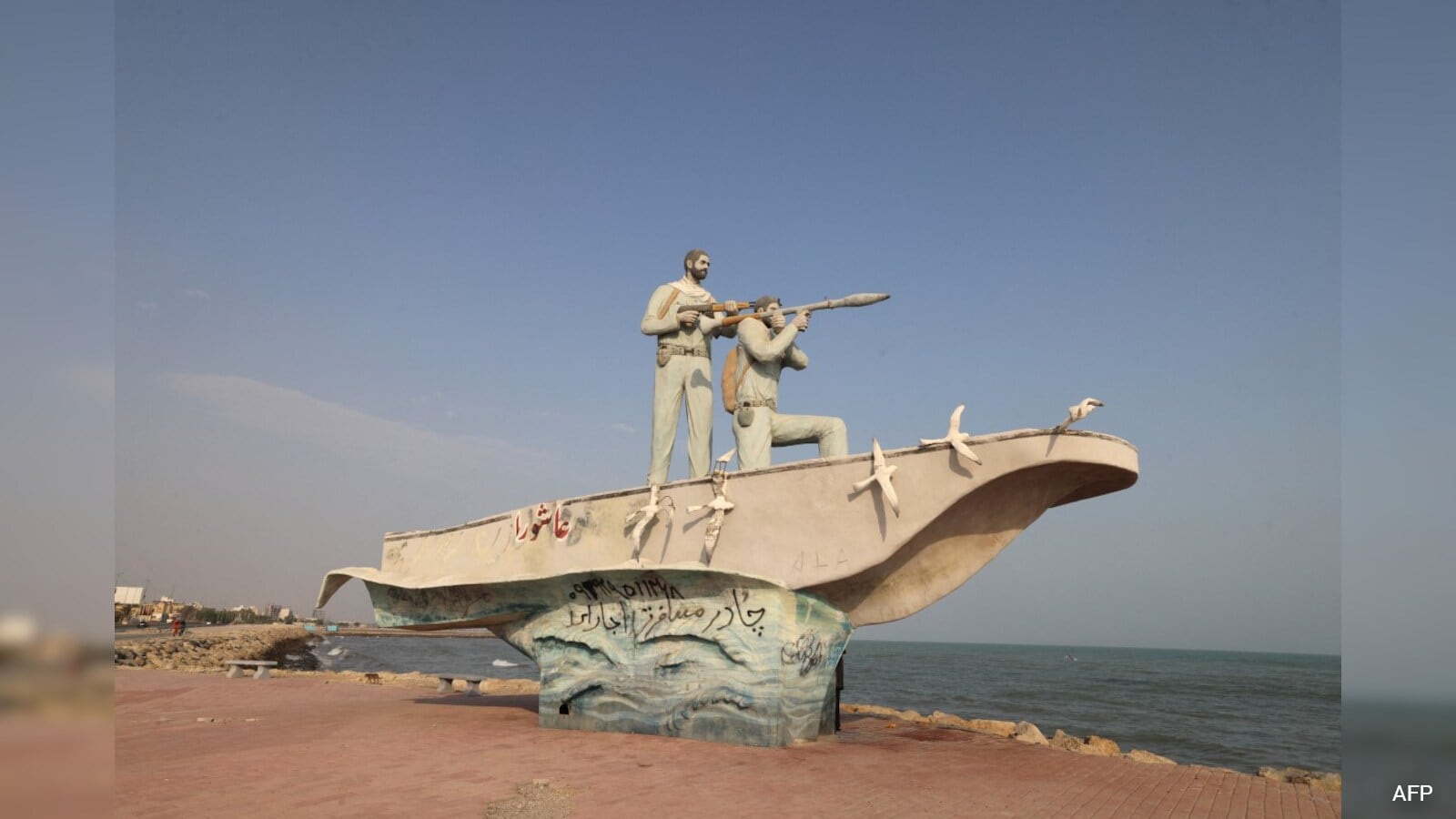
Ships Shift to Omani Route as Iran’s Hormuz Grip Slips

US-Iran Strikes Escalate as Tehran Warns of New Strategy

Trump Warns of Fresh Iran Strike After Heavy Attack

Trump Says US Could Attack Iran Again at Will

U.S. Treasury Yields Ease as Jobs Data Misses Expectations

Iran Seizes Fuel-Smuggling Vessel in Gulf, Arrests 11 Crew