2 weeks ago
Ships Shift to Omani Route as Iran’s Hormuz Grip Slips
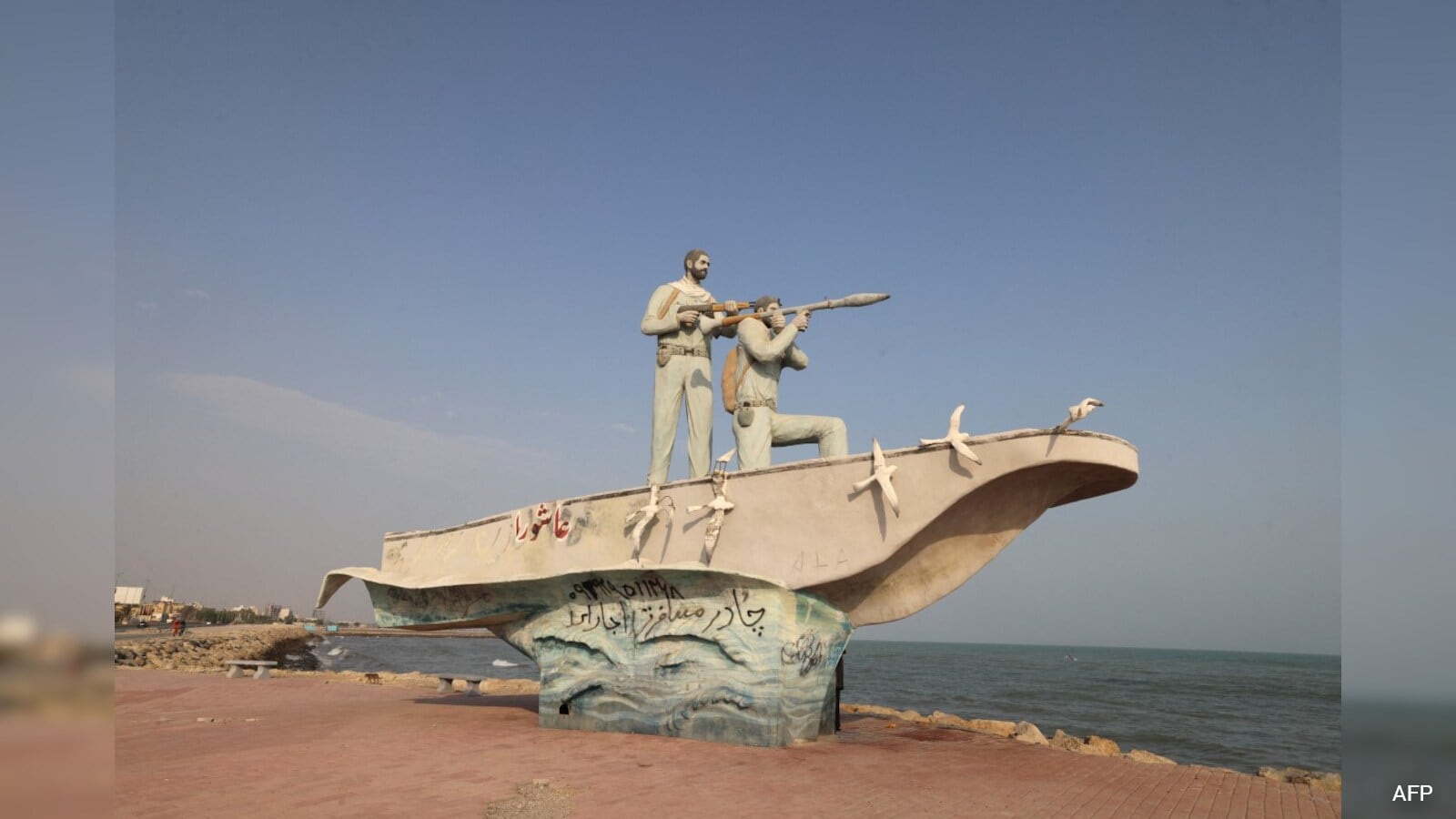
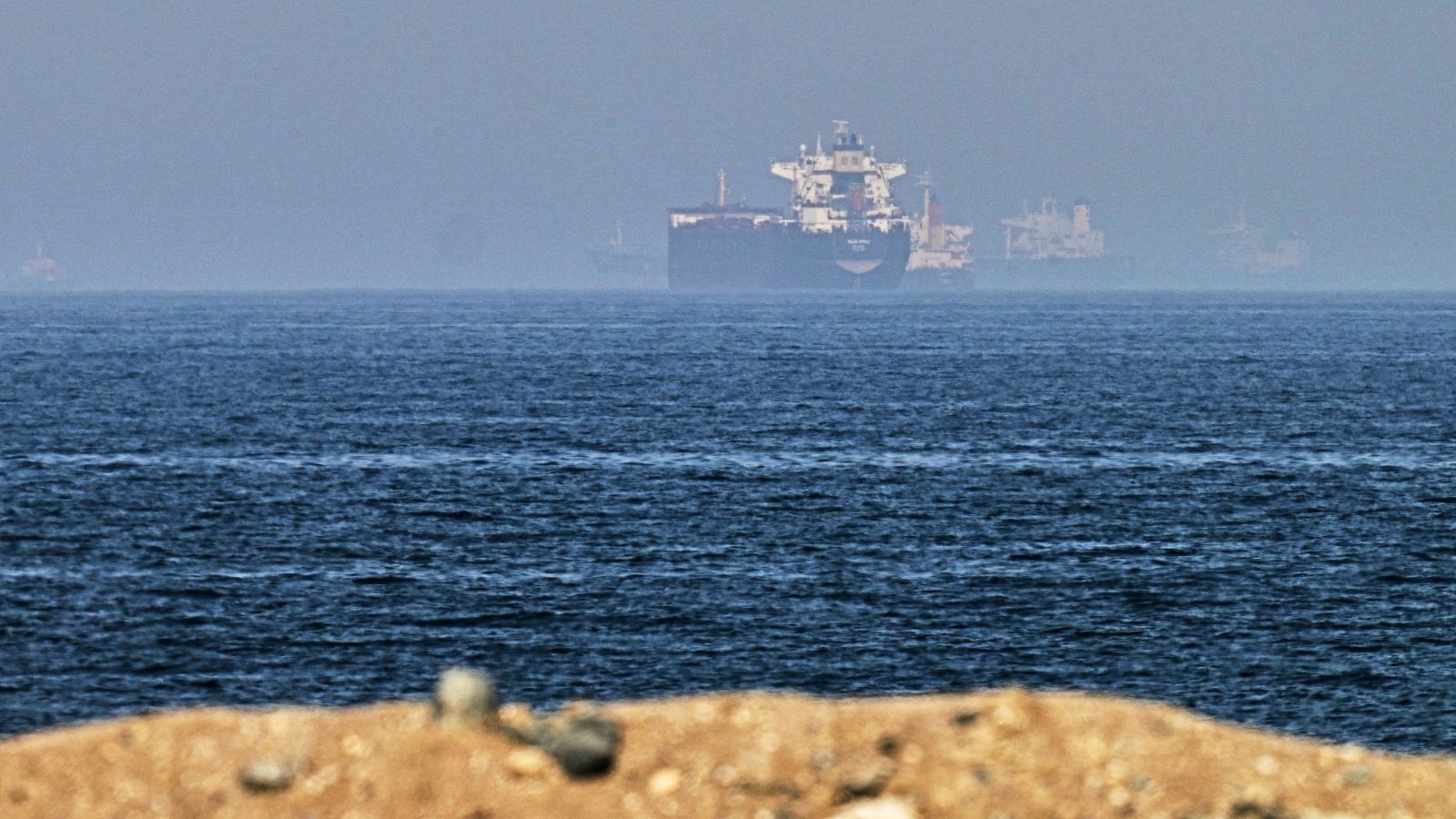
The Strait of Hormuz is a narrow sea route used by ships carrying oil and other goods.
Iran and the United States disagree about who controls it.
Many ships are now using a different route near Oman.
Kpler says more than 80% of recent tracked ships used that Omani route.
The route is authorised by the United Nations, but Iran opposes it.
Some ships are reportedly traveling with protection from US naval forces.
Iran has reportedly attacked some vessels and says the strait will stay closed until its demands are met.
However, far fewer ships are crossing than usual.
Reports also differ about how many ships used each route on particular days.

Kpler says more than 80% of vessel transits over the past two weeks used the UN-authorised Omani route.
The route shift suggests Iran has partially lost control as vessels reportedly rely on US naval protection.
Iran has reportedly attacked ships using Oman’s northern coast and opposes the alternative passage.
Traffic remains far below normal, with Reuters recording six commodity ships crossing on Monday and AP reporting 95 crossings last week.
The United States says the waterway is open, while Iran says it will remain closed until claimed US commitments are fulfilled.
- Who
- Iran, the United States, commercial shipping operators, Oman, and Gulf oil exporters including Saudi Arabia, Kuwait, and the United Arab Emirates.
- What
- Commercial vessels are increasingly using a UN-authorised Omani route through or around the Strait of Hormuz as Iran and the United States dispute control of the waterway.
- Where
- The Strait of Hormuz, the northern Omani coast, the Persian Gulf, and the Gulf of Oman.
- When
- The latest reports were published on August 19, 2026; the broader conflict began on February 28, according to the articles.
- Why
- Ships are reportedly using the Omani route to avoid Iran’s preferred passage, potential attacks, and requested tolls, with some relying on US naval protection.
Iran’s position
United States and shipping position
Control of the waterway
Iran’s position
Iran claims the strait remains under its control and says it will not reopen it until stated US commitments are fulfilled.
United States and shipping position
Trump says the waterway is open, while the growing use of the Omani route and US naval patrols indicate that vessels are challenging Iran’s preferred route.
Use of the Omani route
Iran’s position
Iran opposes the UN-authorised Omani passage and has reportedly attacked ships attempting to use the northern Omani coast.
United States and shipping position
Most recently tracked vessels have used the Omani route, reportedly relying on US protection despite the risks.
Diplomatic status
Iran’s position
Iran has linked reopening the strait to implementation of commitments it says Washington made in a June memorandum of understanding.
United States and shipping position
Trump said no talks were underway or scheduled, contradicting Jared Kushner’s description of discussions as positive and active; US sources separately acknowledged positive discussions.
Key facts
- Omani-route usage
- Kpler reported that more than 80% of vessel transits over the previous two weeks used the Omani route.
- Route status
- The Omani shipping channel is authorised by the United Nations and opposed by Iran.
- Recent Hormuz crossings
- Reuters reported six commodity ships crossed on Monday, compared with two on Sunday and three on Saturday.
- Traffic comparison
- Monday’s six crossings were below the 10-day average of 11 ships; AP reported 95 crossings last week and 118 the week before.
- Oil flows
- US Energy Secretary Chris Wright said oil transits through Hormuz and rerouted shipments totaled about 15 million barrels per day, compared with a pre-war average of 20 million.
- US claim
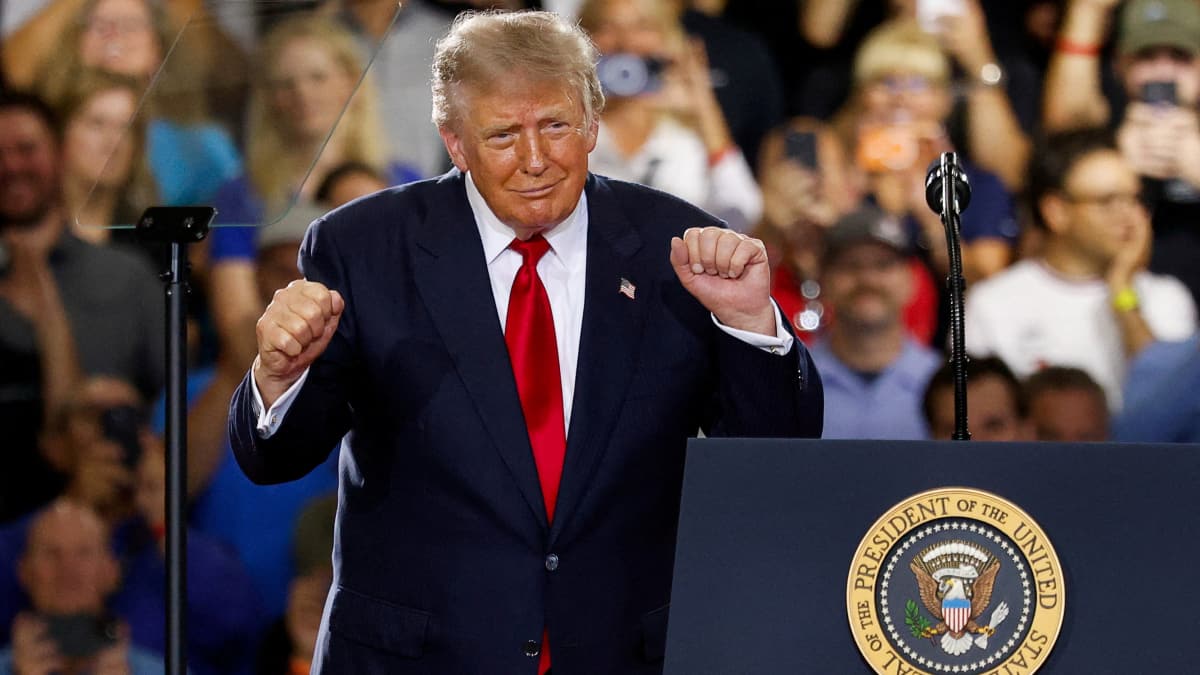
- Donald Trump said the waterway was open, mines had been removed or detonated, and posted a map calling it “NEW U.S. Territory.”
- Iranian position
- Iranian negotiator Mohammad Bagher Ghalibaf said the strait would remain closed until commitments Tehran attributes to a June US-Iran memorandum were implemented.
Quotes

Mohammad Bagher Ghalibaf
Iranian negotiator
“"There are no talks or conversations going on, or scheduled, with the Islamic Republic of Iran. The Naval Blockade remains in full force and effect."”
 NDTV
NDTV
“"It increasingly looks like Iran has at least partially lost control of the strait."”
NDTV
 news18.com
 livemint.com
Sources

Related news
Shipping Data Challenges US Claims of Control Over Hormuz

New Data Questions Iran’s Control of the Strait of Hormuz
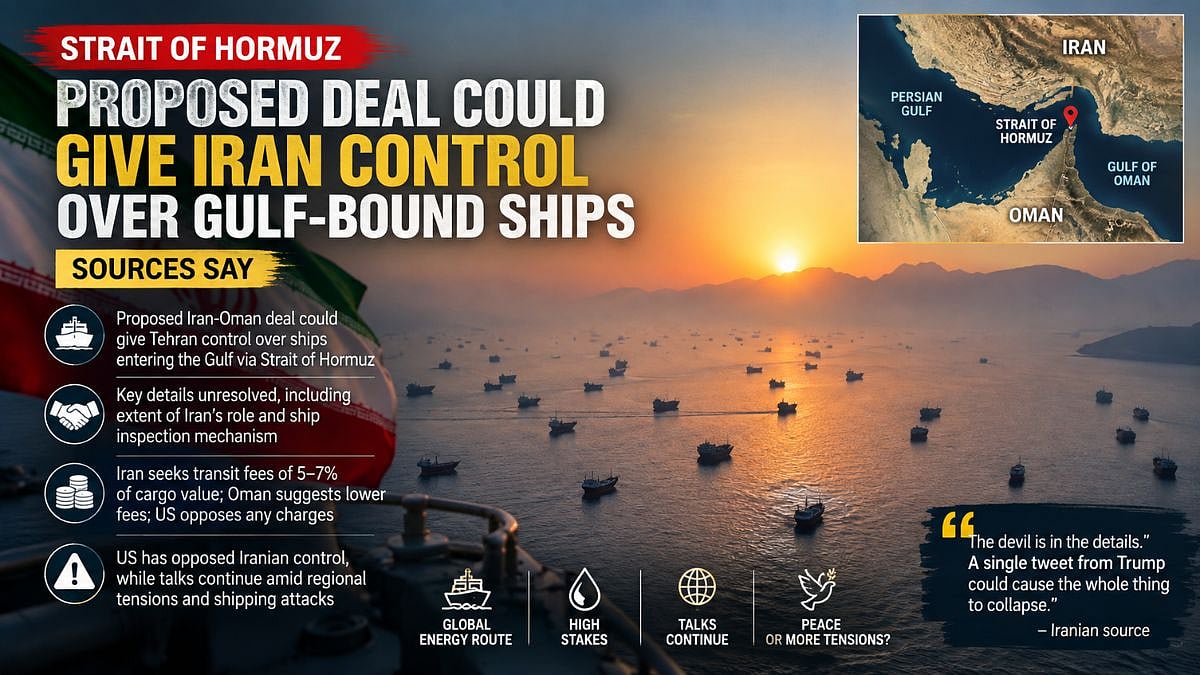
Iran Nears Control of Hormuz Shipping Under Proposed Oman Deal
Trump Declares Strait of Hormuz Open as Tanker Traffic Resumes

US, Iran Clash Over Control of Strait of Hormuz
Iran, Oman Reach Understanding on Hormuz Shipping Route Coordinates

Chevron Plans $7 Billion Venezuela Expansion Amid U.S. Oil Push

Saudi Arabia Says Iranian Tanker Attack Killed Two Sailors
U.S.-Iran Exchange Escalates Across Middle East, Markets Slide
Trump Aides Seek Quiet Iran War Before Midterm Elections
US Warns Middle East Travelers Amid Escalating Iran-Linked Tensions