

3 weeks ago
Iran-Oman Hormuz transit fee plan faces industry resistance over sanctions
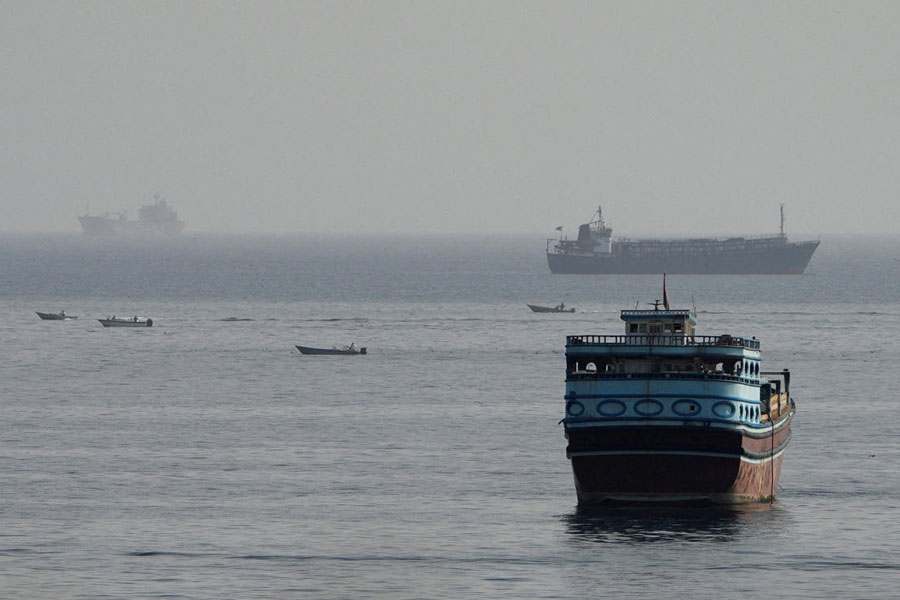
The Strait of Hormuz is a narrow strip of water where many ships carrying oil and other goods travel.
Iran and Oman are neighbors who want to make a deal about who controls this waterway.
The deal would let Iran check and control ships coming in and charge them money.
Iran wants to charge ships between 5 and 7 percent of what their cargo is worth.
Oman thinks a smaller fee of about 3 percent is better, while the United States says no fees at all.
Many shipping companies do not like this idea and say charging ships to pass is like a toll.
They say it breaks rules that were set up for ships passing through international waters.
There is another problem: the United States has sanctions on the Iranian authority that runs the waterway, so companies that pay may get into trouble.
Insurance companies also added a rule that stops covering ships that pay such fees.
This puts ship owners in a hard spot, so the deal is very hard to make work.

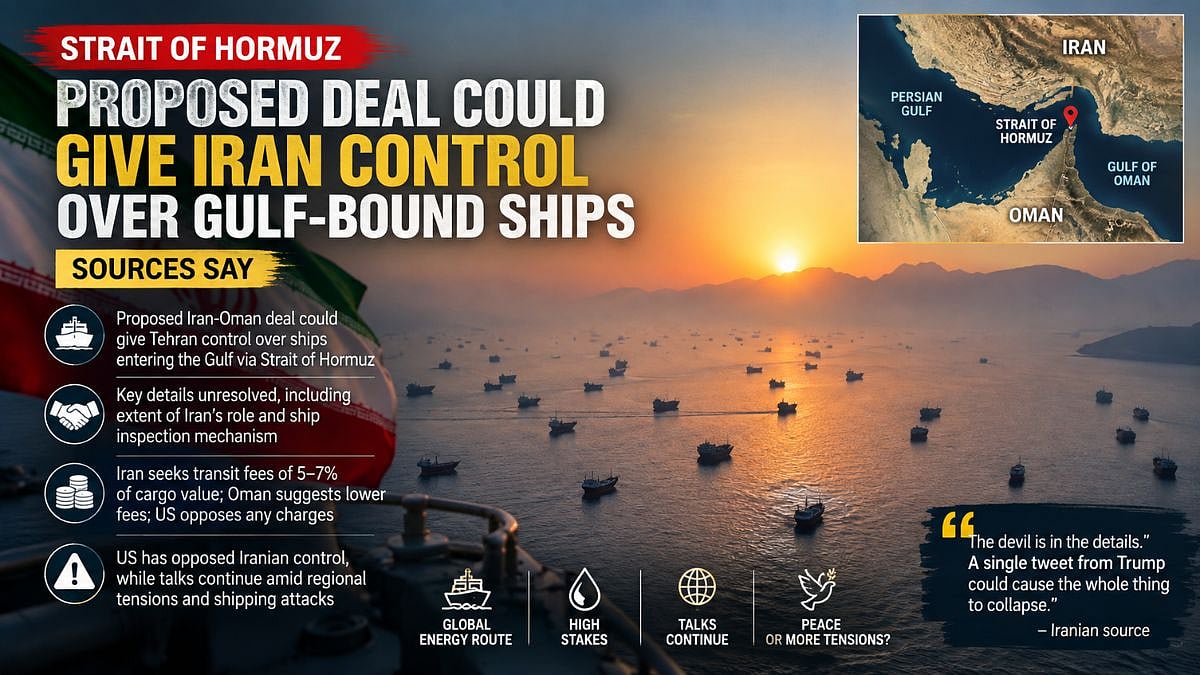
Iran and Oman proposed a deal giving Tehran control over inbound ships entering the Gulf through the Strait of Hormuz, with outbound traffic cleared through Oman after notifying Iran.
Four industry sources said the plan is not easily workable due to US sanctions and restrictive insurance clauses on any payments.
Iran is seeking transit fees of between 5% and 7% of cargo prices, Oman is discussing around 3%, and Washington wants no fees at all.
World-leading shipping associations called the compulsory charges "a toll in all but name" in an open letter to the UN's shipping agency.
The Lloyd's Market Association introduced a clause terminating insurance cover for vessels that pay a transit fee through the Strait of Hormuz.
- Who
- Iran, Oman, the United States, international shipping associations, and the Lloyd's Market Association.
- What
- A proposed Iran-Oman deal that would let Iran control inbound traffic through the Strait of Hormuz and charge transit fees, which industry sources say is unworkable due to sanctions and insurance clauses.
- Where
- The Strait of Hormuz, the narrow waterway between the Gulf and the Indian Ocean.
- When
- Reported this week, after US-Israeli airstrikes at the end of February unleashed war in Iran; the Persian Gulf Strait Authority was set up in May and the Lloyd's insurance clause was introduced in late July.
- Why
- Control of the strait has been the biggest sticking point in efforts to end the conflict, but fees raise compliance issues under US sanctions and shipping law.
Shipping Industry and Washington
Iran and Oman
Charging transit fees
Shipping Industry and Washington
Shipping associations call the charges "a toll in all but name" that would undermine the international legal framework for straits used for navigation; the US wants no fees at all.
Iran and Oman
Iran is seeking fees of between 5% and 7% of cargo prices and Oman is discussing fees of around 3% for ships using the strait.
Sanctions and payments
Shipping Industry and Washington
Payments would create major compliance issues because the US has sanctioned the Persian Gulf Strait Authority, and any payment could lead to asset freezes under US Treasury rules.
Iran and Oman
Iran set up the Persian Gulf Strait Authority in May to operate the waterway as part of its control plan.
Insurance coverage
Shipping Industry and Washington
Insurers say the LMA clause means they have no liability to indemnify transit fee payments, leaving shipowners in a "catch 22" situation.
Iran and Oman
Iran aims to charge a toll for passage while ships still need additional war risk premiums for insurance.
Key facts
- Proposed fee by Iran
- Between 5% and 7% of the price of cargoes
- Proposed fee by Oman
- Around 3%
- US position
- No fees at all
- Sanctioned operator
- Persian Gulf Strait Authority, set up by Iran in May
- Insurance change
- Lloyd's Market Association clause terminating cover for vessels that pay transit fees, introduced late July
- Shipping routing system
- Two-way traffic separation scheme adopted by the UN shipping agency in 1968
- Strait's role
- Main route for about a fifth of world oil supplies before the war
Quotes
World shipping associations
Leading global shipping industry groups
“The ability of merchant ships to navigate international waterways 'safely, predictably and without unnecessary impediment is fundamental to resilient supply chains, economic stability and energy security'”
 telegraphindia.com
“Under the clause, insurers have no liability to indemnify any such payment and, where such a payment has been made, are discharged from obligations in respect of the relevant vessel”
telegraphindia.com
Sources
Related news

Iran-Oman Hormuz Deal in Final Stage; Trump Says Announcement Near

Iran Threatens Hormuz Vessels With Fines and Passage Restrictions
Iran Nears Control of Hormuz Shipping Under Proposed Oman Deal
Iran Approves Service Fees for Authorised Ships Crossing Hormuz
Iran Says Strait of Hormuz Deal With Oman Being Finalised
Iran, Oman Reach Understanding on Hormuz Shipping Route Coordinates

Iran Seizes Fuel-Smuggling Vessel in Gulf, Arrests 11 Crew
Trump Floats Renaming Strait of Hormuz as “Trump Strait”

Chevron Plans $7 Billion Venezuela Expansion Amid U.S. Oil Push
Saudi Tanker Hit in Hormuz, Killing Two Filipino Sailors

Indian Stocks Extend Three-Day Losing Streak as Oil Rises
