3 weeks ago
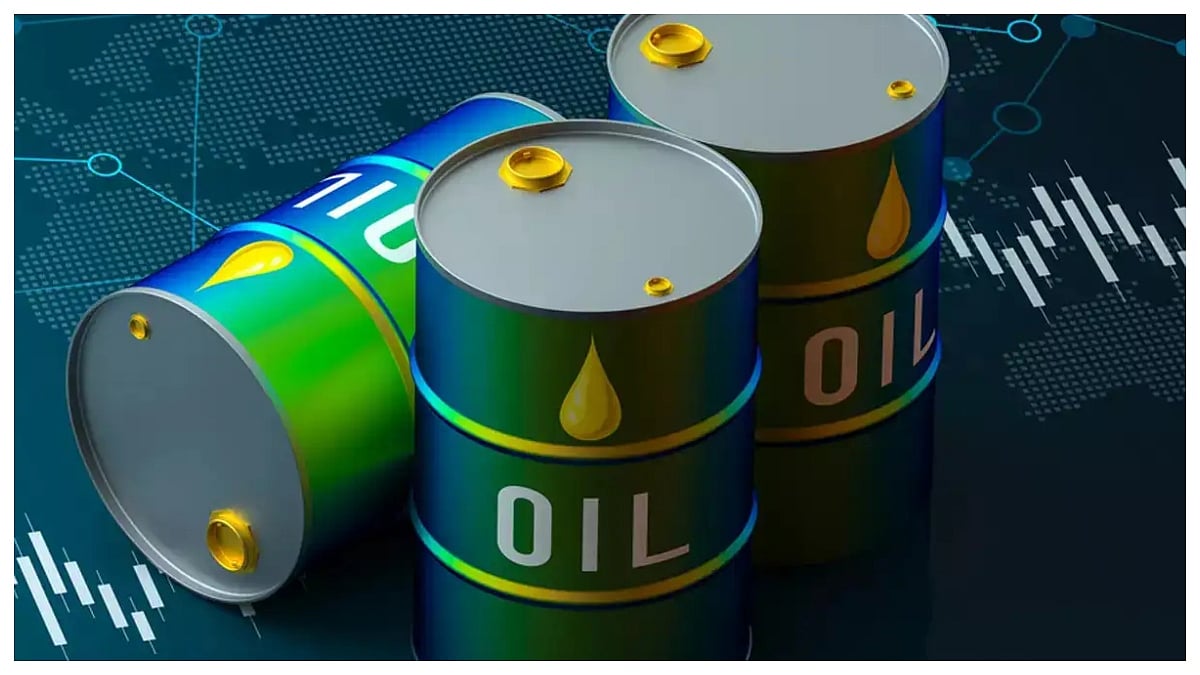
Oil prices climb to $83 as Hormuz deal stalls
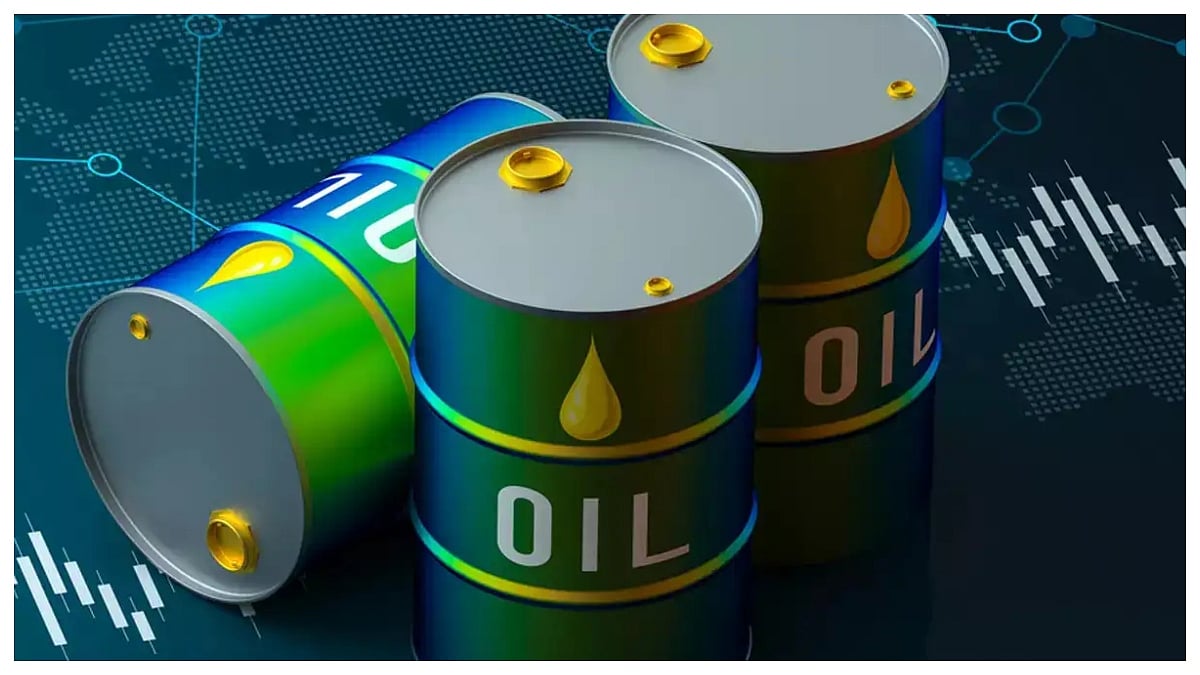
Oil is used to make fuel for cars, planes, and many other things.
A lot of that oil travels through a narrow waterway called the Strait of Hormuz.
People became worried that ships might be stopped there, so the price of oil went up.
On Friday, a barrel of Brent crude cost about $83.
Iran said it might not let ships from the United States and Israel pass through the strait.
Iran also wants ships to pay a fee for passing through, but the U.S. does not want any fees.
Oman is helping to talk about possible rules.
Many people are not sure an agreement will work, because an earlier deal did not last.
The Houthis in Yemen said they attacked Saudi targets with missiles and drones.
The U.S. President said he hoped the war would be over soon.

Brent crude futures rose 1.2% to $83.48 a barrel on Friday, while U.S. West Texas Intermediate rose 1.1% to $78.84.
Iran, working with Oman, is reviewing a bill to ban U.S., Israeli and other vessels deemed hostile from the Strait of Hormuz and fine violators up to 20% of cargo value.
Iran is seeking transit fees of 5-7% of cargo prices from ships using the strait, while Oman is discussing a fee of around 3% and Washington wants no fees at all.
The Strait of Hormuz handles roughly one-fifth of the world's oil and liquefied natural gas trade, heightening supply concerns.
Yemen's Houthis claimed missile and drone attacks on 'Saudi deployments' in Marib and Hadramout, while President Trump said he believed the war would be over soon.
- Who
- Iran, Oman, the United States, oil markets, and Yemen's Houthis, who attacked 'Saudi deployments'.
- What
- Oil prices climbed past $83 a barrel as concerns grew over a stalled deal on the Strait of Hormuz, where Iran reviewed a bill to ban U.S. and Israeli vessels and impose transit fees.
- Where
- The Strait of Hormuz, and Marib and Hadramout in Yemen.
- When
- Prices rose on Friday, following Thursday's review of the Iran bill and Houthi attacks.
- Why
- Roughly a fifth of the world's oil and liquefied natural gas passes through the strait, so proposed restrictions and doubts about a deal raised supply concerns.
Iran
United States
Transit fees for the Strait of Hormuz
Iran
Iran is seeking fees of between 5% and 7% of the price of cargoes from ships using the strait, and a bill would fine violators up to 20% of cargo value.
United States
Washington wants no fees at all on vessels using the strait, and four industry sources said the proposed deal is not easily workable due to U.S. sanctions and restrictive insurance clauses.
Prospects for resolving the conflict
Iran
Iranian lawmakers are reviewing a bill to ban U.S., Israeli and other vessels deemed hostile from the strait, backed by a senior official pushing for cargo fees.
United States
President Trump told reporters he believed the war would be over soon, while markets remain skeptical that a new pact would fully restore normal tanker movements.
Key facts
- Brent crude
- $83.48 a barrel, up 99 cents (+1.2%)
- West Texas Intermediate
- $78.84 a barrel, up 85 cents (+1.1%)
- Strait of Hormuz share of world oil/LNG
- Roughly one-fifth
- Iran's proposed fine
- Up to 20% of cargo value for violators
- Iran's proposed transit fee
- 5-7% of cargo prices
- Oman's proposed fee
- Around 3%
- U.S. position on fees
- No fees at all
- Houthi attacks
- Missile and drone attacks on 'Saudi deployments' in Marib and Hadramout on Thursday
Quotes
Tim Waterer
Chief market analyst at KCM Trade
“Markets have already seen at least one short-lived arrangement earlier this year, so confidence that a new pact would fully restore normal tanker movements remains low.”
 financialexpress.com
Sources
Related news
Oil Prices Rise 1% as Strait of Hormuz Reopening Uncertain

Oil Prices Surge Above $90 as US-Iran Tensions Escalate

Oil Prices Rise Fourth Day as Hormuz Fears Grow

Oil Prices Slip as Iran-Oman Talks Raise US-Iran Peace Hopes
Oil Prices Rise as US-Iran Strikes Threaten Hormuz Supplies
Oil prices rise as US-Iran talks stall over Hormuz

Chevron Plans $7 Billion Venezuela Expansion Amid U.S. Oil Push

Saudi Arabia Says Iranian Tanker Attack Killed Two Sailors
U.S.-Iran Exchange Escalates Across Middle East, Markets Slide
Trump Aides Seek Quiet Iran War Before Midterm Elections
US Warns Middle East Travelers Amid Escalating Iran-Linked Tensions