3 weeks ago
US Senate Sanctions Bill Could Hit India's Russian Oil Imports
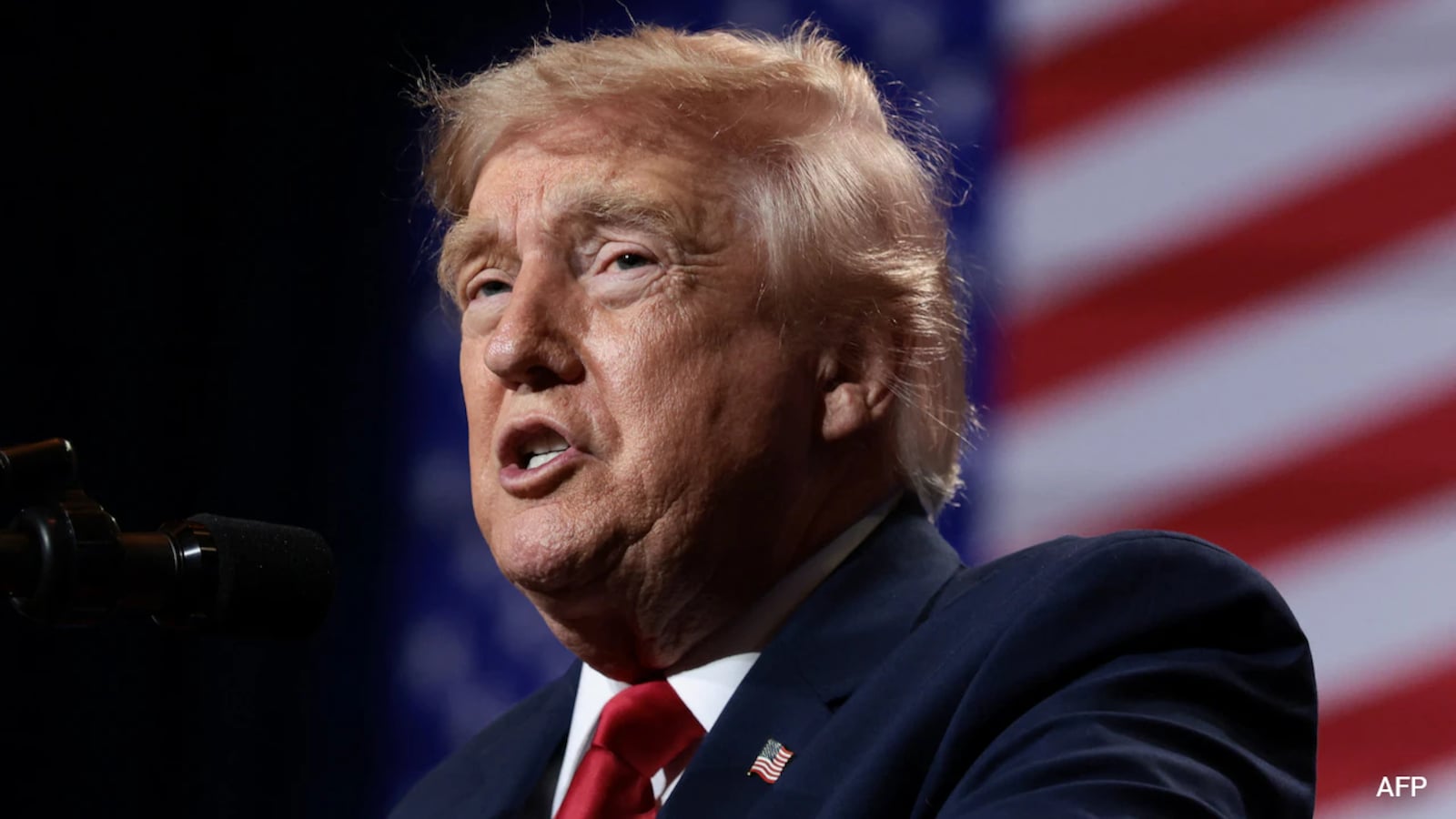
The United States has an important group of lawmakers called the Senate.
The Senate voted to pass a new law about Russia.
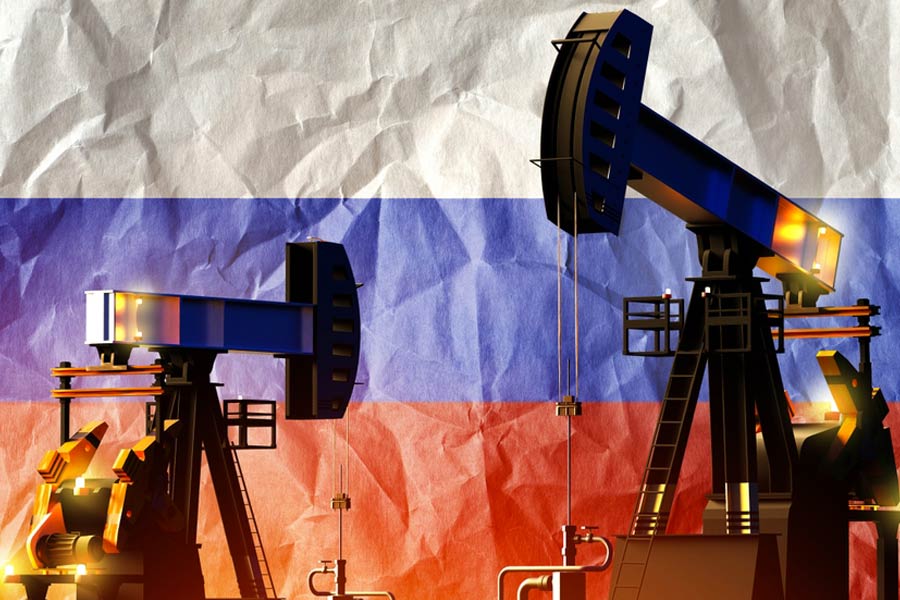
Russia is fighting a war, and the United States wants to stop its money from oil and gas.
The law allows the American President to put a very big tax, called a tariff, on goods that other countries send to the United States.
This tax could be as high as 100%, which can make goods twice as expensive.
The tax is meant for countries that buy oil and gas from Russia.
India buys a lot of Russian oil, so the law could hurt India's trade.
The law still needs to be approved by another group of lawmakers called the House.
The House starts meeting again on August 31.
The article says India should talk to the House before then to protect its businesses and get a fair deal.

The United States Senate approved the Lindsey O. Graham Sanctioning Russia and Iran Act of 2026 by a vote of 86 to 11.
The bill authorizes the President to impose tariffs of up to 100% on imports from third countries to pressure Russia.
The tariff provision targets the five largest importers of Russian crude oil and natural gas, a category that includes India.
The legislation now moves to the House of Representatives, which resumes sessions on August 31.
The article argues New Delhi must lobby Congress for waivers and contract protections before the House finalizes the bill.
- Who
- United States senators, including Democratic sponsor Richard Blumenthal; India is the country primarily affected by the tariff provisions.
- What
- The Senate passed a bill allowing secondary tariffs of up to 100% on countries importing Russian energy, with India among the targets.
- Where
- United States, with direct consequences for India's trade with Russia.
- When
- Passed in 2026; the House of Representatives resumes sessions on August 31.
- Why
- To sever Russia's energy income, undermine its war effort, and support Ukraine.
US Lawmakers and Bill Supporters
Indian Critics and Analysts
Purpose of the Sanctions Bill
US Lawmakers and Bill Supporters
The bill undermines Russia's war effort and supports Ukraine against Russian aggression.
Indian Critics and Analysts
The bill makes India collateral damage, with the impact on India treated as a secondary concern.
Secondary Tariff Mechanism
US Lawmakers and Bill Supporters
The graduated tariff authority gives the President flexible tools to adjust pressure based on compliance abroad.
Indian Critics and Analysts
The bill turns coercive tariff power into permanent statute, threatening Indian exports and strategic autonomy.
Strategic Consequences
US Lawmakers and Bill Supporters
Defence and technology cooperation protects India as long as its interests align with American priorities.
Indian Critics and Analysts
The pressure may push India strategically toward China and Russia and erode public support for the US partnership.
Key facts
- Bill Name
- Lindsey O. Graham Sanctioning Russia and Iran Act of 2026
- Senate Vote
- 86 in favor, 11 against
- Next Step
- House of Representatives, which resumes sessions on August 31
- Maximum Tariff
- Up to 100% on imports from third countries
- Tariff Scope
- Five largest importers of Russian crude oil and natural gas
- Primary Target
- Russia's energy income
- Affected Country
- India, a member of the five largest importers of Russian energy
Quotes
Author of the article
Research Fellow at the Takshashila Institution
“India should request mandatory waivers linked to national security or proven reductions in its Russian energy purchases.”
 NDTV
NDTV
“The 100% tariff would severely impact Indian exports, but the President can still impose a much lower one.”
NDTV
Sources
Related news
US Senate passes 100% tariff bill on Russian oil importers

Senator Paul Warns 100% Tariff on India Is 'Self-Defeating'
US Senate Sanctions Bill Threatens India's Russian Oil Lifeline

US Senate passes Russia bill threatening 100% tariffs on India

Could Russia Sanctions Bill Derail India-US Trade Deal?
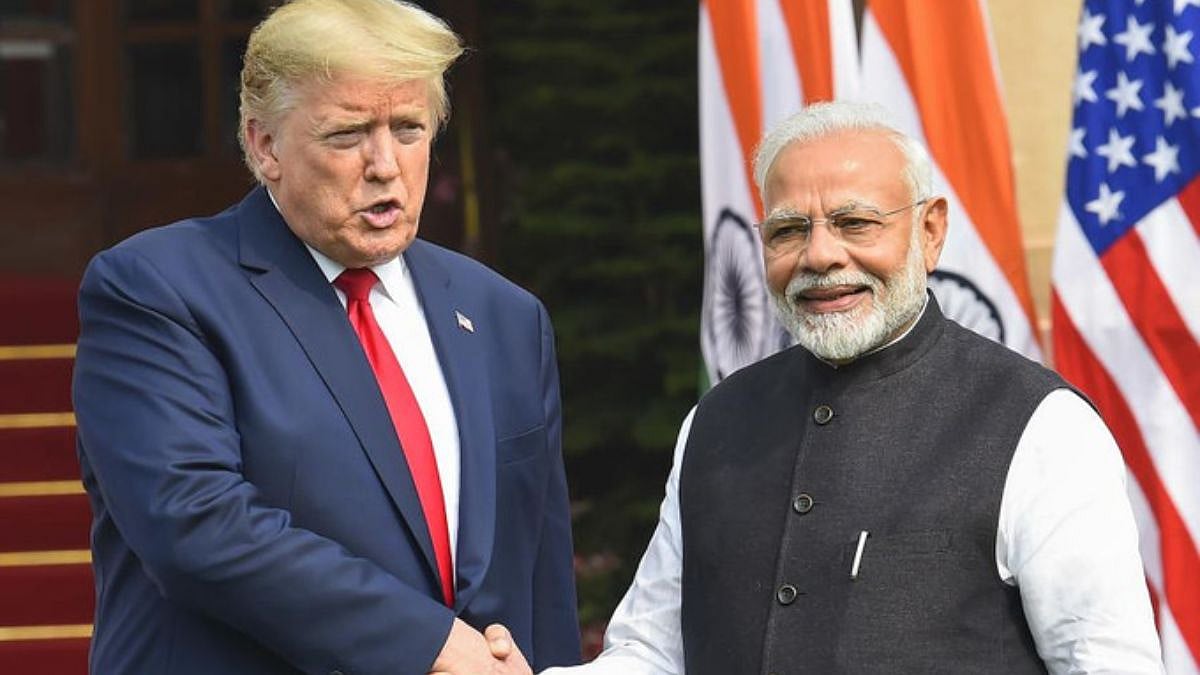
Trump, Modi to resolve Russian oil tariff row: Navarro

India’s Fourth BRICS Chair Faces a Much Larger Summit

Nepal Families Seek Missing Loved Ones After Deadly Flash Floods
Putin Faces Western Isolation While Russia Builds Non-Western Ties
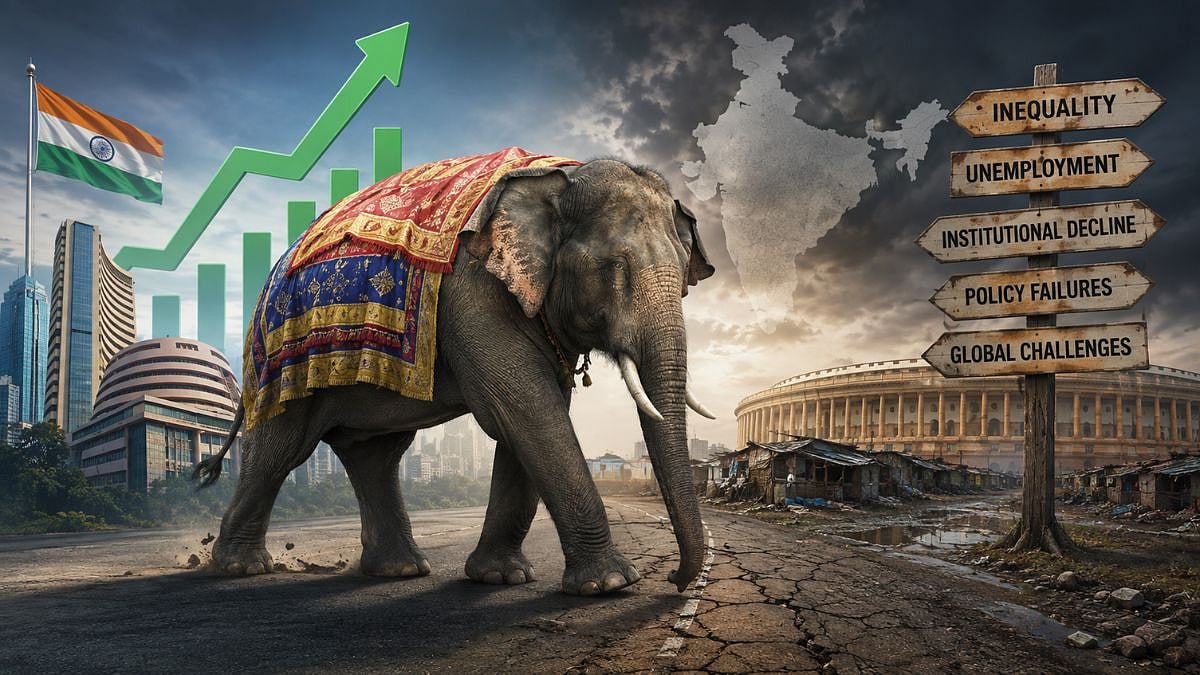
India’s Global Power Ambitions Face Economic and Democratic Setbacks
India’s 7.8% Growth Broad-Based, but Jobs Remain Challenge