3 weeks ago
US Senate Sanctions Bill Threatens India's Russian Oil Lifeline
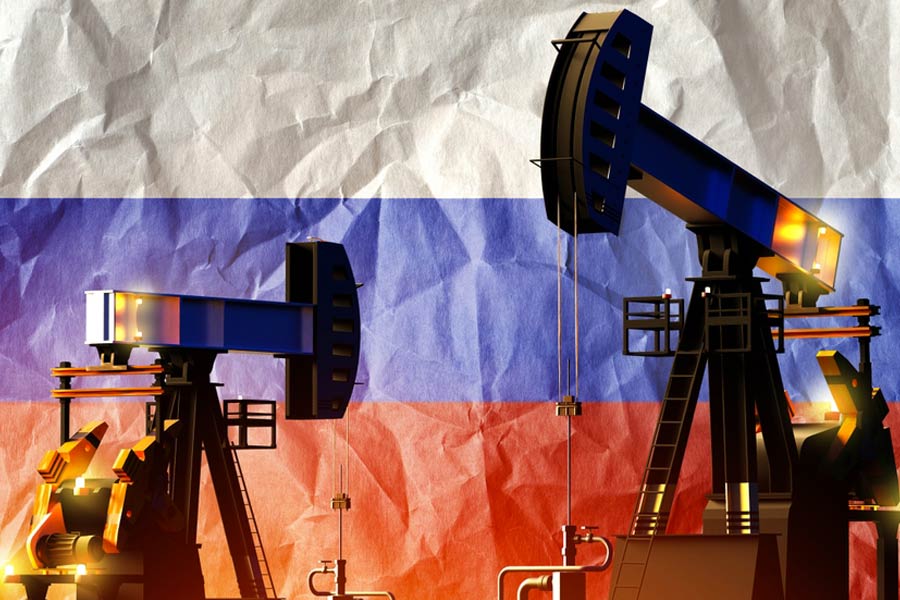
The United States Senate made a new rule to punish countries that buy oil and gas from Russia.
Russia is fighting a war in Ukraine, and the US wants to stop Russia from making money from its energy.
The new rule lets the US President put a very big tax, up to 100 per cent, on goods from the countries that buy the most Russian energy.
India buys a lot of oil from Russia because it is cheap, and during June and July more than half of the oil India bought came from Russia.
The cheap oil has helped India keep fuel prices low and its refineries busy.
Russia's own fuel factories are being damaged by drone strikes, so Russia sometimes even buys fuel from other countries, including India.
If the big tax is used, India would have to choose between buying cheap Russian oil and staying on good terms with the US, its biggest trading partner.
The new rule is not final yet because it still needs another approval before it can happen.
In the end, India will have to decide what matters more: cheap Russian oil or good relations with the US.

The US Senate passed the Lindsey O. Graham Sanctioning Russia and Iran Act of 2026 by an 86-11 vote, giving President Donald Trump power to impose tariffs of up to 100 per cent on the world's largest buyers of Russian energy.
India, the second biggest buyer of Russian crude, sourced a record 52 per cent of its oil imports from Russia in June and about 56 per cent in July; Russia supplied 30.3 per cent of India's crude imports in FY2026, worth USD 40.8 billion.
The bill, championed by the late Republican senator Lindsey Graham, also targets Russia's 'shadow fleet' of tankers, extends the Iran Sanctions Act for five years, and mandates sanctions on top Russian figures including Vladimir Putin.
The measure still needs approval from the House of Representatives, which is on recess until September, and it remains unclear whether Trump would use its toughest provisions.
Russian gasoline production has fallen to around 308,000 barrels a day, its lowest level in 21 years, as Ukrainian drones strike Russian refineries, forcing Moscow to import fuel including from India.
- Who
- The US Senate, which passed the bill; President Donald Trump, who could impose the tariffs; and major buyers of Russian energy, notably India, China, Azerbaijan, Hungary and Slovakia.
- What
- The Senate approved the Lindsey O. Graham Sanctioning Russia and Iran Act of 2026, allowing Trump to impose tariffs of up to 100 per cent on major purchasers of Russian energy, while also targeting Russia's shadow fleet and extending the Iran Sanctions Act.
- Where
- United States, with direct implications for India, China, Azerbaijan, Hungary and Slovakia.
- When
- On August 7, 2026, by an 86-11 vote; the House of Representatives is on recess until September.
- Why
- To squeeze Russia's energy revenues, one of the Kremlin's biggest income sources, over its war in Ukraine.
Sanctions advocates
Energy-security and trade concerns
Targeting Russian energy exports
Sanctions advocates
The legislation 'hits Putin where it hurts' by cutting off one of the Kremlin's biggest revenue sources used to fund the war in Ukraine.
Energy-security and trade concerns
Sanctions on Russian crude, especially if combined with sanctions on Iranian crude, could push up energy prices hugely and increase costs for importing countries.
India's choice on Russian oil
Sanctions advocates
Countries buying Russian energy should face consequences for funding Moscow's war effort, including tariffs of up to 100 per cent.
Energy-security and trade concerns
Russian oil is India's 'strongest energy security hedge' because of its volume, reliability and low cost; giving it up under pressure would impose real costs on the Indian economy, and India should manage differences with Washington through firm negotiation rather than unilateral concessions.
Enforcement of the bill
Sanctions advocates
The Senate overwhelmingly backed the measure, and Senator Darline Graham says it should pressure Russia over its war in Ukraine.
Energy-security and trade concerns
It is unclear whether Trump would use the toughest provisions; Washington has previously given exemptions to keep Russian oil flowing to global markets and has penalised India while sparing China.
Key facts
- Senate vote
- 86-11 in favour, August 7
- Bill name
- Lindsey O. Graham Sanctioning Russia and Iran Act of 2026
- Maximum tariff
- Up to 100 per cent on goods from top five buyers of Russian energy
- India's Russian oil share
- 52 per cent in June, about 56 per cent in July 2026
- Russia's share of India's crude imports (FY2026)
- 30.3 per cent, worth USD 40.8 billion
- Russian gasoline production
- Around 308,000 barrels a day, lowest in 21 years
- Bill status
- Passed Senate; awaiting House of Representatives approval (recess until September)
- Countries most exposed
- India, China, Azerbaijan, Hungary, Slovakia
Quotes

Ajay Srivastava
Founder of the Global Trade Research Initiative, a research organization on international trade.
“The larger concern is America's growing use of trade restrictions to enforce foreign-policy goals. Reciprocal tariffs, Section 301 investigations, forced‑labour measures, sectoral duties and now Russia‑related sanctions have turned tariffs into instruments of strategic pressure.”
 telegraphindia.com
“As long as Russian crude remains commercially attractive, India should continue buying it. Differences with Washington must be managed through firm negotiation – not extending unilateral concessions that raise India's energy costs.”
telegraphindia.com
Senator Darline Graham
Senator Darline Graham, successor to her late brother Lindsey Graham
“"This legislation hits Putin where it hurts."”
telegraphindia.com
Sources

Related news

US Senate Passes Russia Sanctions Bill Raising Indian Crude Risk

US Senate passes Russia bill threatening 100% tariffs on India

India unlikely to curb Russian oil purchases despite US sanctions
US Senate bill threatens 100% tariffs on Russian crude importers

Senator Paul Warns 100% Tariff on India Is 'Self-Defeating'
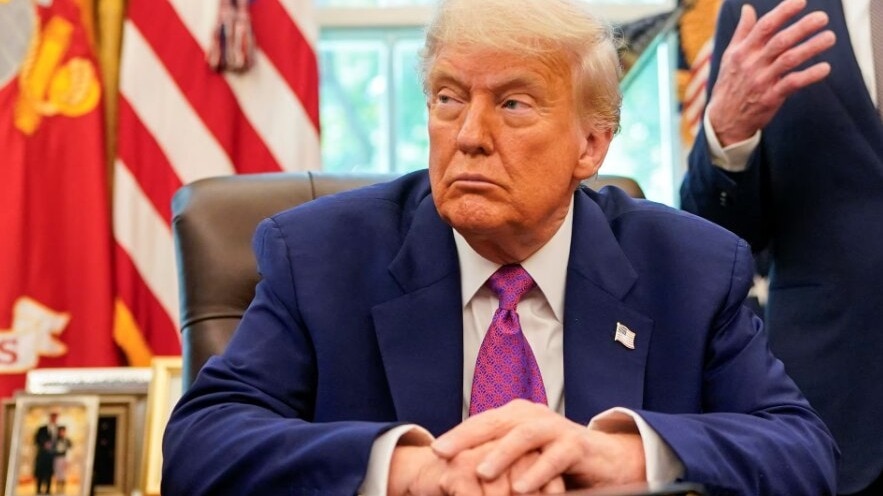
US Senate passes 100% tariff bill on Russian oil importers

OVL’s Venezuela oil prospects brighten after US clearance
India’s Russian Oil Imports Fall Amid Supply Pressure

Hormuz Vessel Transits Remain Low as Tanker Is Stopped
CNG Prices Rise in Delhi as LPG, PNG Rates Vary

China’s August LNG Imports Fall as High Prices Weigh Demand