2 weeks ago
Why Do We Love Conspiracy Theories Like Gravity Loss?
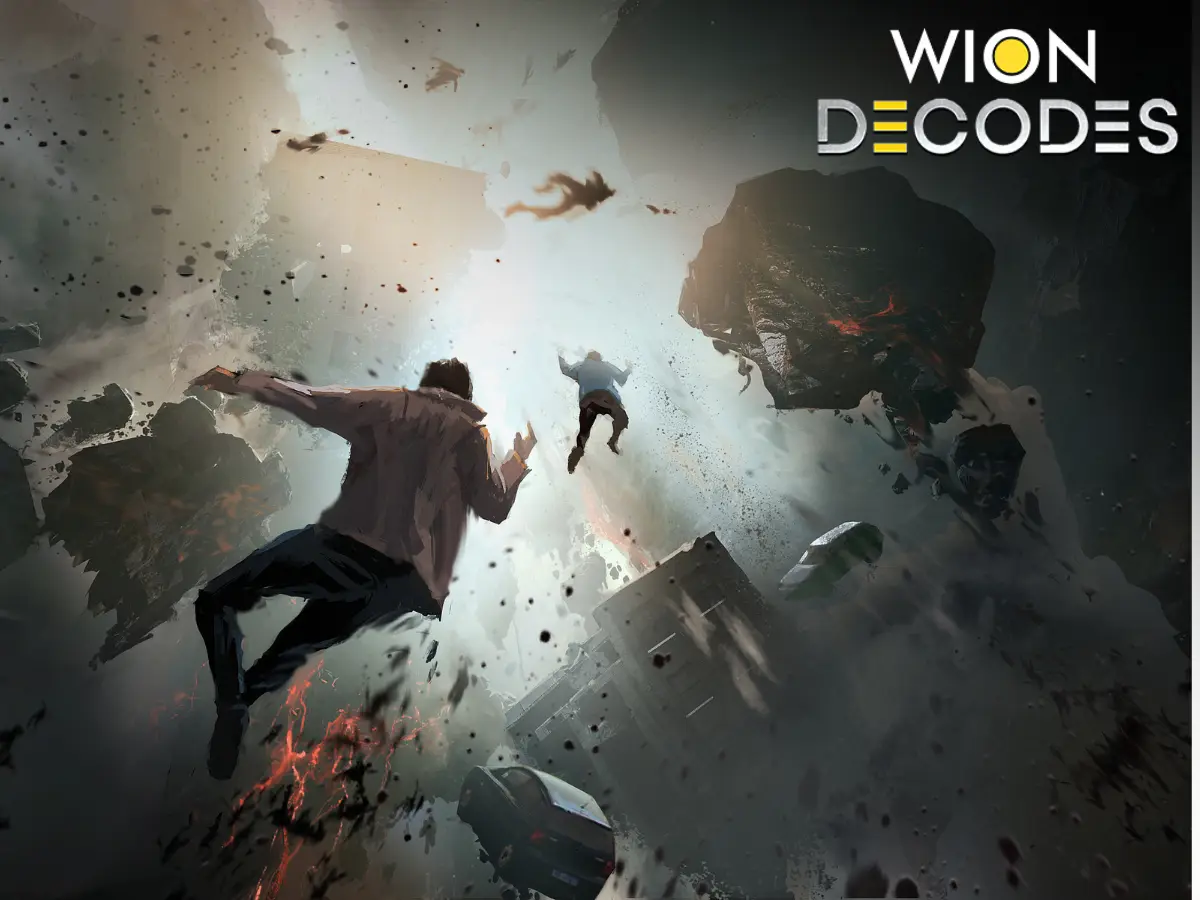
Some people on the internet said the Earth would stop pulling things down for seven seconds on August 12.
They said everything would float in the air and that NASA, the space agency, knew about it for a long time and was keeping it a secret.
None of this is true, but lots of people loved talking about it.
A doctor named Dr Munia Bhattacharya studies why we like these stories.
She says our brains do not like empty spaces when things feel strange or scary, so we make up stories to fill them.
Sharing a scary story can also make people feel important and get lots of attention.
Sometimes, when we hear something many times, it starts to feel true even when it is not.
The doctor says it is great to be curious and ask questions about the world.
But before sharing something amazing or frightening, we should ask if it is a fact or just a good story.

Social media was abuzz with claims that Earth will lose gravity for seven seconds on August 12.
The rumours first started around December 2025 and spread across the internet.
Claim makers said everything would float and that NASA has known about it for more than 10 years and is secretly working on a project.
Psychologist Dr Munia Bhattacharya says conspiracy theories can make confusing situations feel simple and give people a sense of control.
Experts advise pausing before forwarding extraordinary claims and asking whether they are evidence or just a very good story.
- Who
- Dr Munia Bhattacharya, Senior Consultant Psychologist at Marengo Asia Hospitals, Gurugram, explains why people create and believe conspiracy theories.
- What
- Viral social media claims said Earth would lose gravity for seven seconds on August 12, with NASA allegedly hiding the information.
- Where
- The claims spread on the internet and social media; the expert commentary comes from Gurugram, India.
- When
- The rumours started around December 2025 and spread widely before the claimed gravity-loss date of August 12.
- Why
- People create and share such stories for attention and virality, while believers gain a sense of control and explanation in uncertain times.
Skeptics and Fact-Checkers
Conspiracy Believers and Creators
Social media spread
Skeptics and Fact-Checkers
Unverified claims spread because fear, surprise and curiosity drive engagement; people who share them are mostly seeking attention and virality.
Conspiracy Believers and Creators
Sharing extraordinary claims gives people a sense of control and makes them feel among the few who have 'figured it out'.
Impact of conspiracy theories
Skeptics and Fact-Checkers
Conspiracy theories can remain healthy topics of conversation, and curiosity about the world is good and should not be lost.
Conspiracy Believers and Creators
Going too far with conspiracy theories can create a divide that could become catastrophic.
Key facts
- Viral claim
- Earth will lose gravity for seven seconds on August 12
- Rumors started
- Around December 2025
- Additional claim
- NASA has known for over 10 years and is secretly working on a project
- Expert
- Dr Munia Bhattacharya, Senior Consultant Psychologist, Marengo Asia Hospitals, Gurugram
- Engagement drivers
- Fear, surprise and curiosity
- Past example
- Rapture claims believed by some people who sold their belongings
- Key advice
- Ask: 'Is this actually evidence, or is it simply a very good story?'
Quotes
Dr Munia Bhattacharya
Senior Consultant Psychologist, Marengo Asia Hospitals, Gurugram
“There is something very human about conspiracy theories. When we don’t understand something, or when something feels uncertain or frightening, our mind wants an explanation.”
 wionews.com
“A conspiracy theory can make a confusing situation feel surprisingly simple: something is happening, someone knows about it, and someone is hiding it from us.”
wionews.com
Sources
Related news
Viral Mix-Ups Reveal Why Online Claims Spread So Easily
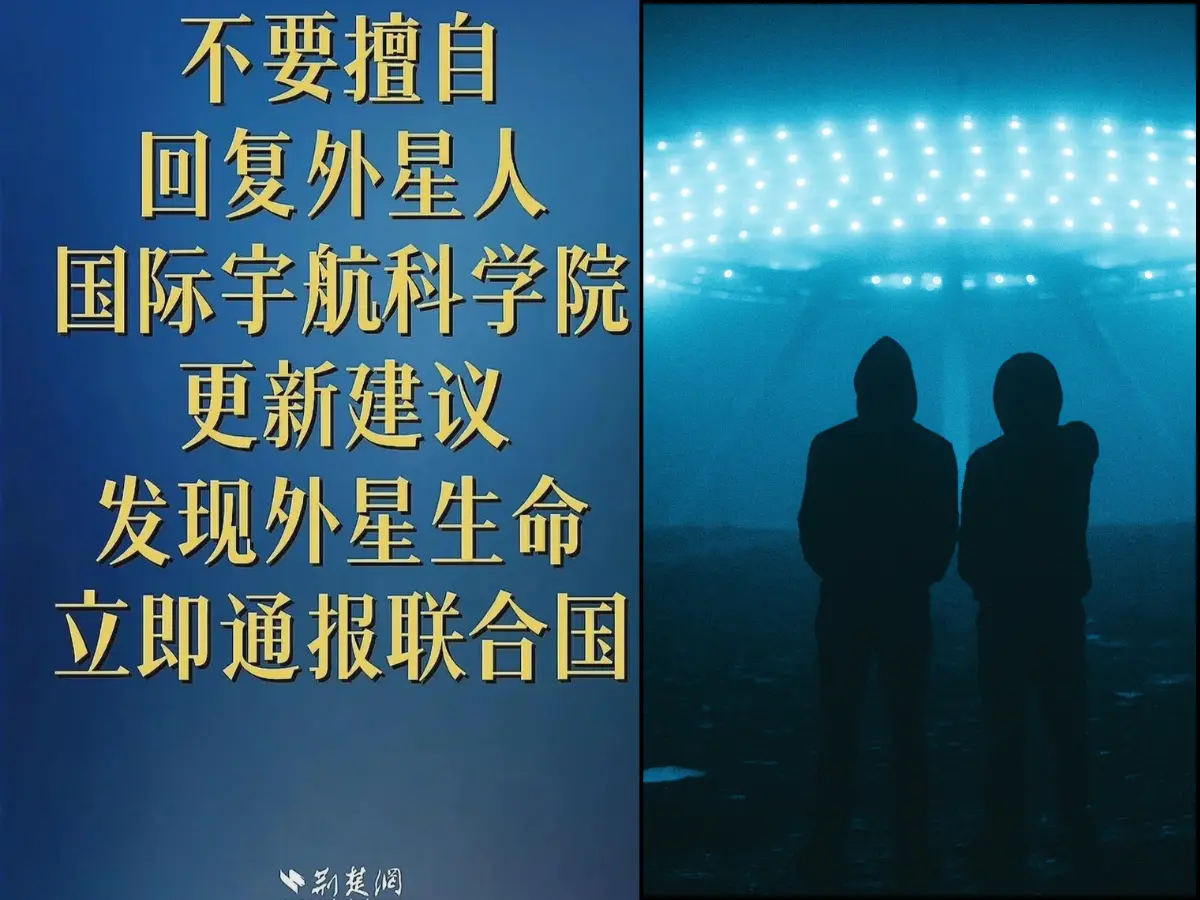
False Alien Warning Claim in China Traced to Sci-Fi Novel

Science Says Your Reality TV Obsession Is Totally Normal

2012 “Stop ChatGPT” Post Sparks Time-Travel Theories

Adityanath says social media now medium for anti-India conspiracies

Tiny Suboccipital Muscles Linked to Headaches, Neck Pain and Dizziness
One in Ten Gen Z Adults Remains Fully Socially Isolated

Restless Legs Syndrome: Neurological Disorder Often Undiagnosed, Experts Warn

Heart Surgeon Warns Against Health Complacency and Silent Risks