2 weeks ago
One in Ten Gen Z Adults Remains Fully Socially Isolated
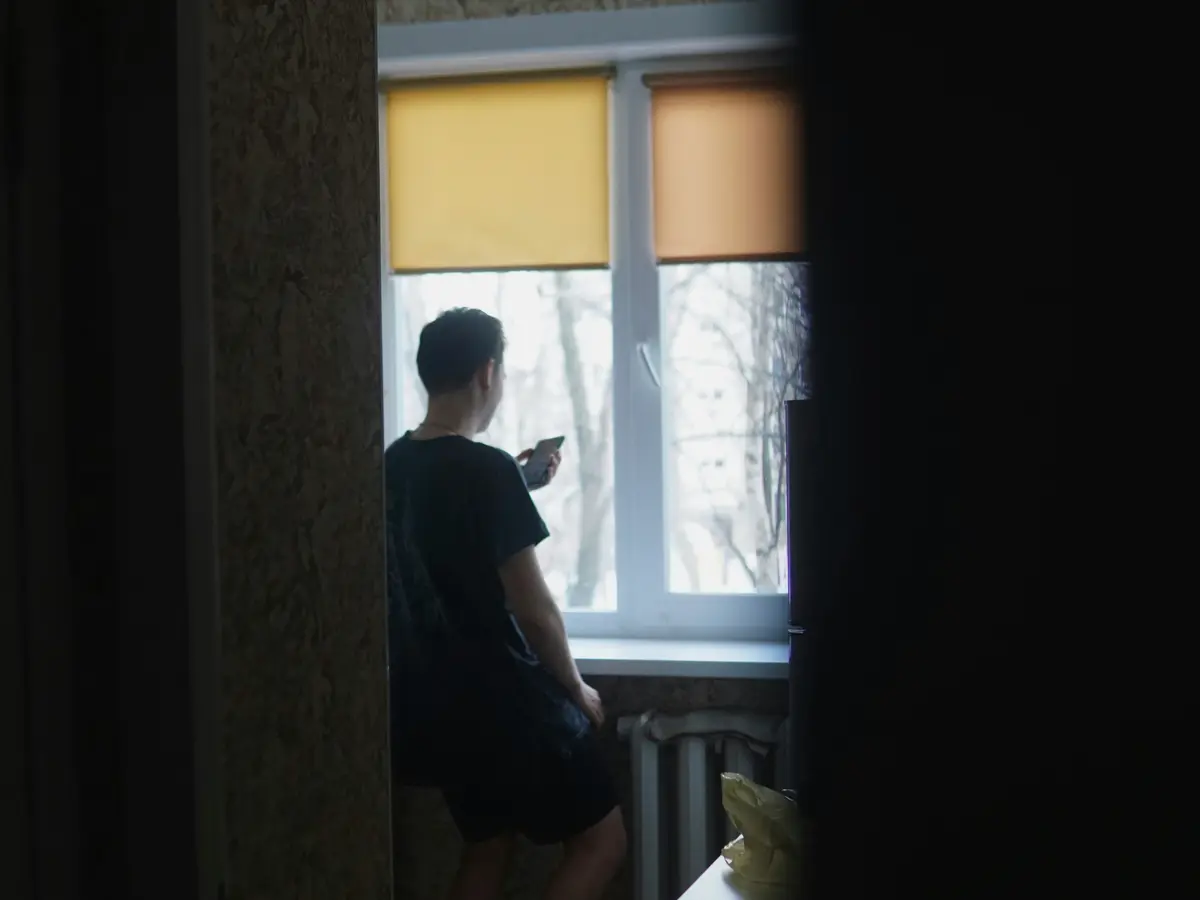
A long time ago, a big sickness called COVID-19 made people all over the world stay inside their homes.
Most people could go back outside when it became safe again, and many young people returned to school, parties, and travel.
But a small group of young adults — about one out of every ten — still does not meet other people in person at all.
This group is made up of people aged 23 to 29, and before the sickness only about 3 out of 100 young people lived this way.
The numbers grew during the lockdowns and stayed high even years later.
Experts say these young people did not really choose to be alone; they just slowly got used to it.
Staying home became easy because people could talk to friends online without awkward moments.
The more you avoid something, the harder it can be to go back to it.
Other things like social media, school pressure, and worries about jobs also make it harder for young people to connect.
Doctors and experts are still asking how this problem can be fixed.

Nearly 10% of Gen Z adults have no interaction with another person in their daily lives, according to a Financial Times-cited study using American Time Use Survey data.
The share of young adults aged 23-29 with zero daily social contact rose from 3% in 2019 to 9% by late 2021 and about 10% in 2023.
The isolation rate dipped slightly in 2024 and 2025, but this group has never recovered from the effects of pandemic-era lockdowns.
Socially active young adults spent 87% of their day with others before COVID, falling to 78% during the pandemic and rebounding to 83% in 2025.
Psychologist Dr Munia Bhattacharya says the isolation was not necessarily a choice but a habit, reinforced by the convenience of online interaction, social media, academic pressure, and career uncertainty.
- Who
- Gen Z young adults aged 23-29 who avoid in-person contact, with commentary from psychologist Dr Munia Bhattacharya of Marengo Asia Hospitals.
- What
- About 10% of Gen Z report having no interaction with another person in their daily lives years after COVID lockdowns ended.
- Where
- Based on American Time Use Survey data (United States); expert commentary from Gurugram, India.
- When
- Between 2019 and 2025; the share peaked at 10% in 2023 and declined slightly in 2024-2025.
- Why
- Pandemic lockdowns habituated a small group of young adults to isolation, and the convenience of online interaction plus social pressures made returning to in-person contact difficult.
Isolation as a Lifestyle Choice
Isolation as a Habit Formed by Circumstance
Was the isolation a choice?
Isolation as a Lifestyle Choice
Avoiding in-person meetings became convenient, since almost everything could be done from home and online interaction removes awkward silence or unexpected reactions, making isolation a deliberate lifestyle choice.
Isolation as a Habit Formed by Circumstance
Experts caution against calling it a choice; as Dr Munia Bhattacharya says, people slowly get used to isolation, and the more something is avoided, the harder it becomes to return to it.
What is driving the isolation?
Isolation as a Lifestyle Choice
COVID-19 lockdowns were the major turning point that triggered and sustained this behavior, and its effects have held this group back even after restrictions ended.
Isolation as a Habit Formed by Circumstance
COVID may not be the only thing to blame; social media, academic pressure, career uncertainty, fear of judgement, and constant online comparison were already changing how young people related to one another.
Key facts
- Source
- Financial Times study citing American Time Use Survey data
- Affected group
- Gen Z adults aged 23-29
- Share with no daily interaction
- About 10% (2023 peak)
- 2019 baseline
- 3% of young adults had zero interaction
- Late 2021 level
- 9%
- 2025 trend
- Slight decline from the 2023 peak
- Time with others (active group)
- 87% pre-COVID, 78% during pandemic, 83% in 2025
- Expert comment
- Dr Munia Bhattacharya, Senior Consultant Psychologist, Marengo Asia Hospitals, Gurugram
Quotes
Dr Munia Bhattacharya
Senior Consultant Psychologist at Marengo Asia Hospitals, Gurugram
“I would be a little careful about saying that Gen Z has “chosen” to stay away from people. Human behaviour is rarely that simple. Sometimes we don't consciously choose isolation. We slowly get used to it. COVID may have been a major turning point in that process.”
 wionews.com
“And the more we avoid something, the harder it can sometimes become to return to it.”
wionews.com
Sources
Related news

Delhi Woman Says Working From Home Killed Her Social Life

How Constant Content Fills the Silence of Modern Loneliness

Gen Z Revives Movie-Going Ritual as Social, Phone-Free Experience

Phone-Free Concerts and Clubs Gain Ground Across the US

For Gen Z, Independence Day Freedom Means Living Without Fear

Zendaya Steps Back From Social Media At 30

Musk Reportedly Opposes Ukraine’s Starlink Drone Operations Inside Russia

Russia Allegedly Helps Iran Develop Supersonic Missiles Under C430L

Nepal Floods, India’s Gender Debate and Sugar Prices Rise

US Pauses Worldwide Visa Appointments Amid Trump Immigration Crackdown

US Prepares Tough Iran Sanctions as Pakistan Seeks Mediation