

4 days ago
Viral Mix-Ups Reveal Why Online Claims Spread So Easily
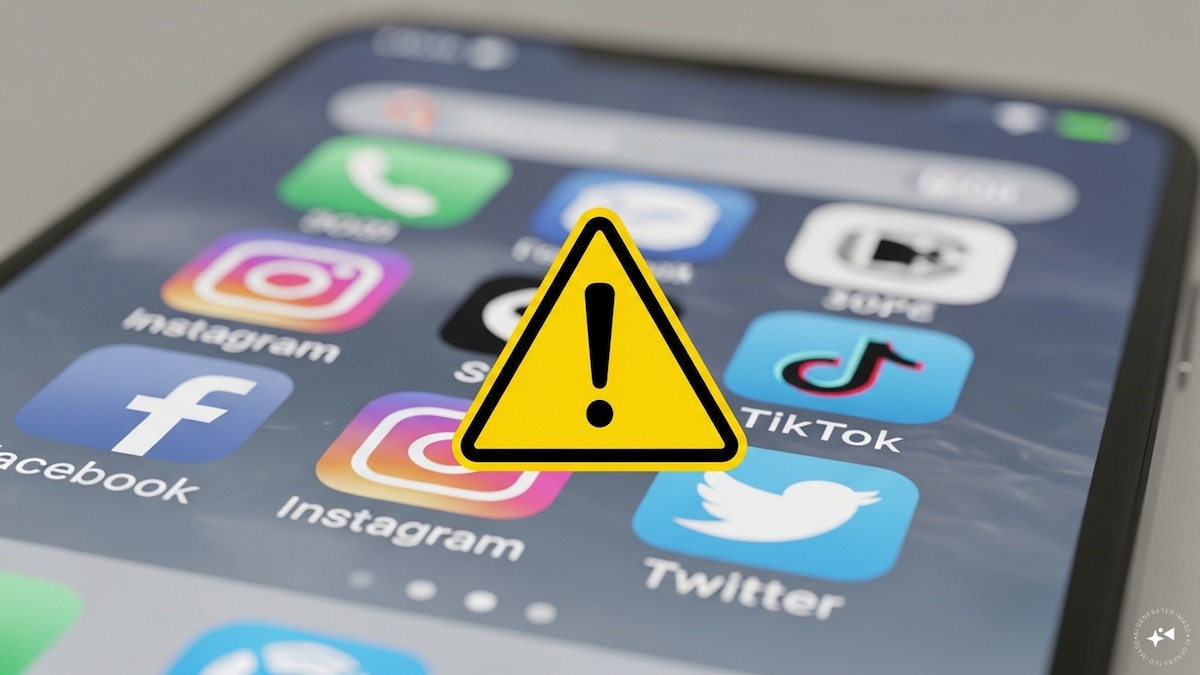
A comedian made a joke online saying she created Emily in Paris.
Many people believed her, even though Darren Star actually created the show.
This happened because the joke looked like something people already expected to be true.
Online posts often lose clues like voice and facial expressions that show when someone is being sarcastic.
Exciting or angry claims can spread faster than careful, accurate information.
People may also think a post is trustworthy because it has many likes or followers.
Researchers say even young people who use the internet often can struggle to check sources.
A good habit is to pause when a post makes you feel strong emotions.
Then look at who posted it and find the original source before sharing it.

Comedian Abby Govindan falsely claimed she created Emily in Paris as a prank, and many users accepted it as fact.
The show was actually created by Darren Star, a detail a quick search could have confirmed.
Researchers found false news spreads farther, faster, and deeper than truth, partly because novelty triggers strong emotions.
Online context collapse can hide irony, while users may mistake follower counts, verification badges, or polished visuals for credibility.
Experts recommend pausing, checking account histories, and tracing screenshots to primary sources before sharing.
- Who
- Comedian Abby Govindan, online users, digital publications, researchers, and social media news consumers are discussed.
- What
- A viral satirical claim about Emily in Paris illustrates how misinformation and misleading online content can be accepted and spread.
- Where
- Across social media and other digital environments, including X.
- When
- The claim circulated after Emily in Paris received unexpected Golden Globe nominations; the cited research covers more than a decade of posts on X.
- Why
- False or sensational claims spread easily because they trigger emotions, lose contextual cues online, and are often judged by engagement or appearance instead of source verification.
Key facts
- Satirical claim
- Abby Govindan said she created Emily in Paris entirely as a prank.
- Actual creator
- Darren Star is identified as the creator of Emily in Paris.
- Public reaction
- Thousands of users and several mainstream digital publications reportedly accepted the joke as a confession.
- Public concern
- A median of 84% of people in advanced economies surveyed by Pew Research Center said digital connectivity has made society easier to manipulate with false information and rumours.
- Research finding
- An MIT study published in Science found false news traveled roughly six times faster than true news on X, formerly Twitter.
- Evaluation difficulty
- Stanford History Education Group evaluations found digitally fluent young people often relied on verification badges, follower counts, or polished aesthetics when judging credibility.
- Recommended response
- Pause after an emotional reaction, inspect the creator’s profile and history, and trace screenshots to an official primary source.
Sources
Related news
How to spot convincing misinformation about health and wellness

Real Images Face Ferocious Battle Against AI-Generated Fakes

Readers Urge Caution, Accountability and Support for Farmers

Nepal Cracks Down on Fake Flood Content Online
Web's Altruistic Gift: Our Collective Responsibility for Ethical Digital Engagement
From TV Studios to Smartphones: India's Information Revolution

Over half of Americans say phones consume too much time

Meta’s $18-Billion Child Safety Settlement Faces Praise and Criticism

Meta Deal Sets New Limits On Teen Social Media Use

Europe’s Migration Reckoning Offers India Lessons on Demography
