3 weeks ago
Restless Legs Syndrome: Neurological Disorder Often Undiagnosed, Experts Warn
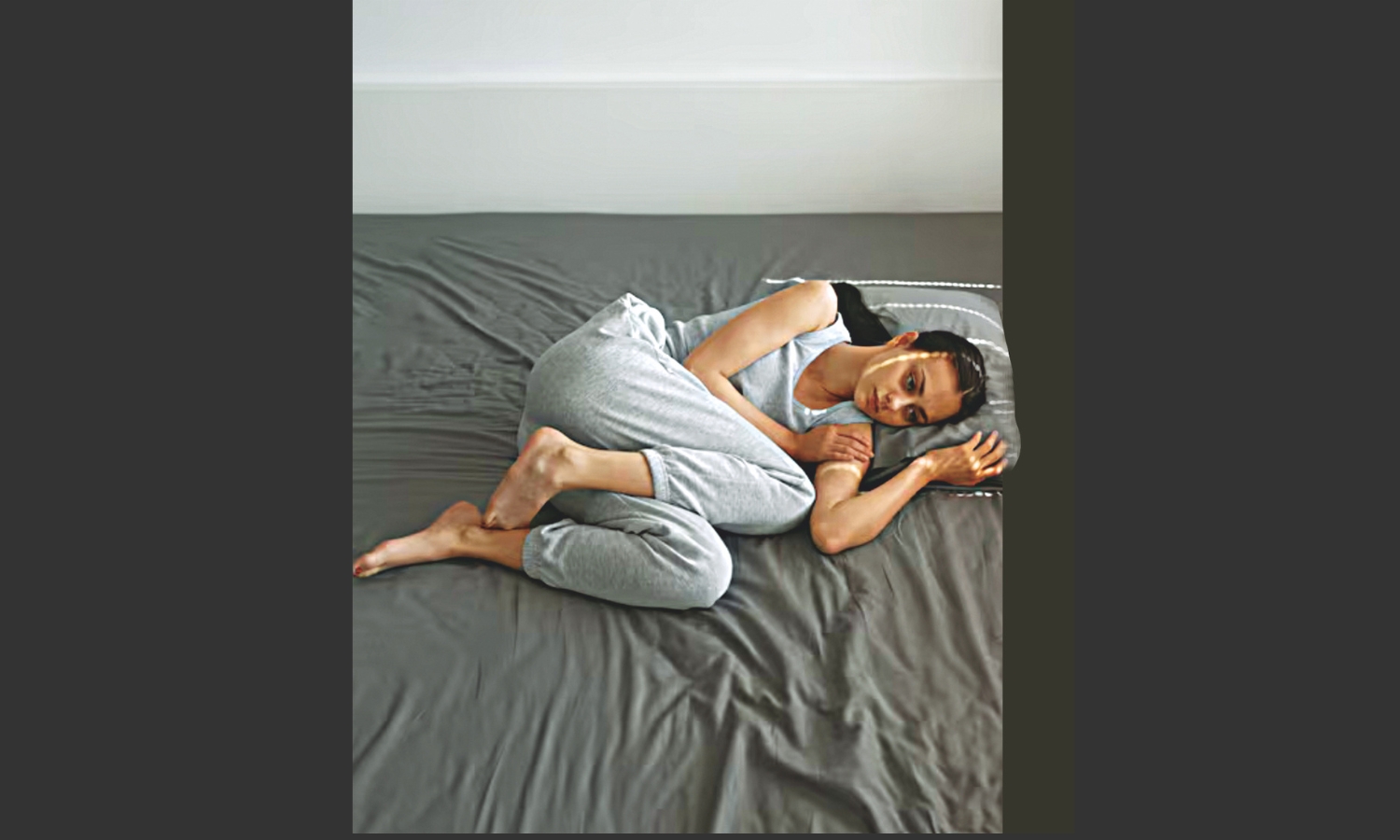
Restless Legs Syndrome, or RLS, is a problem with the nervous system that makes people feel a strong need to move their legs.
The feeling usually comes at night when they are trying to rest, so it can be hard to fall asleep.
Some people describe it as tingling, crawling, aching, or a pulling feeling in the legs.
Moving, walking, or stretching makes the feeling go away for a little while.
Many people think it is just tired muscles, getting older, or poor blood flow, so they never tell a doctor.
But RLS is a real medical condition, and not sleeping well can make people very tired, forgetful, and grumpy during the day.
It can even make them feel worried or sad.
Doctors say anyone who feels this often or loses sleep should get help.
Sometimes fixing problems like low iron can make the symptoms better.
Healthy habits and medicine can help most people sleep much better.

Restless Legs Syndrome (RLS) is a neurological condition, not simple muscle fatigue, marked by an irresistible urge to move the legs.
Common sensations include tingling, crawling, aching or pulling that worsen during rest in the evening or at night and ease with movement.
Experts say RLS is frequently mistaken for tiredness, ageing, muscle cramps or poor circulation, so many people delay seeking medical help.
Untreated RLS can lead to daytime fatigue, poor concentration, mood disturbances, anxiety, depression and possibly higher risks of high blood pressure and heart disease.
Doctors advise early evaluation, noting that treatment includes correcting underlying causes such as iron deficiency, lifestyle changes and, for moderate-to-severe cases, medication.
- Who
- People with Restless Legs Syndrome, along with experts Dr. Praveen Gupta of Marengo Asia Hospitals and Dr. Harish Chafle of Gleneagles Hospitals.
- What
- RLS is a neurological disorder that causes an irresistible urge to move the legs, often with tingling, crawling or aching sensations, and it can severely disrupt sleep.
- Where
- The awareness and advice come from specialists at hospitals in India, including Gleneagles Hospitals in Parel, Mumbai.
- When
- Symptoms typically worsen in the evening or at night when the body is at rest.
- Why
- Because symptoms are often dismissed as muscle fatigue, poor circulation or ageing, RLS goes undiagnosed and leads to chronic sleep disruption and wider health problems.
Key facts
- Condition
- Restless Legs Syndrome (RLS), a neurological disorder
- Hallmark symptom
- Irresistible urge to move the legs, with tingling, crawling, aching or pulling sensations
- Symptom timing
- Worse during rest, especially evening and night; temporarily relieved by movement
- Common misconceptions
- Dismissed as muscle fatigue, poor circulation, ageing or cramps
- Possible linked conditions
- Iron deficiency, chronic kidney disease, pregnancy, certain medications
- Health impacts if untreated
- Daytime fatigue, poor concentration, mood disturbances, anxiety, depression; possible cardiovascular and metabolic risks
- Treatment
- Correcting underlying causes, lifestyle changes (regular sleep schedule, limiting caffeine and alcohol, moderate exercise, stretching) and medications for moderate-to-severe cases
- When to seek help
- Symptoms occurring several times a week or interfering with sleep and daily functioning
Quotes
Dr. Praveen Gupta
Chairman, Marengo Asia International Institute of Neuro and Spine
“With the right combination of medical treatment and lifestyle changes, most patients experience better sleep, improved daytime functioning, and a substantially enhanced quality of life.”
 deccanchronicle.com
“Many people think the uncomfortable sensation in their legs is simply due to tiredness, ageing, muscle cramps, or poor circulation, so they don't seek medical help.”
deccanchronicle.com
Sources
Related news

Sleep Experts Say Struggling to Stay Awake Requires Doctor Visit

Could Strength Training Help You Sleep Better at Night?

Doctors Explain Why Eight Hours May Still Leave You Tired

Liver Disease Risks Extend Beyond Alcohol, Doctor Warns

Doctor Explains Health Risks of Eating Dinner After 9 PM
Why You Feel Tired Despite Getting Enough Sleep

Tiny Suboccipital Muscles Linked to Headaches, Neck Pain and Dizziness

One in Ten Gen Z Adults Remains Fully Socially Isolated

Why Do We Love Conspiracy Theories Like Gravity Loss?

Heart Surgeon Warns Against Health Complacency and Silent Risks