1 month ago
Women Unaware of Pelvic Floor Health
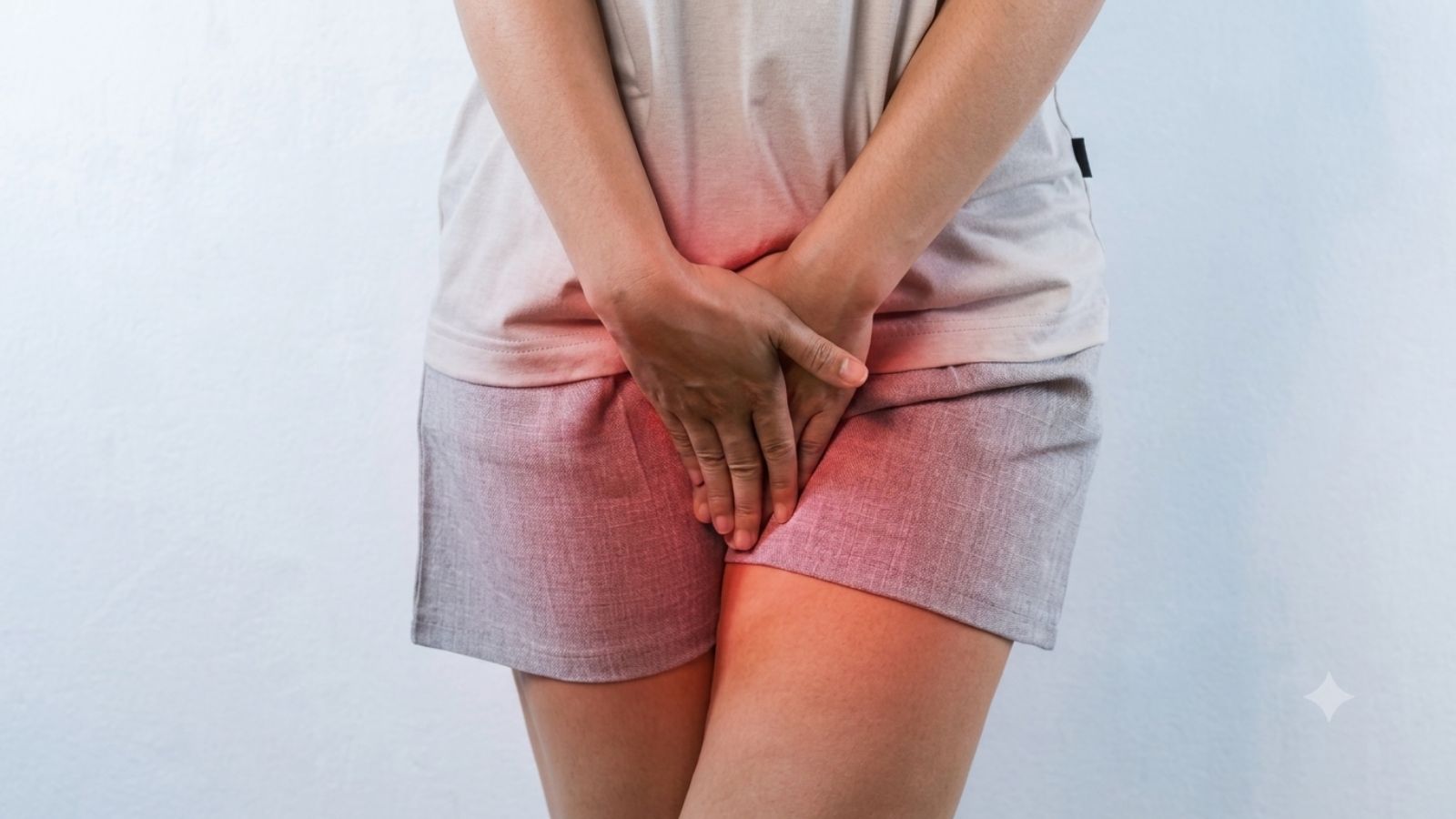
Many women are unaware of their pelvic floor health, which is crucial for bladder control, bowel movements, and organ support.
Studies show a high prevalence of pelvic floor disorders, yet many women normalize symptoms like urinary leakage or pelvic pain.
Medical professionals emphasize the need for early education and individualized treatment, as pelvic floor issues can arise from various causes, not just childbirth.
Lifestyle factors such as chronic stress, poor posture, and high-impact exercises can also contribute to these disorders.
Experts recommend routine healthcare inclusion of pelvic floor health and practical advice like mobility exercises and stress management to maintain pelvic floor health.

Pelvic floor disorders are highly prevalent but often underreported and normalized by women.
Symptoms include urinary leakage, pelvic pain, painful intercourse, and constipation.
Causes range from childbirth and pregnancy to lifestyle factors like chronic stress and high-impact exercises.
Medical professionals advocate for early education and individualized treatment plans.
Lifestyle changes, such as mobility exercises and stress management, are recommended to maintain pelvic floor health.
- Who
- Women of all ages, particularly those who have experienced childbirth, pregnancy, or high-impact activities
- What
- Pelvic floor disorders and the lack of awareness and education about pelvic floor health
- Where
- Globally, with specific studies highlighting prevalence in Northern and South India
- When
- Throughout a woman's lifespan, with symptoms often appearing during pregnancy, postpartum, or due to lifestyle factors
- Why
- Due to lack of education, normalization of symptoms, and inadequate healthcare guidance
Medical Professionals
General Public
Awareness and Education
Medical Professionals
Medical professionals emphasize the importance of early education on pelvic floor health, advocating for routine inclusion in women's healthcare.
General Public
Many women are unaware of pelvic floor health due to lack of education and normalization of symptoms.
Treatment Approaches
Medical Professionals
Medical professionals recommend individualized treatment plans, including strengthening and relaxation exercises, and stress management.
General Public
Some women may dismiss symptoms as normal or delay seeking help due to embarrassment or lack of knowledge.
Key facts
- Prevalence of Pelvic Floor Disorders
- 56.7% in Uttarakhand, 54.7% in Tamil Nadu
- Common Symptoms
- Urinary leakage, pelvic pain, painful intercourse, constipation, lower back pain
- Risk Factors
- Childbirth, pregnancy, high-impact sports, chronic constipation, obesity, chronic stress
- Treatment Options
- Pelvic floor exercises, physiotherapy, lifestyle changes, stress management
- Expert Recommendations
- Early education, routine healthcare inclusion, individualized treatment plans
Quotes
Dr Snehal Kohale
Fertility specialist and gynaecologist
“Pelvic floor health has historically been folded into conversations about pregnancy, childbirth or ageing – which unintentionally teaches women that it’s a topic to think about later, not now.”
 indianexpress.com
“If it doesn’t feel normal, it isn’t. Early intervention is key. It does not have to be a huge problem for you to go see a doctor. Pain or inconvenience is a sign that you need help.”
indianexpress.com
Sources
Related news

New model maps Delhi’s traffic noise across urban landscape
Andhra Cabinet Approves Integrated Pedestrian Safety, Universal Accessibility Policy

Gujarat launches DNA-based sports talent hunt for 2030 Commonwealth Games

Bishworjit Konthoujam Ends Vaibhav Sooryavanshi’s Duleep Trophy Debut

UK and Ukraine Open Battlefield AI Partnership Amid War

Australian shares dip as Westpac weighs on banks before RBA