

3 days ago
Ladakh Channels Glacier Water to Revive Shrinking Tso Kar Lake
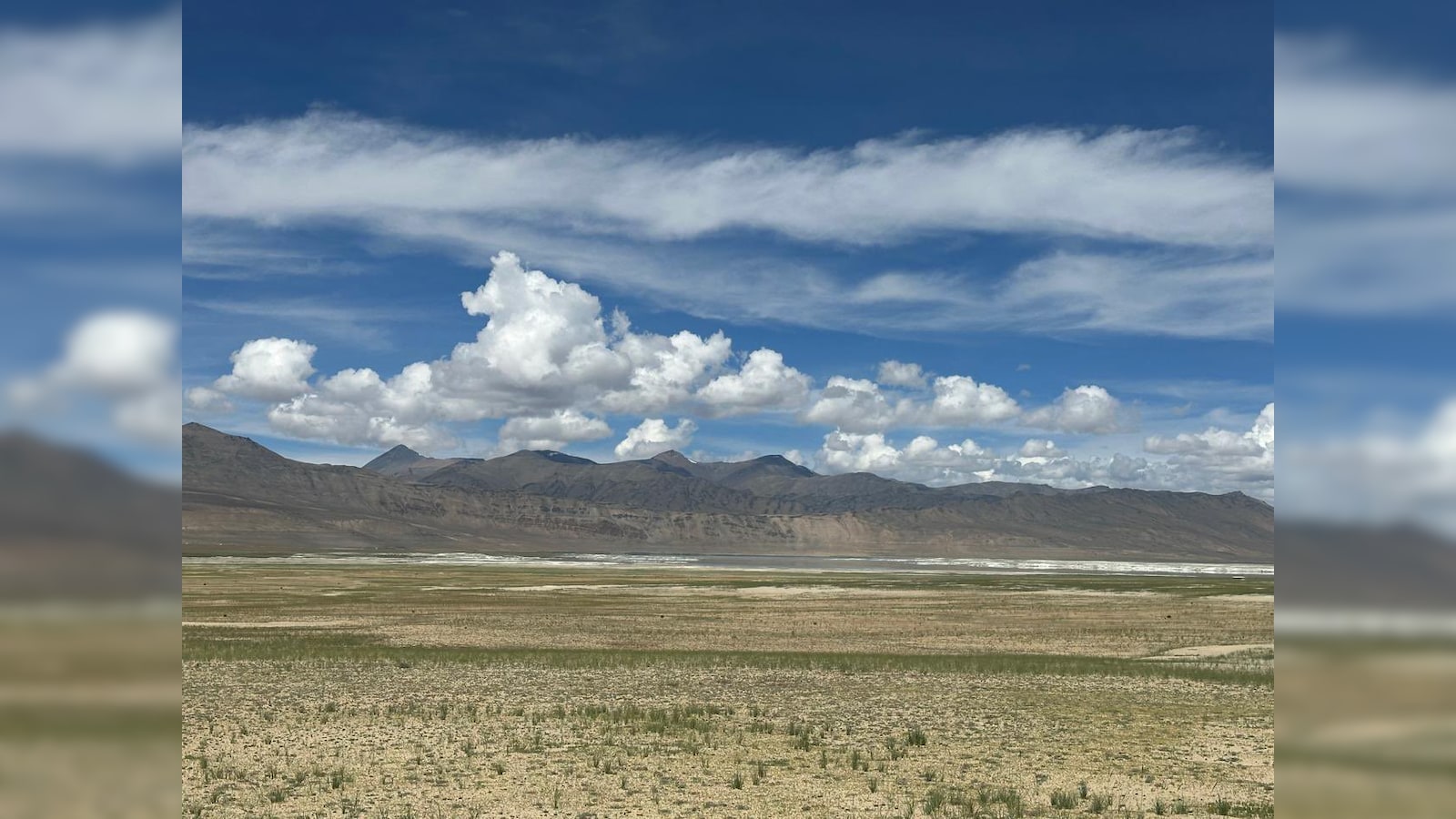
Tso Kar is a high mountain lake in Ladakh that has become much smaller.
It used to cover almost 11,000 acres but now covers about 3,200 acres.
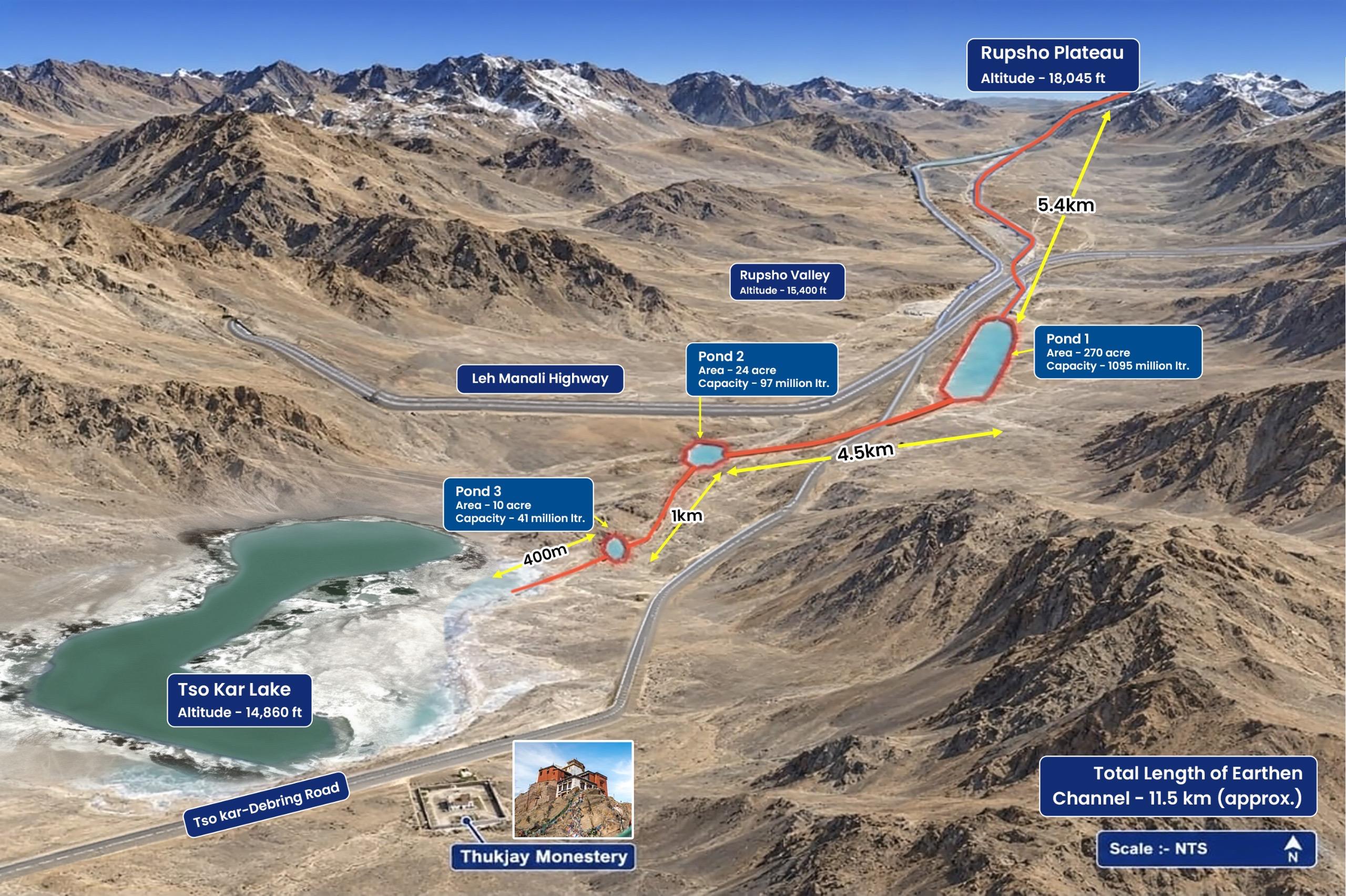
Ladakh plans to bring glacier water from a stream about 11 kilometres away.
The water will move downhill through simple earthen channels.
It will first collect in three natural dips in the land.
These dips will become new freshwater wetlands and allow mud to settle.
Cleaner water will then flow into Tso Kar.
Officials hope this will bring back grasslands, birds and grazing areas for Pashmina goat herders.
Most reports say the lake could recover within a year, while one report gives a target of around October 2027.

Ladakh is diverting up to 320 million litres of glacier water daily toward Tso Kar Lake.
The water comes from the Rupshu Kharnak stream, about 11–11.5 kilometres from Tso Kar.
Tso Kar has reportedly shrunk from nearly 11,000 acres to roughly 3,200 acres in a decade.
Three natural depressions will become freshwater wetlands capable of storing nearly 1.23 billion litres.
Officials say the project could restore grazing grounds, bird habitat and Pashmina herder livelihoods, though timelines differ between reports.
- Who
- The Ladakh administration, Lieutenant Governor Vinai Kumar Saxena and the Public Health Engineering Department are overseeing the project.
- What
- The project is diverting glacier meltwater into Tso Kar through gravity-fed earthworks, three natural depressions and flow-control structures.
- Where
- Water is being diverted from the Rupshu Kharnak stream, roughly 11–11.5 kilometres from Tso Kar in Ladakh, through three depressions before reaching the lake.
- When
- Saxena visited on August 10, the survey report was submitted on August 30, work began on September 2 and initial diversion started on September 9.
- Why
- The project aims to replenish the shrinking lake, restore wetlands and grazing grounds, support Pashmina herders and improve habitat for migratory birds.
Concrete-Channel Proposal
Natural-Flow Approach
How to bring water to Tso Kar
Concrete-Channel Proposal
The Public Health Engineering Department initially proposed constructing an approximately 11-kilometre RCC channel.
Natural-Flow Approach
Lieutenant Governor Vinai Kumar Saxena rejected a new concrete channel on ecological grounds and supported gravity flow through a simple earthen channel and natural depressions.
Key facts
- Planned diversion
- Up to 132 cusecs, or about 320 million litres of water per day during peak summer flow.
- Water source
- The glacier-fed Rupshu Kharnak stream, reported at approximately 18,000 to 18,045 feet above sea level.
- Lake contraction
- Tso Kar reportedly declined from nearly 11,000 acres to about 3,200 acres over the past decade.
- Wetland areas
- The three natural depressions cover approximately 270 acres, 24 acres and 10 acres.
- Storage capacity
- The three planned freshwater wetlands are expected to hold nearly 1.23 billion litres.
- Initial progress
- About 20 cusecs was diverted from September 9, and roughly 20 percent of the first depression filled within four days.
- Recovery timeline
- Officials generally cited restoration within a year, while one report stated a target of around October 2027.
Quotes

Vinai Kumar Saxena
Lieutenant Governor of Ladakh
“By transforming untapped glacier water into permanent lifelines, Ladakh is taking decisive steps toward agricultural prosperity, revitalised rural economies, and long-term climate resilience. This will ensure that the iconic landscapes like Tso Kar and the life they sustain are preserved for generations to come.”
 telegraphindia.com
“large-scale, sustainable water management is entirely feasible in our cold desert, using simple engineering”
 deccanchronicle.com
Sources
Related news

Ladakh Diverts Glacier Water to Revive 1,000 Acres

Ladakh Ponds Filled With Glacier Meltwater in Five Months

Ladakh Diverts Glacier Water to Revive 1,000 Acres
India Builds First Rock Dam On Indus Amid Treaty Abeyance
Sikkim Proposes Engineering Solutions to Mitigate Glacial Flood Risks
India's Ken-Betwa River Link Project Brings Water Hope to Bundelkhand
BNHS sterilises over 2,950 dogs to save black-necked cranes
Ladakh Hosts India's First Black-Necked Crane Festival
