5 days ago
India's Snakebite Crisis Reflects Rural Life, Myths, and Medical Gaps
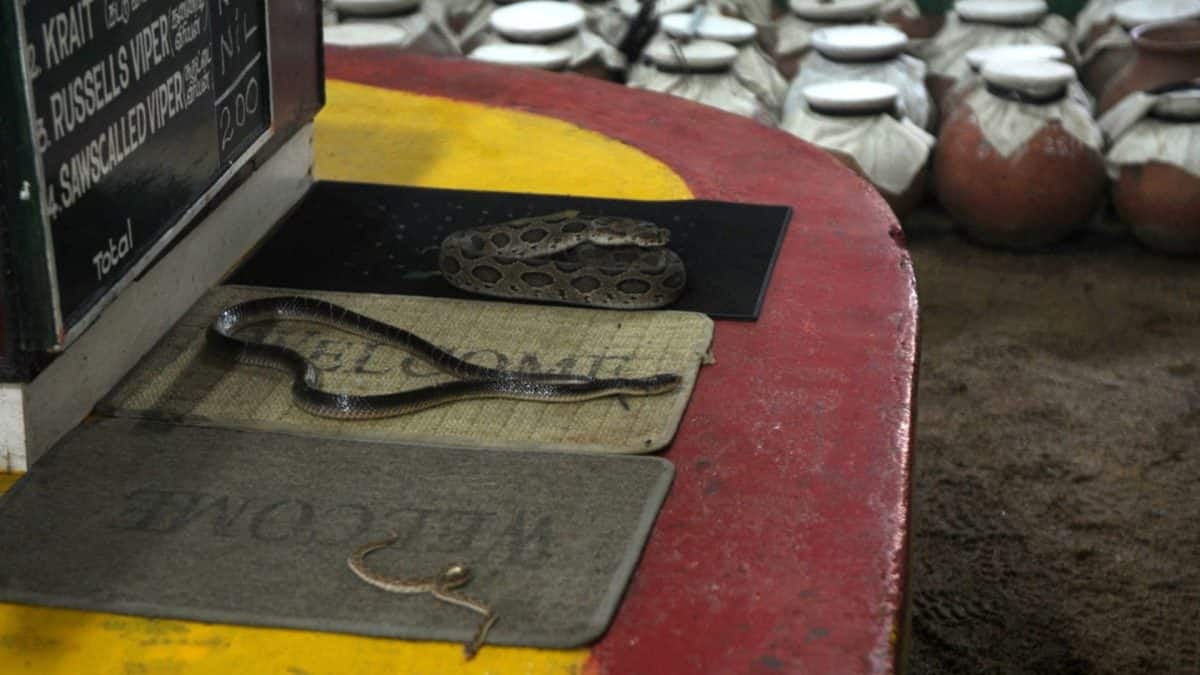
India has many snakes, and people in rural areas often live close to them.
A new study says up to 1.3 million people in India may be envenomed by snakes each year.
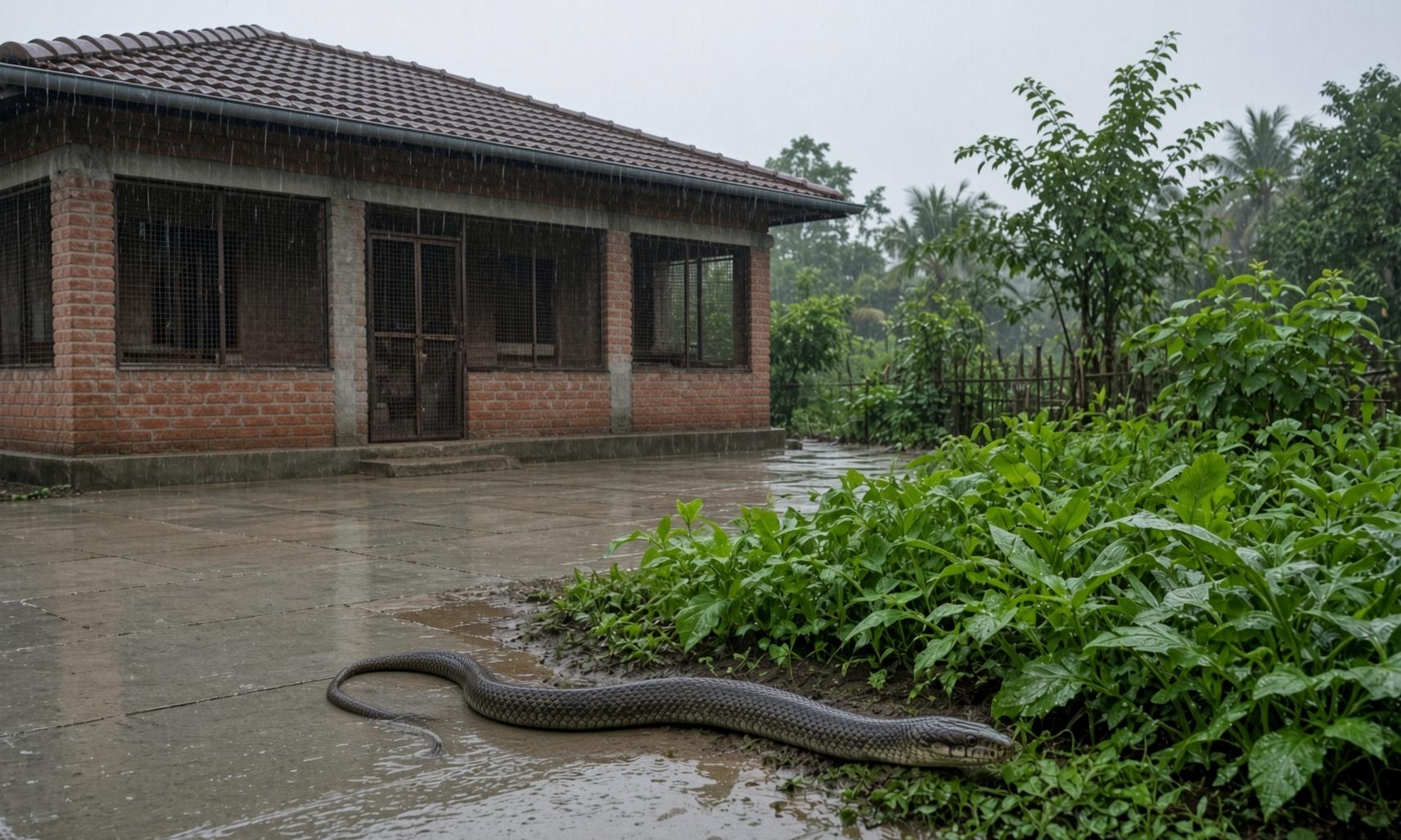
Snake encounters become more common during the rainy monsoon season.
Farmers may meet snakes while working in fields or moving piles of plants and equipment.
Many snakes bite only when they feel disturbed or threatened.
Some stories about snakes, such as revenge or remembering faces, are myths.
Some people go to traditional healers instead of hospitals after a bite.
A bite may also be harmless or contain no venom, which can make a healer seem responsible for a recovery.
Better treatment and clearer information could help people stay safer while living alongside snakes.

A PLOS Medicine study estimates up to 1.3 million snake envenomings annually in India.
Researchers estimate 2.1 million to seven million snake envenomings worldwide each year.
Rural communities face increased risk because farming and limited healthcare bring people closer to snakes.
The monsoon increases snake activity and encounters in fields, rubble, vegetation, and stored equipment.
Experts say myths, delayed treatment, and underreporting complicate India’s snakebite crisis.
- Who
- People in rural India, snake rescuers such as naturalist Pranad Patil, and researchers behind a PLOS Medicine study.
- What
- A study estimates a very large snake-envenoming burden in India, while experts describe how rural life, myths, delayed treatment, and underreporting shape the crisis.
- Where
- Across India, particularly in rural villages, farms, fields, homes, and storage areas.
- When
- The study is newly published; risk is especially discussed during India’s monsoon season.
- Why
- Snakes and people often share the same environments, while limited healthcare, misinformation, traditional treatment practices, and incomplete reporting can worsen outcomes.
Medical Treatment and Evidence
Traditional Beliefs and Remedies
Where people seek care
Medical Treatment and Evidence
The article emphasizes seeking medical treatment because delayed care and limited healthcare can worsen the consequences of a bite.
Traditional Beliefs and Remedies
Some people follow family traditions and visit traditional healers, especially when beliefs about snakebite treatment pass between generations.
Interpreting recovery
Medical Treatment and Evidence
A recovery may reflect a nonvenomous bite or a dry bite in which a venomous snake injects no venom, rather than the success of a remedy.
Traditional Beliefs and Remedies
When someone recovers after visiting a traditional healer, the healer may receive credit for the recovery.
Understanding snakes
Medical Treatment and Evidence
Naturalist Pranad Patil says snakes generally do not bite for revenge and recommends leaving a snake undisturbed for several hours.
Traditional Beliefs and Remedies
Myths, including claims that snakes seek revenge or remember faces, can shape how people understand encounters with them.
Key facts
- Estimated annual envenomings in India
- Up to 1.3 million, according to the PLOS Medicine study.
- Estimated global annual envenomings
- Between 2.1 million and seven million.
- Estimated global annual deaths
- Between 274,000 and 513,000.
- Main medically important group
- The “Big Four”: spectacled cobra, Indian krait, Russell’s viper, and saw-scaled viper.
- Treatment approach
- India uses polyvalent antivenom designed to work against all four Big Four snakes.
- Higher-risk season
- The monsoon, when snake activity and farming-related encounters increase.
- Data limitation
- Snakebite cases may never reach hospitals, official statistics, or news reports.
Quotes
Pranad Patil
Naturalist who has rescued snakes for more than two decades
“I think the biggest thing for us to understand is that they are our friends.”
 firstpost.com
“If you see a snake, just leave that place for a few hours, don’t disturb it.”
firstpost.com
Sources
Related news

Bengal exorcist dies after snakebite remedy fails to save him
Study Finds India Has World’s Highest Snakebite Estimates
Madhya Pradesh Maps Snake Diversity Amid Rising Bite Concerns
Odisha Man Bites Cobra to Death After Stepping on It
Four Die in Odisha Snakebites as Monsoon Risks Rise
Maharashtra Makes Every Snakebite Case Mandatory to Report

RBI Forex Swap Draws $136.4 Billion, Led by FCNR(B) Deposits

India to Host Inaugural Women's Champions Trophy in 2027

Amazon India Creates 1.6 Lakh Seasonal Jobs for Festive Rush

Two Years After RG Kar Doctor's Rape-Murder, Case Remains Unresolved

Auto Industry Urges Shift From Make to Create in India