3 weeks ago
Cat-22 in Madhya Pradesh: 50 humans killed, 45 tigers dead
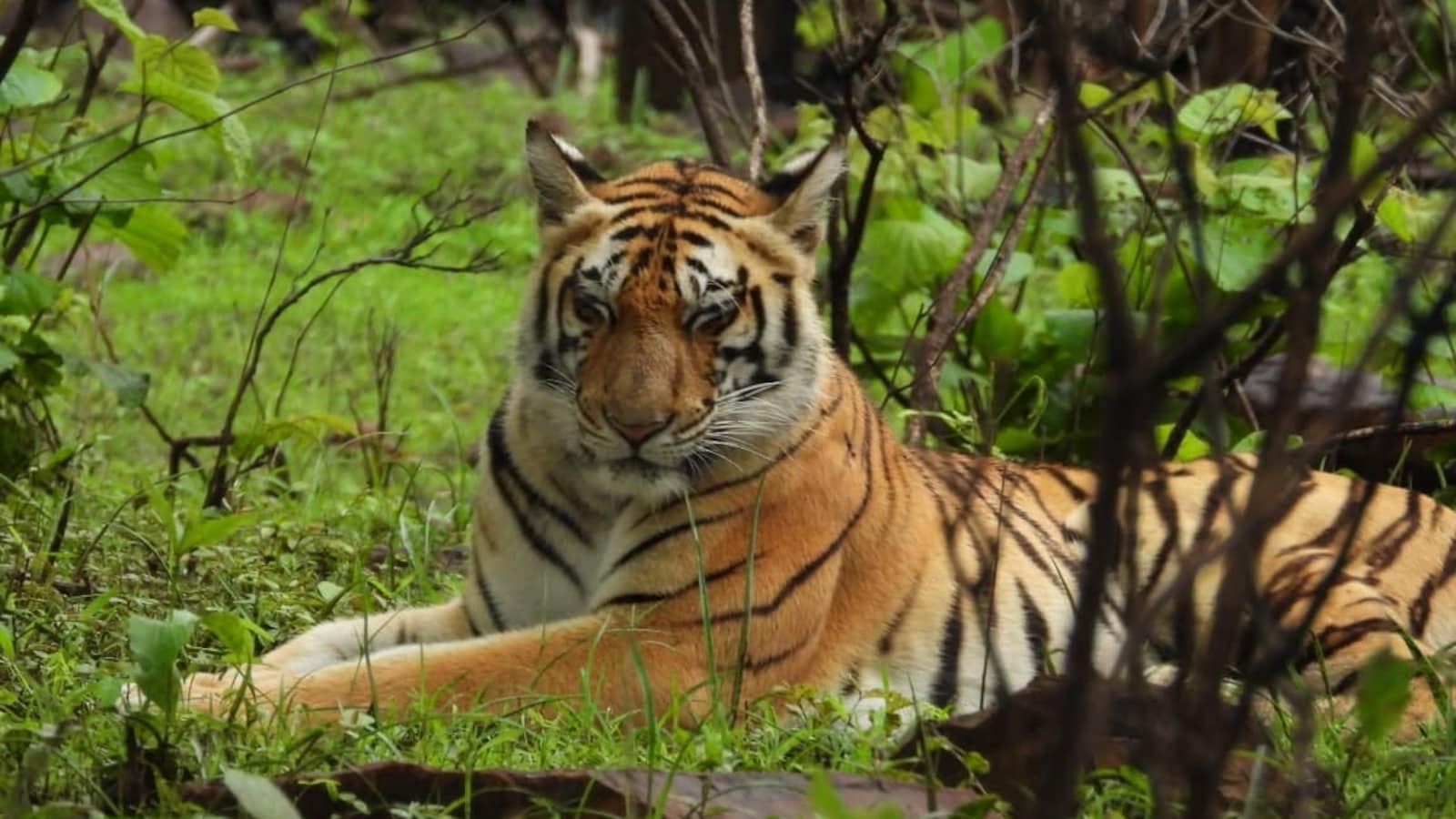
In a part of India called Madhya Pradesh, both people and wild animals are in trouble.
In the first eight months of 2026, at least 50 people died after being attacked by wild animals.
During the same time, more than 45 tigers also died.
Tigers were responsible for more of these deaths than any other animal.
Most of the people who died were villagers who work in or near forests.
They collect things like mahua flowers, tendu leaves and firewood, which brings them close to wild animals.
In March, April and May, lots of people go into the forest to collect these things, and that is when most of the deaths happened.
The number of tigers has grown a lot, but the forests have not grown with them.
So tigers sometimes move onto farmland and village paths to find territory, food and water.
Some villagers are scared and angry, while experts also worry about the tigers dying, and everyone is looking for a way to keep both people and tigers safe.

At least 50 people were killed in wild animal attacks and more than 45 tigers died in Madhya Pradesh in the first eight months of 2026.
Tigers caused the most human deaths: 22 of the 50 fatalities, with 14 in the Mahakoshal region around Seoni and seven near Bandhavgarh Tiger Reserve.
Thirty of the 50 human deaths occurred in March, April and May, when villagers, especially tribal communities, enter forests to collect tendu leaves and mahua flowers.
In April, two people were killed by tigers within 13 days in and around Pench Tiger Reserve, prompting hundreds of villagers to storm the reserve, damage vehicles and allegedly set fires.
Madhya Pradesh's tiger population rose from 785 in the 2022 census to an estimated 1,000, while its nine tiger reserves cover about 16,233 sq km, leaving little safe space for dispersing tigers.
- Who
- Villagers and tribal communities in Madhya Pradesh, wild animals such as tigers, wild boars, elephants and sloth bears, the Madhya Pradesh Forest Department, and tiger conservation authorities.
- What
- At least 50 people were killed in wild animal attacks and more than 45 tigers died in the first eight months of 2026, highlighting a growing human-wildlife conflict.
- Where
- Madhya Pradesh, India — especially the Mahakoshal region and Seoni, Bandhavgarh Tiger Reserve, Pench Tiger Reserve, and eastern districts bordering Chhattisgarh.
- When
- The first eight months of 2026, with 30 of the 50 human deaths concentrated in March, April and May.
- Why
- Human settlements, farms and livelihood activities increasingly overlap with wildlife movement, while Madhya Pradesh's growing tiger population lacks enough safe forest space to disperse into.
Community safety and livelihoods
Wildlife and conservation success
Costs of conservation
Community safety and livelihoods
Forest-fringe villagers face everyday risk while collecting mahua flowers, tendu leaves, firewood and grazing land, and anger over tiger killings led hundreds to storm Pench Tiger Reserve, dismantle gates and damage vehicles.
Wildlife and conservation success
Conservation has lifted Madhya Pradesh's tiger population to roughly 1,000, and officials and experts say encounters occur along forest fringes as tigers disperse through fragmented corridors in search of territory, prey and water.
Tiger death investigations
Community safety and livelihoods
A reported backlog of unresolved tiger death cases in Madhya Pradesh, including in Bandhavgarh, Kanha and Panna, raises questions about investigation, monitoring and accountability.
Wildlife and conservation success
The National Tiger Conservation Authority (NTCA) is preparing to close the unresolved cases from 2020 and 2021, and tiger deaths can result from natural causes, territorial fights, disease and old age as well as accidents, electrocution, poisoning and poaching.
Key facts
- State
- Madhya Pradesh, India
- Human deaths (first 8 months of 2026)
- At least 50
- Tiger deaths (first 8 months of 2026)
- More than 45
- Deaths by animal (2026)
- Tigers 22; wild boars 8; elephants 7; sloth bears 4; leopard 1
- Deadliest period
- 30 of 50 deaths in March (7), April (13) and May (10)
- Five-year toll (2020-21 to 2024-25)
- 406 deaths; 5,804 injured; 72,627 livestock losses
- Compensation paid (2020-21 to 2024-25)
- More than Rs 88.38 crore
- Tiger population and reserves
- 785 in 2022 census, estimated at ~1,000 now; nine reserves covering ~16,233 sq km
Sources
Related news

25-Year-Old Man Killed in Tiger Attack in Chandrapur
Tiger Attack Near Kanha Seriously Injures Madhya Pradesh Villager
Four Dead in Moradabad Leopard Attacks

Ooty Tribals Protest Escalating Man-Animal Conflict, Seek Government Action

Leopard Attacks Five in Udaipur Village, Killing One

Kipling Bungalow to become Mumbai’s new cultural art hub
A Tour Guide To Kanha, India's Famous Tiger Reserve

Weekly Book Roundup: Profit First, Incorruptible, Superteams and More

Colonial Painters Framed Calcutta Through the ‘White Town’