1 week ago
Study Finds India Has World’s Highest Snakebite Estimates
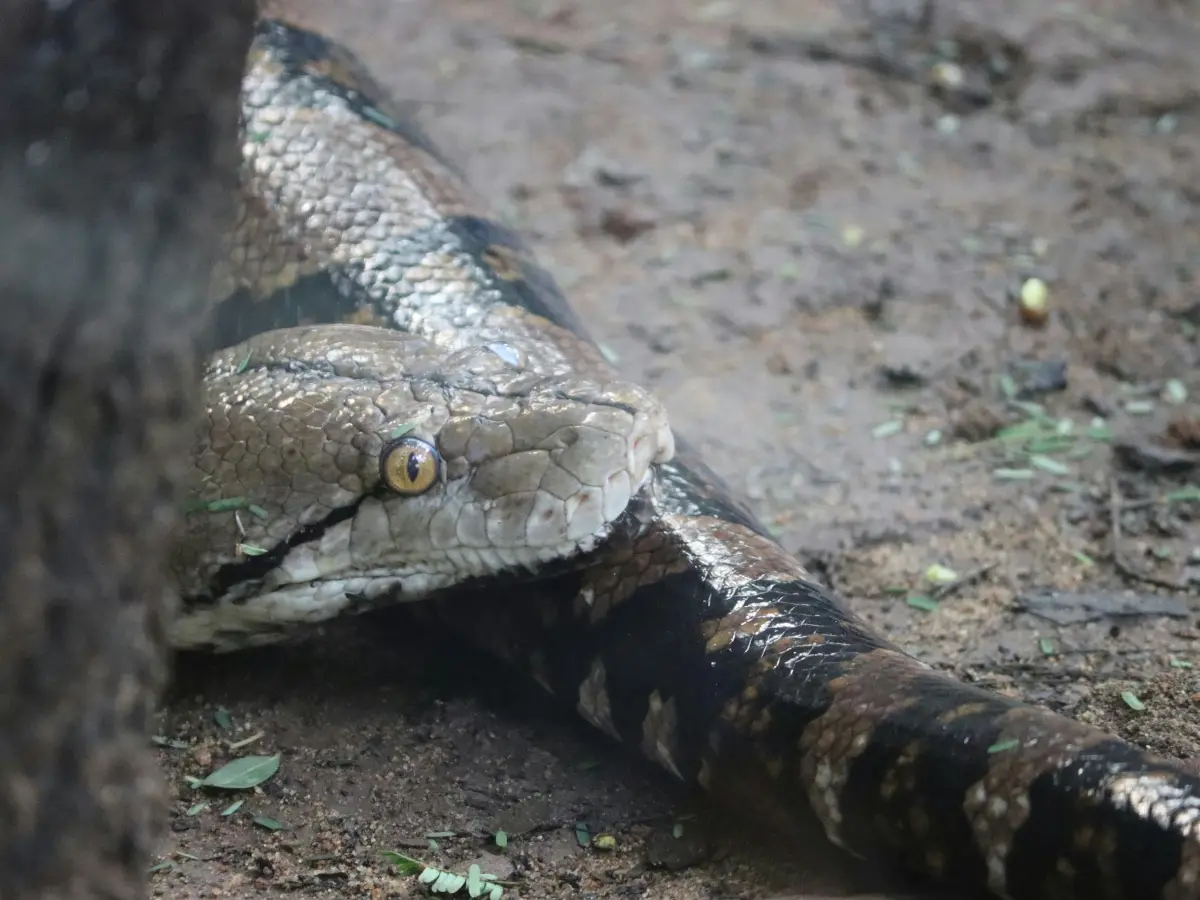
Scientists studied how often people are bitten by snakes around the world.
They estimate that between 2.1 million and 7 million snakebites happen every year.
India has the largest estimated number, with as many as 1.3 million cases annually.
Nigeria has the second-highest estimate.
The researchers said earlier estimates were probably much too low.
They also found that snakebites are especially deadly in poorer countries.
Sub-Saharan Africa has 45% of the world’s snakebites and related deaths.
The researchers described snake envenoming as an important public health problem.

Researchers estimate that 2.1 million to 7 million people are bitten by snakes worldwide each year.
India has the highest estimated annual total, ranging from 409,000 to 1.3 million cases.
Nigeria ranks second, with between 198,000 and 666,000 estimated annual snakebites.
Sub-Saharan Africa accounts for 45% of global snakebites and related deaths, with mortality highest in low-income countries.
The study reviewed snakebite data from 79 countries collected between January 2007 and March 2025.
- Who
- Scientists from the Liverpool School of Tropical Medicine, led by study author Dileepa Ediriweera.
- What
- A study estimated the number of snakebites and related deaths worldwide, identifying India as having the highest annual total.
- Where
- The study covered 79 countries worldwide, with India ranked first and Nigeria second by estimated annual cases.
- When
- The researchers reviewed data collected between January 2007 and March 2025.
- Why
- The researchers aimed to improve estimates of the global public-health burden of snake envenoming.
Key facts
- Estimated global snakebites
- 2.1 million to 7 million per year
- India’s estimated cases
- 409,000 to 1.3 million per year
- Nigeria’s estimated cases
- 198,000 to 666,000 per year
- Share in top 20 countries
- 75% of estimated global snakebites
- Sub-Saharan Africa’s share
- 45% of global snakebites and related deaths
- Countries studied
- 79
- Publication
- PLOS Medicine
Sources
Related news
India's Snakebite Crisis Reflects Rural Life, Myths, and Medical Gaps

Madhya Pradesh Maps Snake Diversity Amid Rising Bite Concerns

Maharashtra Makes Every Snakebite Case Mandatory to Report

Bengal exorcist dies after snakebite remedy fails to save him
Four Die in Odisha Snakebites as Monsoon Risks Rise
Snakebite kills 3 tribal girls at Gadchiroli school hostel

Pentagon Turmoil Deepens as Hegseth Tightens Grip on Military

Damaged Lohit River Bridge Cuts Off Arunachal Border Villages
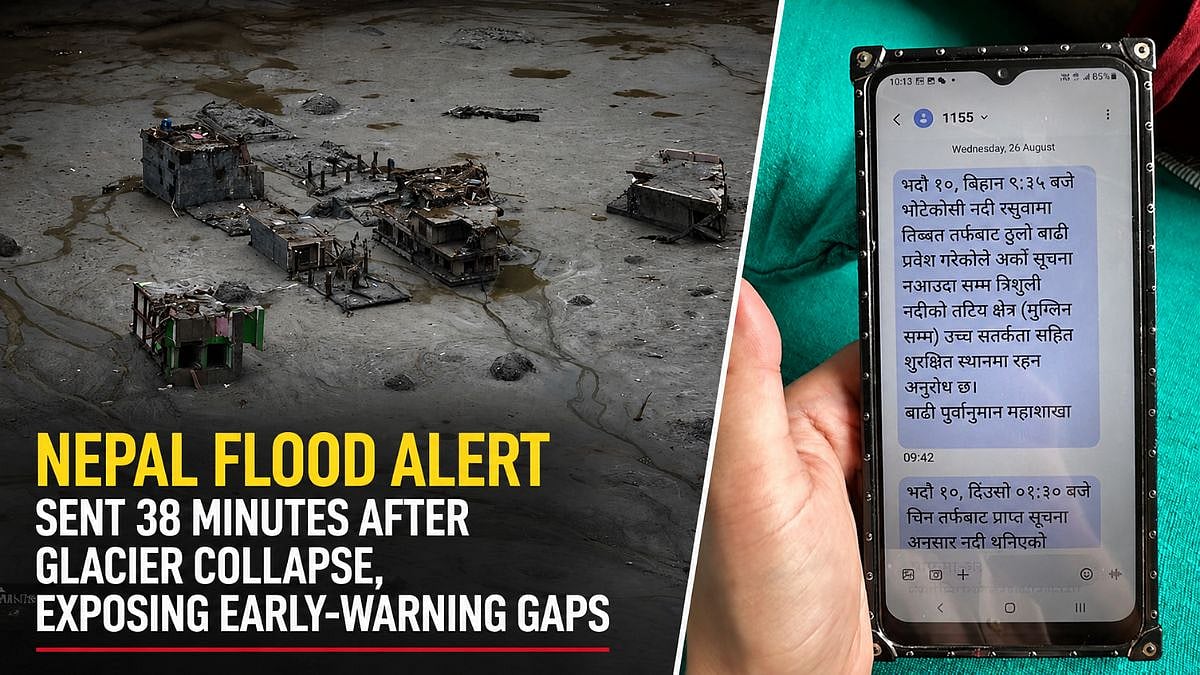
Nepal Flood Exposes Delayed Alerts and Cross-Border Warning Gaps

Chinese Workers Fight Office Ageing With Parasols And Sunscreen

UPSC Key Covers SCO, Electoral Rolls, Economy, Defence and Climate