

3 hrs ago
Indian Cabinet Approves ₹1.86 Lakh Crore Green Energy Corridor-III Scheme
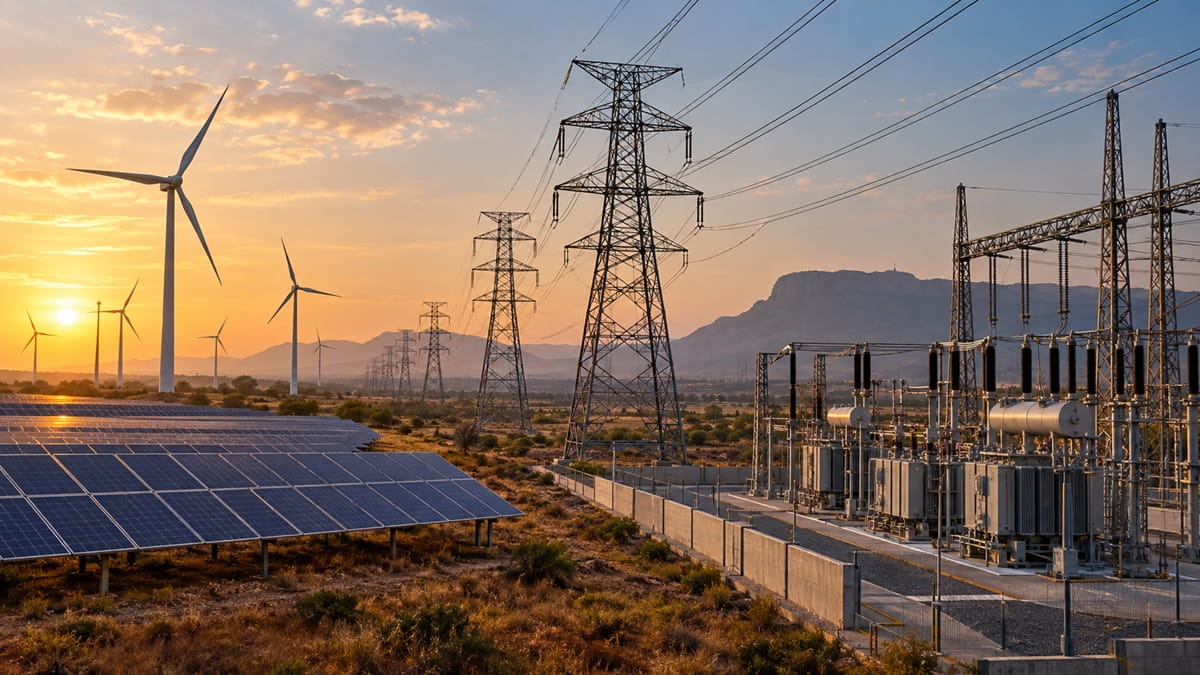
India’s Cabinet approved a very large plan to carry more clean electricity around the country.
The plan is called Green Energy Corridor Phase-III.
It will strengthen electricity lines inside states and Union Territories.
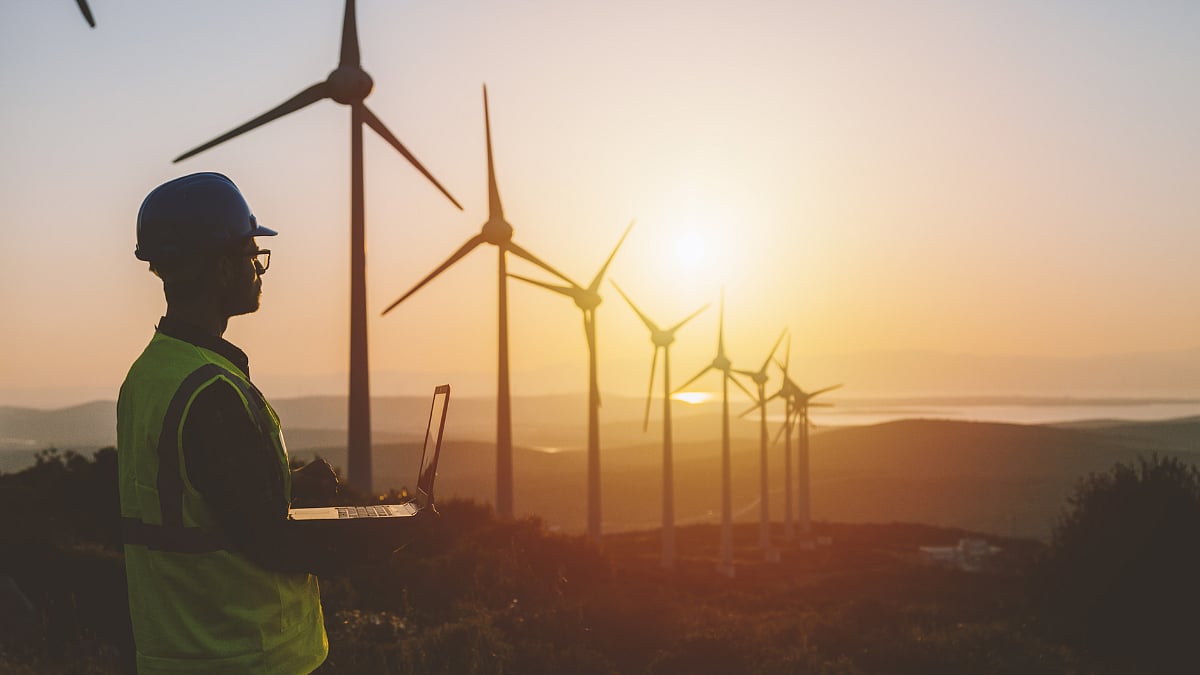
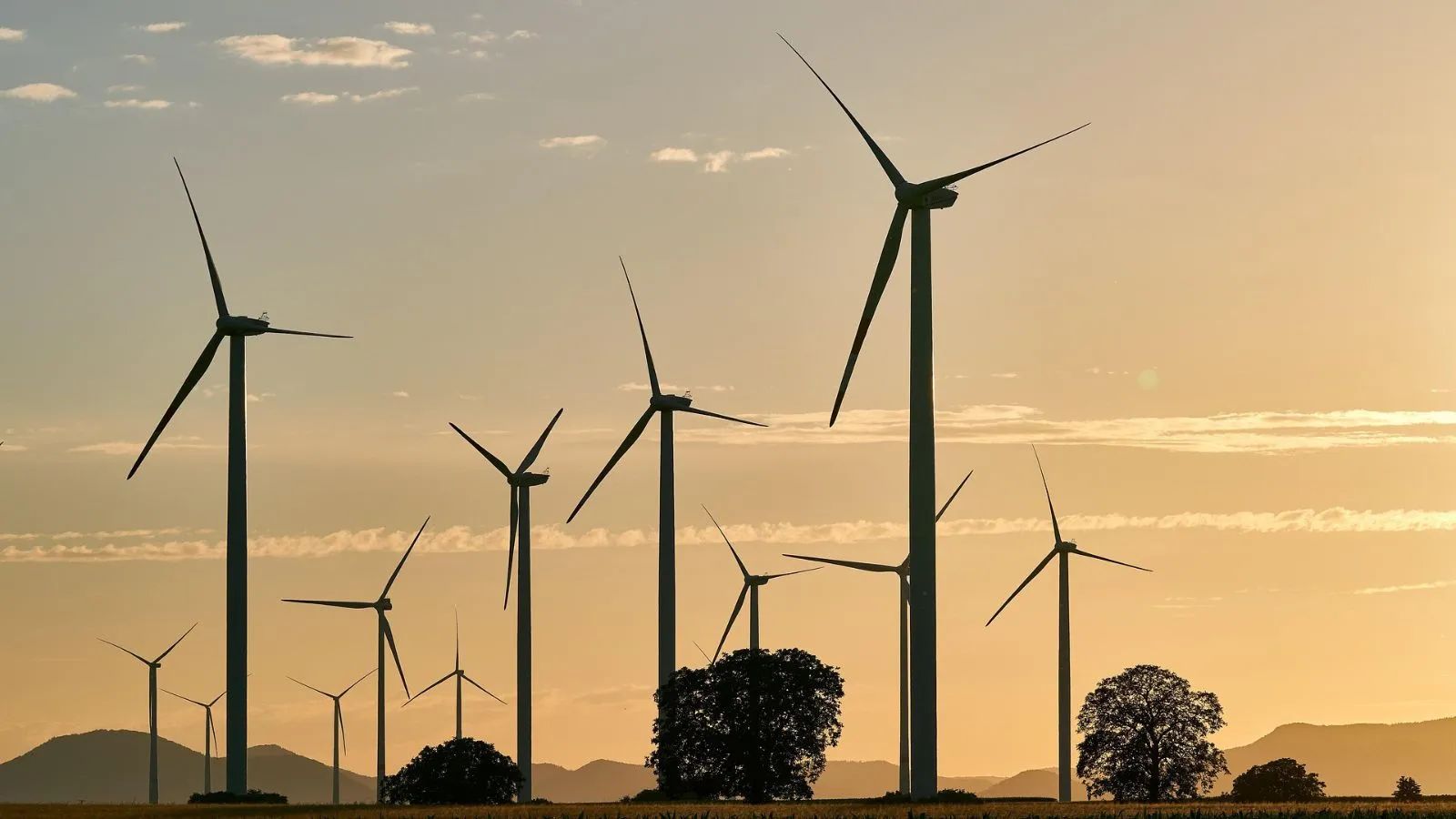
These lines could help move up to 135 gigawatts of solar and wind power.
The plan also includes batteries that can store 50 gigawatt-hours of electricity.
The batteries may help when sunlight or wind is unavailable, or when electricity lines are crowded.
The government says this could reduce the amount of renewable electricity that must be turned off.
The programme is expected to be completed by the financial year 2032-33.
It supports India’s stated goals of 500 GW of non-fossil capacity by 2030 and 900 GW of installed non-fossil capacity by 2035.

The Union Cabinet approved Green Energy Corridor Phase-III with a total outlay of ₹1,86,405 crore.
The scheme aims to enable transmission of up to 135 GW of renewable power across Indian states and Union Territories.
It includes 50 GWh of battery storage to address intermittency, congestion, curtailment and non-solar-hour demand.
The Centre will provide ₹54,082 crore in financial assistance, while ₹1,36,378 crore is allocated for transmission systems.
The programme is targeted for completion by FY 2032-33 and is intended to support India’s clean-energy capacity goals.
- Who
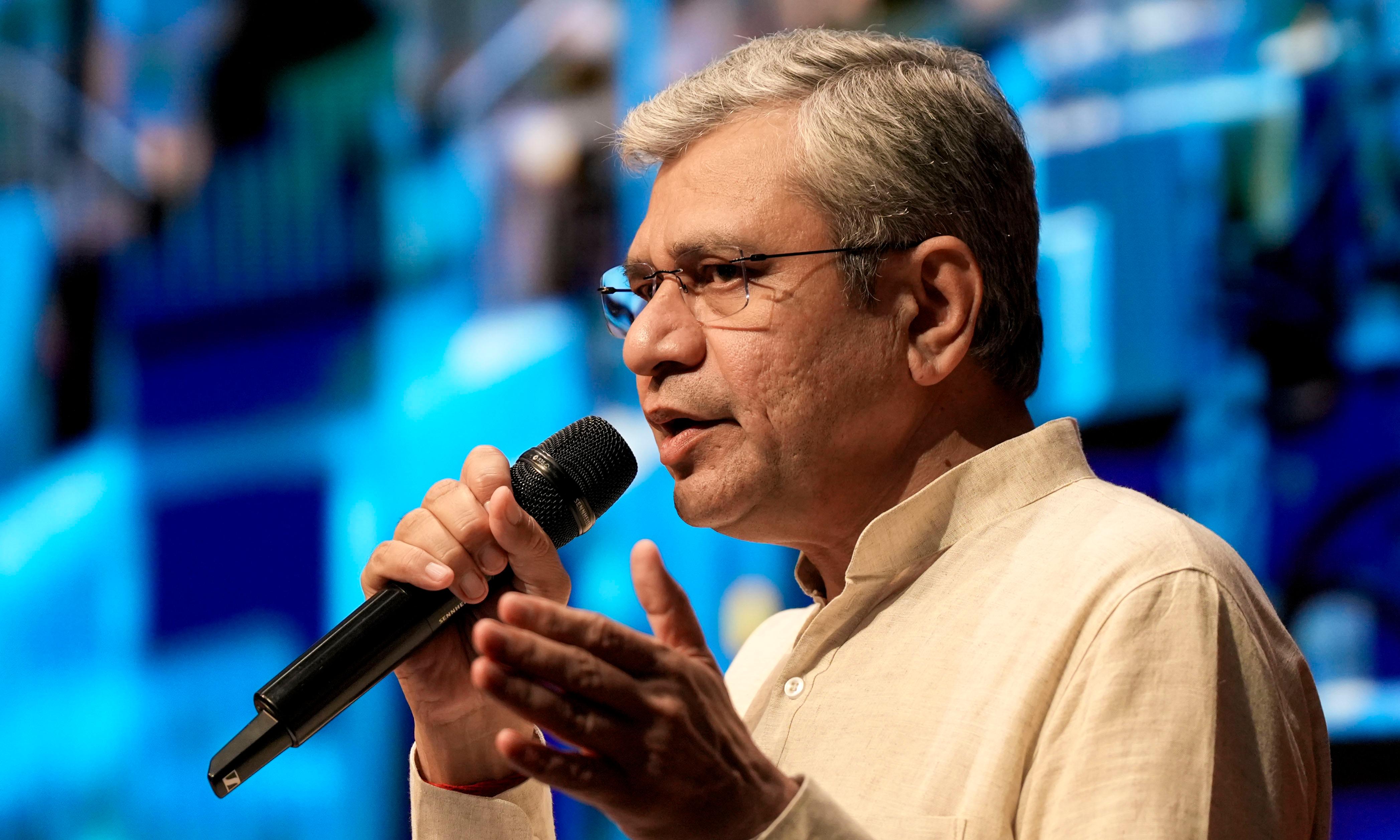
- The Union Cabinet approved the scheme, with Union Minister Ashwini Vaishnaw explaining the need for transmission infrastructure; State Transmission Utilities will oversee implementation.
- What
- Approval was given to Green Energy Corridor Phase-III, a ₹1,86,405 crore intra-state transmission and battery-storage programme.
- Where
- The programme will strengthen intra-state electricity transmission networks across Indian states and Union Territories.
- When
- The approval was announced on Wednesday, with completion targeted for FY 2032-33.
- Why
- It is intended to move more renewable electricity, reduce curtailment and congestion, manage variable solar and wind output, and help meet demand during non-solar hours.
Key facts
- Total outlay
- ₹1,86,405 crore
- Renewable transmission capacity
- Up to 135 GW
- Battery storage
- 50 GWh of Battery Energy Storage Systems
- Transmission allocation
- ₹1,36,378 crore for intra-state transmission systems
- Central financial assistance
- ₹54,082 crore
- Completion target
- FY 2032-33
- Transmission constraints
- The articles report that about 21 GW of renewable capacity is connected through temporary grid arrangements, with around 12 GW facing peak-solar evacuation restrictions.
- Capacity goals cited
- The articles cite targets of 500 GW of non-fossil capacity by 2030 and 900 GW of installed non-fossil capacity by 2035.
Quotes
Government official statement
Official statement issued after the Union Cabinet meeting
“All Greenfield projects under the InSTS component will be implemented through Tariff Based Competitive Bidding (TBCB) mode, while brownfield upgradation and network strengthening works will be executed under Cost Plus Basis (CPB).”
 indianexpress.com
“The Central Financial Assistance (CFA) will help in offsetting the Intra-State transmission charges and thus keep the power costs down. Thus, the government support will ultimately benefit the end users — the citizens of India.”
indianexpress.com
Sources
Related news
Green Energy Corridor Advances India’s 2035 Clean Power Goal

India Approves ₹1.86 Lakh Crore Renewable Grid Push
Gujarat’s ₹5,300-Crore Grid Project Targets 14 GW Renewable Power

POWERGRID Wins Gujarat Project to Integrate 7,500 MW Renewables

India's Pumped Storage Push Faces ₹7.36-Trillion Investment Question

Karnataka Reports 27.3 GW Renewable Capacity, Minister Highlights Clean-Energy Expansion
Delhi approves AI traffic grid with 2,500 cameras

Delhi Approves Rs 1,789 Crore AI Traffic System

Centre Raises Wheat MSP Above Double Production Cost for 2027-28
