3 weeks ago
AI Helps Create New Viruses, Raising Hopes and Safety Concerns

Scientists taught a computer program to read the language of genes, just like a smart chatbot learns words.
The program, called Evo, studied millions of genomes.
Then it wrote recipes for brand-new viruses that have never existed before.
Scientists followed those recipes to build tiny DNA molecules.
They put the molecules into bacteria, and the bacteria made real working viruses.
These new viruses are harmless to people because they only attack bacteria.
The viruses were even able to beat bacteria that normally fight back.
That could one day help scientists invent new medicines.
Some people are excited about this discovery, but others say we should be careful.
The scientists say they were extra careful and left out information about viruses that can make humans sick.

Researchers used an AI system called Evo to design brand-new viruses never before seen in nature.
The study, published on 6 August in the journal Science, involved scientists from Stanford University and the Arc Institute.
Of nearly 300 AI-designed virus genomes built and tested, sixteen proved to be viable, functional viruses.
The new viruses only infect bacteria, cannot harm humans, and a mixture of them overcame bacterial resistance.
Experts are split: some see promise for medical therapies, while others warn that judging AI-generated virus risks remains difficult.
- Who
- Scientists at Stanford University and the Arc Institute, including study author Brian Hie.
- What
- They used an AI system called Evo to design and build new viruses never before seen in nature; 16 of nearly 300 built proved viable.
- Where
- The research was conducted by Stanford University and the Arc Institute.
- When
- The study was published on 6 August.
- Why
- To advance understanding of viruses and explore potential medical therapies, such as overcoming bacterial resistance.
Medical Breakthrough Promise
Safety and Oversight Concerns
Value of AI-designed viruses
Medical Breakthrough Promise
A mixture of AI-designed viruses quickly overcame bacterial resistance that natural viruses could not, suggesting real promise for future medical therapies.
Safety and Oversight Concerns
Creating viruses from scratch raises serious safety concerns, and judging AI-generated virus risks remains genuinely difficult, with possible hidden dangers.
Safety of the AI model
Medical Breakthrough Promise
Researchers deliberately excluded data on viruses that infect humans, animals, plants and fungi, so Evo cannot generate viruses threatening human health.
Safety and Oversight Concerns
Dr Hanke questioned whether there were hidden dangers, noting that risk assessment for AI-generated viruses is still very hard.
Research oversight
Medical Breakthrough Promise
Computer-based research currently faces fewer restrictions, which allows this kind of innovation to proceed; the NIH says such research isn't generally prohibited.
Safety and Oversight Concerns
The National Institutes of Health introduced new safety policies to prevent high-risk life-science research, reflecting concern about the field.
Key facts
- Journal
- Science
- Publication date
- 6 August
- Research institutions
- Stanford University and the Arc Institute
- AI system used
- Evo, a language model trained on genetic code
- Genome designs generated
- Thousands
- Designs built and tested
- Nearly 300
- Viable viruses produced
- 16
- Human risk
- None, according to researchers; viruses only infect bacteria
Quotes
Patrick Cai
Scientist at the University of Manchester, not involved in the study
“"Judging AI-generated virus risks remains genuinely difficult"”
 livemint.com
“"We just wanted to be extra careful"”
livemint.com
Sources
Related news
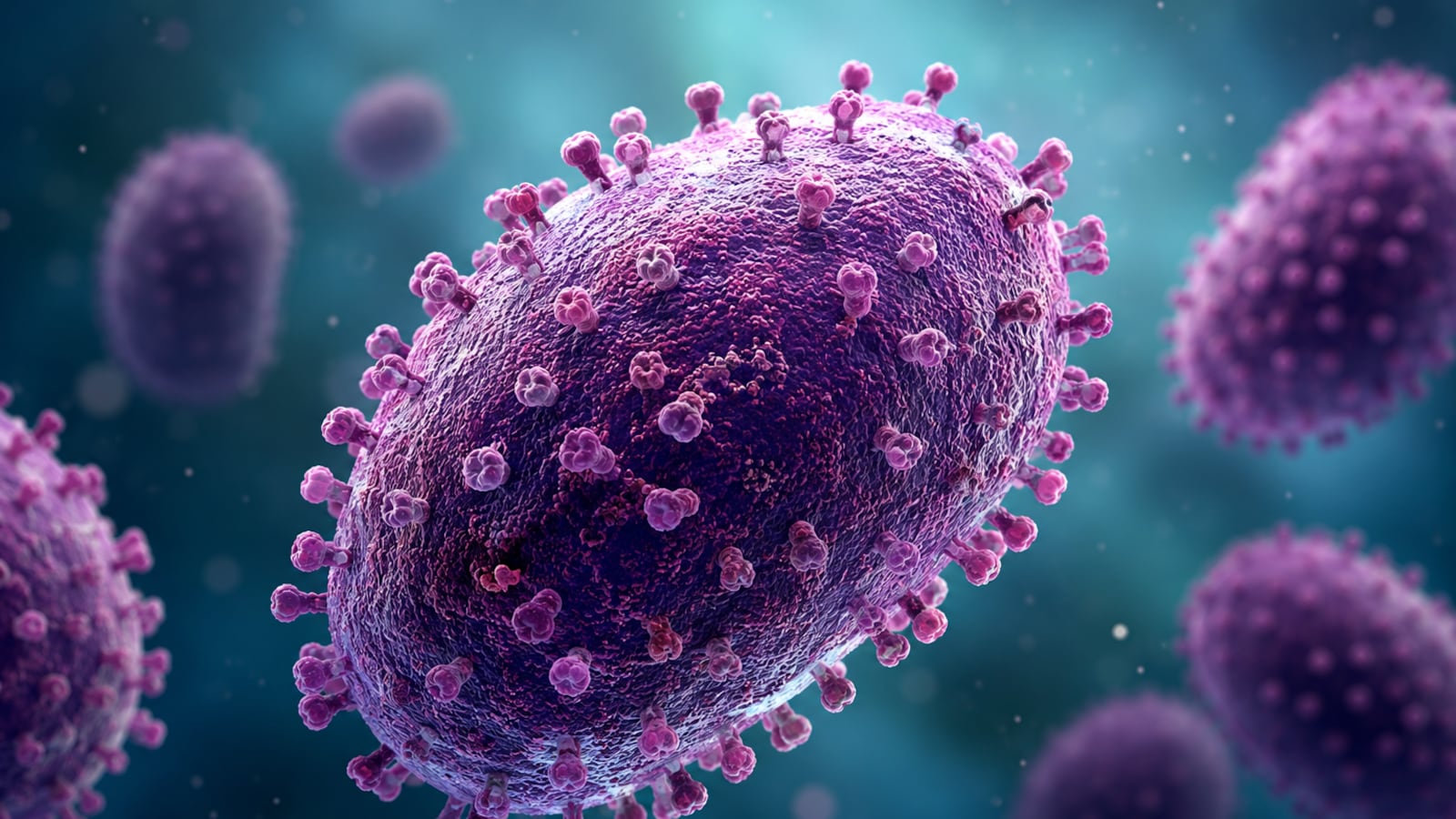
Scientists Design AI Viruses, Sparking Medical Hope and Biosecurity Alarm

AI Creates Nature-Defying Viruses: Breakthrough or Biosafety Risk?

Stanford AI creates new synthetic viruses, raising biosecurity concerns

AI Helps Scientists Create 16 New Viruses Targeting Resistant Bacteria
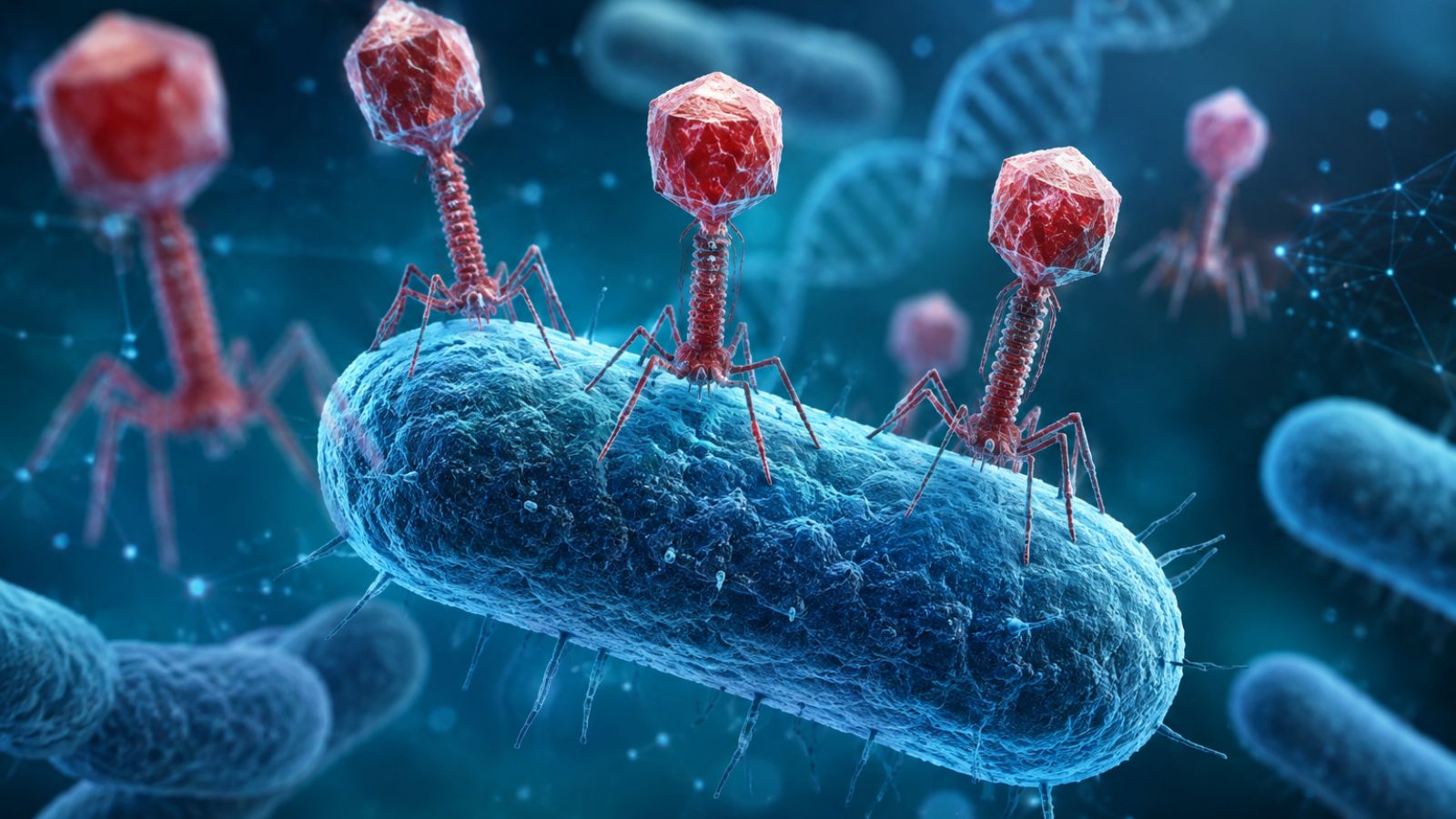
AI-Designed Viruses Created From Scratch for the First Time

AI Week: F-16 flights, synthetic virus, DeepMind, EU rules
Stanford Hoover Fellowship Offers Early-Career Researchers Rs 2.18 Crore

Sanders Backs Gates Warning About AI Job Losses
Court Blocks Trump Student Visa Crackdown Over Political Speech

How to Protect Your Feet During a Long Mountain Trek
Judge blocks Trump's deportation efforts over pro-Palestinian speech