3 weeks ago
Scientists Design AI Viruses, Sparking Medical Hope and Biosecurity Alarm
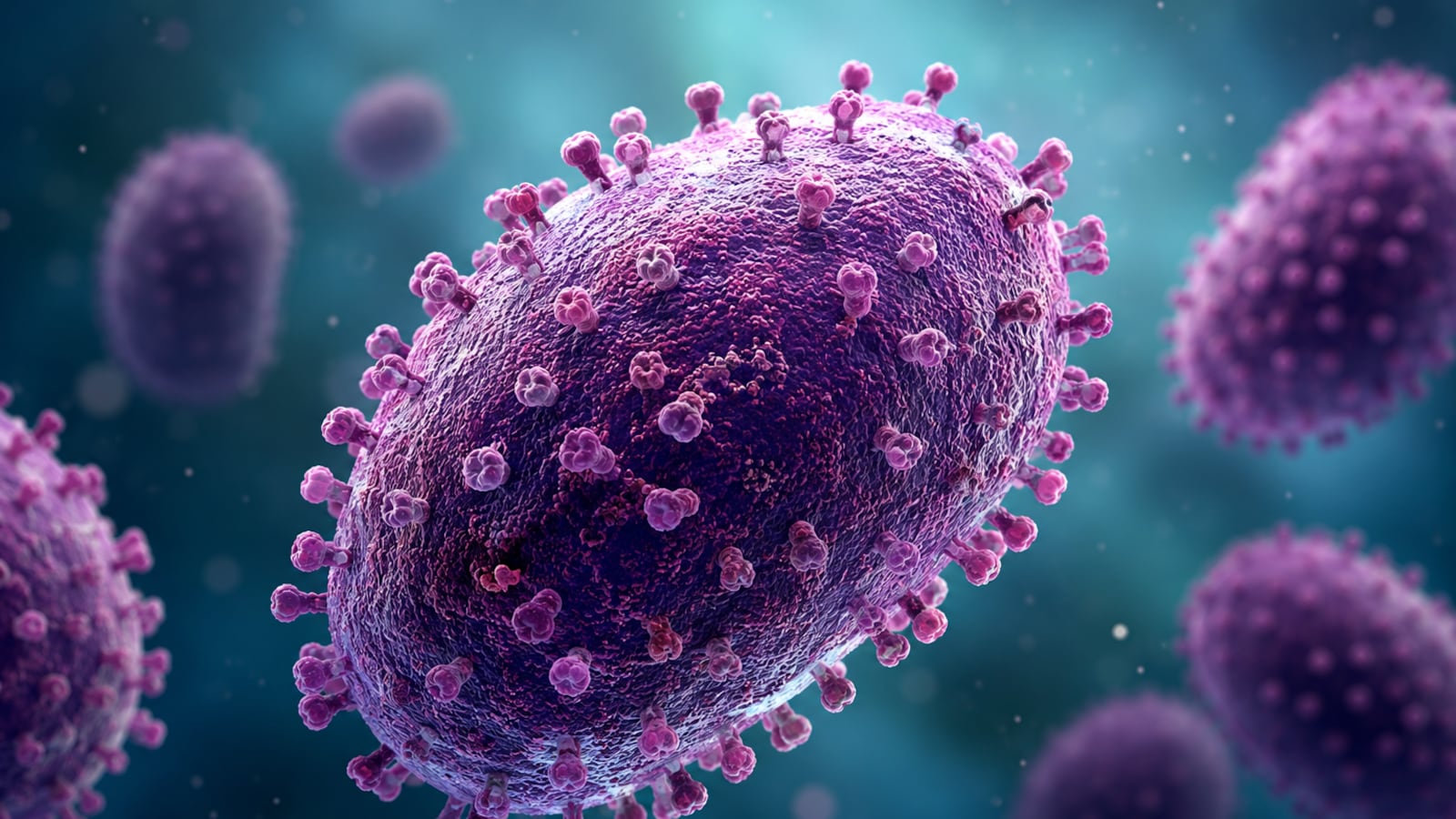
Scientists used artificial intelligence (AI) to create brand-new viruses that have never existed in nature.
These viruses are called bacteriophages, and they only attack bacteria, not people.
First, the scientists taught the AI by showing it millions of genetic codes from living things.
Then the AI wrote new genetic instructions for making viruses.
Out of 285 virus designs they tested, only 16 actually worked.
These new viruses can kill bad bacteria that are resistant to medicines.
That could help doctors fight dangerous infections in the future.
But some experts are worried that the same technology could be misused to create dangerous viruses.
Other experts say those fears are overblown because these are among the smallest and simplest viruses to make.
Many scientists say we need careful rules to keep this technology safe.

For the first time, generative AI designed complete viral genomes for bacteriophages that do not exist in nature, with 16 of 285 synthesized candidates (one report said roughly 300) yielding viable, replication-competent viruses.
The AI-designed phages killed antibiotic-resistant Escherichia coli strains, including bacteria that had developed resistance to the natural ΦX174 phage; some variants carried 67-392 new mutations.
The landmark study, led by Dr Brian Hie of Stanford University and the Arc Institute, was published Thursday, August 6 in the peer-reviewed journal Science.
Biosecurity experts at the Johns Hopkins Center for Health Security warned that "the governance to safely steer it does not exist," while other experts called fears of fully AI-designed pathogens "very overblown."
The Evo1 and Evo2 genome language models were trained on DNA from millions of organisms and fine-tuned on about 14,266 Microviridae genomes, excluding viruses that infect humans, animals or plants.
- Who
- Researchers from Stanford University and the Arc Institute in California, led by Dr Brian Hie, with biosecurity commentary from Dr Thomas Inglesby and Dr Moritz Hanke of the Johns Hopkins Center for Health Security, Tom Ellis of Imperial College London, and Dr Filippa Lentzos of King's College London.
- What
- The first creation of fully functional, replication-competent viruses whose entire genomes were generated by AI; the AI-designed bacteriophages killed antibiotic-resistant E. coli strains.
- Where
- Stanford University and the Arc Institute in California; the study was published in the journal Science.
- When
- The study was published Thursday, August 6 in the peer-reviewed journal Science.
- Why
- To fight antibiotic-resistant infections and demonstrate that AI can rapidly design functional genomes, while also raising urgent biosafety and biosecurity questions.
Biosecurity Caution
Medical Promise
Risk assessment of AI-designed viruses
Biosecurity Caution
The ability to compose viral genomes using generative AI now exists, but "the governance to safely steer it does not"; the technology could lower barriers to creating novel biological threats.
Medical Promise
Fears of fully AI-designed pathogens are "very overblown"; bacteriophages are the smallest and easiest genomes to engineer, and more immediate risks come from gain-of-function modifications to existing pathogens.
Scope of future genome design research
Biosecurity Caution
Research aimed at designing pathogens capable of infecting humans, animals or plants should not be pursued, as they "might encode new pathogens that cannot be contained by existing countermeasures."
Medical Promise
The ability to "rapidly design" genomes and tune them for specific bacterial targets could "transform phage therapy" and "expand biotechnological toolkits" against antibiotic-resistant superbugs.
Adequacy of existing governance
Biosecurity Caution
There is an urgent governance gap — "the governance to safely steer it does not exist" — so a layered approach covering model access, research review, synthesis screening and laboratory biosafety makes more sense.
Medical Promise
Controls over access to genetic data and restrictions on manufacturing suspicious genomes could mitigate risks, and "governments are working hard to do this already."
Key facts
- Research institutions
- Stanford University and Arc Institute, California
- Publication
- Peer-reviewed journal Science, published Thursday, August 6
- Study
- "Generative design of bacteriophages with genome language models" (DOI: 10.1126/science.aec2657)
- AI models used
- Evo1 and Evo2 genome language models
- Synthetic genomes tested
- 285 designs selected from thousands generated by AI (one report said roughly 300)
- Viable viruses produced
- 16 of 285 candidates
- Training data
- About 14,266 Microviridae genomes; viruses infecting humans, animals and plants excluded
- Key result
- AI-designed phages killed E. coli resistant to the natural ΦX174 phage; some variants carried 67-392 new mutations
Quotes
Dr Moritz Hanke
Doctor at Johns Hopkins University's Center for Health Security
“This is a next step in the complexity that’s designable by generative AI… this is the first time generative AI has been used to design a complete genome, it’s something that can replicate and have other functions inside cells… this was new territory for us.”
 thehansindia.com
 financialexpress.com
“"So, it's less 'should we worry about this virus' and more 'AI can now do this at all', which is why researchers are already calling for stronger biosecurity oversight as a forward‑looking precaution rather than a response to any actual danger here."”
 NDTV
NDTV
Dr Thomas Inglesby
Doctor at Johns Hopkins University's Center for Health Security
“Although this is promising for life sciences applications, it also raises urgent biosafety and biosecurity questions.”
 wionews.com
“The ability to compose viral genomes using generative AI now exists; the governance to safely steer it does not.”
financialexpress.com
Researchers from Stanford University and the Arc Institute
Lead authors of the study published in Science
“"Our approach expands what synthetic genomics can achieve alongside methods such as directed evolution and rational engineering, lays out a path for generating adaptive and resilient phage therapies against rapidly evolving pathogens, and establishes a foundation for the generative design of larger, more complex genomes."”
NDTV
Sources

AI Just Designed Brand-New Viruses from Scratch - Why Experts Say Don't Panic
Scientists Used AI To Create Viruses That Don't Exist In Nature

Scientists design AI viruses unknown in nature spark medical hope and biosecurity alarm
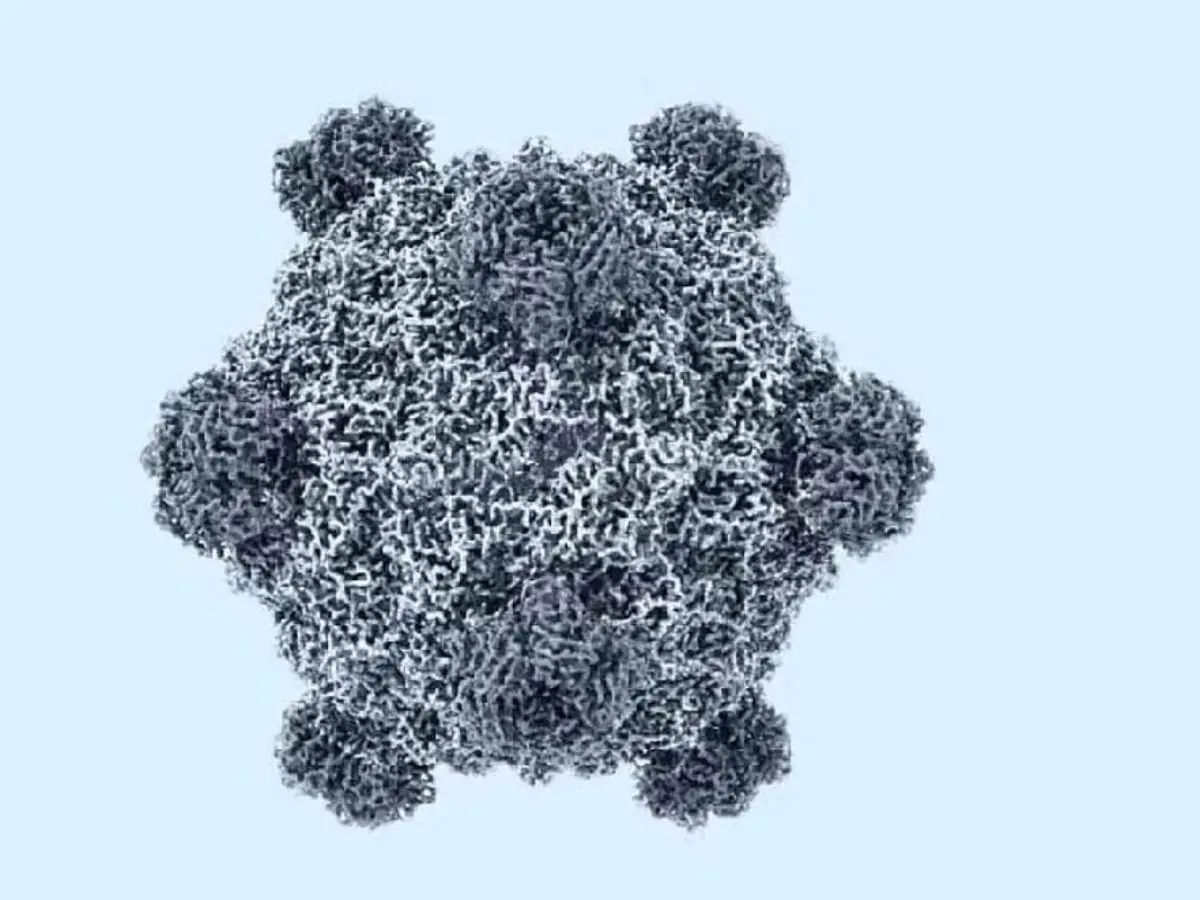
AI just made the first viruses that do not exist on Earth. 'That's how they create the next zombie virus,' netizens say
Related news

Stanford AI creates new synthetic viruses, raising biosecurity concerns
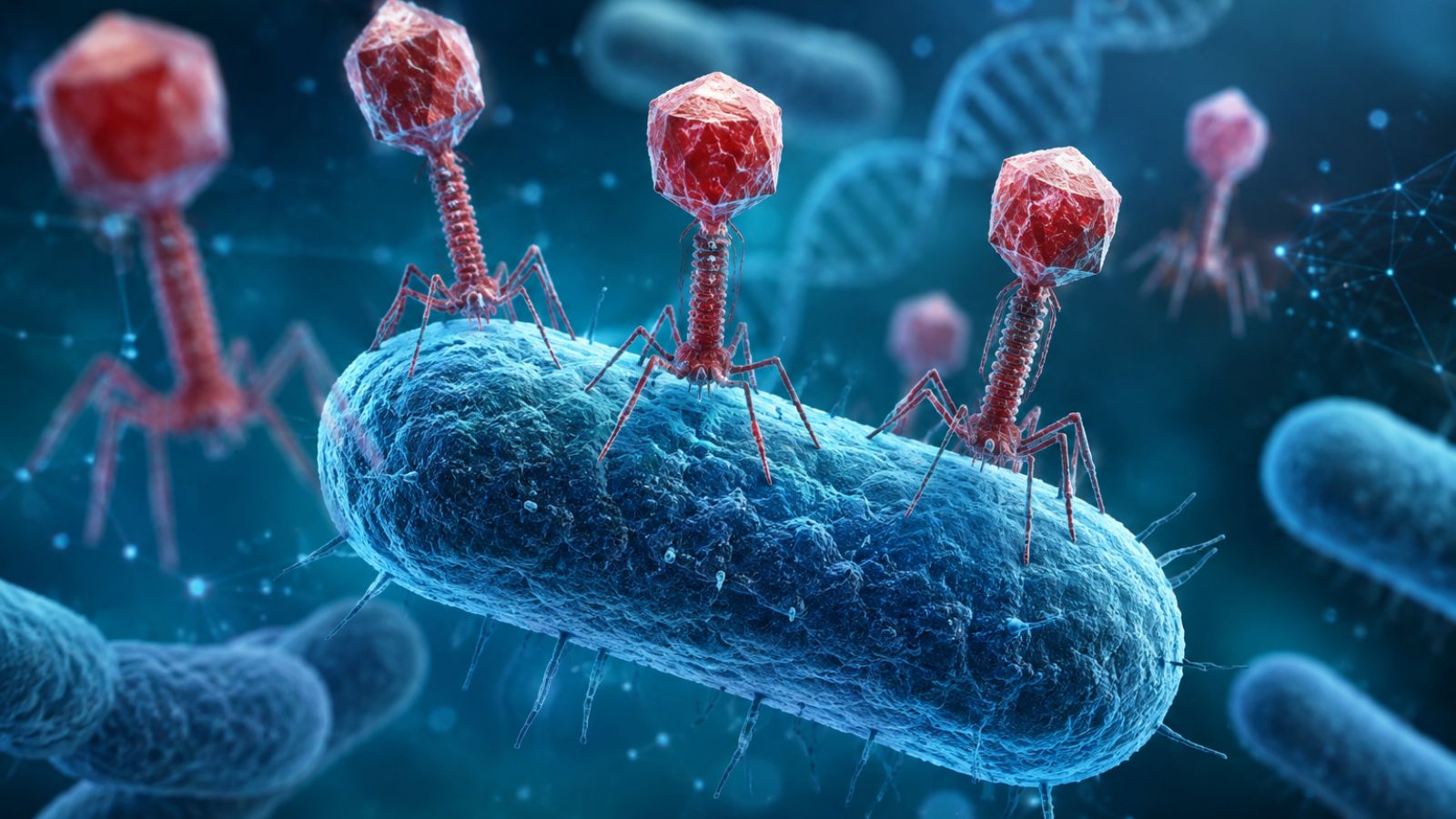
AI-Designed Viruses Created From Scratch for the First Time

AI Helps Create New Viruses, Raising Hopes and Safety Concerns

AI Helps Scientists Create 16 New Viruses Targeting Resistant Bacteria

AI Creates Nature-Defying Viruses: Breakthrough or Biosafety Risk?

AI Week: F-16 flights, synthetic virus, DeepMind, EU rules

Bargarh Woman Becomes District’s First Female Commercial Pilot

Sam Altman Says AI Capabilities and Safeguards Must Advance Together

Sony and Warner Sue Anthropic Over AI Music Training

Mother Bear And Three Cubs Rescued From California Water Tank

Overnight Rescue Saves Climber Trapped On Narrow Ledge