3 weeks ago
AI Creates Nature-Defying Viruses: Breakthrough or Biosafety Risk?

Scientists at Stanford University used a special kind of computer program called artificial intelligence to create new viruses.
These viruses do not exist in nature, which means they are brand new.
The computer program they used is called Evo 2.
It works like a smart writer, but instead of writing stories, it writes genetic codes.
This shows that computers could one day help people build completely new forms of life.
Scientists have always studied viruses by looking at nature for clues.
Now AI can help them design viruses in new ways.
Some people think this is an amazing breakthrough that could help science.
Other people worry that making new viruses could be dangerous.
This was reported by a newspaper called the Financial Times.

Researchers in the US have used AI to design viruses that do not exist in nature.
Scientists at Stanford University used a generative AI system called Evo 2 to design new genetic sequences for viruses.
The work shows how machines could one day help humans build new forms of life.
The research is rooted in scientists looking to nature for clues about how viruses work.
The achievement raises the question of whether it is a breakthrough or a biosafety risk.
- Who
- Researchers at Stanford University in the US.
- What
- Used a generative AI system called Evo 2 to design new genetic sequences for viruses that do not exist in nature.
- Where
- United States, at Stanford University.
- When
- Recent, during the current AI boom (specific date not stated).
- Why
- To understand how viruses work and to explore how machines could one day help humans build new forms of life.
Breakthrough Perspective
Biosafety Risk Perspective
Value of AI-designed viruses
Breakthrough Perspective
Designing viruses that do not exist in nature is a scientific breakthrough that deepens understanding of how viruses work.
Biosafety Risk Perspective
Creating new viruses not found in nature raises serious biosafety risks.
AI building new life
Breakthrough Perspective
The technology shows machines could one day help humans build new forms of life, an exciting possibility.
Biosafety Risk Perspective
Allowing machines to help build new forms of life may be dangerous and should be treated with caution.
Key facts
- Institution
- Stanford University
- Country
- United States
- AI System
- Evo 2 (generative AI)
- What was created
- New genetic sequences for viruses not found in nature
- Reported by
- Financial Times
- Core question
- Breakthrough or biosafety risk?
Sources
Related news
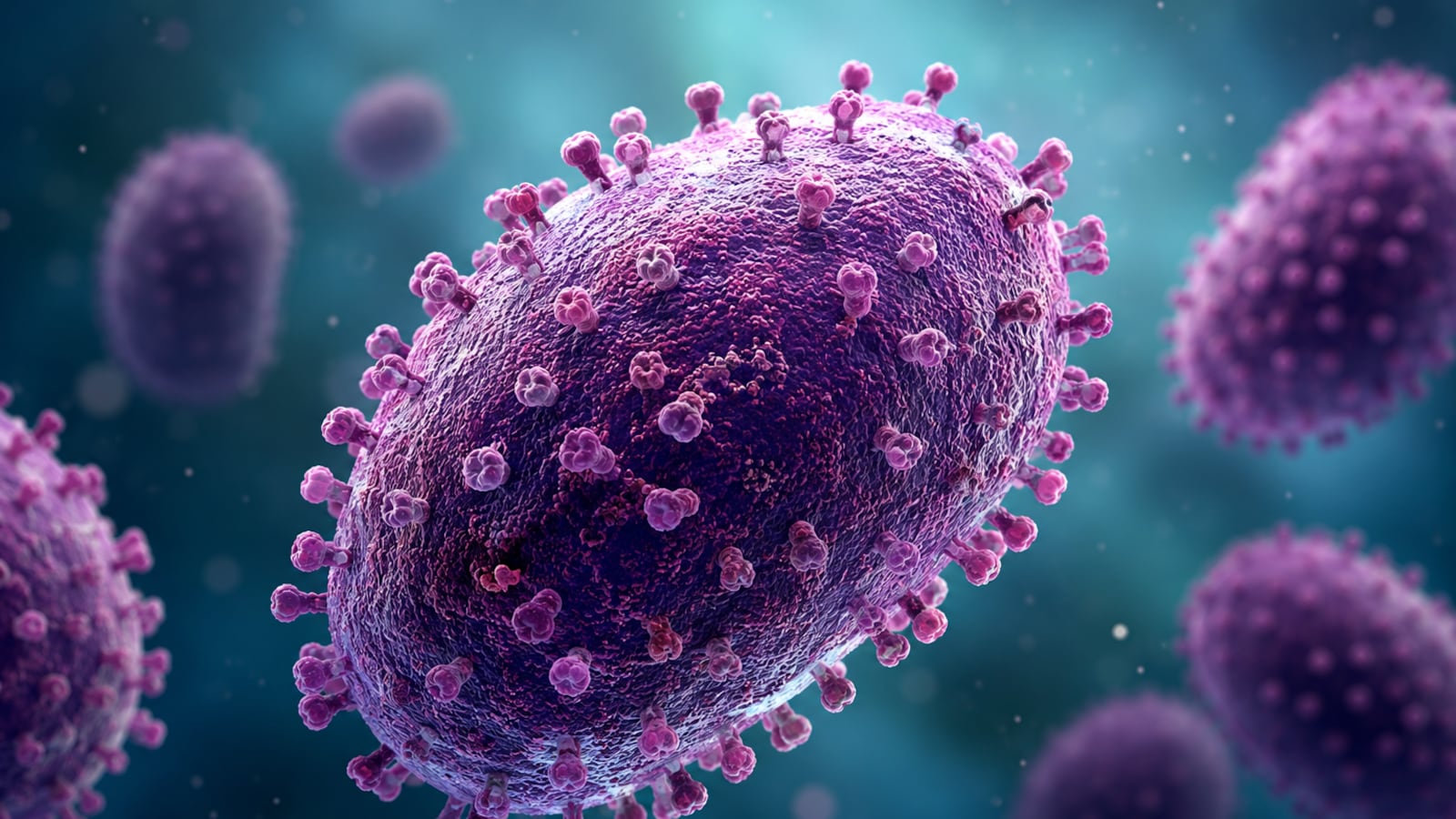
Scientists Design AI Viruses, Sparking Medical Hope and Biosecurity Alarm

Stanford AI creates new synthetic viruses, raising biosecurity concerns

AI Helps Create New Viruses, Raising Hopes and Safety Concerns

AI Helps Scientists Create 16 New Viruses Targeting Resistant Bacteria
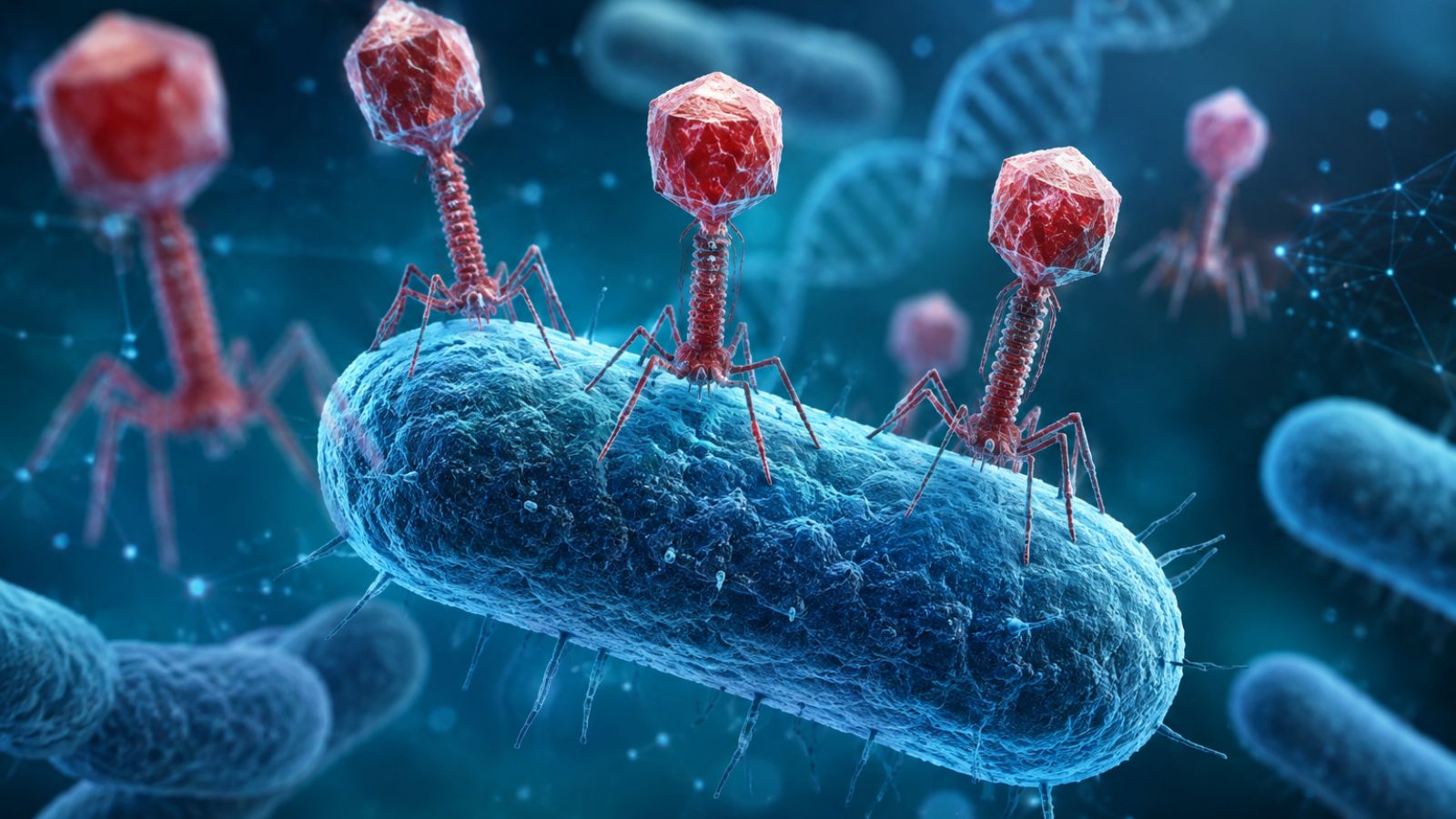
AI-Designed Viruses Created From Scratch for the First Time

AI Week: F-16 flights, synthetic virus, DeepMind, EU rules

Musk Reportedly Opposes Ukraine’s Starlink Drone Operations Inside Russia

Leaked Records Allege Russian Help for Iran’s Supersonic Missiles

Nepal Floods, India’s Gender Debate and Sugar Prices Rise

US Pauses Worldwide Visa Appointments Amid Trump Immigration Crackdown

US Prepares Tough Iran Sanctions as Pakistan Seeks Mediation