1 hr ago
Why India’s Poor Public Services Rarely Cost Governments Votes

People often dislike poor schools, bad roads, unreliable water and dirty air.
But they do not always vote against the government because of these problems.
Families who can afford it may buy private solutions, such as generators, cars, private schooling or medical care.
This means fewer influential people depend on public services and demand that they improve.
Benefits that people can clearly see, such as a water connection or cash payment, are easier to connect to a government.
Problems like weak teaching or polluted air are harder to link to one politician.
Voters may also care more about jobs, prices, caste, religion, welfare or candidates during an election.
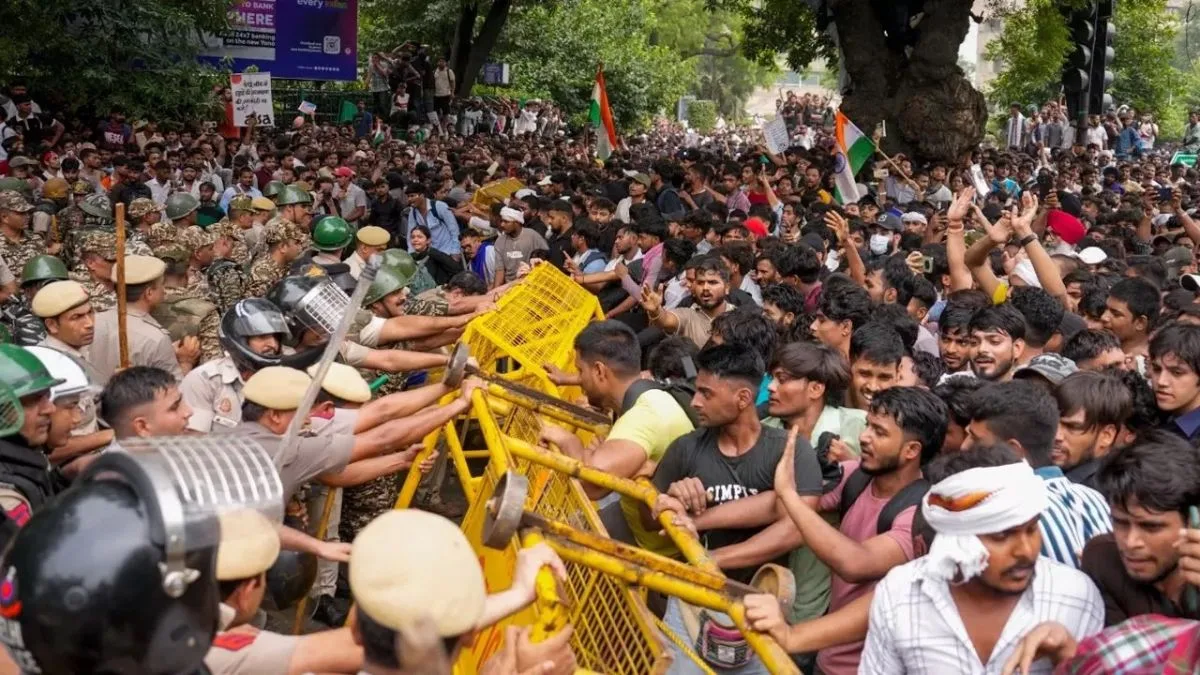
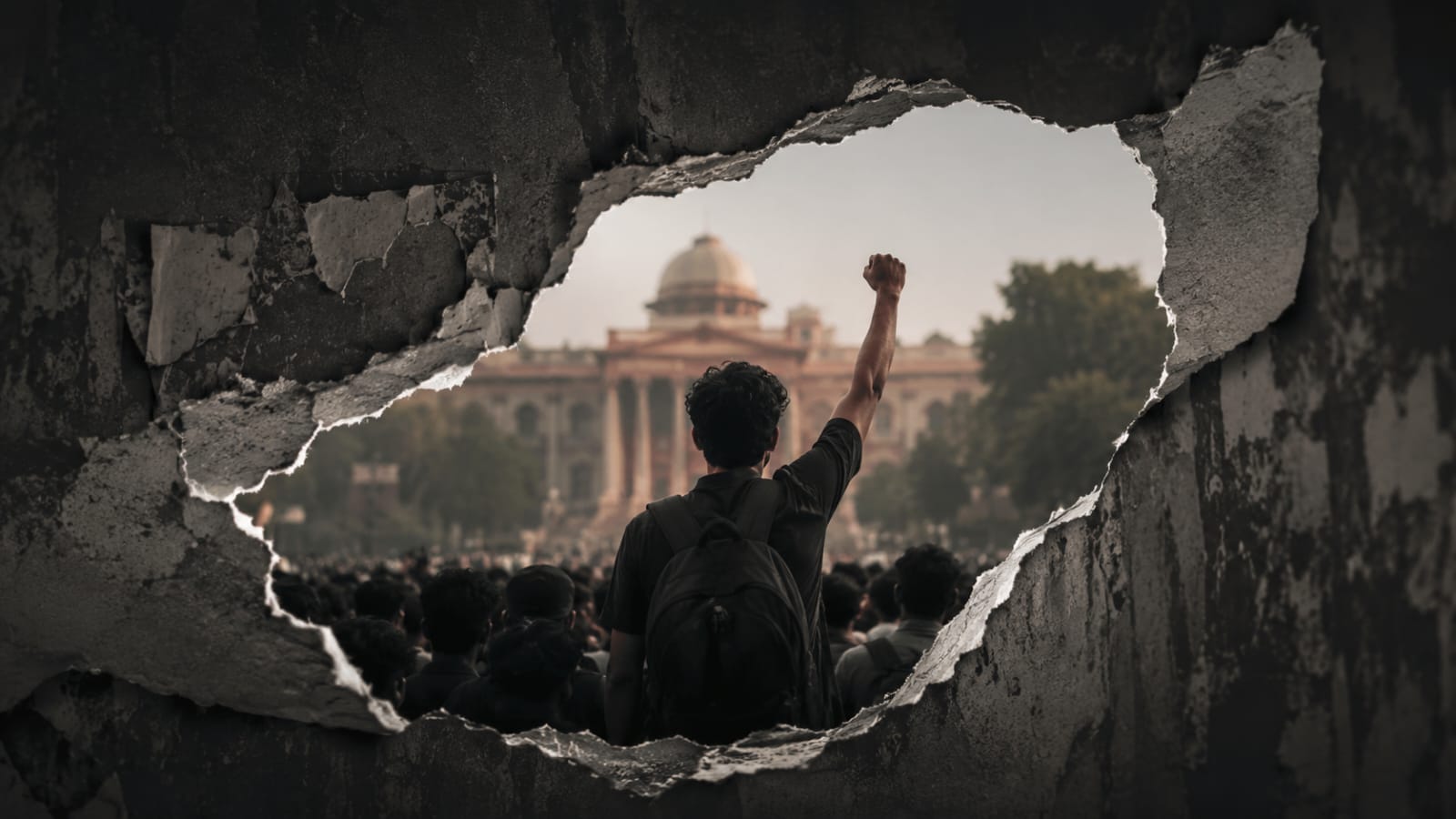
Protests about unfair examinations could change this by bringing many people together around one clear complaint.
Social media helps people show that separate problems may be part of a larger pattern.

Indian voters often cope with weak public services by purchasing private alternatives such as generators, tankers, cars, private schools and clinics.
Private exit can reduce pressure on governments to improve services because better-off citizens become less dependent on public systems.
Visible, attributable benefits such as water connections, cooking gas, electricity, toilets and cash transfers often generate clearer electoral rewards than better schools or cleaner air.
Public-service failures become electoral issues only when voters identify the problem, agree who is responsible, consider it important and have a meaningful political alternative.
Protests over examination paper leaks may be creating a broader constituency around fairness, competence and public education, aided by social media.
- Who
- Indian voters, governments, political parties and people affected by public-service failures; recent examination protests are also discussed.
- What
- The article examines why poor public services often fail to become decisive electoral issues in India.
- Where
- India.
- When
- The discussion refers to the period ahead of India’s 2024 general election and to a recent agitation over examination integrity.
- Why
- Private alternatives, unclear political responsibility, competing voter priorities and limited political choices can weaken electoral pressure for better public services.
Public Accountability
Private Adaptation
How services improve
Public Accountability
Governments should face electoral pressure when schools, examinations, water, transport or air quality fail.
Private Adaptation
Citizens often protect themselves through private alternatives, reducing their dependence on government services and weakening pressure for reform.
What wins votes
Public Accountability
Improving core public services could become electorally important if voters connect failures to those responsible.
Private Adaptation
Visible and directly attributable benefits, such as cash transfers and household connections, currently provide clearer electoral returns than diffuse improvements like school quality or clean air.
Examination protests
Public Accountability
Paper leaks can unite families around fairness, competence and the quality of public education, potentially making the issue electorally significant.
Private Adaptation
Even a broad grievance may not affect voting unless parties offer meaningful differences and the issue outweighs concerns such as employment, inflation, caste or religion.
Key facts
- Core argument
- Dissatisfaction with public services does not automatically become electoral pressure.
- Private exit
- Households may respond to public failures by buying alternatives such as generators, tankers, private schooling or private healthcare.
- Visible welfare
- Piped water, LPG connections, electricity connections, toilets, food transfers and cash benefits are easier for voters to identify and attribute to governments.
- Examples of stronger reform pressure
- Passport services and railway reservations, used heavily by middle-class citizens, are contrasted with elementary schooling.
- Electoral obstacles
- Voters must identify a failure, assign responsibility, prioritize it and find a meaningful political alternative.
- Examination controversy
- Paper leaks and compromised selections threaten the expectation that examination rules will be fair.
- Role of social media
- Photographs, videos and testimonies can connect isolated complaints into a collective political issue.
Sources
Related news
Public Education Needs Greater Accountability, Not Just More Spending
School Protests Expose India’s Infrastructure Failures Amid State Pushback
Why Free Public Examinations Are Essential to Democracy
India’s School Crisis Deepens As Learning Outcomes Decline
Student Protests Turn Private Grievances Into Public Demands

Neglected Government Schools Become India’s Popular Concern

Educating the vulnerable: no-detention masks tribal learning deficits

Telangana intensifies mission to re-enrol school dropouts through TOSS
IT Professional Killed in BMW-Motorcycle Accident