2 hrs ago
Student Protests Turn Private Grievances Into Public Demands
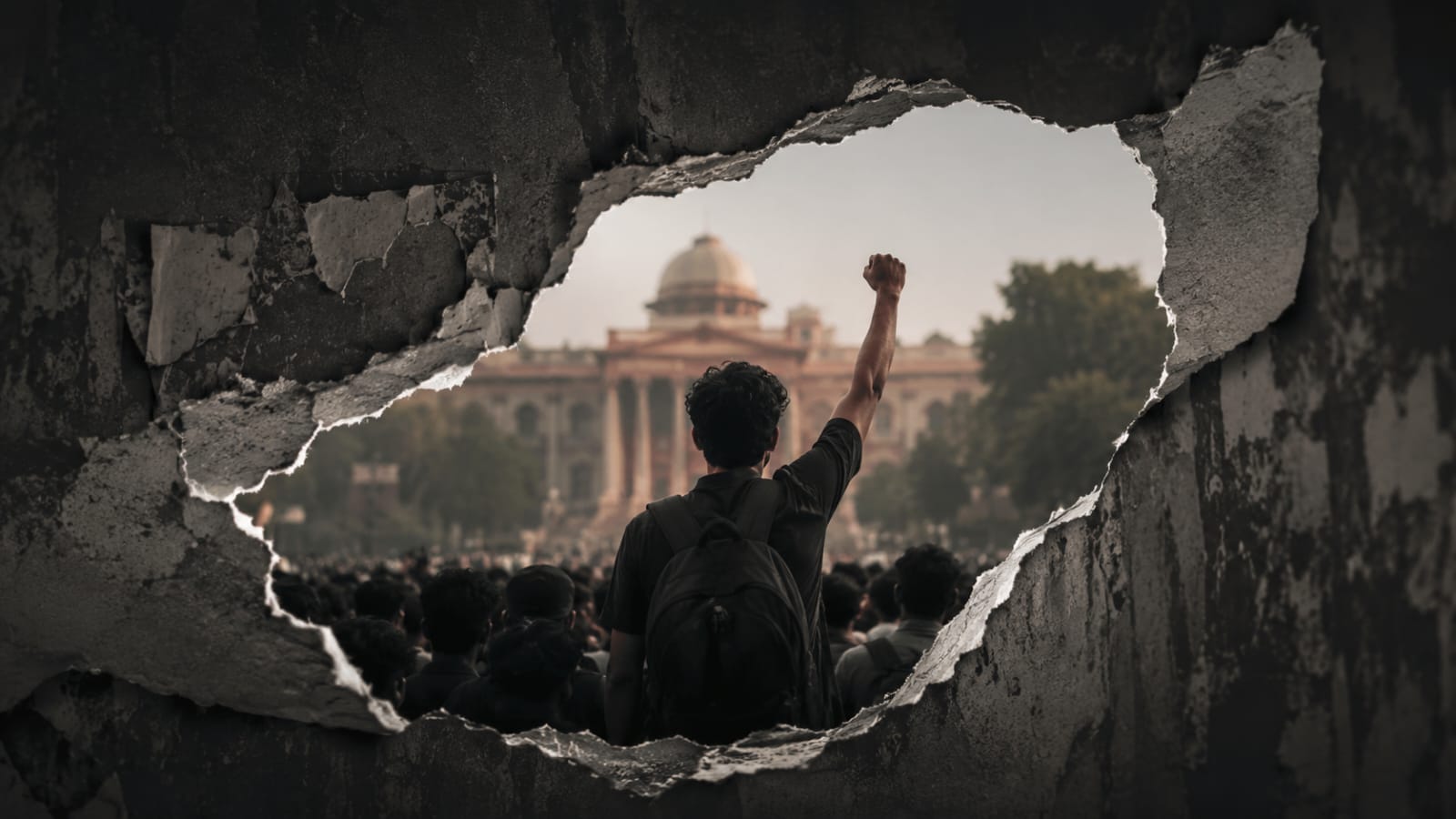
Students in several Indian cities are protesting problems involving exams, admissions, jobs and universities.
At first, each problem affected particular people.
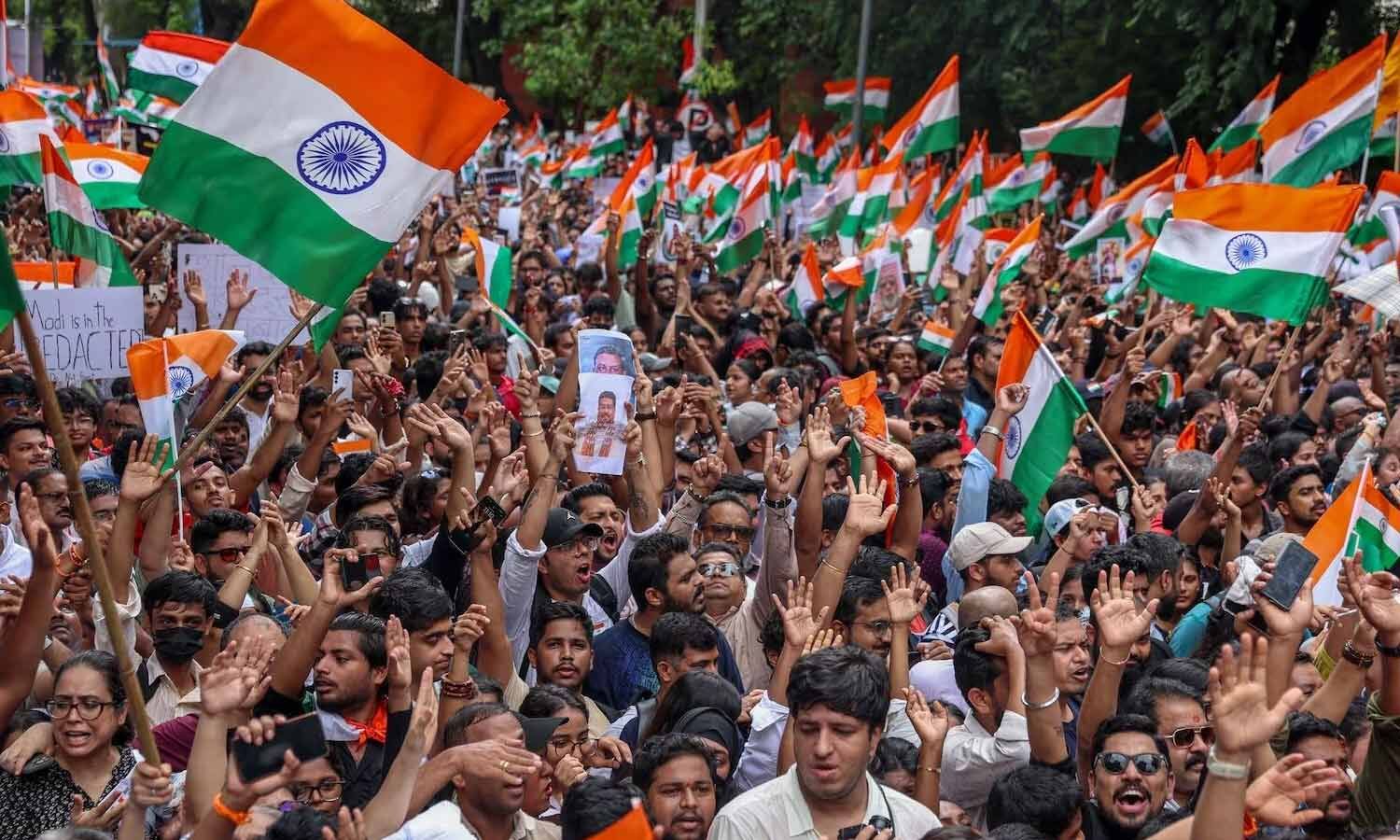
When many people joined together, they said the problems were important to everyone.
They wanted institutions to explain their decisions and act fairly.
At Jantar Mantar, students helped one another by sharing food, money and supplies.
Online messages helped more people learn about the protests.
Meeting in person also helped strangers become a group.
The article says this kind of protest can be a way to participate in democracy.
It also warns that protests must respect constitutional principles and should not intimidate or exclude others.

Students in Delhi, Ranchi, Rampur and elsewhere have protested examination, recruitment, admission, demolition and campus-accountability disputes.
The protests have reframed individual complaints as broader demands for institutional transparency, fairness and accountability.
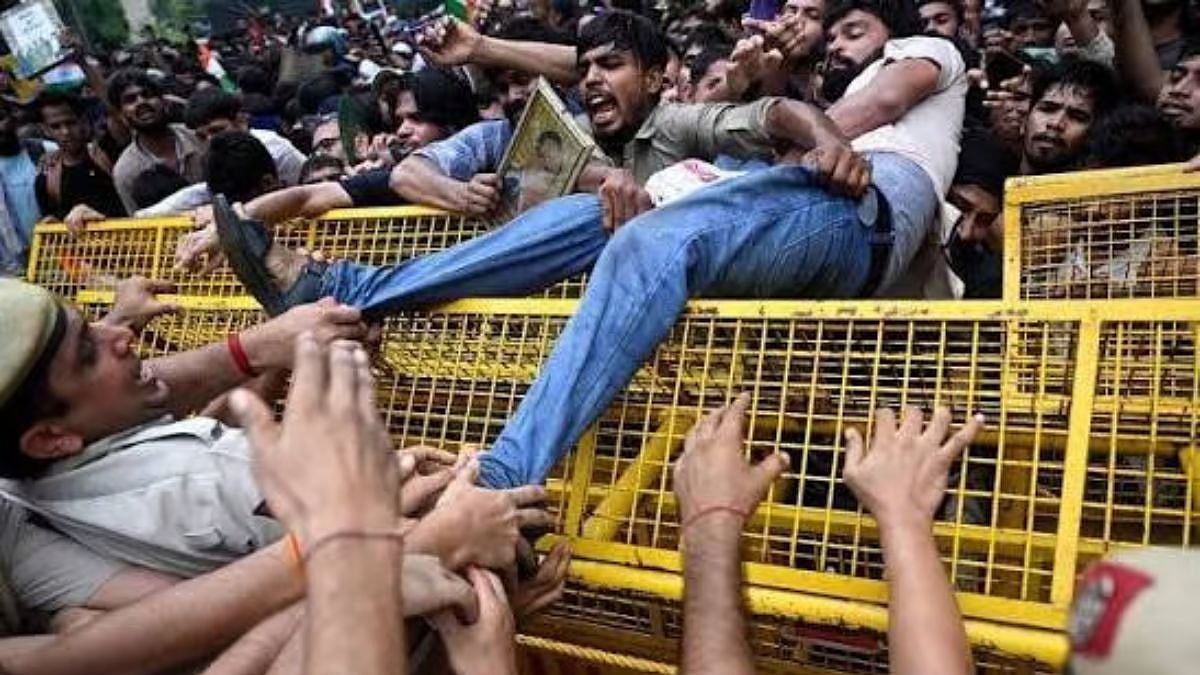
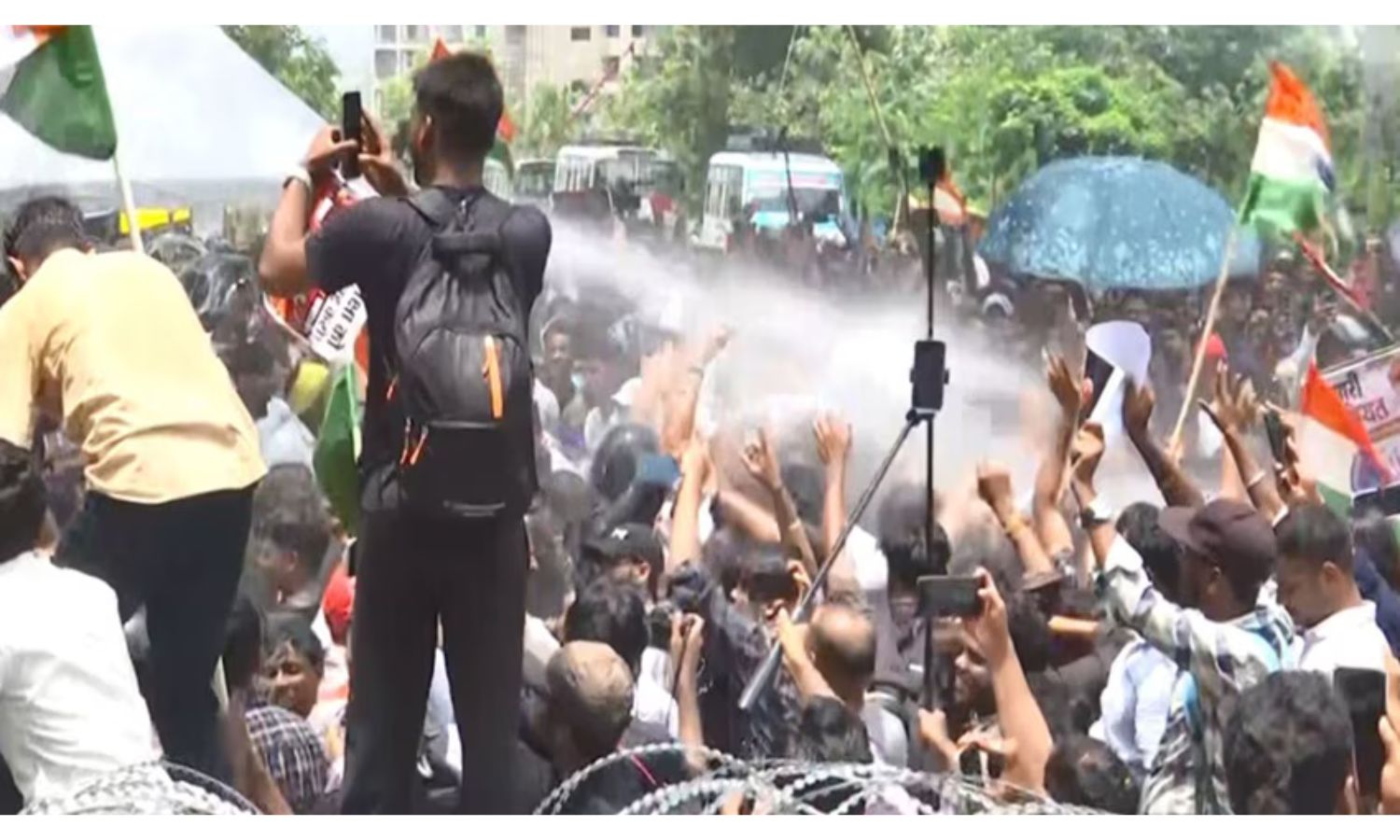
At Delhi’s Jantar Mantar, a police crackdown was followed by increased participation, while protesters shared food, money and supplies.
Ranchi protesters secured an agreement to cancel three examinations and consider an investigation into alleged financial irregularities.
The article argues that protest can make citizens visible as public actors, while acknowledging that some collective actions may intimidate or exclude.
- Who
- Students, examination candidates, job aspirants and university communities, along with supporters in some protests.
- What
- A series of protests demanding accountability over examination irregularities, recruitment, admissions, a demolition order and student safety.
- Where
- Delhi’s Jantar Mantar and IIT Delhi; Ranchi; Rampur’s Mohammad Ali Jauhar University; and Jamia Millia Islamia.
- When
- The protests described occurred recently, including the previous month and after a student’s death at IIT Delhi.
- Why
- Participants sought fairness, transparency, equal opportunity, due process and institutional accountability.
Protest as Democratic Participation
Concerns About Protest
Role in public life
Protest as Democratic Participation
Collective action allows citizens to turn personal problems into public questions and demand that institutions respond.
Concerns About Protest
The article cautions that not every protest is democratic; crowds can intimidate, movements can exclude and some methods can be illegitimate.
Relationship with institutions
Protest as Democratic Participation
Students are using protest as “voice,” seeking to change institutions rather than abandoning them.
Concerns About Protest
Critics may view street action as bypassing formal institutions, although the article presents this as a qualification rather than a specific criticism of the protests.
Key facts
- Main theme
- Private grievances becoming collective demands for accountability
- Jantar Mantar
- Students protested examination irregularities and continued after a July 20 police crackdown
- Jantar Mantar outcome
- The protest ended after the resignation of former Education Minister Dharmendra Pradhan
- Ranchi examinations
- Authorities agreed to cancel three examinations and consider an investigation into alleged financial irregularities
- Mohammad Ali Jauhar University
- A demolition order affecting university buildings was subsequently stayed
- IIT Delhi
- Hundreds gathered outside the director’s office after a student’s death
- Jamia Millia Islamia
- Students protested alleged irregularities in spot admissions
Sources
Related news
Student Protests Reflect Shared Struggle Beyond Ranchi Versus Jantar Mantar

Jharkhand Youth Exam Protests Test India's Political Parties
Youth Protests Expose India's Institutional Failures, Guruswamy Says
Youth Protests Force Exam Cancellations and Political Concessions
New political mood takes shape in India amid calls for accountability