9 hrs ago
Public Education Needs Greater Accountability, Not Just More Spending
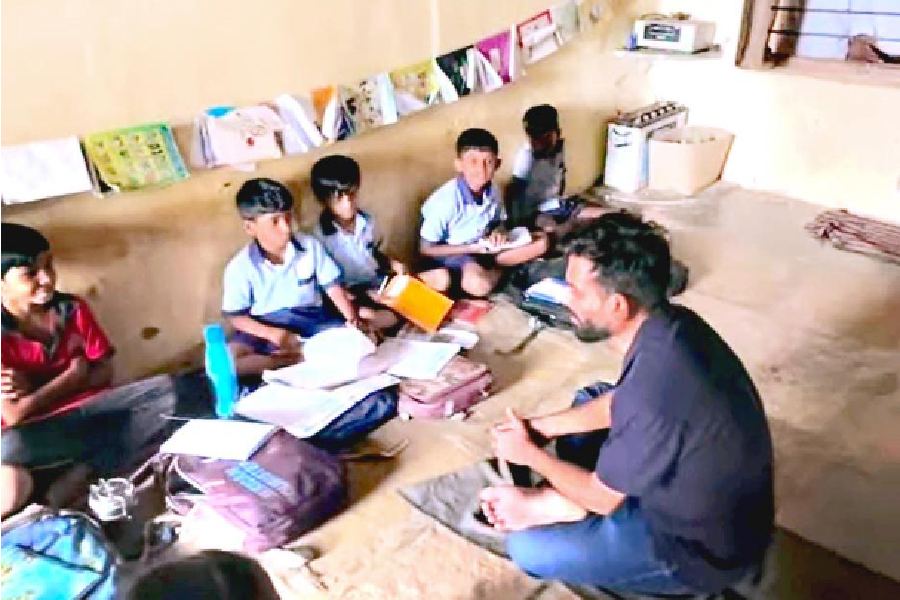
India’s public schools educate many children, especially children from poorer families.
The country has repeatedly promised to spend more money on education, but spending has stayed far below its target.
Some government schools have been merged or closed, which can make it harder for children to attend.
Many students also leave school or finish without strong reading and other basic skills.
Later, some graduates struggle to find jobs because they do not have the skills employers want.
Young people protested after examination problems, including an alleged NEET-UG 2026 paper leak.
Their protests asked leaders to accept responsibility when education systems fail.
The article says that changing one minister is not enough and that public education needs lasting accountability.

India’s education spending remains below the long-standing 6% of GDP target, reaching 2.7% in 2023–24.
Government-school closures and mergers may force children to travel farther and increase dropout risks.
UDISE+ recorded a national secondary-school dropout rate of 11.5% in 2024–25.
ASER 2024 found that only 23.4% of rural Class III children could read a Class II-level text.
Youth protests over examination irregularities and the NEET-UG 2026 paper leak led to Dharmendra Pradhan’s resignation on July 25.
- Who
- Students, parents, teachers, education officials, policymakers and young protesters are affected or involved; Dharmendra Pradhan resigned after the protests.
- What
- The article argues that India’s public education system needs stronger public accountability alongside greater investment and institutional reform.
- Where
- The problems and protests occurred in India, including demonstrations at Jantar Mantar and marches toward Parliament.
- When
- The article cites education data from 2023–24, 2024, 2024–25 and 2025, and says protests continued for weeks before July 25.
- Why
- The article says underfunding, school rationalisation, weak learning outcomes, examination irregularities and limited responsibility for institutional failures have harmed students and reproduced inequality.
Accountability and public investment
Efficiency and institutional management
School closures and mergers
Accountability and public investment
Critics argue that closing or merging schools can force children to travel several kilometres, increase dropout risks and undermine public education.
Efficiency and institutional management
The article says rationalisation is presented as an efficiency measure for schools with small enrolments, though it questions whether administrative savings should outweigh student access.
Role of public education
Accountability and public investment
The article argues that public education is a public good and a route to social mobility, particularly for poor, Dalit, Adivasi, women and historically excluded communities.
Efficiency and institutional management
The expansion of private education is described as a parallel market, reflecting a system in which families increasingly seek alternatives when public institutions are perceived as inadequate.
Ministerial resignation and reform
Accountability and public investment
Protesters viewed the resignation of Dharmendra Pradhan as evidence that sustained public pressure can establish political responsibility for examination failures.
Efficiency and institutional management
The article cautions that a resignation alone cannot repair examination systems, rebuild schools, train teachers or improve universities, so institutional reform remains necessary.
Key facts
- Education spending target
- The Kothari Commission and successive education policies recommended education spending of 6% of GDP.
- Recent education spending
- Combined Centre-and-state education spending was 2.7% of GDP in 2023–24, according to the Economic Survey.
- Secondary dropout rate
- UDISE+ 2024–25 recorded a national secondary-level dropout rate of 11.5%.
- Foundational reading
- ASER 2024 found that 23.4% of rural Class III children could read a Class II-level text.
- Government-school reading
- Among Class V children in government schools, 44.8% could read a Class II-level text in ASER 2024.
- Graduate employability
- Mercer | Mettl’s 2025 Graduate Skill Index found 42.6% of Indian graduates applying for jobs to be overall employable.
- Political consequence
- Dharmendra Pradhan resigned on July 25 after weeks of youth protests over examination irregularities and the NEET-UG 2026 paper leak.
Sources
Related news
School Protests Expose India’s Infrastructure Failures Amid State Pushback
India’s School Crisis Deepens As Learning Outcomes Decline
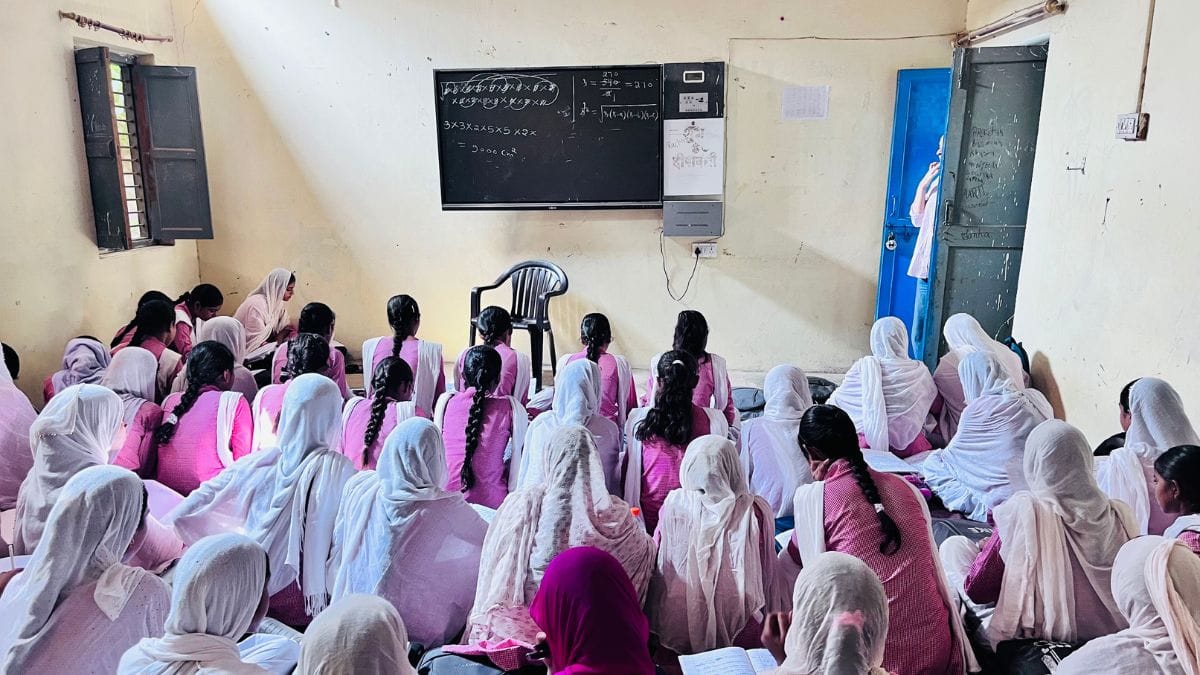
Parliamentary panel flags 73% student enrolment drop in India

Student Protests Expose India’s Deep Rural Education Crisis
Youth Protests Expose India's Institutional Failures, Guruswamy Says
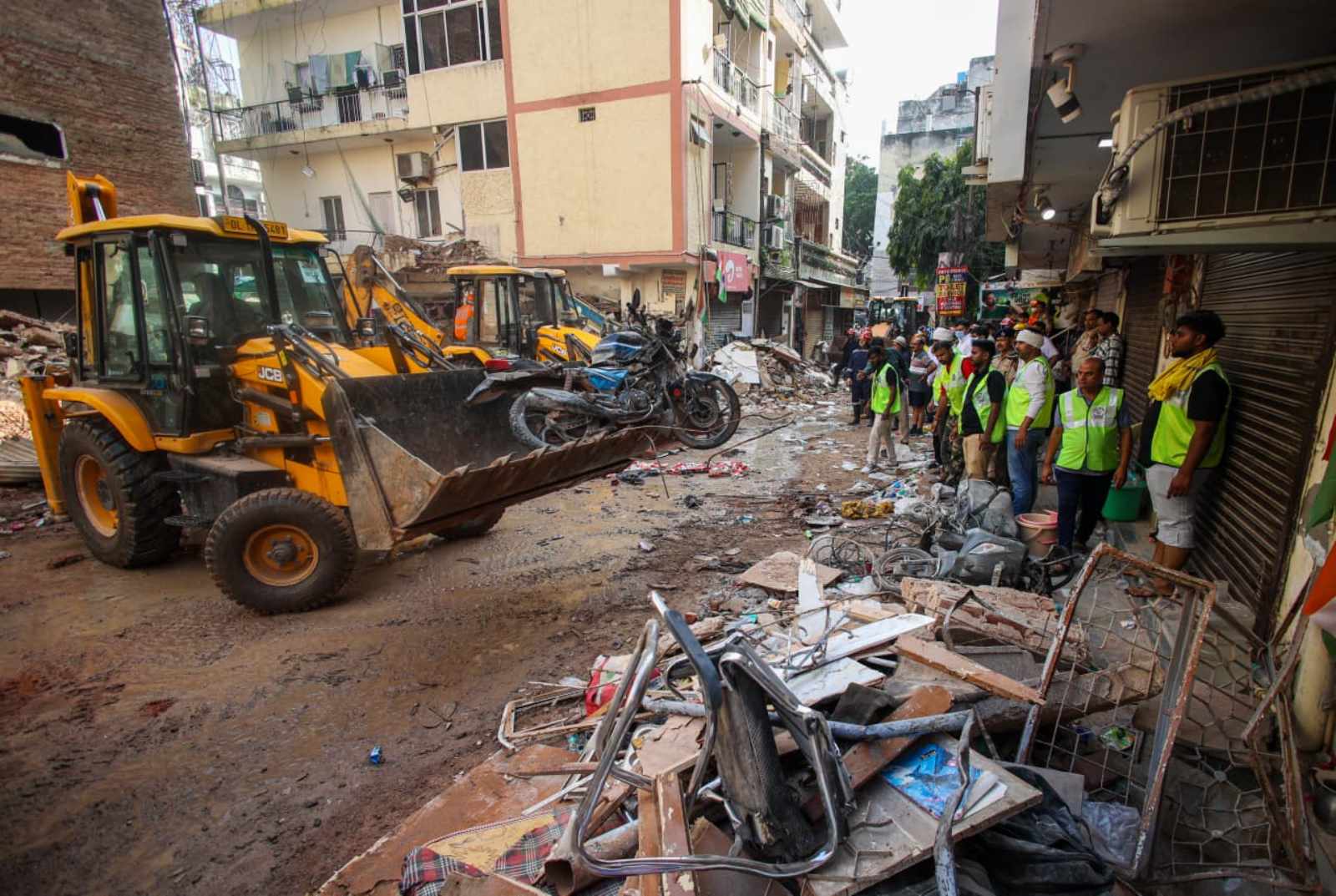
Indian Students Face Deadly Risks in a Broken Education System

Excessive Screen Time May Affect Children’s Sleep, Learning, Development

Supreme Court Examines Calls to Revise Legal Education

Dhami Honours Teachers, Awards Scholarships at Gyan Ganga Event
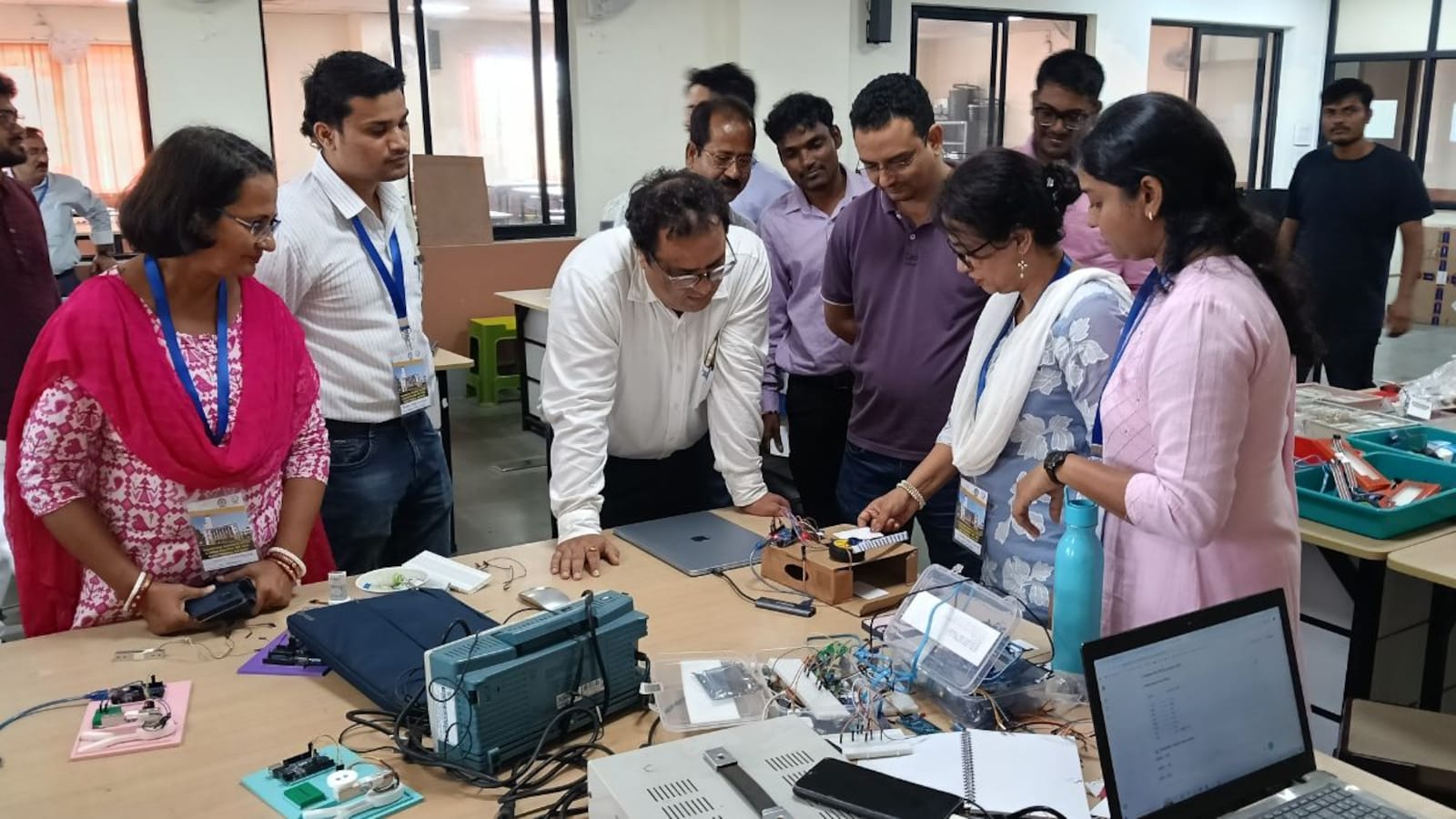
IIT Kharagpur Programme Transforms Teaching Through NEP, Technology and GenAI