

2 days ago
AI Could Fuel a New Space Race by 2030

A new space race may focus on building businesses in space, not only reaching it.
AI could help spacecraft and laboratories work with less human control.
Reusable rockets and better propulsion could make space access less expensive.
Companies might eventually manufacture products, mine resources and use farms or factories in space.
Some activity could also happen around the Moon.
Space-based data centers are another possible idea, using sunlight for power and space for cooling.
These technologies could attract as much as $100 billion to $200 billion in investment.
However, space debris, unclear laws, safety problems and disagreements between countries could make this difficult.

IEEE estimates aggressive AI adoption could drive $100 billion-$200 billion in global space-tech investment.
Reusable rockets, autonomous vehicles and improved propulsion could make access to orbit cheaper.
The emerging orbital economy could include space manufacturing, mining, resource use and lunar activity.
AI may support autonomous laboratories, space vehicles, data centers and software-defined space systems.
Orbital debris, legal uncertainty, mission risks, safety demands and geopolitical tensions could hinder growth.
- Who
- The Institute of Electrical and Electronics Engineers (IEEE), technology developers and potential commercial space companies.
- What
- A possible AI-enabled orbital economy involving autonomous spacecraft, manufacturing, mining, advanced infrastructure and other commercial activities.
- Where
- In orbit, around the Moon and in space beyond Earth.
- When
- The potential high-growth trajectory and economic shift are discussed as developments that could emerge by 2030.
- Why
- AI, reusable rockets, cheaper access, autonomous systems and improved propulsion could expand space activity beyond government-led missions and traditional satellite launches.
Commercial opportunity
Risks and constraints
Economic growth
Commercial opportunity
AI and related technologies could help create a high-volume orbital economy and attract $100 billion-$200 billion in investment.
Risks and constraints
The sector’s growth could be limited by safety requirements, extreme mission risks and the difficulty of operating in space.
Autonomous space activity
Commercial opportunity
Autonomous vehicles, laboratories and software-defined systems could reduce the need for constant human intervention.
Risks and constraints
Greater autonomy introduces technical and safety concerns, particularly in harsh and remote environments.
Space resources and infrastructure
Commercial opportunity
Manufacturing, mining, lunar activity and data centers in space could create new commercial markets.
Risks and constraints
Asteroid mining and space-based solar power raise legal and geopolitical concerns, while orbital debris remains a major challenge.
Key facts
- Investment estimate
- IEEE estimates aggressive AI adoption could help drive $100 billion-$200 billion in worldwide space-tech investments.
- Target timeframe
- The report considers how the orbital economy may develop by 2030.
- Key technologies
- Reusable rockets, inexpensive access to space, autonomous vehicles and improved propulsion systems.
- Potential activities
- In-situ manufacturing and mining, space-resource utilisation, lunar economic activity and space-based manufacturing.
- AI applications
- Autonomous space vehicles, autonomous laboratories, AI-enabled systems and software-defined space systems.
- Emerging infrastructure
- Data centers in space are described as a high-risk, high-reward possibility.
- Main challenges
- Orbital debris, legal ambiguity, extreme mission risks, safety requirements and geopolitical concerns.
Sources
Related news
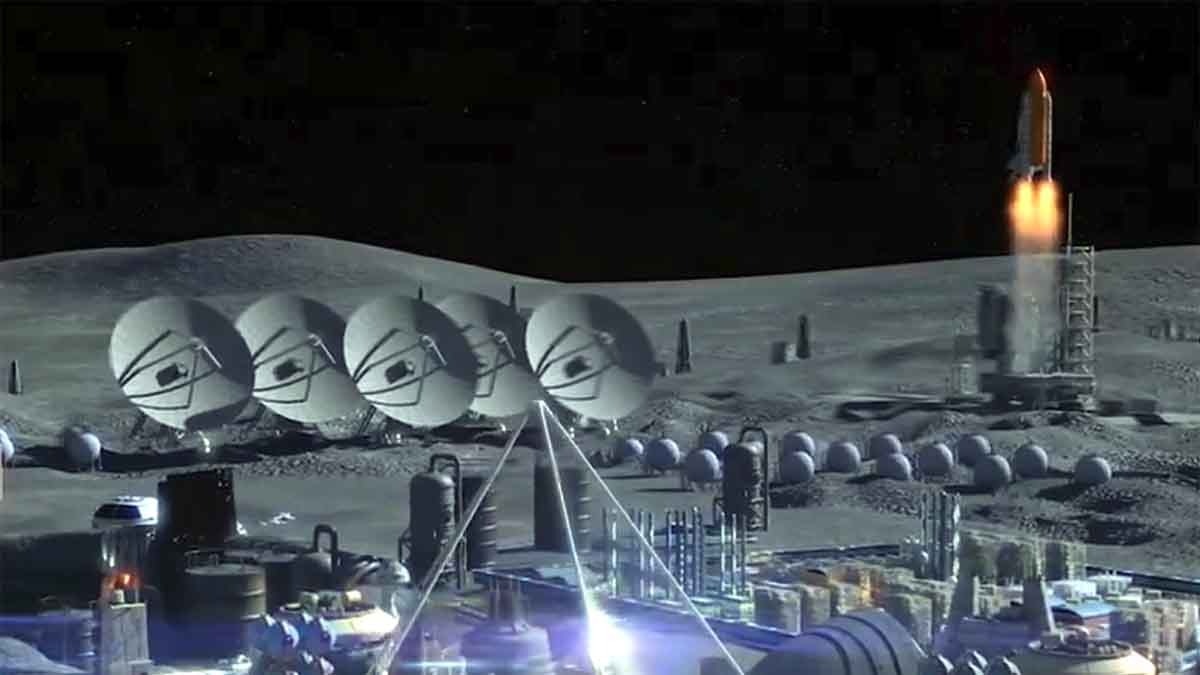
Space Economy’s Commercial Boom Raises Stakes Over Who Captures Value

India's Space Economy May Reach $44 Billion By 2033

SpaceX Plans First Nvidia-Powered AI Satellites for 2027
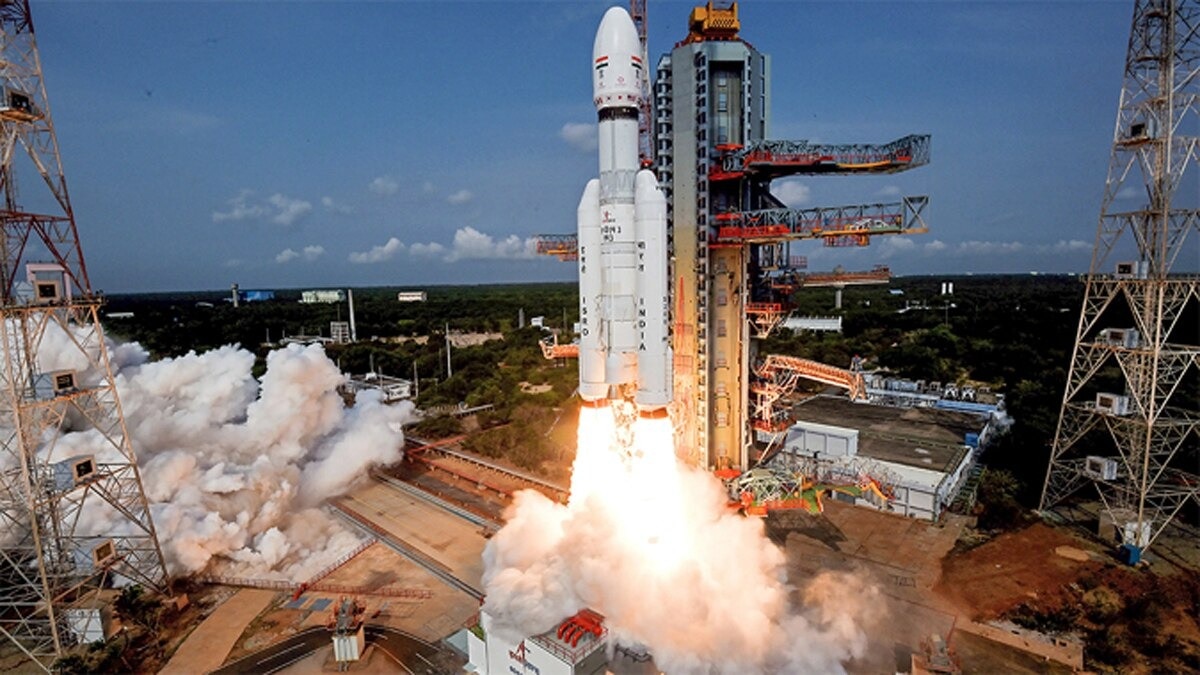
Space Industry Chokepoints Shift Power Toward Launch, Infrastructure and Data
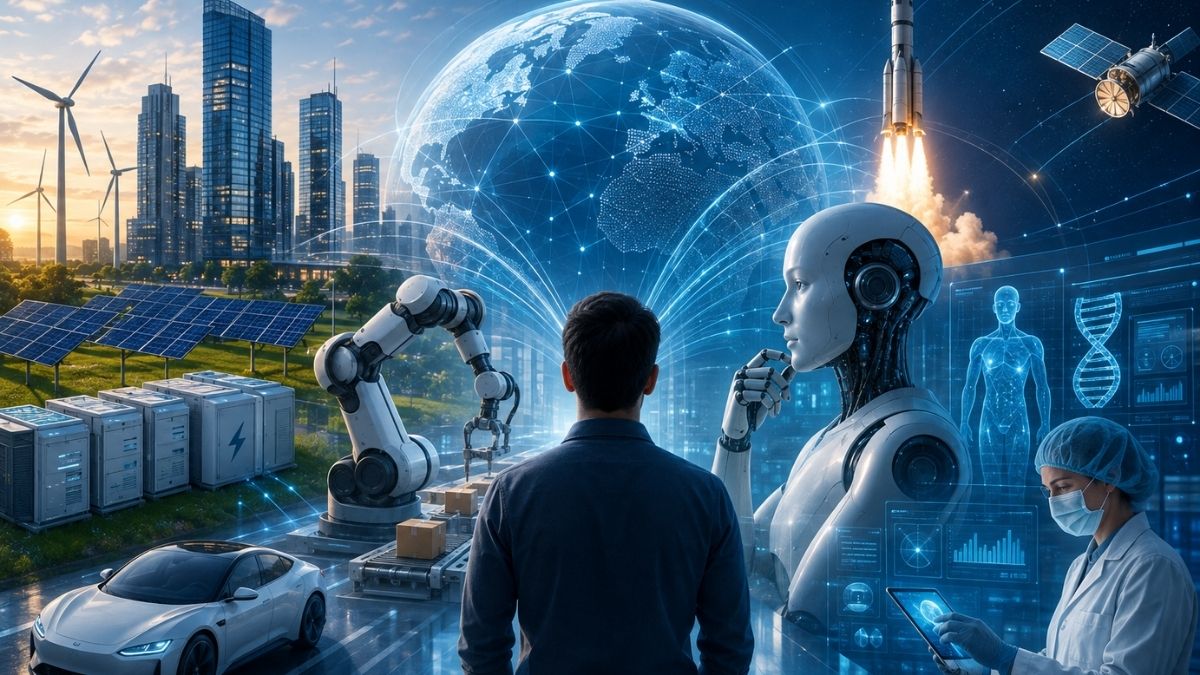
IEEE Report Highlights Technology Winners Racing Toward 2030

Indian Startup Digantara Unveils AI-Powered MOSAIC Space Surveillance Network
AI Reskilling May Become Essential as White-Collar Work Changes

IEEE Honors Mohan Babu University

MITS Hosts IEEE ComSoc International Workshop
